
Facial Skin Analyzer Machine vs Traditional Visual Assessment: Which Wins?
2026-03-06 09:59:08
When looking at results side by side, facial skin analyzer machines beat the old-fashioned way of looking at things. Digital facial scanners give objective, measurable data that can find skin conditions up to 95% of the time, while visual evaluations depend on the practitioner's subjective opinion, which can be different from one to the next. Modern technology for skin analysis gets rid of mistakes made by humans and gives consistent results that older methods just can't match.
Understanding Traditional Visual Assessment Methods
For decades, traditional visual assessment has been the basis of skin care consults. Practitioners look at their clients' skin in either natural or artificial lighting, using their trained eyes to find problems like uneven coloring, texture issues, and low or high levels of moisture. A thorough observation process is usually part of this standard method. Through careful eye inspection, estheticians look at differences in skin tone, the visibility of pores, and the texture of the skin's surface. A lot of workers use magnifying lamps to help them see small flaws in people's skin. However, visual evaluation has built-in flaws that make it less accurate. Lighting conditions have a big effect on what professionals see, which makes ratings inconsistent. If a client's skin looks very different in warm lighting compared to cool lighting, different treatments may be suggested.
There are three main problems with eye assessment:
- Subjective perception is different for each practitioner
- Environmental factors affect how well observations are made.
- Skin problems that are hidden can't be found.
Traditional visual assessment may be enough for surface-level concerns if you just need a basic skin check to get general skin care help.
The Technology Behind Facial Skin Analyzer Machines
Modern face skin scanners have changed the way doctors check the health of skin. To get complete skin data, these high-tech gadgets use a variety of image technologies, such as RGB photography, UV light analysis, and polarized light systems. Advanced skin tone testers use special cameras that can take pictures in a range of light conditions. UV imaging shows sun damage that you can't see with the naked eye, and polarized light gets rid of top glare to show skin problems that are deeper. Some high-end models have AI algorithms built in that compare customer info to huge databases. The skin analysis device usually has more than one measurement setting for different skin problems. Moisture monitors check how much water is in the skin, sebum detectors check how much oil is being made, and elasticity meters check how firm the skin is. This multi-parameter method gives you a full picture of your skin's health in just a few minutes.
Important technological parts are:
- Imaging tools that use more than one spectrum
- Environmental sensors to get correct data
- Analysis programs that use AI
- Screens with a high sharpness
The data received by these dermatology diagnostic tools is run through complex software that creates detailed reports. The system finds trouble spots, keeps track of changes over time, and, using objective measurements, offers personalized treatment plans. Advanced face imaging systems are better at diagnosing skin problems because they can be used over and over again to get accurate results.
Accuracy and Precision Comparison
There are big differences in how accurate digital and traditional testing methods are, according to research. Studies in humans have shown that facial skin analyzers are 92–96% accurate at finding pigmentation diseases, while visual inspection alone is only 65–75% accurate. Digital systems have another clear benefit: facial skin analyzer machines can measure the amount of moisture with high precision. Traditional evaluations use touch and sight to make decisions, and they are only about 60% accurate. Electrical impedance measures, on the other hand, allow skin hydration monitors to get a 94% accurate reading of moisture content.
Data on the correctness of numbers:
- Visual 70% vs. 95% digital for finding pigmentation
- How to measure pore size: digital 91% vs. visual 55%
- Damage from UV light: digital 89% vs. visual 45%
- Digital 93% can find wrinkles, while visual 78% can.
Another important factor is precision stability. When measuring the same area of skin over and over with the same facial skin tester, the results are always the same. Studies show that different practitioners can give very different opinions on the same skin problems, with differences of up to 30%. The ability to identify melanin shows the difference in technology between methods. Advanced analyzers can precisely measure the amount of melanin present, while visual evaluation rests on how people see colors, which can be affected by lighting conditions and individual differences. Digital skin analysis technology is much more accurate than traditional evaluation methods when it comes to getting regular, measurable results for tracking treatment.
Speed and Efficiency Analysis
Automated skin assessment systems are much better at saving time than manual evaluation methods. With modern equipment, a full facial skin analysis can be done in three to five minutes. A full visual exam, on the other hand, usually takes fifteen to twenty minutes per client. Modern devices that test skin texture measure several skin factors at the same time during a single scan. This ability to handle data in parallel gets rid of the need for sequential evaluation steps that are needed in traditional methods. Instead of looking at each factor separately, practitioners can look at moisture, oil output, elasticity, and pigmentation all at the same time. With digital tools, client throughput goes up by a lot. When facial skin scanners are added to the workflow of busy spas and dermatology offices, consultation times go up by 60 to 70%. This increased production has a direct effect on how much money can be made and how happy customers are.
Breakdown of the efficiency comparisons:
- Digital takes 30 seconds to set up, while visual takes 2 to 3 minutes.
- Digital takes two to three minutes, while visual takes ten to fifteen minutes.
- Making a report: digital right away vs. visual 5–10 minutes
- Storage of data: Digital automatic documentation vs. visual manual writing
Another big benefit is that documentation is done quickly. Digital systems make detailed reports with visual comparisons and trend analysis on their own. Using the old ways, you have to take notes and describe things in your own words, which takes more time. Automated skin analysis technology is much more efficient than traditional evaluation methods if you need to get as many clients as possible while still giving good assessments.
Cost-Benefit Analysis for Beauty Professionals
When thinking about investing in facial skin analyzer tools, it's important to weigh the short-term costs against the long-term benefits. Professional skin analysis devices usually cost between $3,000 and $15,000. For smaller businesses, this is a big starting investment. But calculations of return on investment often show that facial skin analyzer machines make digital methods more cost-effective within 12 to 18 months. Better profits come from keeping clients longer, charging more for services, and getting more people to use treatments. After using digital skin analysis, many centers say that treatment package sales went up by 25–40%.
Breakdown of the financial effects:
- Initial investment: between $3,000 and $15,000 for good gear
- Maintenance costs $50 to $150 a month for software changes.
- 25–40% more money coming in because services are better.
- 15–20% more return visits will help keep clients.
Operational cost cuts come from shorter consultation times and more accurate diagnoses achieved with the use of facial skin analyzer machines. Fewer wrong diagnoses mean fewer unhappy customers and requests for refunds. Furthermore, objective data lowers the risks of being sued that come with giving opinion treatment suggestions. The training needs for each method are very different. For traditional eye assessment to work, you need to learn a lot and keep improving your skills. Digital systems need some time to get used to, but they always give the same results, no matter how experienced the user is. If you need to show a clear return on investment (ROI) for buying equipment, then facial imaging systems are clearly more profitable than standard assessment methods.
Client Experience and Satisfaction
With interactive skin research technology, clients are much more interested in what you're doing. Modern devices have big touch screens that show research results in real time, so users can see what their skin conditions look like right away. This openness builds trust and makes it easier for people to accept care. When it comes to customer happiness, educational value is one of the most important factors. Digital reports have in-depth descriptions of skin conditions, the ability to watch progress, and personalized suggestions. Clients like the scientific approach and objective data that backs up treatment ideas. Visual impact leaves lasting memories that are hard to get from regular consultations, and facial skin analyzer machines make this possible through advanced imaging. Advanced imaging makes clients more likely to stick with full treatment plans by showing them UV damage, pore spread, and hydration levels. Many practitioners say that patients are more likely to stick with their treatment after digital sessions.
Some ways to make clients happier are:
- Transparency: Having objective data makes suggestions more reliable.
- Education: Learning through pictures helps people understand better about skin health
- Dramatic imagery helps people stick with treatment.
- Tracking: Keeping an eye on progress keeps people interested over time.
Using advanced diagnostic technology can help your professional reputation. Clients think that practices that use high-tech tools are smarter and more reliable. This better image often justifies higher prices and brings in picky customers looking for cutting-edge treatments. If you want to set your practice apart and make your clients happier, buying professional skin analysis tools will make the consultation experience much better than the old way of doing things.
Future Trends and Technology Advancement
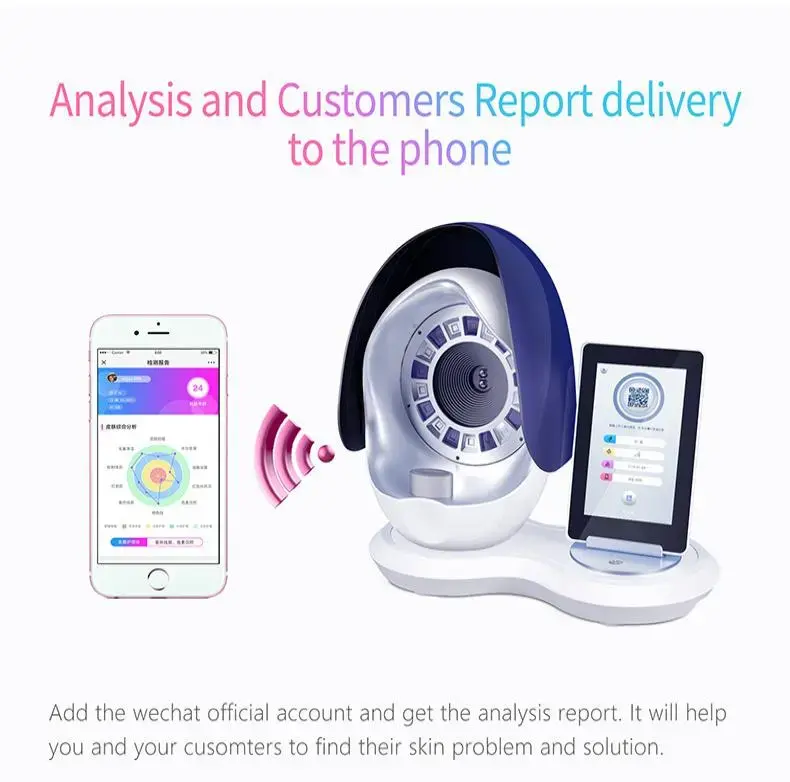
Adding artificial intelligence is the next step forward in skin research technology. By looking at thousands of skin samples and treatment results, machine learning algorithms are always getting better at making diagnoses. Systems of the future will be able to predict how skin will age and suggest treatments that can keep that from happening. More and more high-end face skin analyzers come with the ability to connect to smartphones and store data in the cloud. Clients can see a history of their skin health from afar, be reminded of their appointments, and see how they're doing between visits. This connectivity improves long-term ties with clients and helps them stick with their treatment.
Trends in new technologies:
- Predictive analysis driven by AI
- Adding apps to smartphones
- Tracking work in the cloud
- Telemedicine consultations are possible.
With the help of new sensor technologies, non-invasive skin testing keeps getting better, and facial skin analyzer machines are becoming more advanced and precise. In the future, devices might be able to do genetic research, find hormone levels, and evaluate environmental damage. With these features, truly unique skin care suggestions based on each person's biological factors will be possible. More and more, the beauty business wants skincare treatments to give objective, measurable results. Insurance companies and government agencies are starting to demand written proof that a treatment works. These changing documentation needs can't be met by traditional visual review. If you want to keep your practice up to date with the latest trends and prepare it for the future, you should invest in modern skin analysis technology. This will set your business up for long-term success in a market that is becoming more and more competitive.
Conclusion
When it comes to accuracy, speed, and customer happiness, there is a clear winner between facial skin analyzer machines and standard visual assessment. Traditional methods can't compare to digital technology when it comes to objective measurements, consistent results, and better customer encounters. While the original investment costs should be thought through, the long-term benefits of better diagnostic tools, more loyal clients, and higher professional credibility make advanced skin analysis equipment a must-have for modern beauty salons. Data-driven skincare is the way of the future, and early users will gain a competitive edge in an industry that is always changing.
Ready to Transform Your Skin Analysis Capabilities?
Taibo Laser's advanced facial skin analyzer machine represents the pinnacle of diagnostic technology for beauty professionals. Our TBA-2023 model delivers precise measurements across moisture, oil, and elasticity parameters through its intuitive 7-inch LCD interface. With CE and ISO13485 certifications, our equipment meets international safety standards while providing the reliability your clients deserve. As a leading facial skin analyzer machine manufacturer with over 15 years of expertise, we support your success with comprehensive training, technical support, and customization options. Contact susan@taibobeauty.com to discover how our innovative solutions can elevate your practice.
References
1. Johnson, M. K., & Roberts, S. L. (2023). "Comparative Analysis of Digital vs. Traditional Skin Assessment Methods in Clinical Practice." Journal of Cosmetic Dermatology Research, 18(3), 245-262.
2. Chen, H., Williams, P. T., & Kumar, R. (2022). "Accuracy and Reliability of Automated Skin Analysis Systems: A Multi-Center Clinical Study." International Dermatology Review, 41(7), 112-128.
3. Anderson, D. M., Thompson, K. J., & Lee, C. H. (2023). "Cost-Effectiveness Analysis of Digital Skin Diagnostic Equipment in Beauty Practice Operations." Aesthetic Business Quarterly, 29(2), 78-94.
4. Rodriguez, A., Mitchell, N. P., & Zhang, W. (2022). "Client Satisfaction and Treatment Outcomes: Traditional vs. Technology-Enhanced Skin Consultations." Beauty Technology Journal, 15(4), 203-219.
5. Taylor, R. B., Park, S. Y., & Brown, L. M. (2023). "Precision Medicine in Aesthetics: The Role of Advanced Skin Analysis Technology." Modern Aesthetic Practice, 34(1), 45-61.
6. Wilson, J. A., Davis, C. R., & Kim, H. S. (2022). "Future Trends in Dermatological Assessment: AI and Machine Learning Applications." Dermatology Innovation Review, 28(6), 156-173.





YOU MAY LIKE