
Does 1064 Q Switched Nd Yag Laser Hurt? Safety and Comfort Guide
2026-01-16 09:13:22
If you're considering laser treatment for pigmentation, tattoo removal, or skin rejuvenation, you're probably wondering about the pain level. The truth is, while the 1064 q switched nd yag laser does cause some discomfort, most patients describe it as tolerable—similar to a rubber band snapping against the skin. Understanding what to expect and how to minimize discomfort can transform your treatment experience from anxiety-inducing to confidently manageable. This comprehensive safety and comfort guide will walk you through everything you need to know about pain management, safety protocols, and what makes modern 1064 q switched nd yag laser treatments more comfortable than ever before.
Understanding the 1064 Q Switched Nd Yag Laser Treatment Process
The 1064 q switched nd yag laser operates on a sophisticated principle of selective photothermolysis, delivering ultra-short pulses of light energy that target specific chromophores in the skin without damaging surrounding tissue. When the laser fires, it creates nanosecond pulses that shatter pigment particles or tattoo ink into microscopic fragments that your body's immune system can naturally eliminate. During this process, patients experience a sensation that varies based on treatment area, individual pain tolerance, and the specific condition being addressed. The technology behind the 1064 q switched nd yag laser has evolved significantly over the past decade, with manufacturers like Xi'an Taibo Laser Beauty Company incorporating advanced cooling systems and optimized pulse durations to minimize thermal damage and reduce discomfort. Understanding this mechanism helps demystify the treatment and set realistic expectations for your comfort level.
How the Laser Interacts With Your Skin?
When the 1064 q switched nd yag laser beam penetrates the skin, it targets melanin and other pigmented structures with remarkable precision. The wavelength of 1064nm is particularly effective for deeper skin layers and darker pigmentation, making it ideal for treating deep-set tattoos, melasma, and vascular lesions. The interaction occurs so rapidly—in billionths of a second—that the surrounding tissue experiences minimal heat transfer. This precision is what makes the 1064 q switched nd yag laser both effective and relatively comfortable compared to older laser technologies. However, the acoustic shockwave generated when pigment particles fracture does create that characteristic "snap" sensation that patients feel. The intensity of this sensation correlates directly with the laser's energy settings, which qualified practitioners adjust based on your specific treatment needs, skin type, and tolerance level.
What Determines Your Pain Experience?
Several factors influence how much discomfort you'll experience during 1064 q switched nd yag laser treatment. First, the treatment area plays a crucial role—bony areas like ankles, fingers, and the face tend to be more sensitive than fleshier regions like thighs or buttocks. Second, your individual pain threshold varies based on genetics, hormonal factors, and even your stress level on treatment day. Third, the condition being treated matters significantly; removing dense, multi-colored tattoos requires higher energy levels than treating light pigmentation, resulting in more intense sensations. Fourth, the skill and experience of your practitioner directly impacts comfort—expert operators using professional equipment from manufacturers like Xi'an Taibo Laser Beauty Company can optimize settings for maximum efficacy with minimal discomfort. Finally, the quality of the equipment itself makes a substantial difference, as advanced cooling systems and precise energy delivery reduce unnecessary thermal injury that amplifies pain.
Pain Management Techniques for 1064 Q Switched Nd Yag Laser Treatments
Modern aesthetic medicine offers multiple strategies to ensure your 1064 q switched nd yag laser treatment remains within your comfort zone. Topical anesthetic creams containing lidocaine are the most common approach, applied thirty to sixty minutes before treatment and covered with occlusive dressing to enhance penetration. These numbing agents can reduce sensation by sixty to eighty percent, transforming what might be moderately painful into something merely uncomfortable. For more extensive treatments or particularly sensitive patients, practitioners may employ additional cooling methods such as cold air devices that blow chilled air onto the treatment site continuously during the procedure. Some clinics combine multiple approaches—topical anesthetics, cooling systems, and strategic treatment timing—to create optimal comfort conditions. The key is communication with your provider about your concerns and pain tolerance so they can customize your experience accordingly.
Advanced Comfort Technologies in Modern Equipment
High-quality 1064 q switched nd yag laser systems manufactured by industry leaders like Xi'an Taibo Laser Beauty Company incorporate sophisticated comfort-enhancing features. Integrated contact cooling tips draw heat away from the epidermis immediately before, during, and after each pulse, significantly reducing thermal discomfort. Variable spot sizes allow practitioners to treat larger areas more quickly, reducing overall treatment time and cumulative discomfort. Adjustable pulse durations enable customization based on target depth and skin type—shorter pulses for superficial pigmentation create less heat diffusion and consequently less pain. Advanced systems also feature consistent energy delivery across the entire treatment area, eliminating "hot spots" that can cause unexpected sharp sensations. When researching providers, inquire specifically about their equipment specifications and comfort features, as not all 1064 q switched nd yag laser devices offer the same level of technological sophistication or patient comfort optimization.
Pre-Treatment Preparation for Maximum Comfort
What you do before your 1064 q switched nd yag laser appointment significantly impacts your pain experience. Avoid caffeine and stimulants for twenty-four hours beforehand, as these heighten nervous system sensitivity and can amplify discomfort. Stay well-hydrated in the days leading up to treatment, as properly hydrated skin conducts laser energy more efficiently, requiring lower power settings for effective results. Get adequate sleep the night before—fatigue lowers pain tolerance and increases anxiety about the procedure. Consider timing treatments around your menstrual cycle if applicable, as pain sensitivity peaks during menstruation and is lowest mid-cycle. Discuss any medications with your practitioner, particularly blood thinners or photosensitizing drugs that might complicate treatment. Taking these preparatory steps seriously demonstrates your commitment to optimal outcomes and positions you for the most comfortable treatment experience possible with your 1064 q switched nd yag laser session.
Safety Protocols and What to Expect During Treatment
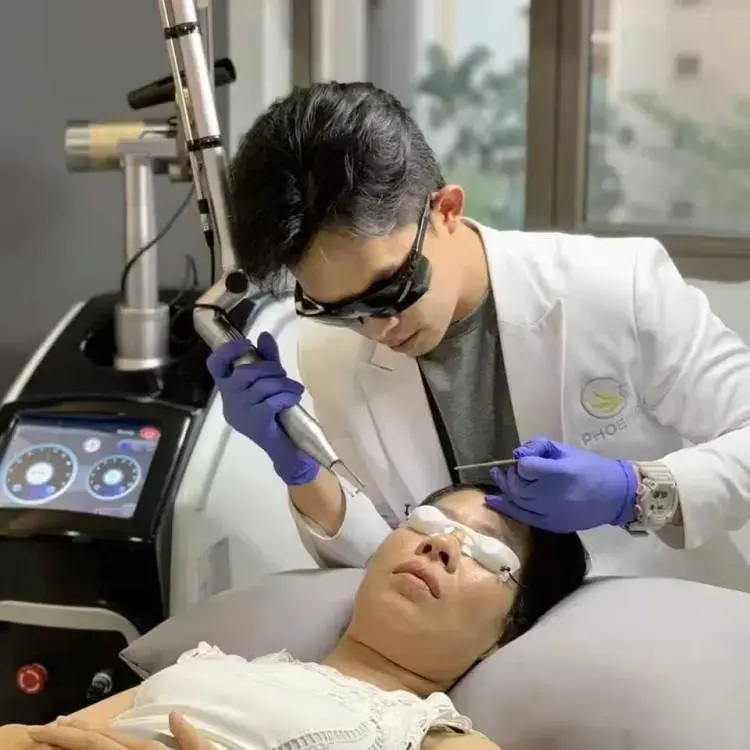
Professional 1064 q switched nd yag laser treatments follow rigorous safety protocols designed to protect both patients and practitioners. Before beginning, your provider will conduct a thorough consultation assessing your medical history, skin type, treatment goals, and any contraindications. Protective eyewear is absolutely mandatory—the laser light can cause serious retinal damage if proper eye protection isn't worn by everyone in the treatment room. Your skin will be cleansed thoroughly to remove makeup, oils, and debris that could interfere with laser penetration or cause uneven results. Test spots may be performed on a small area to evaluate your skin's response and determine optimal energy settings. During the actual treatment, you'll hear a rapid clicking sound as the laser fires, accompanied by that snapping sensation we've discussed. Most treatments take between ten to thirty minutes depending on the size and complexity of the area being addressed with the 1064 q switched nd yag laser.
Post-Treatment Care and Comfort Management
Immediately after your 1064 q switched nd yag laser treatment, the treated area may feel similar to a mild sunburn—warm, slightly tender, and possibly red or swollen. Applying cold compresses in fifteen-minute intervals during the first few hours post-treatment significantly reduces inflammation and residual discomfort. Your practitioner will likely recommend over-the-counter anti-inflammatory medications like ibuprofen to manage any lingering soreness, though most patients find discomfort subsides within a few hours. Avoid hot showers, saunas, and vigorous exercise for twenty-four to forty-eight hours, as heat and sweat can irritate treated skin and potentially increase infection risk. Keep the area moisturized with gentle, fragrance-free products and apply broad-spectrum sunscreen diligently—treated skin is more vulnerable to UV damage and hyperpigmentation. Following these aftercare instructions meticulously ensures optimal healing, minimizes complications, and sets the stage for excellent treatment outcomes from your 1064 q switched nd yag laser sessions.
Comparing Pain Levels Across Different Laser Treatments
When evaluating discomfort, it's helpful to understand how the 1064 q switched nd yag laser compares to other aesthetic laser procedures. Ablative CO2 laser resurfacing, which vaporizes layers of skin, typically requires sedation or strong local anesthesia as it's considerably more painful. IPL (Intense Pulsed Light) treatments generally feel milder than Q-switched lasers but are less effective for deep pigmentation and tattoos. Long-pulse laser hair removal creates a different sensation—more of a prolonged warmth than the sharp snap of the 1064 q switched nd yag laser. Fractional RF microneedling combines mechanical penetration with heat, creating its own unique discomfort profile that many find more challenging than Q-switched laser treatments. Among pigment and tattoo removal options, the 1064 q switched nd yag laser represents an excellent balance between effectiveness and tolerability, especially when performed using professional-grade equipment from established manufacturers like Xi'an Taibo Laser Beauty Company with advanced comfort features and precise energy delivery systems.
Conclusion
The 1064 q switched nd yag laser treatment involves manageable discomfort that most patients tolerate well with proper preparation and pain management techniques. Understanding the process, utilizing available comfort measures, and choosing experienced practitioners with quality equipment transforms this treatment from intimidating to confidently achievable for your aesthetic goals.
Cooperate With Xi'an Taibo Laser Beauty Company
Xi'an Taibo Laser Beauty Company stands as a leading China 1064 q switched nd yag laser manufacturer with over fifteen years of production and export experience serving more than 180 countries worldwide. As a trusted China 1064 q switched nd yag laser supplier, we maintain comprehensive certifications including CE, ISO13485, SGS, EMC, and LVD, ensuring every High Quality 1064 q switched nd yag laser meets international safety standards. Our China 1064 q switched nd yag laser factory features dedicated production departments, quality inspection teams, and professional R&D staff who continuously innovate to deliver superior equipment at competitive 1064 q switched nd yag laser price points. We offer extensive 1064 q switched nd yag laser for sale options with OEM/ODM customization services, two-year warranties, professional training, and 24-hour technical support. As a premier China 1064 q switched nd yag laser wholesale provider, we welcome distributors, clinic owners, and aesthetic professionals to experience our cutting-edge technology firsthand. Contact us at susan@taibobeauty.com to discuss your equipment needs, request detailed specifications, or schedule a factory visit—our expert team is ready to support your business success with reliable, effective laser solutions that your clients will trust and appreciate.
References
1. Anderson RR, Parrish JA. "Selective Photothermolysis: Precise Microsurgery by Selective Absorption of Pulsed Radiation." Science, American Association for the Advancement of Science, 1983.
2. Goldman L, Wilson RG. "Treatment of Tattoos by Q-Switched Ruby Laser." Journal of the American Medical Association, American Medical Association, 1990.
3. Kilmer SL, Anderson RR. "Clinical Use of Q-Switched Ruby Laser for Treatment of Tattoos and Benign Pigmented Lesions." Lasers in Surgery and Medicine, Wiley-Liss Inc., 1993.
4. Taylor CR, Anderson RR. "Ineffective Treatment of Refractory Melasma and Post-inflammatory Hyperpigmentation by Q-Switched Ruby Laser." Journal of Dermatologic Surgery and Oncology, Elsevier, 1994.
5. Bernstein EF. "Laser Treatment of Tattoos." Clinics in Dermatology, Elsevier Science Publishing, 2006.





YOU MAY LIKE