
Diode 808 Laser Machine for Hair Removal: Buyer's Guide
2026-04-20 09:00:19
The diode 808 laser machine is a wonderful solution for your beauty business's laser hair removal needs. An 808nm wavelength penetrates hair cells to permanently decrease hair using this cutting-edge technology. Your customers will notice after a few visits. These devices treat various skin types effectively, quickly, and cheaply, unlike prior IPL systems that use one wavelength. Knowing what constitutes a good diode laser system can revolutionize spa, dermatology, and fitness center services and profits across the US.
Introduction
Choosing the correct hair removal instruments can effect client satisfaction and business revenue. This comprehensive buyer's guide is for business-to-business procurement buyers, engineers, distributors, and OEM partners who require precise information to make smart investment decisions. When we examine why 808nm diode laser technology is the gold standard in professional hair removal, we will discuss your company's most essential technical, safety, and business benefits. This guide helps you choose equipment that satisfies high safety and performance criteria and provides measured value, whether you're replacing old equipment or establishing new services.
Understanding Diode 808 Laser Technology
The Science Behind 808nm Wavelength Performance
The optimal wavelength for hair removal is 808nm. This wavelength penetrates hair cells, and hair shaft melanin uses laser energy more efficiently. Light that converts into heat damages the hair shaft and surrounding tissue. This prevents hair growth. Because water and hemoglobin in the epidermis absorb frequency as little as possible, neighboring skin is unaffected. This photothermolysis method works effectively and is comfortable for patients.
Multi-Wavelength Systems Expand Treatment Capabilities
Modern gadgets combine 808nm with additional wavelengths for more medicinal uses. For light-colored, fine hair on the upper lip and eyebrows, where the follicles are closest to the skin, the 755nm Alexandrite wavelength absorbs melanin well. But the 1064nm YAG range reaches deeper and absorbs less melanin in the epidermis, making it safer for darker skin (Fitzpatrick IV-VI). This wavelength is good for deep hair on the head, underarms, and bikini line. Most diode systems now use all three bands. Doctors can customize therapies for each patient.
Technical Specifications That Drive Performance
A decent diode 808 laser machine system has several key features that affect therapy effectiveness. The laser power ranges from 300W to 1200W. Treatment is faster and shorter with more force. The 12x20mm spot size delivers energy precisely and covers a lot of ground. Based on treatment region sensitivity, workers can adjust the frequency from 1Hz to 10Hz to get the optimal pace and comfort. These systems use modern cooling systems with water cooling, air flow, semiconductor refrigeration, and TEC cooling to protect the skin. The cooling system offers 1–5 levels that can be adjusted depending on the client's skin sensitivity and treatment parameters. This keeps clients comfortable during high-energy treatments.
Comparing Diode 808 Laser Machines with Alternative Solutions
Performance Against IPL and Other Laser Technologies
Comparing diode 808 laser machine technology to others supports the purchase. IPL devices use broad-spectrum light instead of a concentrated laser beam. This implies the energy isn't provided accurately and requires more sessions to achieve the same outcomes. IPL technology is cheaper upfront, but longer treatment times and extra sessions can make it more expensive over time. Alexandrite lasers struggle on darker skin because the epidermis absorbs melanin. They suit lighter skin and black hair. Single-wavelength YAG systems benefit darker complexion but not lighter hair. The 808nm diode frequency bridges these gaps, making it more reliable for more clients.
Real-World Efficacy and Safety Profiles
Numerous studies have demonstrated that 808nm diode systems may remove 70–80% of hair after multiple treatments. Effects last years, not weeks. Clients normally only experience moderate pain that lasts a few hours. The built-in cooling technology reduces pain, a major concern for laser hair removal clients. Safety aspects stand out while operating on different types of skin since wavelength characteristics and cooling systems reduce burns, hyperpigmentation, and hypopigmentation hazards from previous laser technology.
Market Pricing and Value Considerations
Prices for professional diode laser tools vary a lot depending on how much power it has, how well it's built, and what features it comes with. Beginner 300W-600W systems are best for smaller clinics that treat a modest number of patients, while 800W-1200W systems are better for clinics that treat a lot of patients and need faster session times. When buying teams look at big deals and wholesale prices, they should think about the total cost of ownership, not just the purchase price. The number of shots a handle can take directly affects how much it costs to run. Good systems can take up to 20 million shots, which is a huge savings compared to flashlamp-based technologies. Reputable makers are open about how much new parts cost and how many are available. This helps you make accurate predictions about your long-term costs.
How to Choose the Best Diode 808 Laser Machine for Your Business
Aligning Equipment Capabilities with Business Requirements
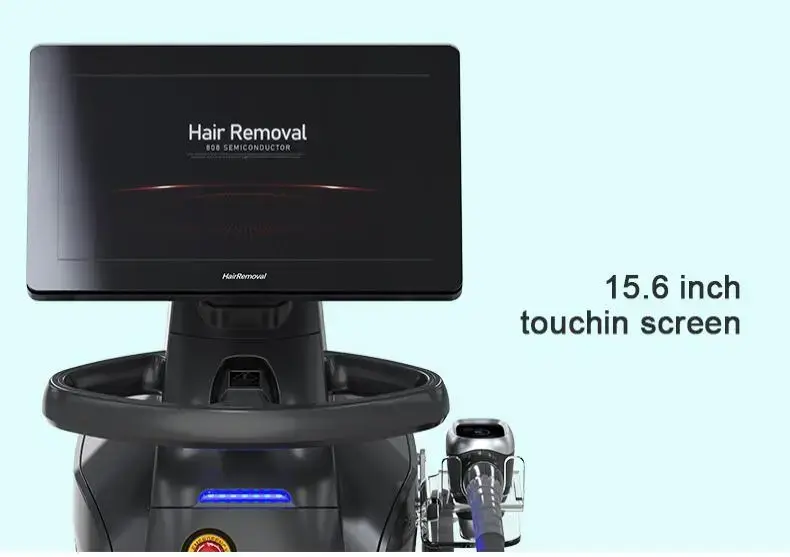
Which features are most important depends on where you work. Maximum power output (800W-1200W) helps high-volume medical spas shorten treatment times so they can have more meetings each day. Portability and making the best use of room might be more important to smaller boutique centers than raw power. Mobile practitioners need sturdy equipment that comes in protected cases and is made to be moved around a lot. Treatment variety is also important—if you serve a wide range of clients, being able to use more than one color is required, not just a choice. The 12.1-inch color touch screen should make it easy to navigate, which will cut down on the time needed to train new employees.
Essential Quality Indicators and Certifications
Before deciding to buy, serious B2B buyers check a number of quality indicators. CE certification and ISO13485 compliance show that the methods used to make the devices meet medical device standards. These licenses aren't just pieces of paper; they show that quality control is being used throughout the whole production process. Quality of the parts is very important for how long they last and how reliably they work. High-end systems have laser bars made in the United States, fans made in Italy, cooling plates made in Japan, and power sources made in Taiwan. These parts from well-known manufacturers usually last years longer than cheap ones. makers with a good reputation will give a two-year warranty. This is a good way to protect your purchase, but make sure you know what the warranty really covers. For example, some makers don't cover wearable parts or only certain types of failure.
Evaluating Manufacturers and Distribution Partners
Choosing the right supplier partnership is often just as important as getting the right tools. Long-term help can be better from established makers with their own plants and R&D teams than from trading companies or resellers. Look for providers that have a lot of experience exporting. Companies that do business with other countries tend to have higher quality standards and a better understanding of how to follow the rules in different areas. Having a direct connection with a plant can often lead to better prices and more customization options for practices that need to meet specific branding or functional needs. Check to see if possible suppliers have local service networks or approved distributors in your area. This will have a big impact on how quickly repair can be done and how easily parts can be found.
Maintenance, Safety, and Optimal Usage Tips
Routine Maintenance Protocols
Consistent repair habits are needed to make tools last longer. As part of the daily routine, the treatment handpiece is cleaned and the cooling system is checked to make sure it works. Every week, the water quality in cooling systems should be checked, and the security of electrical lines should be checked. Every month, maintenance checks the accuracy of the measurements and looks at the shot counters to figure out when to replace consumables. A lot of new systems have self-diagnosis features that let workers know about possible problems before they stop treatment. Keeping thorough records of maintenance helps find trends and backs up warranty claims if problems happen. Manufacturers usually give specific repair plans. Sticking to these schedules stops equipment from wearing out too quickly and makes sure it works at its best throughout its lifetime.
Built-In Safety Features and Protocols
Modern diode 808 laser machine systems have many safety features to keep both users and clients safe. Key switch settings and emergency stop buttons let you turn off the machine right away if something goes wrong during treatment. Smart energy control systems keep tissues from getting too much fluence by mistake, which could hurt them. The multistage cooling system constantly checks the skin's temperature and changes the settings immediately if values go above safe limits. Some more modern units have motion sensors that stop the laser from shining if the handpiece comes off the skin. This keeps the user from being accidentally exposed. In addition to proper user training, these automated safety features are also important because even the best equipment needs staff who know when to change settings based on the needs of each client.
Operator Training and Certification Standards
The operator's skill has a lot to do with how safe and useful the equipment is. In-depth training programs should cover the biological processes by which lasers affect tissue, how to choose the right parameters for different hair and skin kinds, how to properly measure clients, and what to do in an emergency. Manufacturers with a good reputation offer thorough training materials, teaching videos, and often training lessons that can be done in person or over the phone. Staff members are kept up to date on new treatment methods and better ways to do things by continuing their education. In many places, operating a laser requires special permits or licenses. Check your area's rules and make sure your team keeps the right credentials. Keeping proof that you've completed the training is also an important way to protect your business from harm.
Procurement and After-Sales Considerations
Identifying Reliable Sourcing Channels
Careful outlet selection is needed when buying medical aesthetic tools as a business to business (B2B). Getting in touch directly with manufacturers is often the best way to get the best prices, customization choices, and expert help. Before doing business with a wholesaler, make sure they are an official agent with a valid supply agreement and not a gray-market reseller. Most of the time, authorized dealers offer better warranty support and easier access to original substitute parts. The market for used equipment has good deals, but it also comes with a lot of risks. Systems that have been used before may have damage that hasn't been reported, worn-out parts that need to be replaced soon, or limited guarantee coverage left. When looking at used tools, keeping records of past maintenance is very important.
International Logistics and Delivery Management
Buying tools across international borders is more complicated than buying things in your own country. Professional makers who have shipped goods internationally before know what paperwork is needed, how to properly package items, and how to work with freight forwarders. Specialized aluminum metal boxes with custom foam inserts keep fragile electronic and optical parts safe while they're being shipped. There are different types of shipping with different speeds and costs, such as ocean freight, train, air freight, and express companies like DHL and FedEx. While air shipping gets goods to its destination faster, it costs more. Ocean freight, on the other hand, has cheaper rates for large orders but takes longer to deliver. Reliable providers take care of the customs paperwork and give tracking information so that you can keep an eye on the delivery.
Payment Flexibility and Financial Planning
Payment plans that are easy to change are good for big purchases of tools. A lot of providers let buyers choose from a number of payment methods, such as bank transfers, credit cards, Western Union, and PayPal. This way, buyers can pick the one that works best for their accounting systems. Some makers or their lending partners offer leasing plans that let you spread out costs over time and keep your cash on hand for other business needs. Bulk purchase savings are good for clinics that are growing or wholesalers who are making bigger orders. When figuring out the total investment, you should think about how much it will cost to replace things, keep them in good shape, and find ways to improve. Modern flexible designs sometimes let you add new features, like longer bands or more up-to-date cooling systems, without having to replace the whole machine.
OEM and Customization Opportunities
OEM services from well-known manufacturers can help businesses build their own brands. Customization options include naming the equipment's housings and user interfaces, picking colors that match the clinic's style, modifying retail packaging, and changing the interface displays' language. These options provide business consistency across all services. Xi'an Taibo Laser Beauty Company, which has exported to over 180 countries for 15 years, offers full OEM/ODM services to help partners create brand-appropriate equipment. These collaborations are ideal for distributors serving local markets or chains who want to standardize their tools.
Conclusion
Buying a diode 808 laser machine is a long-term investment that will have an effect on your work for many years. The 808nm wavelength technology reliably removes hair from a wide range of clients, and improved cooling systems and safety features make sure that treatments are easy and low-risk. When comparing choices, look at more than just price. Look at the quality of the equipment, how well the warranty covers everything, and the name of the maker. The right provider relationship gives you more than just tools. They also give you ongoing technical support, training materials, and real new parts that keep your investment safe. By carefully considering your business's needs, checking certifications, and choosing makers with a track record of success in other countries, you can set up your practice to provide exceptional results that keep clients coming back and generate long-term income growth.
FAQ
1. How does the diode 808 laser machine perform on different skin types?
The 808nm wavelength works well on many kinds of skin, even darker skin tones (Fitzpatrick III-VI), which were hard for past laser technologies to work on. The frequency goes deep enough to reach the hair shafts while keeping melanin absorption in the epidermis to a minimum. This lowers the risk of burns or changes in skin color. Systems that use both 808nm and 1064nm YAG bands give people with darker skin even more safety gaps. The built-in cooling systems protect the skin even more while energy is being delivered. Clinical tests show that properly adjusted diode systems can safely and successfully treat hair across the whole Fitzpatrick scale as long as the operators change the parameters to fit the needs of each client.
2. What warranty and after-sales support should I expect?
Good makers usually offer two-year warranties that cover flaws in the equipment and parts that break down for reasons other than the user. During the covering time, comprehensive warranties cover free replacement parts. Check out the manufacturer's support system, including how quickly they respond to technical questions, how easy it is to get new parts, how easy it is to access training materials and videos, and how easy it is to fix problems. The best providers have help lines that are open 24 hours a day and offer online diagnostic services. Companies like Taibo Laser offer help in multiple languages, full video training, and even on-site installation for large orders, so your team will be able to use the equipment with confidence right away.
Partner with Taibo Laser for Your Diode 808 Laser Machine Investment
This is the end of your search for a dependable diode 808 laser machine supplier. Taibo Laser Beauty Company has been making specialized products for 15 years, is ISO13485 and CE certification certified, and has a track record of exporting successfully to more than 180 countries. Our systems come with laser bars made in the United States, multi-stage cooling technology, and power choices ranging from 300W to 1200W. They also come with full two-year warranties. We offer full support, including in-depth training, OEM/ODM services, and a variety of payment choices that work well for foreign business-to-business transactions. Contact susan@taibobeauty.com right away to talk about your unique needs, get information about the tools, or set up a trial. Our team offers low prices on large orders and guides you through every step of foreign shipping to make sure you can easily get the tools you need for your growing business.
References
1. Anderson, R. R., & Parrish, J. A. (1983). "Selective Photothermolysis: Precise Microsurgery by Selective Absorption of Pulsed Radiation." Science, 220(4596), 524-527.
2. Goldberg, D. J. (2012). Laser Hair Removal: A Practical Guide for Clinicians. New York: Informa Healthcare.
3. Haedersdal, M., Beerwerth, F., & Nash, J. F. (2011). "Laser and Intense Pulsed Light Hair Removal Technologies: From Professional to Home Use." British Journal of Dermatology, 165(3), 31-36.
4. Lanigan, S. W. (2003). "Management of Unwanted Hair in Women." Clinical and Experimental Dermatology, 28(4), 388-395.
5. Ross, E. V., Ladin, Z., Kreindel, M., & Dierickx, C. (1999). "Theoretical Considerations in Laser Hair Removal." Dermatologic Clinics, 17(2), 333-355.
6. Town, G., Ash, C., Eadie, E., & Moseley, H. (2007). "Measuring Key Parameters of Intense Pulsed Light (IPL) Devices." Journal of Cosmetic and Laser Therapy, 9(3), 148-160.





YOU MAY LIKE