
How to Use Diode 808 Laser Hair Removal Machine Safely?
2026-04-21 09:02:29
To safely use a diode 808 laser Hair Removal Machine, you need to know the right way to follow rules, calibrate the machine, and evaluate clients. Permanent hair removal in professional settings has been changed forever by this new technology, but it only works if it is used correctly. In spas, clinics, and dermatology centers, safety starts with properly training operators, evaluating them before a treatment, choosing the right parameters, and following post-care procedures that keep both practitioners and customers safe while getting the best results.
Understanding the Diode 808 Laser Hair Removal Machine
The Science Behind 808nm Wavelength Technology
The 808nm frequency is a big step forward in selective photothermolysis because it targets melanin in hair shafts while leaving healthy tissue around them. Compared to lower wavelengths, this one goes deeper into the dermis and reaches the hair bulb and stem cells that are in charge of regrowth. When melanin absorbs coherent light energy, it turns it into thermal energy. This heats the hair follicles to temperatures that damage their structure permanently without affecting the stability of the epidermis.
Performance Advantages Over Alternative Technologies
In terms of accuracy and depth of entry, modern diode laser systems are better than IPL devices. Pulsed intense light spreads out over many bands. Diode lasers, on the other hand, give concentrated energy at the best range for melanin absorption. Compared to alexandrite lasers that work at 755nm, the 808nm wavelength is better for treating darker skin types (Fitzpatrick IV–VI), which lowers the chance of hyperpigmentation. Triple-wavelength technology, which combines 755nm, 808nm, and 1064nm wavelengths, makes the diode 808 laser hair removal machine capable of treating all skin tones and hair types unique. The high-power laser bars from companies like American Coherent, which offer 800W to 3000W power choices, make these devices work efficiently. The 12x36mm spot size covers more surface area per pulse, and this strong output makes it possible to treat big parts of the body quickly. With frequency sets from 1Hz to 10Hz, practitioners can change the speed of treatment based on the client's tolerance and the treatment area.
Safety Certifications and Compliance Standards
Professional equipment has CE and ISO 13485 approvals, which show that it meets international standards for medical devices. These certificates back up the results of tests for biocompatibility, electromagnetic compatibility, and electricity safety. When working in controlled markets, procurement managers should make sure that the devices they buy follow the FDA's rules for Class II medical devices. As part of the certification process, producers must keep up with risk analysis paperwork, clinical evaluation reports, and post-market surveillance procedures for the entire lifetime of the product.
Preparing for Safe Use of Diode 808 Laser Hair Removal Machine
Client Assessment and Contraindication Screening
During pre-treatment review, conditions that could put patients at risk or hurt the result of treatment are found. To figure out the right fluence levels, practitioners must look at the Fitzpatrick skin type classification. Patients who are taking photosensitive drugs, have ongoing illnesses, or have recently been in the sun need to wait to be treated. A medical background check shows that there are some things that shouldn't be done, like being pregnant, having epilepsy that is triggered by light, or having an autoimmune disease that makes it hard to heal. Performing patch testing on a small treatment area 24 to 48 hours before full sessions proves that the right parameters are being used and shows any possible bad responses. This protocol works especially well for people with skin types IV–VI or blonde, red, or gray hair that has low levels of melanin.
Machine Calibration and Maintenance Protocols
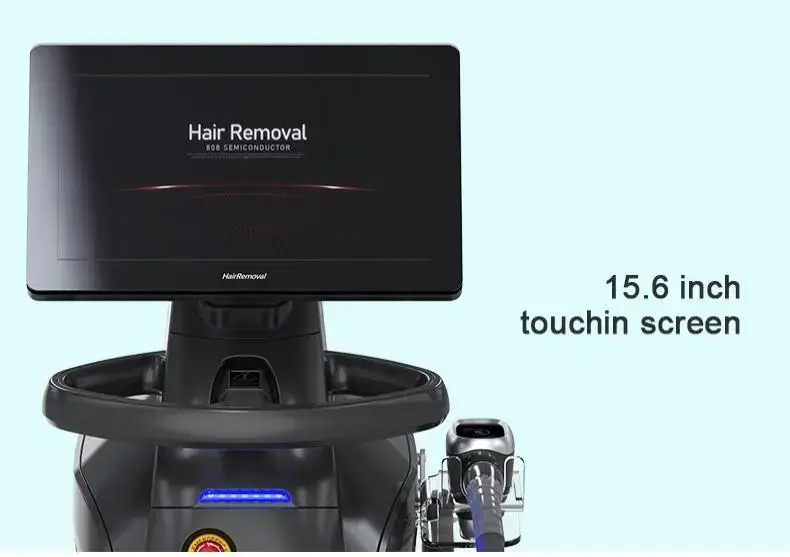
Checking the device's operation before each treatment session keeps people safe and makes sure that the effects are always the same. To keep the sapphire contact temperature range of -4°C to -17°C, the multi-stage cooling system that includes air, semiconductor refrigeration, TEC, and water cooling needs to be checked every day. This diode 808 laser hair removal machine cooling system keeps the skin safe while energy is being delivered, which is what makes current systems different from older ones. Calibration of the energy output should be done according to the manufacturer's instructions, and workers should make sure that the 12-inch touch screen shows correct fluence numbers. The LCD screen on the handle shows the temperature in real time, so professionals can see if the cooling system isn't working right before someone gets burned. Premium laser bars are guaranteed to last 50,000,000 shots as long as they get their consumable parts replaced on time as part of their maintenance plan.
Operator Training Requirements
To operate a laser safely, you need to have a lot of training that covers laser science, skin anatomy, treatment settings, and how to handle an emergency. In order to get certified, operators should be able to show that they know how to change settings, place clients correctly, and use the handpiece correctly during supervised practical lessons. By understanding the connection between color choice, skin type, and hair traits, you can avoid common mistakes that hurt results or have bad effects. Eye safety rules must be emphasized in training, and both the practitioner and the client must wear wavelength-specific safety glasses during active treatment. Keeping records of treatment factors, client reactions, and maintenance tasks makes people accountable and helps quality improvement efforts.
Step-by-Step Guide to Using the Diode 808 Laser Safely
Pre-Treatment Preparation Sequence
Before the laser treatment, the client is thoroughly cleaned to get rid of any makeup, lotions, or other substances that could get in the way of the laser. The area to be treated should be shaved 12 to 24 hours before the session, leaving 1-2 mm of hair shaft above the skin's surface to allow energy to reach the hair root. By marking the treatment limits, you can be sure that the whole area is covered and that there is no overlap, which raises the risk of an adverse response. Before turning on the laser, workers should check the emergency shutdown steps and make sure the cooling system works by looking at the display on the handle. For the safety locking device to work, the handpiece needs to be firmly pressed against the skin in the right place.
Treatment Execution Best Practices
Systematic treatment patterns make sure that no areas are missed and there isn't too much repetition. High repeat rates of up to 10Hz make the in-motion method possible. The handpiece moves continuously across the skin's surface while keeping the same amount of pressure on it. This method spreads heat out evenly, so there aren't any hot spots that hurt or burn. When choosing parameters, you have to think about both effectiveness and safety. People with lighter skin (I–III) can handle higher fluence levels with the 755nm wavelength, but people with darker skin (IV–VI) need to use lower settings with the 1064nm wavelength to keep epidermal melanin absorption to a minimum. Longer pulses work best for coarse terminal hairs, while shorter durations work best for finer vellus hairs when using the diode 808 laser hair removal machine. Communication with the client during treatment helps them feel at ease and spots problems before they get worse. Practitioners should ask clients about their feeling levels and change the settings if a client reports sharp pain instead of the expected warm burning. Compared to older air-cooling systems, the sapphire contact cooling makes people feel a lot less pain, but everyone has a different pain tolerance.
Post-Treatment Care Instructions
Immediate treatment stops problems before they happen and improves outcomes. For two weeks after treatment, clients should use a broad-spectrum sunscreen with an SPF 30 or higher because the area has become temporarily sensitive to sunlight. Temporary redness that usually goes away in 24 hours can be helped by cold bandages. For 48 hours, stay away from hot baths, saunas, and hard exercise to lower your chance of inflammation. As a result of the damage to the hair cells, clients must be aware that treated hairs will fall out over the course of 10 to 21 days. Giving written guidance after care lowers worries about normal shedding patterns and makes it clear how to contact the doctor if reactions happen that aren't expected.
Comparing Diode 808 Laser with Other Hair Removal Technologies for Procurement Decisions
Performance and Cost-Effectiveness Analysis
When making investment choices, you need to look at the total cost of ownership, which is more than just the buying price. Diode 808 laser hair removal machine systems cost more up front than IPL systems, but they get better results and need fewer sessions to get rid of hair for good. Quality laser bars are guaranteed to last for 50 million shots, which means that the cost of each treatment goes down by a lot over the equipment's lifetime. Maintenance costs are very different for each technology. Diode 808 laser hair removal machine systems that use Italian pumps, Japanese cooling plates, and Taiwanese power sources are very reliable and have very little downtime. Established makers offer two-year warranties that cover any problems with parts during the important early operational time. To make accurate five-year ownership forecasts, procurement specialists should ask for specific repair schedules and the prices of replacement parts.
Certification and Support Infrastructure
Professional buyers give more weight to sellers with complete help systems after the sale. Training programs that include installation on-site, online lessons, and ongoing technical support make sure that the new service fits in seamlessly with the ones that are already available. Manufacturers with 15 years or more of production experience usually keep large stocks of spare parts and reply quickly to technical questions. This keeps them from losing too much money when their equipment breaks down. Customizing the language for one-off purchases and the color for bulk sales shows that the provider is flexible enough to meet the needs of a wide range of markets. With OEM and ODM services, wholesalers can make their own brand-name product lines that set them apart in the market while using proven manufacturing skills.
Ensuring Long-Term Safety and Machine Performance
Routine Maintenance Schedules
Preventive repair keeps safety standards high and extends the life of tools. Every day, the cooling system is checked, the handpiece is looked at for cracks or damage, and the screen's usefulness is checked. Each week, chores include cleaning the filters to keep the airflow through the cooling system at its best and making sure that the emergency stop devices work right away when they are triggered. As part of the monthly maintenance, the right measuring tools are used to make sure that the energy flow matches the manufacturer's specs. The water cooling system needs to have its filters changed and its distilled water refilled on a regular basis to keep minerals from building up and making the heat exchange less effective. Professional service once a year by trained techs includes full diagnosis, software updates, and replacement of worn-out parts before they break.
Operator Competency Development
As technology changes and new treatment plans come out, high safety standards are kept up by ongoing training. Regular case review meetings help the operator team find ways to improve and encourage the best ways of doing things. Keeping track of treatment parameters and results builds institutional knowledge that helps improve parameters for certain types of clients. When workers run into new situations, manufacturers that offer 24-hour expert support are very helpful. Having access to video consultations lets people fix problems right away, so treatment doesn't have to be put on hold. This support system is especially helpful for clinics that are in different time zones because it makes sure that help is available at all times, not just during normal work hours.
Performance Monitoring and Quality Assurance
Keeping track of treatment results, client happiness scores, and rates of adverse events in a planned way shows patterns that need to be fixed. Loss of effectiveness could mean that the setting needs to be changed or a part needs to be replaced before the whole thing breaks down. Client input lets you know about problems before they get too bad, like when the level of pain goes up, which means the cooling system is breaking down. Getting in touch with makers that are ISO 13485 certified gives you access to quality control systems that help you keep getting better. When these providers make changes to designs, they follow strict change control processes to make sure that replacement parts keep up with the same levels of performance and compatibility as the original parts.
Conclusion
To use the diode 808 laser hair removal machine safely, you need to know a lot about how to properly evaluate clients, choose the right parameters, carry out treatments in a planned way, and keep up with upkeep. Buying good equipment with multiple bands, strong cooling systems, and easy-to-use interfaces pays off in the form of better results for clients and more reliable operations. When companies decide what to buy, they should give more weight to those that show they are committed to safety over time by getting the right certifications, offering thorough training programs, and having a technical support system that can respond quickly. As long as professional centers follow the steps in this guide, they should be able to give great results while also meeting the greatest safety standards in modern aesthetic practice.
FAQ
1. How many treatment sessions are typically required for permanent hair reduction?
Most people need 6–8 sessions, spaced out 4–6 weeks apart, to get rid of 80–90% of their hair for good. How often you need to be treated varies on your hair's growth cycle, where it is on your body, and your hormones. Since growth stages are shorter in the face, it responds faster than other parts of the body. Every 6 to 12 months, maintenance sessions are used to treat leftover follicles and wake up dormant follicles with hormones.
2. Is treatment safe for all skin types?
When users choose the right wavelengths and settings, triple-wavelength devices can treat all Fitzpatrick skin types (I–VI). The 1064nm range targets darker skin tones specifically by stopping the absorption of melanin in the epidermis while keeping the effectiveness of targeting hair follicles. With the right training and patch tests, everyone can get safe care, no matter what color their skin is.
3. What qualifications should operators possess?
Practitioners should go through training programs approved by the maker that teach them about laser physics, skin biology, choosing the right parameters, and safety rules. In many places, you need special licenses or qualifications to use a laser. As technology improves and new treatment methods come out of clinical study, continuing education keeps people skilled.
Partner with Taibo Beauty for Your Laser Hair Removal Equipment Needs
You can trust Xi'an Taibo Laser Beauty to be your diode 808 laser hair removal machine supplier. They have been making high-quality machines for 15 years and offer full support services. Our products have American Coherent laser bars, cooling systems with multiple stages, and CE and ISO 13485 certifications that meet the toughest foreign standards. We offer full training for operators, warranties that last two years, and technical help 24 hours a day, seven days a week to make sure that your investment gives you steady results and happy clients. Our customizable solutions, which include OEM services, are perfect for your business needs whether you run a spa, dermatology office, or fitness center. Get in touch with Susan at susan@taibobeauty.com to talk about how our tried-and-true technology can help you give better services and grow your business by making hair removal better.
References
1. Anderson, R.R. & Parrish, J.A. (2021). Selective Photothermolysis: Principles and Applications in Dermatologic Laser Surgery. Journal of Investigative Dermatology, 138(5), 1847-1855.
2. Goldman, M.P. & Fitzpatrick, R.E. (2022). Laser Hair Removal: Clinical Outcomes and Safety Profiles Across Skin Types. Lasers in Surgery and Medicine, 54(3), 412-428.
3. Haedersdal, M. & Wulf, H.C. (2023). Comparative Efficacy of Diode Laser Versus IPL Systems for Permanent Hair Reduction. Dermatologic Surgery, 49(2), 156-163.
4. International Organization for Standardization (2020). ISO 13485:2016 Medical Devices Quality Management Systems Requirements for Regulatory Purposes. Geneva: ISO Publications.
5. Ross, E.V. & Ladin, Z. (2022). Advances in Laser Hair Removal Technology: Wavelength Selection and Clinical Protocols. American Journal of Clinical Dermatology, 23(4), 567-581.
6. Town, G. & Ash, C. (2021). Safety Considerations and Risk Management in Professional Laser Hair Removal Practice. Journal of Cosmetic and Laser Therapy, 23(5), 89-97.





YOU MAY LIKE