
Best Fractional CO2 Laser Device for Scar Revision — fractional co2 laser device
2025-12-05 09:02:20
Imagine investing in laser equipment that promises scar revision results, only to find it lacks the precision, power, or versatility your clients need. For aesthetic clinics and medical spas worldwide, choosing the right fractional co2 laser device is not just about technology—it's about delivering transformative results that build client trust and grow your business. This comprehensive guide reveals what makes a fractional CO2 laser system truly exceptional for scar revision treatments, from technical specifications to real-world performance factors that separate professional-grade devices from inadequate alternatives.
Understanding Fractional CO2 Laser Technology for Scar Treatment
Fractional CO2 laser technology has revolutionized the approach to scar revision in aesthetic medicine. Unlike traditional fully ablative lasers that remove entire layers of skin, a fractional co2 laser device creates microscopic treatment zones called microthermal columns. These columns penetrate deep into the dermis at a wavelength of 10,600 nanometers, which is optimally absorbed by water molecules in skin tissue. The surrounding untreated skin remains intact, serving as a reservoir for rapid healing and tissue regeneration. This fractional approach allows practitioners to achieve dramatic scar improvement while significantly reducing downtime and minimizing the risk of complications such as prolonged erythema or hyperpigmentation. The mechanism behind fractional CO2 laser scar revision involves controlled thermal injury that triggers the body's natural wound healing cascade. When the laser energy vaporizes microscopic columns of tissue at scar sites, it immediately initiates a complex biological response. Fibroblasts migrate to the treatment area and begin producing fresh collagen and elastin fibers. Over subsequent weeks and months, this new collagen remodels and contracts, gradually filling in atrophic scars, softening raised hypertrophic tissue, and improving overall skin texture. The treatment is particularly effective for acne scars, surgical scars, traumatic scars, and stretch marks. Professional fractional co2 laser device systems offer adjustable parameters including energy density, spot size, and pulse duration, allowing practitioners to customize treatments based on scar type, depth, and patient skin characteristics.
Key Features of Professional-Grade Fractional CO2 Laser Devices
When evaluating the best fractional co2 laser device for scar revision, several technical specifications determine treatment efficacy and versatility. Professional systems should offer a metal tube solid-state laser that delivers consistent power output ranging from one to forty watts or higher. This power range enables practitioners to treat various scar types from superficial acne scarring to deep surgical and traumatic scars. The laser wavelength must be precisely calibrated at 10,600 nanometers to ensure optimal water absorption in tissue. Variable output modes are essential, including dot matrix mode for fractional resurfacing, pulse mode with both long pulse and ultra pulse options for different tissue responses, and specialized modes for intimate treatments when your practice offers comprehensive aesthetic services. Advanced fractional co2 laser device systems incorporate sophisticated cooling mechanisms to protect the epidermis and enhance patient comfort during treatment. Water cooling systems are superior to air cooling for maintaining consistent temperature control throughout extended procedures. The light guide system quality significantly impacts treatment precision—look for devices with seven-joint articulated arms that allow smooth movement and accurate targeting of treatment areas. A high-quality indicating light at 635 nanometers wavelength helps practitioners visualize the treatment field. Modern devices feature intuitive touch screen interfaces, typically ten inches or larger, that display all treatment parameters clearly. The spot size should be adjustable to at least 0.1 millimeters for focused treatment precision. Perhaps most importantly, reputable fractional co2 laser device manufacturers provide comprehensive warranties, with two years being the industry standard, and maintain certification through CE and ISO 13485 standards to guarantee safety and quality compliance.
Multiple Treatment Heads for Comprehensive Scar Management
The versatility of a fractional co2 laser device extends beyond the core technology to include specialized treatment heads designed for different clinical applications. A scanner head is fundamental for general skin resurfacing, wrinkle removal, and scar revision procedures. This applicator can typically be programmed to deliver various scan shapes including ellipse, rectangle, triangle, hexagon, round, and even custom graphics. This shape flexibility allows practitioners to precisely target irregular scar patterns without treating unnecessary surrounding tissue. For surgical applications and precise excision work such as skin tag removal, a cutting surgery head provides focused ablative power in continuous, single pulse, and repeat modes. Comprehensive fractional co2 laser device systems increasingly offer specialized heads for intimate wellness treatments, recognizing the growing demand in aesthetic medicine for vaginal rejuvenation and vulvar treatments. These may include forty-five degree and three hundred sixty degree vaginal heads specifically designed for vaginal tightening procedures, plus vulvar bleaching applicators. This multi-functionality transforms a scar revision device into a versatile platform that can address multiple patient concerns, improving practice profitability and treatment offerings. When selecting your fractional co2 laser device, consider not only your current treatment focus but also potential future applications that could expand your service menu and attract diverse patient populations.
Technical Parameters That Deliver Superior Scar Revision Results
The treatment efficacy of any fractional co2 laser device fundamentally depends on how precisely you can control and adjust key parameters. Energy settings should be widely adjustable, with professional systems offering up to forty watts of actual output power. This allows gentle treatments for delicate areas or aggressive resurfacing for stubborn deep scars. The ability to switch between dot matrix mode and various pulse modes gives practitioners flexibility to address different scar types in a single session. For instance, shallow rolling acne scars respond well to lower energy dot matrix patterns that stimulate collagen without excessive ablation, while deep boxcar or ice pick scars may require focused high-energy pulses to break down fibrotic tissue. Cooling integration is not merely a comfort feature but a critical safety component of any professional fractional co2 laser device. Effective cooling protects the epidermis from excessive thermal damage, reduces pain perception during treatment, and minimizes post-treatment complications including blistering and prolonged erythema. The packaging and portability of the device also matter for practice logistics. Professional systems typically measure approximately seventy-seven by sixty-four by one hundred thirty-one centimeters and weigh around one hundred thirty kilograms, requiring dedicated space and potentially reinforced flooring. Understanding these specifications helps you prepare your treatment room appropriately before equipment arrives. Modern fractional co2 laser device platforms also include comprehensive software that tracks treatment parameters, stores patient protocols, and maintains service records for quality assurance and regulatory compliance.
Clinical Applications and Treatment Protocols
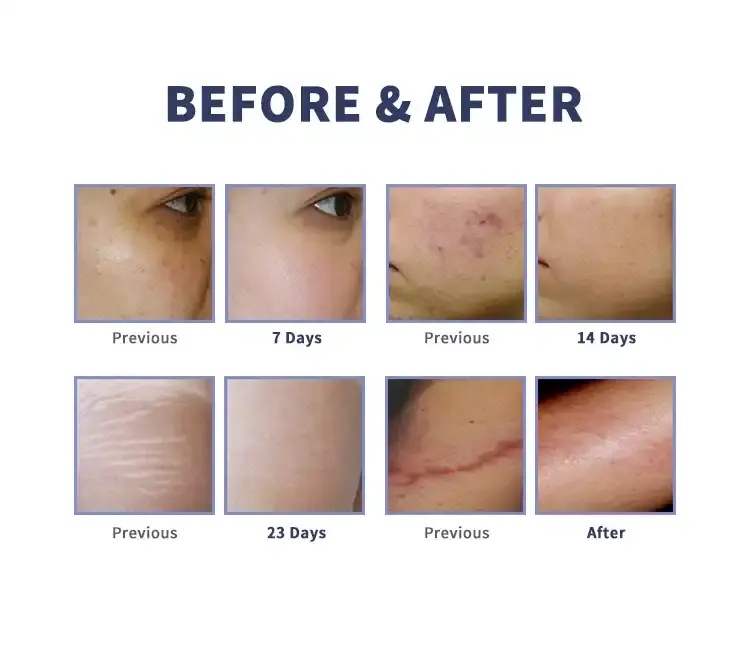
A versatile fractional co2 laser device addresses numerous aesthetic concerns beyond basic scar revision. The technology excels at removing acne scars, acne marks, and general scarring from various causes. Treatment depth and pattern density can be adjusted to match the specific scar morphology, whether treating shallow rolling scars, deeper boxcar depressions, or narrow ice pick scars. For aging concerns, the fractional co2 laser device effectively reduces wrinkles around the eyes including crow's feet, forehead lines, and wrinkles caused by volume loss and dehydration. The laser's ability to stimulate deep dermal collagen makes it particularly effective for addressing photodamage, fine lines, and loss of skin elasticity that occur with natural aging. Pigmentation concerns also respond well to fractional CO2 laser treatment. The device can address freckles, melasma, nevus zygomaticus, and various spots formed by hyperchromic pathological changes. By removing damaged superficial tissue and stimulating cellular turnover, the fractional co2 laser device promotes more even skin tone and reduced pigmentation irregularities. The skin tightening and lifting effects occur as new collagen fibers contract during the remodeling phase, creating subtle but noticeable improvement in facial contours and jawline definition. For body concerns, fractional co2 laser device treatment can reduce the appearance of stretch marks including striae gravidarum and improve the texture of deep scars anywhere on the body. These versatile applications make the fractional co2 laser device a cornerstone technology for comprehensive aesthetic practices seeking to offer evidence-based, effective treatments for their most challenging patient concerns.
Scar-Specific Treatment Strategies
Different scar types require distinct treatment approaches with your fractional co2 laser device. Atrophic acne scars, which appear as depressions or pitting in the skin, benefit from fractional ablation that removes the scar base and stimulates collagen production to fill in the depressions over time. Multiple treatment sessions spaced four to six weeks apart typically deliver optimal results, with each session using progressively more aggressive parameters as the skin builds tolerance. Hypertrophic scars and keloids, which are raised above the surrounding skin, respond to fractional CO2 treatment through controlled destruction of excessive collagen bundles and stimulation of more organized collagen remodeling. However, these scar types often require combined approaches including intralesional corticosteroid injections alongside laser treatment. Surgical scars benefit significantly from early intervention with a fractional co2 laser device. Research demonstrates that treating surgical incisions within the first month after surgery can improve healing outcomes and reduce final scar formation compared to waiting for scars to fully mature. For traumatic scars resulting from accidents or injuries, the fractional co2 laser device can address irregular texture, discoloration, and contracted tissue that may limit movement or cause discomfort. Treatment planning should assess scar depth, width, texture, color, and any tethering or distortion of surrounding tissue. The best fractional co2 laser device systems allow practitioners to create comprehensive treatment protocols that combine different scan patterns, energy levels, and treatment heads in strategic sequences to address all aspects of complex scarring in a single session or across multiple optimized treatments.
Choosing a Reliable Manufacturer and Supplier
Selecting the right fractional co2 laser device extends beyond technical specifications to include crucial considerations about manufacturer reputation, support services, and long-term partnership potential. When searching for a China fractional co2 laser device factory, prioritize manufacturers with extensive experience in laser technology development and production. Established companies with fifteen or more years in the industry have refined their engineering, quality control, and customer support systems through thousands of device deployments worldwide. A credible China fractional co2 laser device supplier should demonstrate export experience to more than one hundred countries, indicating their products meet diverse international safety standards and regulatory requirements. Manufacturing infrastructure reveals much about a supplier's capability and reliability. Look for China fractional co2 laser device manufacturers that maintain dedicated production departments, separate procurement and warehouse management systems, rigorous quality inspection protocols, and professional packaging teams. This organizational structure ensures consistent product quality and timely delivery. Research and development capabilities are equally important—manufacturers that continuously release new equipment designs and technological innovations demonstrate commitment to staying current with evolving aesthetic medicine trends. When evaluating potential China fractional co2 laser device wholesale partners, request detailed information about their OEM and ODM services. Customization capabilities allow you to brand devices with your practice name or specifications, differentiate your service offerings, and build brand recognition in your market.
Certification and Compliance Standards
The best fractional co2 laser device manufacturers maintain comprehensive certification portfolios that guarantee safety, quality, and regulatory compliance. CE certification is essential for selling medical devices in European markets and demonstrates conformity with health, safety, and environmental protection standards. ISO 13485 certification specifically addresses medical device quality management systems, ensuring manufacturers maintain rigorous controls throughout design, production, and distribution processes. High quality fractional co2 laser device suppliers should also possess EMC electromagnetic compatibility and LVD low voltage directive certifications, plus authentication through systems like Hague certification for international document verification. For practices in the United States, FDA approval status is particularly important. While many international fractional co2 laser device manufacturers currently hold pending FDA applications, established suppliers actively pursuing this certification demonstrate serious commitment to the North American market. Beyond regulatory certifications, examine whether manufacturers hold appearance patents for their device designs and have documentation of independent safety testing. These certifications collectively ensure that when you invest in a fractional co2 laser device for sale, you receive a reliable medical device that complies with international standards, protects patient safety, and meets legal requirements for operation in your jurisdiction. Request copies of all relevant certifications before finalizing any equipment purchase, and verify their authenticity through the issuing organizations.
Investment Considerations and Pricing Factors
Understanding fractional co2 laser device price structures helps practices make informed investment decisions that balance initial costs with long-term value. Professional-grade systems typically represent significant capital investments, with pricing influenced by multiple factors including laser power output, number of included treatment heads, software sophistication, warranty coverage, and manufacturer support services. Entry-level fractional co2 laser device for sale options may offer basic functionality at lower price points but often lack the power, versatility, and durability required for high-volume aesthetic practices. Mid-range and premium systems provide superior build quality, more treatment options, comprehensive training, and extensive warranty protection that justify higher initial investments through better patient outcomes and longer equipment lifespan. When evaluating fractional co2 laser device price proposals, look beyond the base equipment cost to understand total ownership expenses. Factor in shipping costs, import duties, installation fees, and required accessories or consumables. Comprehensive training is invaluable—manufacturers that provide detailed instruction manuals, video tutorials, and live training sessions via video calls help your team achieve clinical competency faster. On-site training for bulk equipment purchases ensures all practitioners can safely and effectively operate the device. Extended warranty coverage, ideally two years or more, protects your investment against manufacturing defects and component failures. Technical support availability is crucial—twenty-four hour online service ensures you can resolve issues promptly and minimize treatment interruptions. Some manufacturers offer language customization for software interfaces and color customization for device housings, particularly valuable for branded aesthetic clinics or practices serving specific demographic markets.
Calculating Return on Investment
A fractional co2 laser device becomes profitable when treatment revenue exceeds equipment costs, operating expenses, and allocated overhead within a reasonable timeframe. Calculate potential return on investment by estimating treatment volume, pricing structure, and competitive positioning. Scar revision treatments typically command premium pricing due to their transformative results and technical complexity. If your practice performs twenty fractional CO2 scar revision treatments monthly at an average price point that covers consumables, staff time, and allocated overhead, calculate how many months of operation will recover your initial equipment investment. Consider also the device's ability to attract new patients, retain existing clients through comprehensive treatment offerings, and generate referrals from satisfied patients. The high quality fractional co2 laser device investment often pays dividends through practice growth and reputation enhancement. Patients seeking scar revision treatments research extensively and specifically seek providers with advanced technology and proven results. Marketing your fractional CO2 laser capabilities through before-and-after photography, patient testimonials, and educational content positions your practice as a regional authority in scar treatment. The equipment also enables you to offer combination treatments that increase per-visit revenue—for example, pairing fractional CO2 resurfacing with platelet-rich plasma injections, dermal fillers, or other complementary procedures. Track key performance metrics including treatment satisfaction scores, patient retention rates, and referral percentages to measure the full value your fractional co2 laser device brings beyond direct treatment revenue.
Comprehensive Support and After-Sales Service
The relationship with your fractional co2 laser device manufacturer extends far beyond the initial purchase transaction. Comprehensive after-sales support distinguishes excellent suppliers from those offering merely adequate service. Professional manufacturers provide two-year warranties covering machine parts that fail due to non-human factors, with commitments to replace defective components at no charge. This warranty protection is essential given the significant initial investment and the importance of continuous equipment operation for practice revenue. Manufacturers should maintain dedicated after-sales teams with technical expertise specific to laser systems, not general customer service representatives. These specialists can diagnose issues remotely, guide troubleshooting procedures, and coordinate repairs efficiently. Technical problems require immediate attention to minimize disruptions to your treatment schedule and patient commitments. The best China fractional co2 laser device supplier partners offer multiple support channels including phone, email, and video conferencing, with response times measured in hours rather than days. Some manufacturers provide comprehensive video libraries demonstrating equipment operation, maintenance procedures, and troubleshooting common issues. These resources enable your team to resolve minor problems independently and maximize equipment uptime. For practices purchasing multiple devices or establishing regional treatment centers, manufacturers may offer on-site training and installation services where technicians travel to your location to set up equipment, train staff, and ensure proper operation before leaving. This hands-on support accelerates the implementation timeline and builds confidence among clinical staff who will operate the equipment daily.
Packaging, Shipping, and Installation
Professional fractional co2 laser device manufacturers understand that equipment protection during shipping is as important as the quality of the device itself. Reputable suppliers use custom-designed aluminum alloy packaging cases with precision-cut foam interiors that immobilize the device and protect against impact, vibration, and environmental conditions during international transport. Each machine should have its dedicated packaging specifically engineered for its dimensions and weight distribution. This attention to packaging detail ensures devices arrive in perfect working condition regardless of shipping distance or handling quality during transit. Transportation options typically include air freight for urgent deliveries, sea freight for cost-effective international shipping, rail transport for regional deliveries, and express courier services through carriers like DHL, TNT, UPS, and FedEx for time-sensitive shipments. Discuss these options with your China fractional co2 laser device manufacturer to balance speed and cost based on your practice timeline. Upon delivery, inspect packaging for damage before signing acceptance documents. Photograph any external damage and document it with shipping carriers immediately. Professional suppliers typically include detailed unpacking instructions and may offer video call support during initial setup to ensure proper installation. Some manufacturers provide remote diagnostic capabilities that allow their technical teams to monitor equipment performance, identify potential issues proactively, and push software updates remotely. This technological integration represents the future of medical equipment support and minimizes the need for time-consuming on-site service visits.
Conclusion
Selecting the best fractional co2 laser device for scar revision demands careful evaluation of technical specifications, manufacturer credentials, support services, and long-term value proposition. Professional-grade systems with adjustable power output, multiple treatment modes, comprehensive cooling, versatile treatment heads, and robust warranties deliver superior clinical outcomes that justify their investment through patient satisfaction, practice growth, and competitive differentiation in aesthetic medicine markets.
Cooperate with Xi'an Taibo Laser Beauty Company
Xi'an Taibo Laser Beauty Company stands as a leading China fractional co2 laser device manufacturer with over fifteen years of production and export experience serving more than one hundred eighty countries worldwide. Established in 2009, Taibo operates comprehensive sales, production, and design departments supported by dedicated research and development, quality inspection, packaging, and after-sales service teams. As a trusted China fractional co2 laser device factory, Taibo provides high quality fractional co2 laser device systems with CE certification, ISO 13485 compliance, and pending FDA approval. The company offers extensive OEM and ODM services, allowing practices to customize devices with specific branding, software configurations, and training support tailored to unique market requirements.
Taibo's commitment to partnership excellence includes two-year warranties covering all machine components, twenty-four hour technical support via multiple channels, comprehensive training through detailed manuals and video tutorials, and on-site installation services for bulk purchases. As a reliable China fractional co2 laser device supplier, Taibo maintains rigorous quality control across multiple production departments and uses professional aluminum alloy packaging with custom foam interiors to ensure perfect equipment delivery. The company participates in global beauty equipment exhibitions annually, demonstrating technological leadership and seeking distribution partners worldwide. Whether you're looking for fractional co2 laser device for sale as a first-time buyer or exploring China fractional co2 laser device wholesale opportunities for multi-location operations, Taibo provides competitive fractional co2 laser device price structures that balance investment with exceptional quality. For detailed specifications, customization options, and pricing information, contact Taibo directly at susan@taibobeauty.com to discuss how their fractional CO2 laser solutions can transform your scar revision capabilities and practice success.
References
1. Anderson RR, Donelan MB, Hivnor C, Greeson E, Ross EV, Shumaker PR, Uebelhoer NS, Waibel JS. Laser treatment of traumatic scars with an emphasis on ablative fractional laser resurfacing: consensus report. Journal of the American Medical Association Dermatology, 2014.
2. Ji Q, Luo L, Ni J, Pu X, Qiu H. Fractional CO2 Laser to Treat Surgical Scars: A System Review and Meta-Analysis on Optimal Timing. Journal of Cosmetic Dermatology, 2025.
3. Meynköhn N, et al. Fractional CO2 Laser Therapy for Effective Treatment of Facial Traumatic Hypertrophic Scar: Clinical Case Study. Plastic and Reconstructive Surgery Global Open, 2024.
4. Mehta D, Ozog DM. Use of Ablative Fractional CO2 Laser for Scars in Skin Type IV-VI. Lasers in Surgery and Medicine, 2017.





YOU MAY LIKE