
Top OEM Fractional CO2 Laser Device Features to Compare — fractional co2 laser device
2025-12-05 09:02:19
Are you struggling to select the right fractional co2 laser device for your aesthetic clinic from countless OEM manufacturers? With treatment outcomes, patient satisfaction, and your return on investment riding on this decision, choosing a fractional co2 laser device with the optimal features becomes critical. Many clinic owners face confusion when comparing technical specifications, certification standards, and customization capabilities across different OEM suppliers. This comprehensive guide breaks down the essential features you must evaluate when comparing fractional co2 laser device options from OEM manufacturers, ensuring you invest in equipment that delivers exceptional clinical results while meeting your specific business requirements.
Understanding Core Technical Specifications in Fractional CO2 Laser Device Selection
When evaluating a fractional co2 laser device from OEM manufacturers, the technical specifications form the foundation of treatment efficacy and versatility. The laser wavelength, power output, and delivery modes directly impact clinical outcomes across different skin concerns. A professional fractional co2 laser device typically operates at a wavelength of approximately ten point six micrometers, which corresponds to the peak absorption coefficient of water in human tissue. This precise wavelength ensures optimal thermal interaction with dermal layers, promoting controlled ablation and collagen stimulation without excessive surrounding tissue damage. Power output remains one of the most critical specifications when comparing OEM fractional co2 laser device models. Devices offering adjustable power ranges from one watt to forty watts or higher provide practitioners with exceptional treatment flexibility. Higher actual power output enables deeper dermal penetration for addressing severe scarring and deep wrinkles, while lower settings accommodate more superficial resurfacing treatments for delicate areas around the eyes or for patients with sensitive skin types. The ability to precisely modulate power delivery ensures that your fractional co2 laser device can safely treat diverse patient populations across various Fitzpatrick skin types while minimizing risks of post-inflammatory hyperpigmentation.
Output Mode Versatility for Comprehensive Treatment Protocols
The output mode capabilities of a fractional co2 laser device significantly expand your clinic's service offerings and revenue potential. Advanced OEM models incorporate multiple operational modes including dot matrix mode for fractional treatments, pulse mode with both long pulse and ultra pulse options for varying depths of penetration, and specialized modes for intimate wellness applications. Dot matrix mode creates microscopic thermal columns surrounded by intact skin bridges, accelerating healing while delivering powerful resurfacing results. This fractional approach represents a paradigm shift from traditional full-field ablation, dramatically reducing patient downtime from weeks to just days while maintaining comparable aesthetic outcomes. Long pulse and ultra pulse modes within the fractional co2 laser device provide additional treatment customization. Long pulse mode delivers sustained thermal energy ideal for coagulation and collagen remodeling in deeper dermal layers, making it particularly effective for treating established wrinkles and moderate laxity. Ultra pulse mode concentrates extremely high peak power in extremely short durations, creating clean vaporization with minimal heat diffusion to surrounding tissues. This mode excels in treating superficial textural irregularities, fine lines, and pigmentation concerns where precision matters most. Modern fractional co2 laser device systems may also incorporate specialized modes for vaginal rejuvenation and vulvar treatments, expanding your practice into the rapidly growing intimate wellness market where patient demand continues to surge.
Cooling Systems and Patient Comfort Features
Patient comfort during fractional co2 laser device treatments directly influences satisfaction scores, referral rates, and repeat business potential. The cooling system integrated into your chosen fractional co2 laser device serves dual purposes by protecting the epidermis during treatment while significantly reducing discomfort perception. Water cooling systems represent the gold standard in professional fractional co2 laser device equipment, providing consistent temperature regulation throughout extended treatment sessions. Superior cooling capabilities enable practitioners to employ higher energy settings when clinically indicated, achieving more dramatic results without compromising patient safety or comfort. The effectiveness of the cooling system in a fractional co2 laser device extends beyond immediate treatment comfort to influence healing outcomes and complication rates. Adequate cooling minimizes thermal damage to the epidermis while ensuring the thermal energy reaches target depths in the dermis where collagen remodeling occurs. This controlled thermal gradient maximizes therapeutic benefit while reducing risks of prolonged erythema, hyperpigmentation, or scarring. When comparing OEM fractional co2 laser device options, inquire about the cooling system's capacity, temperature range, and integration with treatment delivery to ensure optimal performance across your anticipated treatment protocols.
Light Guide Systems and Precision Delivery
The light guide system in a fractional co2 laser device determines treatment precision, accessibility to various anatomical areas, and overall ease of use during procedures. Professional-grade equipment typically incorporates articulated arm systems with seven or more joints, providing exceptional maneuverability and stable positioning throughout treatments. This flexibility proves essential when treating contoured facial areas, accessing periorbital regions, or performing treatments on body areas where positioning challenges exist. A well-designed light guide arm in your fractional co2 laser device reduces operator fatigue during lengthy sessions while maintaining consistent spot placement accuracy. Many advanced fractional co2 laser device systems integrate an indicating light with a wavelength around six hundred thirty-five nanometers to guide treatment delivery. This visible red diode laser creates a targeting reference that allows practitioners to visualize the treatment area before energy delivery, enhancing precision when treating specific lesions, scars, or wrinkles. The spot size adjustability, often achieving focus points of point one millimeters or smaller, enables both broad area resurfacing and targeted correction of specific concerns. When evaluating OEM fractional co2 laser device models, assess the range of available spot sizes and scanning patterns, as greater versatility translates to broader treatment capabilities and enhanced clinical outcomes.
Treatment Heads and Scanning Capabilities
The variety and sophistication of treatment heads available with a fractional co2 laser device fundamentally determine your clinic's service range and revenue potential. Modern OEM systems provide multiple specialized handpieces designed for distinct applications. Scanner heads equipped with adjustable pattern generators enable comprehensive skin resurfacing, wrinkle reduction, and scar revision across facial and body areas. These heads typically offer customizable scan shapes including ellipse, rectangular, triangle, hexagon, round, and even custom graphics, allowing practitioners to precisely match treatment patterns to anatomical contours and specific lesion configurations. Surgical cutting heads expand your fractional co2 laser device beyond aesthetic applications into minor surgical procedures. These precision instruments excel in removing skin tags, performing excisional biopsies, and conducting delicate surgical operations with minimal bleeding and reduced scarring compared to traditional cold steel techniques. The hemostatic properties of CO2 laser energy seal small blood vessels during cutting, maintaining a clear surgical field while reducing post-operative complications. For practices serving diverse patient populations, this versatility transforms your fractional co2 laser device from a single-purpose aesthetic tool into a comprehensive clinical instrument.
Specialized Applications for Intimate Wellness
The intimate wellness market represents one of the fastest-growing segments in aesthetic medicine, and a fractional co2 laser device equipped with appropriate vaginal treatment heads positions your practice at the forefront of this opportunity. Professional systems offer specialized vaginal handpieces with different angulation options, commonly forty-five degrees and three hundred sixty degrees, to comprehensively address vaginal laxity, atrophy, and stress urinary incontinence. These treatments stimulate collagen production in vaginal tissues, improving elasticity, lubrication, and sexual function without requiring surgical intervention. Vulvar rejuvenation capabilities further enhance your fractional co2 laser device treatment portfolio. Vulvar treatments address pigmentation concerns in intimate areas, helping patients achieve more uniform skin tone and enhanced confidence. The combination of vaginal tightening and vulvar aesthetic treatments allows your practice to offer comprehensive intimate wellness programs that attract patients seeking non-surgical solutions to concerns they may hesitate to discuss with traditional healthcare providers. When comparing OEM fractional co2 laser device suppliers, confirm the availability, ergonomic design, and clinical documentation supporting these specialized treatment heads.
Interface Design and Operational Efficiency
The user interface and control system of your fractional co2 laser device significantly impact treatment efficiency, learning curve for staff, and overall productivity. Modern professional systems feature large touchscreen color displays, typically ten inches or larger, providing intuitive access to treatment parameters, preset protocols, and patient information. A well-designed interface allows practitioners to quickly adjust settings between patients or even during treatments to optimize outcomes based on real-time tissue response. Color-coded displays, logical menu structures, and context-sensitive help features reduce the time required to train new staff while minimizing the risk of parameter errors during busy clinical days. Advanced fractional co2 laser device systems incorporate intelligent preset protocols for common treatment indications. These pre-programmed settings encode evidence-based parameter combinations for concerns like acne scarring, periorbital wrinkles, photodamage, and intimate wellness treatments. While experienced practitioners may prefer manual control for complex cases, preset protocols enhance consistency, reduce treatment time, and provide a safety framework for less experienced operators. When evaluating OEM options, request demonstrations of the interface workflow for your most common treatment scenarios to assess whether the system design aligns with your practice patterns.
Energy Delivery Monitoring and Treatment Documentation
Sophisticated fractional co2 laser device platforms provide real-time energy monitoring and comprehensive treatment documentation capabilities. Energy tracking systems display actual delivered fluence, pulse characteristics, and coverage metrics throughout treatments, ensuring consistent parameter delivery across the entire treatment field. This transparency helps practitioners maintain protocol adherence while providing objective data for clinical documentation and quality assurance programs. Some systems archive treatment parameters and outcomes, creating valuable databases for protocol optimization and patient follow-up communications. Documentation features in your fractional co2 laser device extend beyond clinical utility to support practice growth and risk management. Automated treatment logs create verifiable records of parameters, handpiece selections, and session duration for every patient encounter. This documentation proves invaluable for insurance inquiries, liability protection, and demonstrating compliance with regulatory standards. Additionally, integrated photography systems that capture pre-treatment and post-treatment images linked to specific treatment records enable objective outcome assessment and powerful marketing materials showcasing your clinical results.
Certification Standards and Regulatory Compliance
Medical device certifications represent non-negotiable requirements when selecting a fractional co2 laser device from OEM manufacturers, directly impacting your ability to legally operate equipment, obtain liability insurance, and reassure discerning patients about safety standards. CE certification demonstrates compliance with European Union medical device regulations, confirming that the fractional co2 laser device meets stringent safety, health, and environmental protection requirements. This certification indicates the manufacturer has implemented quality management systems, conducted risk assessments, and validated clinical performance according to internationally recognized standards. ISO thirteen thousand four hundred eighty-five certification specifically addresses medical device quality management systems, providing additional assurance of manufacturing consistency and regulatory compliance. This standard requires OEM manufacturers to establish comprehensive quality systems covering design controls, purchasing processes, production monitoring, and post-market surveillance. When your fractional co2 laser device comes from an ISO thirteen thousand four hundred eighty-five certified manufacturer, you gain confidence that every unit meets identical quality standards and that the company maintains processes for identifying and correcting potential issues before they impact clinical performance or patient safety.
FDA Status and Market Access Considerations
For practices operating in or planning to expand into the United States market, FDA clearance or approval status becomes a critical consideration when selecting your fractional co2 laser device. While many international manufacturers maintain CE and ISO certifications, obtaining FDA clearance requires additional clinical evidence, manufacturing documentation, and regulatory submission processes specific to American requirements. Some OEM manufacturers actively pursue FDA certification, indicating their commitment to meeting the highest regulatory standards and expanding market access for their distribution partners. Even if your immediate practice location does not require FDA clearance, choosing a fractional co2 laser device from a manufacturer pursuing or holding FDA status provides strategic advantages. FDA compliance demonstrates the manufacturer's willingness to meet rigorous regulatory scrutiny and invest in long-term product development. Additionally, should you decide to relocate, expand, or sell your practice, equipment with comprehensive international certifications maintains higher resale value and broader market appeal. When comparing OEM options, inquire about current certification status, pending applications, and the manufacturer's commitment to maintaining compliance as regulations evolve.
OEM and ODM Customization Capabilities
Original Equipment Manufacturer and Original Design Manufacturer services transform your fractional co2 laser device from generic equipment into branded assets that differentiate your practice or distribution business. Comprehensive OEM services from qualified manufacturers enable complete customization of device branding, including custom logos, color schemes, and packaging materials that align with your corporate identity. This branding capability proves particularly valuable for practices building recognizable aesthetic brands, distributors serving specific markets, or entrepreneurs developing multi-location clinic networks where equipment consistency reinforces brand recognition. Beyond cosmetic customization, sophisticated ODM partnerships allow modification of software interfaces, treatment protocols, and even hardware configurations to meet specific market needs or clinical preferences. Some OEM manufacturers work collaboratively with distribution partners to develop region-specific treatment protocols, multilingual interfaces, or specialized handpiece configurations that address local market demands. When evaluating potential OEM fractional co2 laser device suppliers, assess their engineering capabilities, willingness to accommodate customization requests, and minimum order quantities for custom configurations to determine if the partnership can support your growth objectives.
Training and Technical Support Infrastructure
The training and support infrastructure provided by your fractional co2 laser device OEM manufacturer significantly influences your clinical success, staff confidence, and patient safety. Comprehensive training programs should encompass device operation, treatment protocols for various indications, patient selection criteria, adverse event management, and maintenance procedures. Superior manufacturers provide multi-format training including detailed manuals, instructional videos, remote video training sessions, and when feasible, on-site installation and training services for significant equipment purchases. Ongoing technical support accessibility separates exceptional OEM partners from commodity equipment suppliers. Your fractional co2 laser device represents a significant capital investment that must remain operational to generate revenue and serve patients. Manufacturers offering twenty-four-hour technical support, responsive troubleshooting assistance, and reasonable warranty terms protect your investment while minimizing revenue disruption when technical issues arise. Two-year warranty coverage on core components demonstrates manufacturer confidence in equipment reliability while providing you with financial protection during the critical early ownership period when equipment issues most commonly surface.
Practical Application Advantages
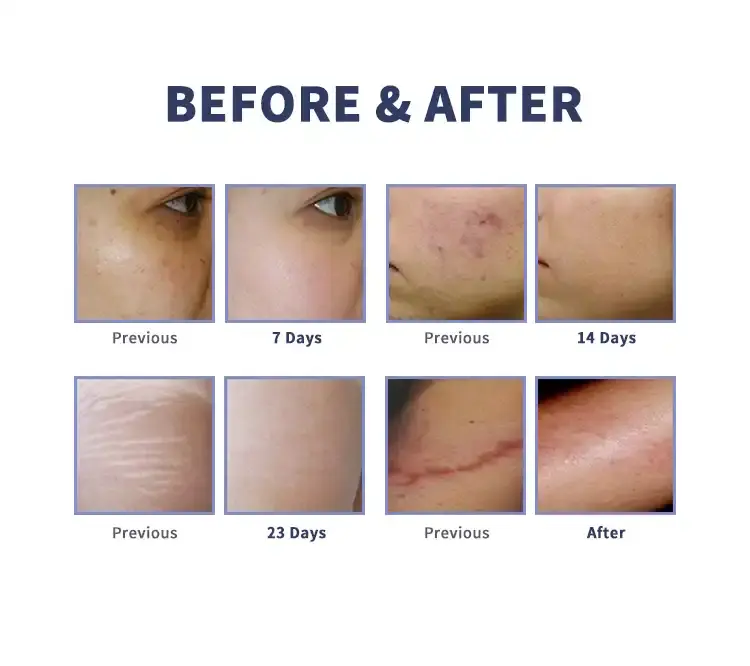
The clinical versatility of a properly specified fractional co2 laser device enables practices to address virtually every common aesthetic concern patients present. Acne scarring represents one of the most challenging treatment indications that responds exceptionally well to fractional CO2 laser energy. The controlled thermal injury stimulates robust collagen remodeling while the fractional delivery pattern minimizes complications and downtime compared to fully ablative approaches. Multiple treatment modes within a single fractional co2 laser device allow practitioners to customize depth, density, and energy delivery to match scar morphology, severity, and patient skin type. Wrinkle reduction and skin tightening applications showcase the anti-aging capabilities of advanced fractional co2 laser device technology. The combination of superficial ablation removing photo-damaged epidermis and deeper thermal zones stimulating dermal collagen production creates comprehensive rejuvenation that addresses both textural and structural aging changes. Periorbital wrinkles, crow's feet, and forehead lines respond particularly well to carefully calibrated fractional treatments. The precision delivery systems in professional equipment enable safe treatment in delicate areas while achieving visible tightening and smoothing that patients and practitioners appreciate.
Pigmentation and Vascular Treatment Capabilities
While often associated primarily with textural improvements, a well-configured fractional co2 laser device effectively addresses various pigmentation concerns including age spots, freckles, and melasma. The controlled ablation removes pigmented epidermis while the thermal injury disrupts dermal melanin deposits, promoting more even skin tone as healing progresses. Treatment success for pigmentation concerns depends heavily on proper parameter selection, patient skin type assessment, and post-treatment sun protection protocols. Manufacturers providing detailed treatment guides and parameter recommendations specific to pigmentation indications enable practitioners to achieve consistent results while minimizing hyperpigmentation risks. Some fractional co2 laser device configurations incorporate capabilities for addressing vascular concerns, though this application typically requires specific handpieces or dual-wavelength systems. The hemostatic properties of CO2 laser energy can reduce the appearance of small facial vessels and broken capillaries when applied with appropriate parameters. However, dedicated vascular lasers often provide superior outcomes for primary vascular indications. When discussing your practice needs with OEM manufacturers, clearly articulate your target treatment mix to ensure the proposed fractional co2 laser device configuration optimally serves your intended applications.
Physical Specifications and Practice Integration
The physical dimensions and weight of your fractional co2 laser device influence placement options, mobility requirements, and overall practice workflow integration. Professional systems typically arrive in substantial package dimensions, often measuring approximately seventy-seven by sixty-four by one hundred thirty-one centimeters, with total equipment weight approaching one hundred thirty kilograms or more. These substantial dimensions reflect the robust construction, integrated cooling systems, and comprehensive handpiece storage incorporated into professional-grade equipment. When planning your equipment purchase, assess your treatment room dimensions, doorway widths, elevator capacities if applicable, and flooring structural requirements to ensure smooth delivery and installation. Mobility features balance equipment stability during treatments with flexibility for practice evolution and multiple treatment room deployment. Heavy-duty casters with locking mechanisms allow repositioning when necessary while ensuring rock-solid stability during precision treatments. Some practices benefit from dedicated treatment rooms for their fractional co2 laser device, creating specialized environments optimized for pre-treatment preparation, treatment delivery, and post-treatment care. Others require mobility to deploy equipment across multiple rooms based on daily scheduling demands. Clarify your practice workflow patterns when discussing equipment specifications with OEM suppliers to ensure the physical design aligns with your operational requirements.
Power Requirements and Infrastructure Considerations
Electrical requirements for professional fractional co2 laser device systems necessitate advance planning, particularly in older facilities or practices adding laser capabilities to existing spaces. High-power laser systems typically require dedicated electrical circuits with appropriate amperage ratings, proper grounding, and potentially voltage stabilization to ensure consistent performance and equipment longevity. Water-cooled systems may require plumbing connections or self-contained reservoir systems with regular maintenance schedules. Discussing infrastructure requirements early in the purchasing process with your OEM supplier allows adequate time for any necessary facility modifications before equipment delivery. Climate control considerations extend beyond standard HVAC requirements for patient comfort. The heat generated by laser operation and cooling system exhaust can significantly impact treatment room temperatures, particularly during busy clinical days with consecutive treatments. Adequate ventilation removes laser plume, which contains cellular debris and should not be inhaled by staff or patients. Some jurisdictions mandate specific ventilation requirements or smoke evacuation systems for laser procedures. Your fractional co2 laser device OEM supplier should provide detailed environmental specifications and recommended practices for optimal equipment performance and regulatory compliance.
Cost-Benefit Analysis and Return on Investment
Evaluating the financial implications of fractional co2 laser device acquisition extends beyond initial purchase price to encompass total cost of ownership, revenue generation potential, and competitive positioning value. Entry-level fractional co2 laser device systems from OEM manufacturers may start at approximately twenty thousand dollars, while advanced platforms with comprehensive handpiece collections, sophisticated interfaces, and extensive certification documentation can exceed one hundred thousand dollars. However, initial cost represents only one component of the investment decision equation that should be weighed against clinical capabilities, reliability, support quality, and revenue potential. Revenue generation capacity of your fractional co2 laser device depends on treatment pricing, patient volume, and service mix diversity. Fractional CO2 laser treatments typically command premium pricing, with single facial resurfacing sessions ranging from five hundred to three thousand dollars or more depending on treatment extent and geographic market. Intimate wellness treatments often price even higher, reflecting the specialized nature of these services and limited provider availability in many markets. A busy practice performing just ten treatments weekly at conservative pricing can generate substantial revenue that provides rapid payback on equipment investment while supporting staff salaries, marketing expenses, and practice growth.
Maintenance Costs and Equipment Longevity
Long-term cost considerations include replacement consumables, preventive maintenance requirements, and service agreement options for your fractional co2 laser device. CO2 laser tubes represent the primary consumable component, with lifespans typically ranging from five to ten years depending on usage intensity and maintenance quality. Quality OEM manufacturers design systems with refillable or replaceable laser tubes, extending equipment service life while controlling long-term operating costs. When comparing suppliers, inquire about tube longevity expectations, replacement costs, and whether local service networks exist to minimize equipment downtime when maintenance becomes necessary. Service agreement options range from basic phone support to comprehensive programs including annual calibration, preventive maintenance visits, priority parts availability, and replacement equipment during repairs. While these agreements add to annual operating costs, they provide budgeting certainty and equipment reliability assurance that justifies the expense for practices dependent on their fractional co2 laser device for significant revenue generation. Calculate your expected treatment volume, multiply by average revenue per treatment, and consider the financial impact of even brief equipment downtime to determine whether comprehensive service coverage makes economic sense for your specific situation.
Conclusion
Selecting the optimal fractional co2 laser device from OEM manufacturers requires systematic evaluation of technical specifications, certification standards, customization capabilities, and total ownership costs. The ideal equipment delivers exceptional clinical outcomes through precise energy control, versatile treatment modes, and comprehensive handpiece options while meeting rigorous safety standards and providing reliable manufacturer support. By carefully comparing these essential features and aligning equipment capabilities with your specific practice needs, you position your clinic for clinical excellence, patient satisfaction, and sustainable profitability in the competitive aesthetic marketplace.
Cooperate with Xi'an Taibo Laser Beauty Company
As a China fractional co2 laser device manufacturer with over fifteen years of production and export experience, Xi'an Taibo Laser Beauty Company delivers professional Laser Beauty Equipment to more than one hundred eighty countries worldwide. Our comprehensive product portfolio extends beyond fractional CO2 laser systems to include IPL technology, Q-switched ND:YAG lasers, diode laser systems, HIFU equipment, body contouring devices, and complete skin treatment solutions manufactured in our certified facilities with dedicated production departments, quality inspection teams, and professional R&D personnel.
Xi'an Taibo Laser Beauty Company provides comprehensive fractional co2 laser device OEM services enabling complete branding customization, technical parameter specification, and software adaptation to meet your unique market requirements. As a China fractional co2 laser device supplier holding CE certification, ISO thirteen thousand four hundred eighty-five accreditation, and pending FDA approval, we guarantee international quality standards and regulatory compliance. Our High Quality fractional co2 laser device systems feature metal tube solid-state lasers operating at ten point six micrometer wavelength with actual power exceeding forty watts, multiple output modes including dot matrix and pulse configurations, water cooling systems, seven-joint articulated arms, and comprehensive treatment head collections for facial rejuvenation, scar removal, and intimate wellness applications.
Our China fractional co2 laser device factory maintains strict quality control across procurement, production, packaging, and shipping departments to deliver equipment in optimal condition with expedited timelines. We offer two-year warranties covering non-human damage component replacement, twenty-four-hour technical support with professional after-sales teams, detailed training materials including instructional videos and remote training sessions, and bulk purchase benefits including on-site installation services. As a China fractional co2 laser device wholesale provider accepting language customization and color specification requests, we support distributors and clinics building branded aesthetic equipment portfolios. For fractional co2 laser device for sale inquiries and competitive fractional co2 laser device price quotations, contact susan@taibobeauty.com to explore partnership opportunities. Whether changing suppliers or establishing new aesthetic services, Xi'an Taibo Laser Beauty Company delivers factory-direct equipment, comprehensive support, and OEM flexibility ensuring your success in competitive aesthetic markets.
References
1. Anderson RR, Parrish JA. Selective photothermolysis: precise microsurgery by selective absorption of pulsed radiation. Science, 1983.
2. Hantash BM, Bedi VP, Kapadia B, et al. In vivo histological evaluation of a novel ablative fractional resurfacing device. Lasers in Surgery and Medicine, 2007.
3. Tierney EP, Kouba DJ, Hanke CW. Review of fractional photothermolysis: treatment indications and efficacy. Dermatologic Surgery, 2009.
4. Alexiades-Armenakas M, Dover JS, Arndt KA. Fractional laser skin resurfacing. Journal of Drugs in Dermatology, 2012.





YOU MAY LIKE