
EMS Professional Muscle Stimulator: Features, Applications and Limitations
2025-12-08 09:04:51
Are you tired of spending hours in the gym without seeing the muscle definition you desire? Or perhaps you're a salon owner looking to offer cutting-edge body sculpting services that deliver real, measurable results for your clients? The ems professional muscle stimulator represents a revolutionary approach to non-invasive muscle building and fat reduction that addresses these exact challenges. This comprehensive guide explores everything you need to know about professional EMS technology, from its advanced features and diverse applications to the realistic limitations you should understand before investing in this powerful aesthetic equipment.
Understanding EMS Professional Muscle Stimulator Technology
The ems professional muscle stimulator operates on the principle of electrical muscle stimulation, also known as neuromuscular electrical stimulation. This advanced technology delivers controlled electromagnetic energy directly to muscle groups, creating involuntary muscle contractions that replicate the effects of intensive physical exercise. Unlike consumer-grade devices, professional-grade ems professional muscle stimulator systems are specifically engineered for aesthetic clinics, beauty salons, spas, dermatology practices, and plastic surgery centers where treatment efficacy and client safety are paramount.
How Professional EMS Technology Works?
Professional ems professional muscle stimulator devices utilize high-intensity electromagnetic fields measured in Tesla units to penetrate deep into muscle tissue. When electromagnetic energy is applied through specialized applicators, it triggers supramaximal muscle contractions that cannot be achieved through voluntary exercise alone. During a single thirty-minute treatment session, the ems professional muscle stimulator can generate the equivalent of more than thirty thousand muscle contractions, forcing the targeted muscles to adapt and strengthen at an accelerated rate. This process simultaneously builds muscle mass while promoting fat cell apoptosis, the natural death and elimination of fat cells from treated areas. The working principle centers on electromagnetic induction technology that creates a rapidly changing magnetic field. This field passes harmlessly through skin and fat layers to reach deep muscle structures. Once the electromagnetic pulses reach motor neurons, they trigger action potentials that result in powerful, sustained muscle contractions. These contractions are fundamentally different from voluntary exercise because they recruit a higher percentage of muscle fibers simultaneously, including deeper muscle layers that are typically difficult to engage through conventional training methods. Professional systems operate at adjustable frequencies typically ranging from one to two hundred fifty Hertz, allowing practitioners to customize treatment parameters based on client needs and target areas.
Key Technical Features of Professional Grade Systems
Professional ems professional muscle stimulator systems distinguish themselves through several critical technical specifications. Advanced devices feature multiple applicator handles that can work simultaneously, with configurations typically including two large body handles for treating major muscle groups like the abdomen, buttocks, and thighs, plus two smaller limb handles designed for arms and calves. This multi-handle capability enables practitioners to treat multiple body areas in a single session or focus intensive energy on one target zone for maximum effect. The total power output of professional systems often reaches six thousand watts, providing sufficient electromagnetic energy to penetrate deeply and effectively stimulate even well-developed musculature. Frequency adjustment capabilities represent another crucial feature, with intelligent switching between different frequency ranges optimized for muscle building versus fat reduction. Treatment duration flexibility allows sessions ranging from one to ninety minutes, though most effective protocols involve thirty-minute sessions performed twice weekly over a treatment course of four to eight weeks. Professional-grade ems professional muscle stimulator equipment incorporates comprehensive safety systems including automatic temperature monitoring, overload protection, and real-time feedback mechanisms that ensure client comfort and treatment safety throughout each session. Large touchscreen interfaces provide intuitive control over all treatment parameters, making the technology accessible even for practitioners new to electromagnetic body sculpting.
Core Features of EMS Professional Muscle Stimulator Systems
Modern ems professional muscle stimulator technology integrates numerous sophisticated features that maximize treatment effectiveness while ensuring operator ease of use and client safety. Understanding these core capabilities helps aesthetic professionals evaluate different systems and select equipment that aligns with their practice requirements and client demographics.
Electromagnetic Energy and Intensity Control
The electromagnetic energy output measured in Tesla units represents the fundamental power source driving muscle contractions. Professional ems professional muscle stimulator systems deliver significantly higher intensity levels compared to consumer devices, with electromagnetic fields powerful enough to penetrate approximately seven centimeters deep into tissue. This depth ensures effective stimulation of even large muscle groups like the gluteal muscles and abdominal wall musculature. Intensity control systems allow practitioners to gradually increase power levels during treatment sessions, beginning at comfortable levels during initial treatments and progressively intensifying stimulation as clients adapt and muscle conditioning improves. Advanced ems professional muscle stimulator equipment features intelligent intensity adjustment algorithms that automatically modulate power delivery based on real-time tissue response feedback. This smart technology prevents overstimulation while ensuring each muscle contraction reaches the supramaximal threshold necessary for optimal results. Different body areas require different intensity settings, with the device allowing separate control for each applicator handle. This individualized power management ensures that smaller muscle groups like biceps receive appropriate stimulation levels while larger muscles like quadriceps receive the higher intensities needed for effective treatment outcomes.
Multi-Handle Application Systems
The capability to operate multiple handles simultaneously represents a significant advantage of professional ems professional muscle stimulator technology. Four-handle systems enable comprehensive body treatments that would require multiple sessions with single-applicator devices. Practitioners can position two handles on the abdomen for core strengthening while simultaneously treating the buttocks with two additional handles for gluteal enhancement. This time-efficient approach increases treatment revenue potential while providing clients with comprehensive body sculpting results in convenient single sessions. Different handle sizes optimize treatment for various anatomical regions. Large body handles measuring approximately nine by twelve centimeters provide sufficient coverage for major muscle groups, ensuring uniform electromagnetic field distribution across the entire treatment area. Smaller limb handles designed for arms and calves deliver focused energy to these relatively compact muscle groups. The handles attach securely to treatment areas using adjustable straps, maintaining consistent positioning throughout the session despite the powerful muscle contractions occurring beneath. Professional systems allow handles to work independently or synchronously, giving practitioners complete flexibility in designing customized treatment protocols for each client's specific body contouring goals.
Intelligent Frequency Adjustment Technology
Frequency selection profoundly impacts treatment outcomes, with different frequencies optimized for distinct physiological effects. Lower frequencies in the range of one to thirty Hertz primarily target slow-twitch muscle fibers responsible for endurance and muscle tone, while higher frequencies between fifty and one hundred fifty Hertz preferentially activate fast-twitch fibers associated with strength and muscle volume. Professional ems professional muscle stimulator systems incorporate intelligent switching between three distinct frequency modes, automatically cycling through different ranges during treatment sessions to comprehensively stimulate all muscle fiber types. This variable frequency approach prevents muscle adaptation and ensures continued treatment effectiveness across multiple sessions. The device typically begins with moderate frequencies to warm up muscle tissue, then progresses to higher intensities for maximum muscle fiber recruitment, before concluding with lower frequencies that promote recovery and reduce post-treatment soreness. Some advanced ems professional muscle stimulator equipment allows practitioners to create customized frequency protocols, programming specific patterns optimized for particular treatment goals such as post-surgical rehabilitation, athletic performance enhancement, or aesthetic muscle definition.
Primary Applications of EMS Professional Muscle Stimulator
The versatility of ems professional muscle stimulator technology enables numerous applications across aesthetic medicine, physical rehabilitation, and athletic performance enhancement. Understanding the full scope of potential uses helps practitioners maximize equipment utilization and expand service offerings to diverse client populations.
Aesthetic Body Contouring and Muscle Definition
The primary application driving demand for ems professional muscle stimulator technology involves non-invasive body contouring that simultaneously reduces fat and builds muscle. This dual-action effect addresses the core aesthetic concern that neither diet and exercise alone nor traditional fat reduction procedures fully resolve. While procedures like cryolipolysis effectively eliminate fat cells, they do nothing to enhance underlying muscle tone. Conversely, intensive exercise builds muscle but cannot eliminate stubborn fat deposits resistant to lifestyle modifications. The ems professional muscle stimulator bridges this gap, delivering comprehensive body sculpting results that combine fat reduction with muscle strengthening. Clinical studies tracking treatment outcomes document impressive body composition changes. Research participants completing a standard protocol of four ems professional muscle stimulator treatment sessions over two weeks demonstrated average abdominal fat layer reductions of nineteen percent, equivalent to approximately four point four millimeters of subcutaneous fat loss. Simultaneously, abdominal muscle thickness increased by an average of fifteen point four percent, representing significant muscle hypertrophy. Waist circumference measurements decreased by an average of four centimeters, providing visible body contour improvement. These objective measurements correlate with high patient satisfaction rates, as clients appreciate visible enhancement of muscle definition including the coveted "six-pack" abdominal appearance, defined waist-to-hip curves, and lifted, toned buttocks.
The ems professional muscle stimulator particularly excels at treating common problem areas resistant to conventional methods. Abdominal treatments address both upper and lower rectus abdominis muscles, creating comprehensive core strengthening. Gluteal treatments lift and round the buttocks while strengthening hip stabilizer muscles that improve overall posture. Arm treatments reduce excess fat while defining biceps and triceps contours. Thigh treatments strengthen quadriceps and hamstrings while reducing circumference. Calf treatments enhance lower leg definition particularly valued by athletes and individuals who desire more sculpted legs. Each treatment area benefits from the device's ability to recruit muscle fibers more completely than voluntary exercise alone achieves.
Post-Surgical Rehabilitation and Recovery
Beyond aesthetic applications, ems professional muscle stimulator technology serves important therapeutic purposes in post-surgical rehabilitation protocols. Patients recovering from orthopedic procedures, joint replacements, or reconstructive surgeries often experience significant muscle atrophy due to immobilization and reduced activity levels during recovery periods. This muscle loss compromises rehabilitation progress and extends the timeline for return to normal function. Professional EMS provides a solution by enabling muscle stimulation and strengthening even when patients cannot perform active exercises. The controlled muscle contractions generated by ems professional muscle stimulator treatments maintain muscle mass and strength during early recovery phases when weight-bearing or active movement remains contraindicated. Physical therapists incorporate EMS protocols to prevent disuse atrophy, accelerate muscle re-education following nerve injuries, and restore normal movement patterns. The technology proves particularly valuable for quadriceps strengthening following knee surgeries, where maintaining this critical muscle group significantly impacts functional recovery and long-term joint stability. Gluteal muscle activation following hip procedures, core strengthening after abdominal surgeries, and upper extremity rehabilitation after shoulder repairs represent additional rehabilitation applications. Research investigating post-surgical EMS application demonstrates accelerated recovery timelines and improved functional outcomes compared to conventional rehabilitation approaches alone. Patients utilizing ems professional muscle stimulator protocols report reduced pain levels, improved range of motion, and faster return to activities of daily living. The non-invasive nature of treatment makes it appropriate even during early recovery stages when tissue healing remains incomplete. Progressive intensity increases mirror natural rehabilitation progression, allowing muscle strengthening to advance in concert with tissue repair processes.
Athletic Performance Enhancement and Training
Elite athletes and competitive sports teams increasingly incorporate ems professional muscle stimulator technology into training regimens seeking performance advantages. The ability to generate supramaximal muscle contractions exceeding what athletes can achieve voluntarily during training sessions provides unique benefits for strength development and power output enhancement. Athletes utilize EMS to supplement traditional training, targeting specific muscle groups that limit performance in their particular sport. The technology enables focused strengthening without the joint stress and systemic fatigue associated with additional weight training volume. Sprint athletes use ems professional muscle stimulator treatments to enhance explosive power in hip extensors and quadriceps muscles critical for acceleration. Jumping athletes strengthen gastrocnemius and quadriceps muscles to increase vertical leap height. Throwing athletes develop rotational core strength essential for power generation. Endurance athletes incorporate EMS for maintaining muscle mass during high-volume training periods when additional strength work might compromise recovery. The thirty-minute treatment duration fits efficiently into athlete schedules while delivering training stimulus equivalent to hours of conventional exercise. Beyond strength development, athletes value ems professional muscle stimulator technology for recovery acceleration between training sessions and competitions. The enhanced blood flow stimulated by muscle contractions facilitates metabolic waste removal and nutrient delivery to exercised tissues. This accelerated recovery enables higher training frequencies and reduced injury risk from inadequate recovery between sessions. Some research suggests EMS application may reduce delayed onset muscle soreness following intensive training, though results remain preliminary. Professional sports teams integrate EMS into comprehensive athlete care programs alongside nutrition optimization, manual therapy, and other performance enhancement strategies.
Understanding the Limitations of EMS Professional Muscle Stimulator
While ems professional muscle stimulator technology delivers impressive results for appropriate candidates, understanding its limitations helps practitioners set realistic expectations and identify clients best suited for treatment. Transparent communication about what EMS can and cannot achieve builds trust and ensures client satisfaction with outcomes.
Not a Replacement for Exercise and Healthy Lifestyle
The most important limitation practitioners must communicate involves the relationship between ems professional muscle stimulator treatments and conventional exercise. EMS represents a powerful supplement to active fitness routines, not a replacement for physical activity and healthy lifestyle habits. While the muscle contractions generated during treatment create real physiological adaptations including strength gains and muscle hypertrophy, they do not provide the comprehensive health benefits associated with regular exercise. Cardiovascular conditioning, bone density maintenance, metabolic health optimization, mental health benefits, and functional movement pattern development all require active physical activity that EMS treatments alone cannot deliver. Clients seeking ems professional muscle stimulator treatments should maintain regular exercise habits and follow balanced nutrition plans to maximize and maintain results. The technology works optimally when integrated into broader wellness programs rather than viewed as a standalone solution. Practitioners should position EMS as an enhancement tool that helps clients break through plateaus, target stubborn areas resistant to exercise, or maintain muscle mass during periods when training intensity must decrease. This accurate positioning prevents disappointment and encourages sustainable lifestyle habits that support long-term body composition goals. Research comparing EMS application with traditional resistance training demonstrates that while electrical stimulation produces measurable strength gains, the magnitude of improvement typically remains lower than achieved through progressive overload strength training protocols. The primary value of ems professional muscle stimulator technology lies in its ability to complement voluntary training, providing additional stimulus that enhances overall results. Athletes and fitness enthusiasts should view EMS as part of comprehensive training programs rather than a shortcut that eliminates the need for gym work. This realistic understanding helps clients appreciate the technology's genuine benefits without harboring unrealistic expectations.
Individual Response Variability
Treatment outcomes with ems professional muscle stimulator technology demonstrate considerable individual variability, with some clients experiencing dramatic results while others show more modest improvements. Multiple factors influence individual response including baseline fitness level, body composition, genetics, age, hormonal status, nutrition quality, sleep patterns, and stress levels. Practitioners cannot precisely predict which clients will respond most favorably to treatment, making it essential to manage expectations and emphasize that published average results represent statistical means rather than guaranteed individual outcomes. Clients with higher baseline body fat percentages often experience less dramatic aesthetic improvements compared to leaner individuals, as the muscle definition created by treatment remains partially obscured by overlying adipose tissue. However, these same clients may experience more substantial fat reduction when treatments target areas with significant subcutaneous fat deposits. Conversely, already-fit individuals with well-developed musculature may see less dramatic muscle thickness increases but often appreciate enhanced muscle definition and separation. Age-related factors also influence outcomes, with younger clients typically responding more robustly due to higher baseline muscle protein synthesis rates and more favorable hormonal profiles supporting muscle growth. Practitioners should establish appropriate client selection criteria to optimize success rates and satisfaction levels. Ideal candidates maintain relatively healthy lifestyles with moderate regular physical activity and reasonable nutritional habits. They possess realistic expectations about treatment capabilities and commit to completing recommended treatment courses. They understand that ems professional muscle stimulator technology enhances rather than replaces healthy lifestyle habits. Clients with these characteristics consistently report high satisfaction with treatment outcomes even when results fall within the lower range of published averages. Conversely, clients expecting miraculous transformation without personal effort often express disappointment regardless of actual objective improvements achieved.
Treatment Intensity and Comfort Considerations
The powerful muscle contractions generated during ems professional muscle stimulator treatments create intense sensations that some clients find challenging, particularly during initial sessions before muscle adaptation occurs. While treatments remain safe and non-invasive, the involuntary muscle activation feels substantially different from voluntary exercise-induced contractions. Practitioners must prepare clients for these sensations and implement gradual intensity progression protocols that allow comfortable adaptation over multiple sessions. Starting with conservative power levels during first treatments and progressively increasing intensity as tolerance develops helps ensure positive client experiences. Some individuals experience transient muscle soreness following ems professional muscle stimulator treatments, similar to delayed onset muscle soreness that occurs after unaccustomed exercise. This post-treatment discomfort typically resolves within twenty-four to forty-eight hours and generally decreases with subsequent sessions as muscles adapt. Practitioners should advise clients about this possibility while emphasizing that soreness indicates effective muscle stimulation rather than tissue damage. Adequate hydration, light stretching, and rest between treatment sessions help minimize discomfort. Clients with low pain tolerance or high anxiety about intense sensations may require extended adaptation periods or may ultimately determine that EMS treatments do not suit their preferences. Certain populations require careful evaluation before ems professional muscle stimulator treatment due to contraindications and precautions. Individuals with pacemakers, internal defibrillators, or other implanted electronic devices must avoid EMS due to potential electromagnetic interference with device function. Pregnancy represents an absolute contraindication, as effects on fetal development remain unknown. Active cancer, bleeding disorders, metal implants in treatment areas, and certain neurological conditions may preclude treatment or require medical clearance. Practitioners must conduct thorough consultations including medical history review to identify contraindications and ensure client safety. This screening process represents an essential professional responsibility that cannot be shortcut in pursuit of increased treatment volume.
Selecting Quality EMS Professional Muscle Stimulator Equipment
Investment in ems professional muscle stimulator technology represents a significant financial commitment for aesthetic practices, making careful equipment selection critical for maximizing return on investment and ensuring reliable long-term performance. Multiple factors merit consideration when evaluating different manufacturers and systems.
Technical Specifications and Performance Capabilities
Power output capacity fundamentally determines treatment effectiveness, with professional-grade systems requiring sufficient electromagnetic energy to penetrate deep tissue layers and generate supramaximal muscle contractions. Systems offering six thousand watts total power distributed across multiple applicator handles provide adequate intensity for comprehensive body treatment protocols. Frequency range flexibility enabling adjustment from one through two hundred fifty Hertz ensures versatility across diverse treatment applications. Minimum one-hour continuous operation capability without overheating or performance degradation supports busy practice schedules with back-to-back client appointments. Handle quality and design significantly impact both treatment effectiveness and client comfort. Well-engineered applicators deliver uniform electromagnetic field distribution across the entire treatment area, preventing hot spots and ensuring consistent muscle stimulation. Ergonomic strap systems secure handles comfortably without excessive pressure or movement during intense muscle contractions. Durable construction withstands the mechanical stress of repeated high-intensity use across thousands of treatment sessions. Practices should evaluate the build quality of sample units, examining handle construction, strap attachment integrity, and cable durability before making purchase decisions.
Certifications and Regulatory Compliance
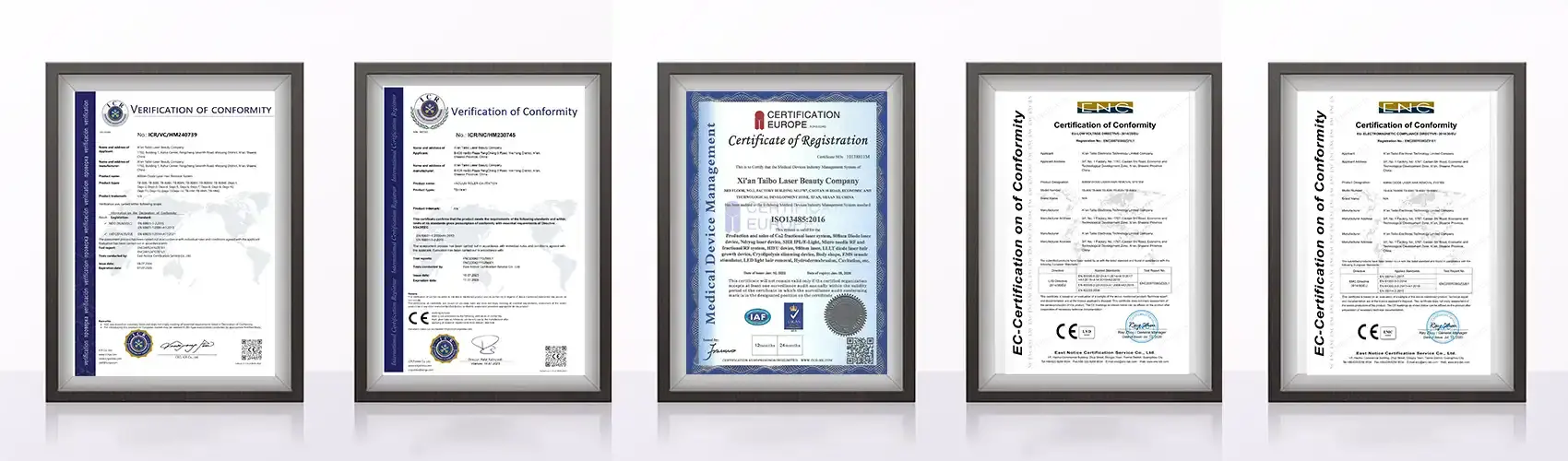
Quality ems professional muscle stimulator equipment carries appropriate certifications demonstrating compliance with international safety and performance standards. CE certification confirms that devices meet European Union safety, health, and environmental protection requirements. ISO 13485 certification indicates the manufacturer maintains quality management systems specifically designed for medical device production. FDA clearance or approval provides assurance of safety and effectiveness for US market applications. Practices should verify that equipment under consideration holds relevant certifications for their geographic market and intended use applications. Beyond initial certifications, manufacturers should demonstrate ongoing commitment to quality through regular testing and documentation. Test reports verifying electromagnetic output specifications, safety system functionality, and electrical safety compliance provide objective evidence of device performance. Practices operating in regulated medical environments must ensure equipment meets all applicable regional requirements. Working with established manufacturers possessing comprehensive certification portfolios minimizes regulatory compliance risks and facilitates smooth incorporation of technology into existing practice operations.
Manufacturer Support and Service Infrastructure
Long-term equipment reliability depends heavily on manufacturer support quality, making this evaluation criterion as important as device technical specifications. Comprehensive warranty coverage protecting against component failures for minimum two-year periods demonstrates manufacturer confidence in product durability. Responsive technical support teams capable of troubleshooting issues promptly minimize treatment disruptions when problems arise. Availability of replacement parts and accessories enables rapid repair of wear items like applicator handles and cables without extended equipment downtime. Training and education support helps practitioners maximize equipment utilization and treatment effectiveness. Quality manufacturers provide detailed operation manuals, instructional videos, and hands-on training opportunities that build staff confidence and competence. Some manufacturers offer continuing education programs introducing advanced treatment protocols and emerging applications. Marketing support including patient education materials, treatment photography resources, and practice promotion guidance helps practices successfully introduce and grow EMS service offerings. Practices should evaluate the comprehensiveness of manufacturer support programs when comparing equipment options, recognizing that superior support justifies premium pricing through enhanced long-term value.
Conclusion
The ems professional muscle stimulator represents powerful technology that delivers real body contouring results through simultaneous fat reduction and muscle building. Understanding its features, applications, and limitations enables aesthetic professionals to successfully integrate this equipment into practice offerings while maintaining appropriate client expectations and ensuring optimal treatment outcomes.
Cooperate With Xi'an Taibo Laser Beauty Company
As a leading China ems professional muscle stimulator manufacturer with over fifteen years of production and export experience serving more than one hundred eighty countries worldwide, Xi'an Taibo Laser Beauty Company delivers high quality ems professional muscle stimulator systems backed by comprehensive certifications including CE and ISO13485. Our China ems professional muscle stimulator factory offers competitive ems professional muscle stimulator price points alongside flexible OEM and ODM services for practices seeking customized branding solutions. As an established China ems professional muscle stimulator supplier, we provide complete support including two-year warranties, professional training, responsive technical assistance, and efficient global shipping. Our ems professional muscle stimulator for sale combines proven electromagnetic technology with user-friendly operation and robust construction. Partner with our China ems professional muscle stimulator wholesale operations to access factory-direct pricing and reliable equipment that supports your practice growth. Contact susan@taibobeauty.com today to discuss how our high quality ems professional muscle stimulator solutions can enhance your aesthetic service offerings.
References
1. Kemmler W, von Stengel S. Whole-Body Electromyostimulation as a Means to Impact Muscle Mass and Abdominal Body Fat in Lean, Sedentary, Older Female Adults: Subanalysis of the Training and ElectroStimulation Trial. Clinical Interventions in Aging. 2013.
2. Filipovic A, Kleinöder H, Dörmann U, Mester J. Electromyostimulation: A Systematic Review of the Influence of Training Regimens and Stimulation Parameters on Effectiveness in Electromyostimulation Training of Selected Strength Parameters. Journal of Strength and Conditioning Research. 2011.
3. Veldman MP, Maffiuletti NA, Halaki M, De Pietro V, Hortobágyi T. Direct and Crossed Effects of Somatosensory Stimulation on Neuronal Excitability and Motor Performance in Healthy Subjects. Neuroscience and Biobehavioral Reviews. 2014.
4. Paillard T, Noé F, Bru N, Coudeyre E. The Rehabilitation Effectiveness of Neuromuscular Electrical Stimulation Following Total Knee Replacement: A Comprehensive Review and Meta-Analysis. Annals of Physical and Rehabilitation Medicine. 2018.
5. Maffiuletti NA, Minetto MA, Farina D, Bottinelli R. Electrical Stimulation for Neuromuscular Testing and Training: State-of-the-Art and Unresolved Issues. European Journal of Applied Physiology. 2011.





YOU MAY LIKE