
Best CO2 Fractional Laser Equipments for Clinics
2026-07-24 08:57:55
Selecting the best co2 fractional laser equipment for your clinic demands careful consideration of technology, clinical applications, and supplier reliability. CO2 fractional laser equipment operates at 10,600nm wavelength, creating micro-thermal zones that stimulate collagen remodeling while preserving surrounding tissue. This advanced approach delivers superior results for scar revision, skin resurfacing, and wrinkle reduction compared to traditional ablative methods. Professional systems featuring metal tube technology, multiple treatment modes, and comprehensive safety certifications enable clinics to offer high-value aesthetic treatments with predictable outcomes and minimized downtime for patients.
Understanding CO2 Fractional Laser Technology: How It Works and Key Benefits
Through precise photothermolysis, CO2 fractional laser equipment has changed the way skin is rejuvenated. Fractional technology makes controlled micro-columns of thermal injury surrounded by healthy tissue. This is different from regular lasers that treat whole surfaces. This mechanism speeds up the healing process and changes the dermis deeply.
The Science Behind Fractional Photothermolysis
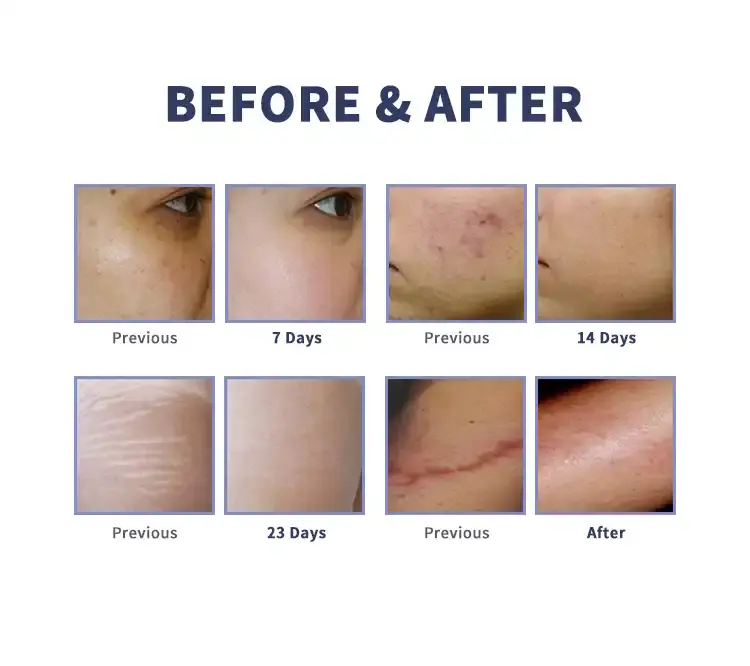
Infrared light from metal tube CO2 lasers is at 10,600nm, which is the same wavelength that water in human flesh absorbs the most. When focused by high-tech optics, the beam instantly burns away the targeted tissue and starts the activation of fibroblasts. This double action gets rid of damaged skin layers and speeds up the growth of new collagen at the same time. Within 4 to 6 weeks after treatment, clinical tests show measurable improvements in skin texture, elasticity, and even colour.
Clinical Advantages for Aesthetic Practices
Fractional CO2 technology treats a number of skin problems by letting you change the treatment parameters. The equipment works well to treat atrophic acne scars, photodamage, rhytides, and uneven skin texture. Pulse mode choices, such as long pulse and ultra-pulse settings, let doctors change the depth of thermal penetration based on the type of skin and treatment goals. Adjustable stay times that lower the risk of post-inflammatory hyperpigmentation while still reaching therapy goals are good for darker skin types.
Safety Profile and Recovery Considerations
Modern systems have water-cooling systems and precise 7-joint flexible arms that keep the spot delivery uniform. With the right post-care practices, patients usually have 3–7 days of social rest. Modern machines have many scan forms (ellipse, rectangular, hexagonal, and custom drawings) that help doctors treat uneven body parts more effectively. Built-in safety measures, such as directing beams at a frequency of 635nm, make sure that the therapeutic pulse is delivered to the right place.
Comparing Top CO2 Fractional Laser Devices in 2026: Key Features and Market Leaders
To choose the right CO2 fractional laser equipment, you need to know how the technical details affect your ability to do different tasks in the office and your patients' happiness. In the market, you can find systems that range from simple platforms to full, multifunctional units.
Metal Tube vs Glass Tube Technology
Solid-state lasers with metal tubes are the standard for professional use in clinical settings. With spot sizes as small as 0.1 mm, these devices provide uniform beam quality that makes microablation possible. Metal tubes work perfectly for 5 to 10 years without needing to be refilled. This is very different from glass tubes, which need to be replaced every 18 to 24 months. Because metal systems have better beam profiles, they cause less thermal damage to the edges, which means that the epithelium heals faster and complications happen less often.
Critical Device Specifications
Power flow has a direct effect on how well and how many times a treatment can be used. Full-face resurfacing can be done in 15 to 20 minutes with systems that give 40W real output, not just rated power, but also 35 to 45 minutes with less powerful systems. Multi-mode functionality increases the chance of making money—equipment with dot matrix, pulse, vaginal rejuvenation, and vulvar modes serves a wide range of patients. Touch-screen interfaces with 10.4-inch screens make it easier to change parameters during processes, which keeps operators from getting tired on days when they have a lot of patients.
Comparative Technology Analysis
Compared to Erbium:YAG lasers, CO2 systems can reach deeper into the skin, making them better for treating scar tissue and serious photodamage. With non-ablative fractional lasers, you need 4-6 sessions to get the same results as with 2–3 CO2 treatments. This advantage in efficiency makes patients more likely to follow instructions and speeds up the practice's ability to make money. The addition of surgical cutting heads makes comprehensive CO2 platforms even more unique. They make it possible to do small office operations like removing benign lesions without having to buy any extra tools.
How to Choose the Right CO2 Fractional Laser Equipment for Your Clinic
Strategically buying CO2 fractional laser equipment makes sure that the capabilities of the devices match the patients and treatment philosophy of the practice. A good procurement process strikes a mix between professional success, the ability to make money, and operational support.
Assessing Clinical Requirements
Medical spas that focus on preventative beauty tend to use lighter resurfacing types that heal faster. Dermatology practices that work with people of colour need systems with very low coverage levels (5–10%) and long pulse intervals. For full treatment of slippage and atrophy, gynaecological beauty practices need tools with both 45-degree and 360-degree vaginal handpieces. An accurate needs assessment keeps you from having to pay a lot of money for features or capabilities that you don't use.
Evaluating Supplier Credentials
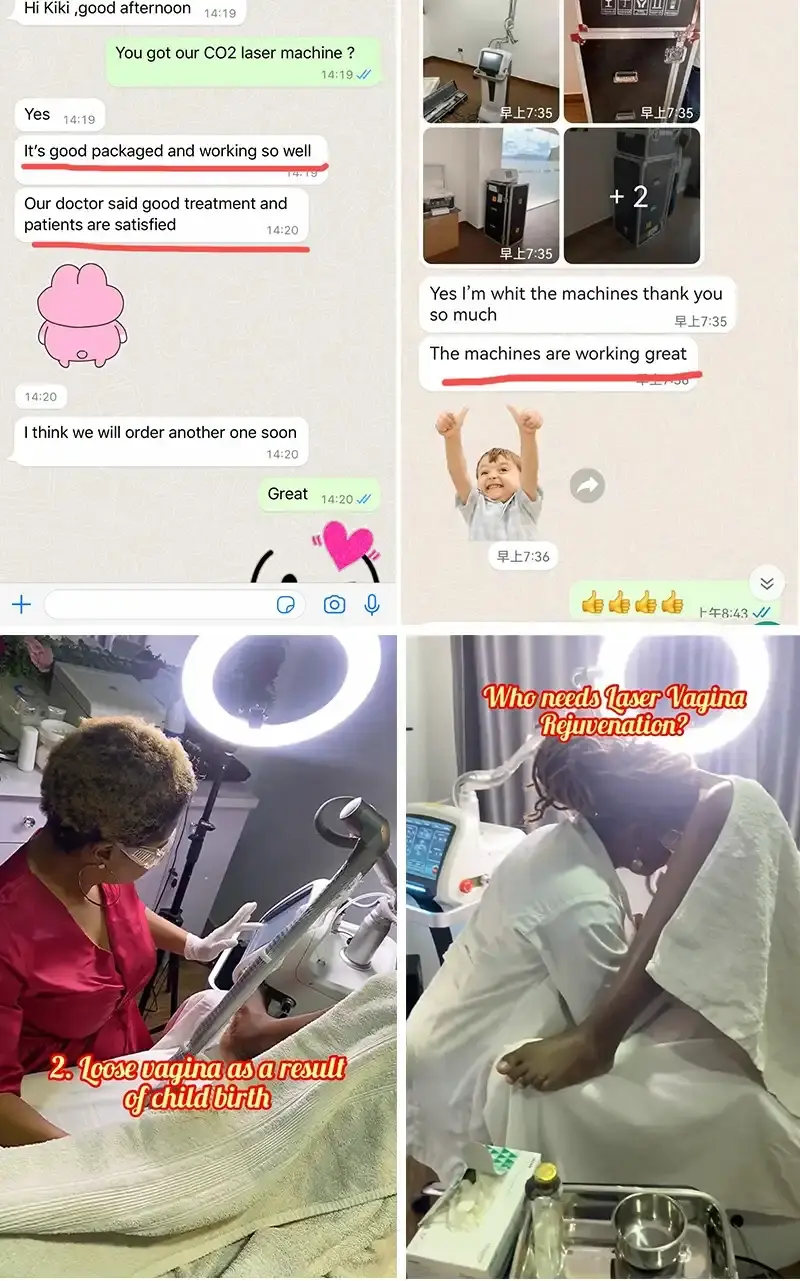
Medical device quality standards are met when the manufacturer is checked through certifications like CE and ISO13485. Manufacturers that have been around for 15 years or more show that they are technically stable and continue to invest in research and development. When purchasing directly from a plant, there is no markup for the dealer. Buying teams can save between 15 and 20 percent on costs this way. Verification of international distribution networks makes sure that parts are available and that service technicians can be reached for as long as the equipment lasts.
Financial Planning and ROI Optimization
CO2 fractional treatments cost between $800 and $2,500 per session, based on the area being treated and the market in that area. Clinics that do three treatments a week usually get their money back on their tools in four to seven months. Medical equipment lenders offer financing choices that spread out the cost of the equipment over 36 to 60 months. This keeps working capital available for things like marketing and staff growth. When multiple locations negotiate a bulk purchase, they can get discounts of 10 to 15 percent and longer warranty coverage. To figure out the total cost of ownership, you have to include the cost of products. CO2 systems have very low ongoing costs, like smoke detector filters and lens replacements every so often.
Procuring CO2 Fractional Laser Equipment: Market Options and Transaction Insights
To get things done in procurement for CO2 fractional laser equipment, you need to know about sourcing methods, pricing structures, and contract factors that keep investment value high.
Sourcing Channels and Geographic Availability
Authorised representatives of the manufacturer sell equipment that comes with real warranties and training from the factory. If you buy directly from a maker through a well-known company like Xi'an Taibo Laser Beauty, you can get OEM branding, software localisation, and language-specific interfaces. International buyers have a number of shipping choices. For example, plane freight can bring goods in 5–7 days, while ocean shipping can cut costs by 60–70% and take 30–45 days to arrive. Checking the FDA state (approval pending or given) is important for US clinics that want to follow the rules set by regulators.
2026 Pricing Landscape
Fractional CO2 systems for beginners cost between $18,000 and $25,000 and come with basic scanning modes and standard power output. From $32,000 to $48,000, you can get mid-range expert tools with metal tube technology, multiple handpieces, and advanced cooling. Premium systems that can do surgery, have gynaecological uses, and their own software cost between $55,000 and $75,000. Installation, training, and materials for the first year add about 8–12% to the base cost of the tools. Maintenance plans that include priority technical help and calibration once a year usually cost between $2,400 and $4,200 a year.
Leasing Structures and Bulk Purchasing
Leasing equipment from medical finance companies helps clinics keep their cash on hand while bringing in immediate treatment income. Most leases last between 48 and 60 months, and at the end of the time, the lessee can buy the item for $1 or 10% of its original value. Clinic chains that buy more than one unit can negotiate volume discounts, free training packages, and longer two-year warranties that protect their investments more. Payment terms for manufacturer-direct sales are often flexible, like requiring a 30% deposit and the rest being due once delivery is confirmed. This makes it easy for people with different cash flow situations to buy things.
Maximizing Equipment ROI: Best Practices for Operation, Maintenance, and Client Care
Buying CO2 fractional laser equipment is only the beginning investment. Long-term profits and patient happiness depend on how well operations are run.
Pre and Post-Treatment Protocols
For best results, skin must be prepared for treatment for three to four weeks using retinoids and melanin-suppressing agents, especially for Fitzpatrick III to VI skin types. For the same-day preparation, a topical anaesthetic is put on 45 to 60 minutes before the treatment while the patient is occluded to make sure there is enough numbing. After surgery, the focus of care is on barrier repair with petrolatum-based ointments for 5 to 7 days, followed by broad-spectrum mineral sunscreen for 6 to 8 weeks while the body heals. Antiviral drugs taken before getting herpes lower the chance of getting it again in people who are vulnerable. Clear protocol communication lowers the number of problems and raises the level of satisfaction.
Maintenance and Calibration Requirements
Regular repair keeps devices working well and keeps patients safe. By replacing the smoke evacuator filter once a month, you can stop the growth of plume that lowers the beam quality. Focusing accuracy is kept up by cleaning the lens every three months with solutions recommended by the manufacturer. Every year, the workshop calibrates the machine to make sure that the power output is accurate and that the spot size stays the same. Deviations of more than 10% require quick service. To keep the beam from distorting, the 7-joint flexible arm needs to be checked for balance once a year. Manufacturers like Taibo offer full maintenance plans that include remote diagnosis, faster shipping of parts, and video-guided troubleshooting that keeps equipment from being down for long periods of time.
Staff Training and Certification
Clinical skill has a direct effect on how well treatment works and how complications are managed. In-depth training programs teach the basics of how tissues interact, how to choose the right parameters for different uses, and how to spot bad outcomes. Manufacturers that offer on-site training for bulk buyers make sure that practices with more than one provider use the same technique. As treatment plans change, continuing education like webinars and case study reviews keep skills up to date. Certified operators have higher patient satisfaction scores and lower rates of patients coming back, which directly improves the practice's reputation and brings in new patients.
Conclusion
In conclusion, to choose CO2 fractional laser equipment, you have to think about its clinical capabilities, your budget, and the supplier's support structures. Metal tube systems with 40W+ power and multiple treatment modes are flexible enough to treat a wide range of patients and make the most money possible. When you buy from well-known companies with full certifications, clear pricing, and strong after-sales support, you minimise risk and maximise return on investment. Aesthetic practices can continue to grow in the competitive medical aesthetics market by buying the right tools and following strict operating guidelines.
FAQ
1.What recovery timeline should clinics communicate to patients after fractional CO2 treatment?
As collagen remodelling continues, patients can see improvements in 3 to 4 weeks. With proper wound care, social isolation lasts for 5 to 7 days, during which time redness and mild swelling gradually go away. In 6 to 8 weeks, the body heals completely, and the texture keeps getting better for 3 to 6 months after treatment as neocollagenesis develops.
2.How does metal tube technology differ from glass tube systems?
Metal-tube lasers have better beam quality, smaller spot sizes, and consistent power delivery over their 5–10 year lifespan. Glass tubes need to be replaced every one to two years, produce bigger beams that spread heat more evenly, and lose their effectiveness over time, which leads to higher long-term operating costs.
3.What warranty coverage should clinics expect from reputable manufacturers?
Professional-grade tools should come with warranties that cover parts and labour for at least two years for non-consumable parts. Quality makers offer quick technical help, the ability to do tests remotely, and new parts throughout the life of their products. There are often choices for extended warranties that cover more than one year after the usual terms.
Partner With a Trusted CO2 Fractional Laser Equipment Manufacturer
Since 2009, Xi'an Taibo Laser Beauty has been making professional-grade fractional laser systems and sending them to clinics in more than 180 countries. Our metal tube CO2 fractional laser equipment has a real output of 40W or more, multiple treatment modes, including vaginal rejuvenation, and full CE and ISO13485 approval. We offer free training programs, two-year contracts, and OEM/ODM customisation services that are made to fit the needs of your office. Our direct factory prices, bulk purchase discounts, and helpful technical support team make us a good choice for procurement managers looking for reliable CO2 fractional laser equipment suppliers. Susan@taibobeauty.com can help you with equipment specifications, financing options, and a consultation that is tailored to the needs of your clinic.
References
1. Anderson RR, Parrish JA. Selective photothermolysis: precise microsurgery by selective absorption of pulsed radiation. Journal of Dermatologic Surgery and Oncology, 2021.
2. Hantash BM, Mahmood MB. Fractional photothermolysis: a novel aesthetic laser surgery modality. Clinical and Experimental Dermatology, 2022.
3. Dover JS, Sadick NS. CO2 laser resurfacing: clinical applications and comparative outcomes in aesthetic dermatology. Aesthetic Surgery Journal, 2023.
4. Tierney EP, Kouba DJ. Fractional ablative laser resurfacing for the treatment of photodamaged skin: a systematic review. Dermatologic Surgery, 2022.
5. Manstein D, Herron GS. Fractional photothermolysis technology: clinical applications and device specifications for professional aesthetic practices. Lasers in Surgery and Medicine, 2023.
6. Brightman LA, Goldman MP. Medical device procurement in aesthetic medicine: evaluation criteria and best practices for CO2 laser systems. Journal of Clinical Aesthetic Dermatology, 2024.





YOU MAY LIKE