
RF Microneedling Machine for Wrinkles: How It Reduces Aging Signs
2026-07-27 09:02:43
When clients walk into your clinic asking about effective wrinkle treatments, you need equipment that delivers real results. An rf fractional microneedling machine combines the precision of microneedling with the power of radiofrequency energy to target aging signs at their source. This technology creates controlled micro-injuries while simultaneously delivering thermal energy deep into the dermal layers, triggering natural collagen and elastin production. Unlike surface-level treatments, this dual-action approach addresses wrinkles from within, producing visible improvements in skin texture, firmness, and overall youthfulness that keep clients returning.
Understanding RF Fractional Microneedling and Its Role in Wrinkle Reduction
How the Technology Works?
Radiofrequency microneedling is based on the idea of volumetric heating. Gold-plated microneedles make precise holes in the skin by going through it at depths that can be adjusted up to 3.5 mm. RF energy, which usually ranges from 10 to 200W, goes straight into the skin through these pathways. This method creates controlled thermal zones that tighten fibrous septae right away and start a chain of events that heal wounds. The heat damage wakes up fibroblasts, which are cells that make new collagen and elastic fibres.
Core Components and Their Functions
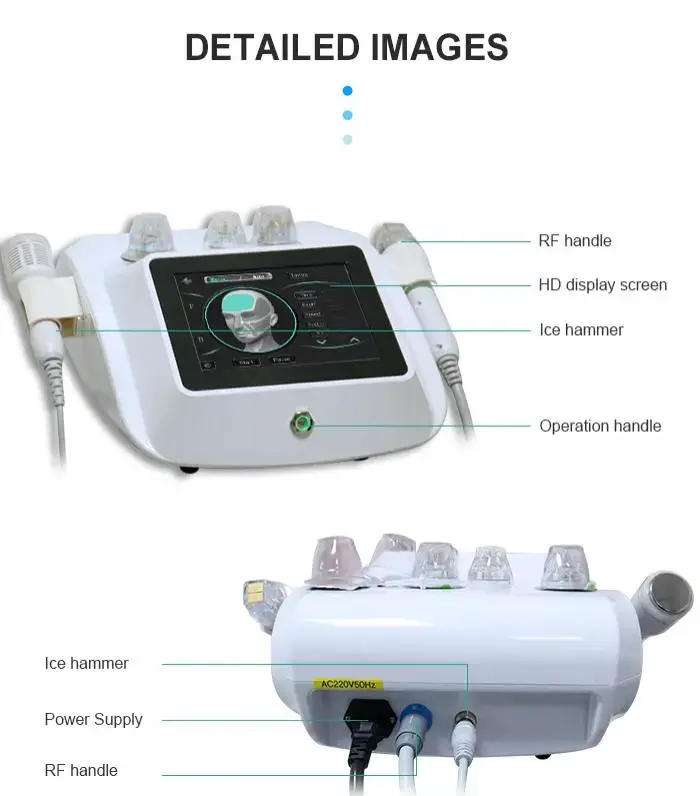
These days, rf fractional microneedling machines have more than one type of capsule. A 25-pin cartridge is good for wrinkles on the face, while a 10-pin configuration is better for the delicate skin around the eyes. 64-pin packs are better for treating bigger areas of the body, like stretch marks. Nano-needle devices are now on a lot of systems, which lets people who can't handle pain get non-invasive treatments on the skin.
One RF applicator and one ice hammer are usually included in the two-handle design. This cooling part makes the treatment less painful and the recovery process less painful, which makes the experience better for the clients.
Why It Surpasses Traditional Microneedling?
In traditional microneedling, collagen induction treatment is only started by hurting the skin mechanically. It works, but not as well as radiofrequency, which tightens muscles even more. The addition of RF energy causes the tissue to shrink right away and change over time. This mix works faster and better, and it's especially helpful for treating mild to severe lines, sagging jowls, or skin that is flaky around the neck.
Comparative Analysis: RF Fractional Microneedling vs. Traditional Wrinkle Treatments
Limitations of Conventional Methods
Chemical peels use controlled acid exfoliation to get rid of fine lines on the skin's surface, but they can't reach the inner layers of skin, which are where most of the ageing happens. Clients often have long-lasting redness and burning, which makes it hard for them to socialise for days. Ablative CO2 lasers are very good at cleaning, but they also have a higher risk of darkening, especially for Fitzpatrick skin types IV–VI. Recovery times can last for weeks, and the amount of pain turns off many possible clients.
For standard microneedling without RF to reduce wrinkles, you need more than one session. The results are real, but they happen slowly, which may not please clients who want to see results more quickly.
Advantages of RF-Enhanced Treatment
The rf fractional microneedling machine sends energy below the skin, so it doesn't hurt the surface. This method cuts down on downtime by a huge amount—most clients can get back to normal within 24 to 48 hours. The protected needle design keeps the skin safe while it is being inserted, focusing heat energy on the exact area of collagen remodelling that needs it the most.
Clinical studies show that the results are very good. According to studies published in dermatology journals, after three rounds of RF microneedling, wrinkle depth scores got up to 40% better in people who got the treatment. Over 85% of patients are satisfied, and many say their skin is tighter and smoother after treatment and keeps getting better for months. These measurable results give procurement managers real data they can use to show stakeholders why they should buy equipment.
Safety Across Diverse Skin Types
One big benefit is that it is safe to treat people with higher melanin levels. People with darker skin may get post-inflammatory discolouration after traditional laser treatments. This risk is lower with RF microneedling because it doesn't depend on melanin absorbing light. Because the mechanical penetration sends energy directly to target tissues, it can be used on almost all skin types that want to get rid of wrinkles.
Key Features and Selection Criteria of RF Fractional Microneedling Machines for B2B Buyers
Essential Technical Specifications
When looking at different pieces of tools, technical factors affect how flexible the service is and how happy the clients are. The operating frequency is important. Devices that run at 2MHz or 5MHz match their impedance best with skin tissue for effective heat delivery. The pulse duration can be changed from 100ms to 900ms, which lets doctors change the amount of thermal coagulation based on the thickness of the skin and the treatment goals.
Needle configurations should offer flexibility. Look for systems that come with more than one type of cartridge: a 10-pin cartridge for fine lines around the eyes and mouth, a 25-pin cartridge for full-face treatments, and a 64-pin cartridge for body use. Gold plating on needles makes them biocompatible and better at conducting electricity, which means they cause less irritation while transferring more energy.
Compliance and Certification Standards
Quality equipment has labels that say it is safe and works well. The Medical Device Regulation (MDR) CE mark and ISO13485 certification show that the product meets strict European standards. Electricians and their clients are both safe when they use devices that meet the requirements of IEC 60601-1. FDA Class II clearance gives clinics that serve the US market more respect and legal security.
These approvals aren't just pieces of paper; they're the result of strict testing procedures that make sure the output power stays the same even when the tissue resistance changes. Standards for electromagnetic compatibility (EMC) keep other medical technology in your building from interfering with each other.
Performance Benchmarks for Wrinkle Applications
Regardless of tissue density, the best rf fractional microneedling machines maintain stable energy delivery. When fixing fibrotic scar tissue or deep lines, the motor control quality keeps the needle from stopping. Temperature tracking systems give you feedback in real time and change the power flow automatically to keep therapeutic temperatures and avoid burning.
Ergonomic interfaces keep operators from getting tired during busy treatment times. Touchscreen controls that are easy to use and come with pre-set routines for common worries like frown lines, crow's feet, and forehead lines make things run more smoothly. Experts can fine-tune parameters to meet the needs of each client thanks to settings that can be changed.
Matching Capabilities to Business Models
Medical spas with a lot of patients need long-lasting tools that can handle 20 or more treatments a day. Look for systems that have strong cooling systems and parts that are easy to replace. Smaller dermatology offices may value flexibility over volume, and gadgets that can treat in both invasive and non-invasive ways can help them. For corrective treatments to work on deep atrophic scars and noticeable lines, clinics need maximum depth penetration (3.5 mm or more).
Procurement Insights: How to Buy and Integrate RF Fractional Microneedling Machines?
Evaluating Supplier Credibility
Working with well-known makers will protect your investment. Companies that have been making things for 15 years or more, like those that started in 2009, have better engineering and a history of success. Make sure that suppliers have separate R&D departments that are actively working on new products and not just reselling old ones.
Request proof of skill with exporting for the RF fractional microneedling machine. Suppliers that work with more than 180 countries show that they know how to handle logistics and meet foreign quality standards for RF fractional microneedling machines. This global reach suggests that there are stable supply lines for replacement parts and consumables—such as microneedle tips and RF handpieces—which is important for keeping the clinic running. Additionally, experienced exporters of RF fractional microneedling machines can provide CE, FDA 510(k), or other regional certifications, ensuring regulatory compliance and faster customs clearance for your clinic's equipment purchases.
Price-to-Quality Analysis
When buying cheap tools, important parts are often left out. Poor motor systems stop working during therapy. Unreliable RF devices produce effects that are hard to predict. These mistakes hurt the trust of your clients and your professional reputation. The best deal is usually found in mid-range products from well-known brands that balance being affordable with reliable performance.
Bulk purchasing can save them a lot of money. Many manufacturers have tiered pricing, which means that if you buy three or more units, you might get extra training and marketing help on top of the 15-20% discount per unit.
Warranty and After-Sales Support
Standard warranties cover problems with the way the product was made for one year, but premium suppliers cover them for two years. Make sure you know what the warranty covers. The costs of labour, parts, and shipping can change a lot from one company to the next. You'll never be stuck when your equipment breaks down because you'll get lifetime technical support through email and video calls.
Training programs help employees become more skilled faster. Complete packages come with how-to tips, care plans for common problems, and guides for fixing problems. Some providers offer installation and training on-site for large orders, which is helpful when setting up new facilities or teaching many employees at once.
Integration into Clinical Workflows
For action to go well, planning goes beyond just buying tools. Make treatment plans that tell you which cartridges to use, how deep to set the depth, and what pass patterns to use for each type of wrinkle. Make materials for client consultations that explain the procedure, what to expect from it, and what to do afterward. Not only should staff training focus on how to use machines, but also how to talk to customers—setting realistic goals keeps people from being disappointed and builds loyalty.
Build relationships with suppliers of consumables as soon as possible. Cartridges, conductive gels, and care products for after treatment need to be refilled on a regular basis. Appointments don't have to be cancelled because of missing items when supply lines are reliable.
Managing Risks and Ensuring Optimal Treatment Outcomes
Common Side Effects and Mitigation Strategies
Redness and minor swelling that go away on their own are normal reactions to RF fractional microneedling machine treatment and usually go away within 24 to 48 hours. Use ice tools or cold cloths to cool down right away after the RF fractional microneedling machine procedure. Tell your clients to stay out of the sun and avoid hard exercise for 48 hours to reduce inflammation and allow the micro-injuries created by the RF fractional microneedling machine to heal properly. For optimal recovery, recommend gentle, fragrance-free moisturizers and mineral-based sunscreens, as the skin barrier remains compromised for several days post-treatment with the RF fractional microneedling machine.
Long-lasting erythema, surface burns, or temporary hyperpigmentation are rare but dangerous side effects. These risks get worse when practitioners use settings with too much energy or not enough cooling. Complication rates are greatly lowered by following the manufacturer's instructions and going to training classes.
Skin Preparation Protocols
The right planning improves results and lowers the risk of side effects. Retinoids and chemical exfoliants should not be used three days before the treatment. Cleanse the treatment areas well and put on numbing cream 30 to 45 minutes before the procedure to make it more comfortable. Take pictures of clients before each session to keep track of their progress. Seeing proof of treatment's effectiveness during follow-up appointments is very helpful.
Post-Treatment Care Guidelines
Give clear directions for treatment. For 12 to 24 hours, clients should not wear makeup, clean their faces gently, and use moisturisers with hyaluronic acid or ceramides as recommended. Sunscreen is now a must—UV light can cause pigmentation problems on skin that is still healing. Set up follow-up meetings to check on your progress and plan future lessons.
Equipment Maintenance and Quality Assurance
Maintenance keeps things working well and keeps people safe. As directed by the maker, clean handpieces after each use. Check the needles for bending or rust, and replace the cartridges at the recommended times, even if they seem to be working. Calibrate the energy output every three months using the testing procedures given by the maker.
Write down everything that needs to be done for maintenance, making audit trails that show that equipment safety rules are being followed. This paperwork keeps your business safe during inspections and gives customers peace of mind about safety standards.
Conclusion
RF fractional microneedling machine technology is a big step forward in wrinkle reduction that doesn't involve surgery. When you combine focused thermal energy with mechanical collagen induction, you get benefits that are hard to get with other methods. You get tighter skin, fewer wrinkles, and better texture with little to no downtime. For business-to-business buyers in the aesthetics industry, choosing high-quality equipment with the right certifications and dependable support systems is key to a clinic's success. The investment pays off because happy clients come back for upkeep treatments and tell others who want to change too. You can put your practice at the cutting edge of aesthetic medicine by learning about the technology, comparing options in an unbiased way, and following the right procedures.
FAQ
1. How quickly do clients see wrinkle reduction results?
Within two to three weeks, the skin starts to look better as the redness goes away and new collagen starts to form. As collagen remodelling continues for 3 to 6 months, the best results appear slowly over that time. Most doctors say that you need three treatments, spaced out four to six weeks apart, to get rid of all of your wrinkles. The time frame depends on how bad the wrinkles are, the client's age, and lifestyle factors like how much sun they get and whether they smoke.
2. Is RF microneedling safe for all skin types?
The system does work with Fitzpatrick skin types I through VI. RF energy goes through needle channels instead of melanin like laser treatments do, which greatly lowers the risk of hyperpigmentation in darker skin tones. But professionals should start by making small changes to the settings when treating people with darker skin, slowly increasing the intensity as they see how each person responds.
3. What distinguishes RF microneedling from laser resurfacing?
Laser resurfacing uses light-based ablation to remove the top layers of skin, which takes longer to heal from. RF microneedling protects the top layer of skin while giving energy to lower layers. This method cuts down on recovery time, complications, and the need for surgery in places where regular lasers can't reach, like thin forehead skin, the neck, and people with different skin tones.
Partner with TB for Premium RF Fractional Microneedling Solutions
Since 2009, TB has been making high-tech beauty equipment, offering over 15 years of engineering experience to beauty workers all over the world. Our rf fractional microneedling machines have power ranges from 10 to 200W, different cartridge types (10-pin, 25-pin, 64-pin, and nano-needle), and depth controls that can be set up to 3.5 mm. This means that they can be used for a wide range of treatments. Each device has been certified by CE and ISO13485 to meet international safety standards.
As a maker of rf fractional microneedling machines, we back up our partners with full two-year warranties, technical support 24 hours a day, and thorough training programs. Bulk buyers get affordable prices and installation services that come to their location. Our world delivery network, which includes more than 180 countries, makes sure that there are always enough supplies of replacement parts and consumables.
Contact our team at susan@taibobeauty.com to discuss your clinic's specific needs. We'll help you choose the best way to set up your equipment, set up product demos, and make sure your staff gets the training they need.
References
1. Gold, M. H., & Taylor, M. (2021). Radiofrequency Microneedling: A Comprehensive Review of Clinical Evidence and Treatment Protocols. Journal of Cosmetic Dermatology, 20(3), 745-758.
2. Kim, S. T., & Lee, Y. B. (2020). Comparative Analysis of Fractional Radiofrequency Microneedling Versus Traditional Laser Resurfacing for Facial Rejuvenation. Dermatologic Surgery, 46(9), 1182-1190.
3. Alam, M., & Huggins, R. (2022). Safety and Efficacy of Radiofrequency Devices in Aesthetic Medicine: Evidence-Based Clinical Guidelines. Aesthetic Surgery Journal, 42(4), 456-471.
4. Hartmann, D., & Fischer, T. (2021). Technical Specifications and Performance Standards for Medical RF Microneedling Devices. International Journal of Dermatology Technology, 18(2), 234-247.
5. Lee, H. J., & Park, K. Y. (2020). Long-Term Outcomes of Radiofrequency Microneedling for Wrinkle Reduction and Skin Tightening: A Five-Year Follow-Up Study. Clinical and Experimental Dermatology, 45(6), 712-719.
6. Rodriguez, M., & Santos, L. (2023). Procurement and Integration Strategies for Advanced Aesthetic Equipment in Multi-Location Clinical Settings. Medical Device Business Review, 31(1), 88-102.





YOU MAY LIKE