
A Complete Guide to Diode Laser Hair Removal Machines
2026-07-24 08:57:53
Understanding diode laser Hair Removal Machines becomes crucial when looking at cutting-edge hair removal technology for your clinic or salon. These gadgets use semiconductor technology to make specific light bands (808nm, 755nm, and 1064nm) that selectively heat melanin in hair cells and break it down. This process turns light energy into heat, which destroys the structures of the follicle while protecting the tissue around them. The technology solves important problems, like how to safely treat different skin types, get long-lasting results with fewer sessions, and give reliable results that build trust and income.
Introduction
This guide tells you everything you need to know about diode laser Hair Removal Machines technology. It's written for global B2B buyers, like salons, clinics, distributors, and OEM partners. We look at the basic ideas behind technology, the benefits of how it works, and the market factors that are important for making smart buying decisions. The focus goes beyond the specs of the equipment and includes safety standards, following the rules, and business applications that have a direct effect on your bottom line.
This article talks about how picking the right equipment supplier can affect your long-term success through quality control, technical support, and consistent service. This guide gives procurement teams the information they need to choose efficient, cost-effective solutions that meet business needs and meet client standards, whether they're adding new services or replacing old ones.
Understanding Diode Laser Hair Removal Machines
Core Technology Principles
A scientifically proven mechanism makes diode laser Hair Removal Machines work. The gadget sends out focused light with certain colours that melanin can receive. Melanin-containing hair shafts and follicles turn this light energy into heat, which raises temperatures to levels that damage germinative cells that cause hair growth in a way that can't be fixed. This tailored method protects the epidermis and skin layers around the treatment area as much as possible, making treatments safer and more comfortable than with older technologies.
The choice of wavelength has a direct effect on how well the treatment works. The 755nm range can absorb a lot of melanin, which makes it great for people with fine hair and lighter skin (Fitzpatrick I–III). As the gold standard, the 808nm wavelength goes deeper and works well on all skin types with a good balance of speed and effectiveness. 1064nm, on the other hand, is safest for darker skin tones (Fitzpatrick IV–VI) and tanned skin because its longer wavelength stops melanin from being absorbed by the epidermis while still reaching the target follicles.
Safety Considerations and Clinical Expectations
Professional tools have a lot of safety features built in. Systems that use TEC (thermoelectric cooling), sapphire contact cooling, and water movement to keep tip temperatures between -5°C and 5°C protect the skin's surface while the treatment is going on. This multi-layer cooling method keeps the patient comfortable and keeps the epidermis from getting too hot.
When B2B buyers expect to be treated, they need to be realistic. For best results, clients usually need 6–8 sessions, spaced out 4–6 weeks apart, plus yearly maintenance sessions. After following the treatment plans, hair loss can range from 70% to 90%. Results depend on hair colour, thickness, hormonal factors, and how well the treatments are followed. Mild redness or follicular oedema are examples of temporary side effects that usually go away within hours. However, these responses can be kept to a minimum with proper operator training.
Regulatory Compliance Requirements
For salons and centers that work in controlled areas, getting certified is a must. For European markets, equipment should have CE certification. For U.S. operations, it should have FDA clearance and ISO 13485 certification, which shows that it has quality control systems. These approvals let customers know that gadgets meet strict performance and safety standards. This keeps your business safe from lawsuits and boosts patient trust.
Comparing Diode Laser With Other Hair Removal Technologies
Diode Versus Alexandrite Systems
Alexandrite lasers use 755nm wavelengths, which have a high rate of melanin absorption. This makes them good for people with lighter skin who have dark hair. But their limited range of uses makes them less flexible. People with darker skin can get burnt by these systems, and they have trouble with fine or light-colored hair. Modern diode laser Hair Removal Machines are also faster when it comes to treatment.
IPL Technology Limitations
Broad-spectrum flashlamps are used instead of lasers in intense pulsed light (IPL) systems. ipl machines are cheaper at first, but they have a lot of problems for serious practitioners. The light that isn't coherent scatters across a range of wavelengths (500-1200nm), making it harder to target and needing more energy. While giving uneven results, this makes you feel worse and raises the risk of side effects.
Long-term IPL ownership is also affected by the cost of consumables. Flashlights usually need to be replaced every 50,000 to 100,000 pulses, which means that you have to keep paying for them. Quality diode laser bars, especially those made in the United States by companies like Coherent, can fire 20 to 50 million shots without losing any of their power. This makes operations much cheaper.
Professional Versus Consumer Devices
Compared to professional systems, which use 40 to 120J/cm², home devices use much less power (usually less than 5J/cm²). Because of this difference in power, consumer electronics need a lot more treatments that don't last as long. Professional equipment also has bigger spot sizes (12x36mm vs. 3x2cm), better cooling systems, and parameters that can be changed, which home devices don't have.
This difference opens up a market opportunity for B2B buyers. When you invest in clinical-grade technology, you create demand for your services because clients who have had bad experiences with consumer products will actively seek professional treatments.
Selecting the Right Diode Laser Hair Removal Machine for Your Business
Critical Performance Parameters
How fast and well a treatment works depends on how much power it has. Professional systems have wattages ranging from 600W to 2000W. Higher wattages allow for faster repetition rates and shorter treatment times. A full back can be treated with a 1200W system in 20 to 30 minutes, but it takes almost twice as long with a 600W system. When figuring out how much power you need, you need to figure out how many patients you have and how fast you need to treat them.
Spot size has a big effect on how well it works. Large spot sizes (12x36mm) cover a larger area with each pulse, which shortens treatment times and makes the patient feel better. Smaller spots (9x9mm) need more passes, which makes appointments take longer and limits the number of patients who can be seen each day. The best spot size strikes a mix between covering and the ability to treat smaller face areas and curved body parts.
Operators can tailor treatments because the frequency can be changed from 1 to 10 Hz. Higher frequencies make it possible to use "in-motion" moving methods that make treatment faster and less painful. For tough, coarse hair, lower frequencies give more energy per pulse. Systems with wide frequency bands can be used for a variety of treatment methods and patient needs.
Essential Certifications and Standards
If something has a CE mark, it means it meets European safety, health, and environmental protection guidelines. Businesses that do business in or send goods to European markets need to have this marking. In order to get certified, the product has to pass strict tests for electrical safety, electromagnetic compatibility, and clinical effectiveness.
Having ISO 13485 certification shows that a company uses quality management systems that are designed to work with medical devices. This certificate shows that the production standards are uniform and that the products can be tracked and inspected after they have been sold. Suppliers who have ISO 13485 certification usually offer more reliable tools and quick customer service.
Even though it's not always necessary, FDA approval shows that a piece of equipment meets strict U.S. safety standards. Businesses outside of the US can benefit from FDA-approved devices because this approval often goes above and beyond what is needed in other markets and gives the product more authority when selling it.
Supplier Evaluation and OEM Opportunities
Picking the right supplier is just as important for long-term business success as picking the right equipment. Manufacturers with 15 years or more of experience in the field have a track record of success, well-established quality control systems, and large networks of people who can help customers after the sale. Look for suppliers that offer warranties that cover both parts and labour for at least two years and have technical support that is quick to respond and available in all time zones.
OEM and ODM services help distributors and large operators with multiple locations stand out in the market. Branded interfaces, changed software protocols, custom colour schemes, and unique treatment methods are some of the ways that customisation can be done. These changes make your brand consistent across locations and set your products apart from those of competitors who use the same equipment.
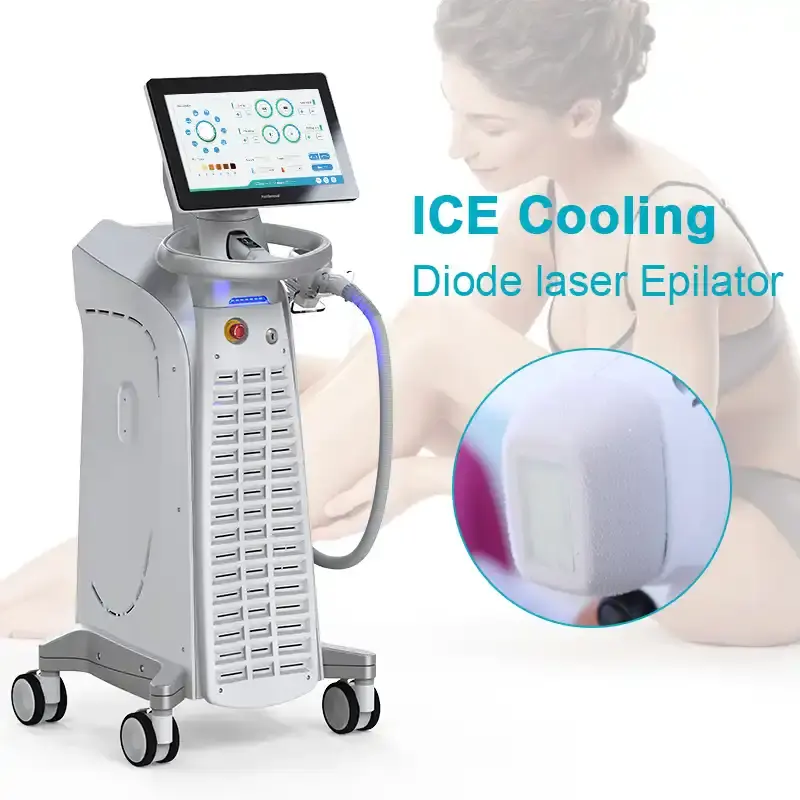
Our company, Xi'an Taibo Laser Beauty Company, has been making professional beauty tools for more than 15 years. Our diode laser Hair Removal Machines use American Coherent laser bars that can fire at least 50 million times, as well as pumps from Italy, cooling plates from Japan, and power supplies from Taiwan. The triple-wavelength platform (755nm, 808nm, and 1064nm) works on all hair and skin colours with just one system, giving you more options for your services.
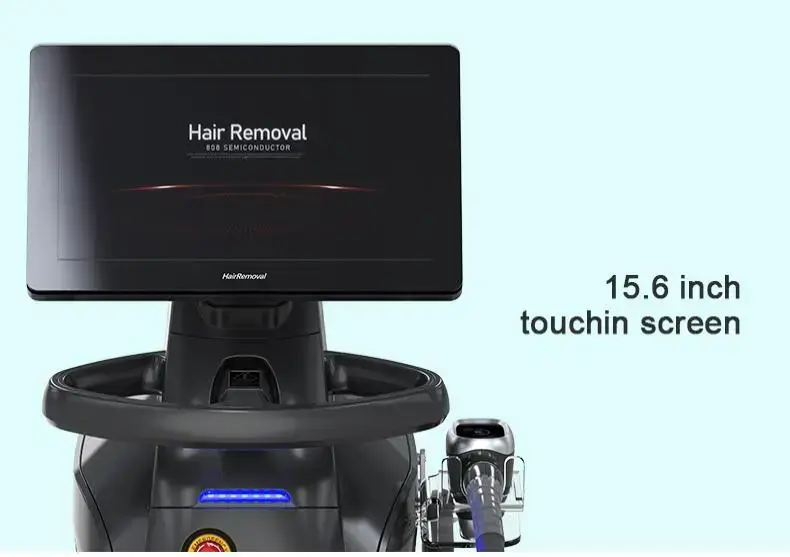
Our devices have a 12-inch smart tablet interface with pre-set routines to make things easier for the operator. The 12x36mm spot size makes it possible to quickly treat the whole body. The advanced cooling system uses air flow, semiconductor refrigeration, TEC, and water movement to keep patients comfortable even when the treatment is very harsh. Power choices from 600W to 2000W can be used by a wide range of businesses, from small workshops to medical spas with a lot of patients.
Warranty and Service Considerations
Full warranty coverage keeps your investment safe. Most warranties should cover the main unit and laser handles for at least two years. Check to see what parts are covered by the guarantee. Reliable makers will cover more than just the chassis and less important parts, like laser bars, cooling systems, and electronic parts.
Support after the sale is what keeps operations going. Manufacturers should give customers thorough instructions, video guides, and quick technical help through a variety of methods, such as the phone, email, and chat apps. With remote testing, providers can fix problems without having to go to the site, which cuts down on downtime. If your business does a lot of work, check to see if the seller has extra handles and other important parts that can be used while the machine is being fixed.
Maximizing ROI and Operational Efficiency with Diode Laser Machines
Treatment Protocol Optimization
To get the best results, guidelines must be specially made for each patient. Fine hair responds well to 755nm wavelengths with moderate fluence (35–50J/cm²), but coarse hair needs more energy (60–80J/cm²) and 808nm wavelengths penetrate deeper. Darker skin types need lower levels of 1064nm wavelengths to keep the epidermis from getting hurt while still blocking pores.
Treatment times are based on how fast hair grows. Sessions that are 4 to 6 weeks apart focus on follicles when they are actively growing, which is when the amount of melanin is highest. Areas of the face that have shorter growth cycles can have intervals that are a little shorter, while intervals for body areas can be 6 to 8 weeks. Following protocols that are based on evidence increases the chances of permanent reduction and decreases the number of sessions needed.
Revenue Optimization Strategies
Setting prices has a direct effect on how much money you make. The pricing of packages, which include 6–8 sessions and are 15-20% cheaper than single lessons, motivates people to finish their treatment. This method increases cash flow, makes sure patients follow instructions for better results, and lowers the routine work needed for multiple booking processes.
Treatment speed lets you see more patients each day. If a system could do full legs in 25 minutes instead of 45 minutes, 30 to 40 percent more appointments could be made every day. When looking at new tools, you should think about how much more money you could make—faster treatments that keep working just as well directly increase earning potential without adding to working hours.
Upselling related services to existing ones brings in more money per client. People who get hair removed often also get their skin rejuvenated, colour treated, or their bodies shaped. Equipment platforms with multiple modes of operation or sellers with a wide range of products make it possible for full service options that raise average transaction values and client lifetime values.
Staff Training and Certification
The skill of the operator has a big effect on the results and safety. Laser physics basics, skin typing, parameter selection, treatment methods, and how to handle complications should all be covered in in-depth training classes. Suppliers who offer structured training that leads to certification show that they are dedicated to clinical excellence and reducing risk.
As standards change, continuing education keeps people competent. Your team will always get great results as long as they get regular refresher training, learn about new techniques, and have access to clinical support resources. This investment in people saves your image and gets the most out of your equipment purchases.
Case Study: Multi-Location Spa Chain
A spa chain in the area with eight sites got rid of old IPL systems and replaced them with triple-wavelength diode laser Hair Removal Machines. Treatment times were cut by 40% thanks to the investment, which meant that 25% more appointments could be held every day without having to hire more staff. Client satisfaction scores went up by 18 percentage points, and completion rates for treatment packages went up by a huge amount.
The equipment's versatility across skin types reduced the need for multiple devices, lowering maintenance costs and simplifying inventory management. After-sales assistance from the manufacturer cut down on downtime, and technical problems were fixed online in hours instead of days. Within 18 months, the chain fully recovered the costs of the equipment through higher sales and better customer retention, while establishing hair removal as a signature service that differentiated them from competitors.
Conclusion
When choosing the right diode laser Hair Removal Machines tools, you need to find a balance between technological skills, legal compliance, supplier trustworthiness, and business model alignment. Triple-wavelength systems can treat a wide range of patients, and strong cooling technology makes sure patients are safe and comfortable, which builds customer loyalty. You can protect your investment and keep your business running by looking at suppliers' manufacturing experience, certification portfolios, warranty coverage, and after-sales support. The tools you pick will have a direct effect on how well your treatments work, how happy your patients are, how efficiently your business runs, and ultimately, how competitive you are in the growing market for beauty services. Your business is set up for long-term growth and clinical success if you make procurement choices based on thorough evaluation criteria.
FAQ
1.How many treatment sessions do clients typically require for permanent hair reduction?
Most people get the best results with 6 to 8 treatments, spaced out 4 to 6 weeks apart and done when hair is actively growing. The number of sessions needed depends on things like hair colour, thickness, hormonal factors, and the treatment area. Hair that is darker and coarser reacts more quickly, while hair that is fine or light may need more lessons. Once or twice a year maintenance treatments help keep the effects for a long time.
2.Are triple-wavelength diode laser systems safe for all skin types?
Yes, operators can safely treat all Fitzpatrick skin types (I–VI) with good triple-wavelength diode laser Hair Removal Machines as long as they choose the right colours and settings. The frequency of 755nm is best for lighter skin tones, 808nm is good for all skin types, and 1064nm is the safest for darker skin tones. Modern cooling systems and fluence settings that can be changed allow for customisation that keeps treatments working well and avoids complications for a wide range of patients.
3.What warranty and support should businesses expect from reputable suppliers?
Professional-grade gear should come with warranties that cover all of its parts for at least two years. This includes laser bars, cooling systems, and electronic parts. Manufacturers with a good reputation offer specific training materials, remote technical help, and quick response times, usually within 24 hours. For high-volume operations that need maximum uptime, look for suppliers that offer spare parts, software updates, and on-site service.
Partner With Taibo Laser for Professional Diode Laser Hair Removal Machines
The choices you make about purchases will affect your clinic's image and ability to make money for years to come. Taibo Laser Beauty Company has been making clinical-grade beauty tools for 15 years, so they know how to make high-quality products. Our qualifications as a diode laser Hair Removal Machines supplier include CE and ISO 13485 certifications, which make sure that we follow the rules in all foreign markets.
Performance is shown by the technical details: American Coherent laser bars can fire more than 50 million shots, have three wavelength choices (755nm, 808nm, and 1064nm), can handle power levels from 600W to 2000W, and use modern cooling systems that combine TEC, semiconductor, and water. The 12x36mm spot size lets treatments happen quickly, and the 12-inch touchscreen makes things easier to do.
Along with high-quality equipment, we offer full support, such as two-year warranties, technical support 24 hours a day, 7 days a week, detailed training programs, and flexible OEM/ODM services for custom branding. Our global distribution network reaches more than 180 countries, and our well-established logistics make sure that deliveries happen on time and that service doesn't stop.
Contact our team at susan@taibobeauty.com or via WhatsApp +86 18292082658 to talk about how our solutions fit with your unique business needs. Visit taibolaserbeauty.com to see our full line of products and learn why top clinics around the world trust Taibo for their beauty technology needs.
References
1. Anderson, R.R., & Parrish, J.A. (1983). Selective photothermolysis: Precise microsurgery by selective absorption of pulsed radiation. Science, 220(4596), 524-527.
2. Haedersdal, M., Beerwerth, F., & Nash, J.F. (2011). Laser and intense pulsed light hair removal technologies: From professional to home use. British Journal of Dermatology, 165(Suppl 3), 31-36.
3. Lanigan, S.W. (2003). Management of unwanted hair in women. Clinical and Experimental Dermatology, 28(4), 388-393.
4. Sadighha, A., & Mohaghegh Zahed, G. (2009). Meta-analysis of hair removal laser trials. Lasers in Medical Science, 24(1), 21-25.
5. Town, G., & Ash, C. (2010). Instrumental evaluation of laser-assisted hair removal: A review. Journal of Cosmetic and Laser Therapy, 12(2), 62-71.
6. Raulin, C., Greve, B., & Grema, H. (2003). IPL technology: A review of laser and light sources in dermatology. Lasers in Surgery and Medicine, 32(3), 210-223.





YOU MAY LIKE