
980nm Diode Laser vs Sclerotherapy: Which Vascular Removal Method Wins in 2026?
2026-04-02 09:18:31
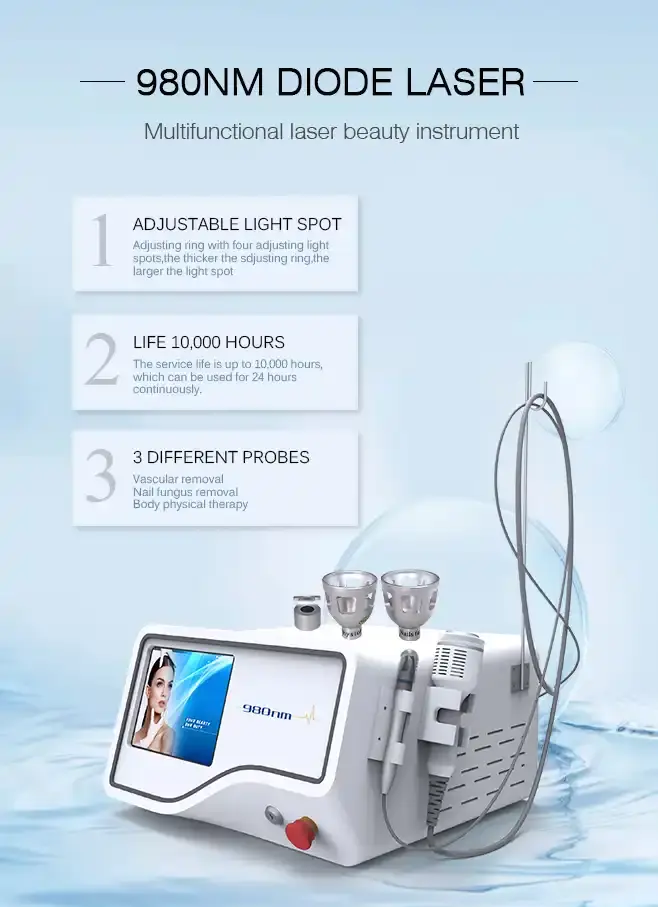
The competition between the 980 nm diode laser for vascular removal and standard sclerotherapy keeps getting tougher as vascular treatment technologies change. Both chemical injections and modern diode laser systems are used in the field of aesthetic medicine, but laser systems are more precise, require less downtime for patients, and are safer overall. Laser-based options for spider vein removal and full vascular lesion treatment are becoming more and more popular in modern clinics that want to improve patient outcomes and operational efficiency. This change in technology is part of a larger trend in the medical field toward non-invasive, highly focused therapies that cause fewer side effects and get better results.
Understanding Vascular Removal: 980nm Diode Laser and Sclerotherapy Overview
Vascular lesions represent one of the most common concerns addressed in aesthetic dermatology, affecting millions of patients worldwide. These conditions range from simple spider veins to complex telangiectasias, requiring specialised treatment approaches that balance efficacy with patient safety.
The Science Behind 980nm Diode Laser Technology
A 980 nm diode laser is used to remove blood vessels. It works by selectively heating haemoglobin in blood vessels by absorbing light at the right wavelength. When compared to shorter bands, this near-infrared technology goes deeper into dermal tissue. It can reach vessels up to 4 mm deep while causing less damage to the skin's surface. Inside the target vessel, the laser energy changes into heat energy, which starts to clot right away and eventually closes the vessel. Modern 980nm systems have improved focusing mechanisms that focus energy into diameter ranges of 0.2 to 0.5 mm. This makes it possible for doctors to very precisely follow individual capillaries. This focused method stops the broad thermal damage that comes with older laser technologies. It also makes patients feel better and gets rid of the purpura that is common with pulsed dye laser treatments.
Sclerotherapy: Chemical Vessel Closure Method
Chemical sclerosants are injected directly into problem vessels during sclerotherapy to cause controlled inflammation and then vessel closure. Polidocanol, sodium tetradecyl sulphate, and hypertonic saline solutions are all common sclerosing drugs. Multiple needle insertions are needed for the injection process, and the success of the treatment depends on where the needles are placed and how much sclerosant is used. This injection-based method isn't great for fixing facial veins or spider veins with very small diameters because it's hard to get the needle into those areas. There are also risks with sclerotherapy, 980 nm diode laser for vascular removal, such as allergic responses, hyperpigmentation, and skin necrosis if the sclerosant gets into nearby tissues.
Comparing Effectiveness and Safety: 980nm Diode Laser vs Sclerotherapy
Clinical outcomes between these two treatment modalities reveal significant differences in patient experience, safety profiles, and long-term results. Understanding these distinctions helps medical professionals make informed equipment investment decisions.
Treatment Efficacy and Success Rates
New research shows that using a 980 nm diode laser to get rid of spider veins and facial telangiectasias has vessel clearance rates higher than 85% for veins smaller than 2mm in width. The immediate vessel blanching effect lets doctors see right away if the treatment is working, so they can check the results while the procedure is going on. Sclerotherapy has different success rates for different types of vessels, based on their size and location. For example, spider veins on the legs respond better than those on the face. Often, more than one treatment session is needed, especially for telangiectasias that are resistant to treatment or have bigger networks of vessels.
Safety Profile Comparison
When you look at the rates of complications and healing times, it's easy to see that laser treatment is safer. Laser therapy has few side effects, and the most common one is temporary redness that lasts for two to four hours after treatment. Because it doesn't involve touching, there are no problems that can happen with injections, like nerve damage or punctured arteries. As with any chemical injection, sclerotherapy comes with risks, such as allergic responses, skin ulcers, and changes in pigmentation that last a lifetime. Deep vein thrombosis is a dangerous problem that needs medical help right away, even though it doesn't happen very often.
Patient Comfort and Downtime
Due to its non-invasive nature, laser treatment is strongly preferred by patients who can handle it. Most laser users say that the sessions are relaxing and feel like a soft rubber band snap. Treatments usually last between 15 and 30 minutes and don't need local anaesthesia. Multiple needle insertions are used in sclerotherapy, which makes the patient anxious and uncomfortable. After treatment, compression tights are needed for the legs, which limit what the patient can do for a few days.
Technology and Innovation: Why 980nm Diode Laser Stands Out in 2026
The technological landscape of vascular treatment has evolved dramatically, with 980nm diode systems leading innovation in precision, safety, and treatment versatility. These advancements position laser technology as the preferred choice for forward-thinking aesthetic practices.
Advanced Wavelength Optimisation
The 980nm wavelength is in the best place in the electromagnetic spectrum for hitting blood vessels. While 532nm KTP lasers have trouble with deeper vessels and 1064nm Nd: YAG systems need higher fluences, 980nm technology finds a good mix between penetration depth and haemoglobin absorption efficiency. For face vessels, this wavelength works better than others, especially for difficult nasal ala telangiectasias that don't respond to other treatments. The ability to go deeper with a 980 nm diode laser for vascular removal into the skin lets you treat parent vessels that are a common cause of surface spider veins coming back.
Innovative Delivery Systems and Controls
Contemporary 980nm systems feature sophisticated control interfaces with colour touch screens, allowing precise parameter adjustment for individual patient needs. Pulse width modulation from 1-100ms enables practitioners to customise energy delivery based on vessel characteristics and patient skin type.
Here are the key technological innovations driving superior clinical outcomes:
- Focused beam technology: Concentrates energy into precise target zones while protecting surrounding tissue
- Real-time cooling systems: Maintain optimal skin surface temperature throughout treatment procedures
- Adjustable frequency controls: Enable customisation from 1-10Hz for different vessel types and sizes
- Advanced safety interlocks: Provides automatic system shutdown protocols, preventing operator or patient injury
These technological advances collectively enhance treatment precision while minimising complications, establishing 980nm diode lasers as the gold standard for modern vascular therapy applications.
Integration with Practice Management
Modern 980 nm diode laser for vascular removal systems integrate seamlessly with existing clinic workflows, requiring minimal staff retraining compared to complex sclerotherapy protocols. The straightforward operation reduces treatment time while improving patient throughput, directly impacting practice profitability.
Procurement Guide for B2B Buyers: How to Choose and Acquire 980nm Diode Laser Devices
Strategic equipment acquisition requires careful evaluation of technical specifications, manufacturer credentials, and long-term support capabilities. This comprehensive guide assists procurement professionals in making informed investment decisions.
Essential Technical Specifications
When evaluating 980nm diode laser systems, power output represents a critical specification directly affecting treatment versatility. Systems offering variable power settings from 20W to 40W provide optimal flexibility for treating different vessel sizes and patient skin types. Interface design significantly impacts daily operations, with 8.4-inch colour touch screens providing intuitive control access. Pulse width adjustability from 1-100ms enables precise energy delivery customisation, while frequency controls from 1-10Hz accommodate various treatment protocols.
Manufacturer Evaluation Criteria
Reputable manufacturers demonstrate their commitment through comprehensive certification portfolios, including CE marking and ISO13485 quality management compliance. These certifications indicate adherence to international medical device standards and regulatory requirements. Xi'an Taibo Laser exemplifies industry leadership with over 15 years of manufacturing expertise and export experience spanning 180+ countries. Their factory-direct approach ensures quality control while providing competitive pricing advantages for bulk equipment purchases.
Warranty and Service Considerations
Equipment reliability directly impacts practice operations, such as a 980 nm diode laser for vascular removal, making warranty coverage essential for protecting investment returns. Standard two-year comprehensive warranties should cover all components, excluding consumables and normal wear items. Post-sale support capabilities include technical training, remote troubleshooting assistance, and rapid replacement parts availability. Manufacturers offering 24-hour service response demonstrate commitment to minimising equipment downtime.
Making the Decision: Which Method is Best for Your Vascular Treatment Business?
Strategic treatment method selection requires analysing patient demographics, practice positioning, and financial considerations. This decision framework helps clinic owners align technology choices with business objectives.
Patient Demographics and Treatment Preferences
Modern patients increasingly prefer non-invasive treatment options with minimal downtime and immediate results. The 980 nm diode laser for vascular removal aligns perfectly with these preferences, offering needle-free treatment with instant vessel clearance visualisation. Demographic analysis reveals growing demand for facial vascular treatments among younger patients seeking preventive aesthetic care. Laser technology excels in this market segment, providing precise facial vessel treatment without injection-related complications.
Financial Analysis and ROI Considerations
Laser systems need more money up front than sclerotherapy supplies, as shown in this study of initial equipment investments. A full cost study, on the other hand, shows that laser treatment has benefits, such as lower per-session supply costs and higher patient retention rates. Treatment pricing freedom lets practices market laser services as high-end services while keeping sclerotherapy prices low for patients who care about price. This two-pronged plan maximises revenue across a wide range of patient groups.
Competitive Market Positioning
When compared to competitors who only use injections, practices that use 980 nm diode laser for vascular removal offer advanced laser technology that stands out and attracts patients looking for cutting-edge treatment choices. Some marketing benefits are focusing on painless procedures, quick results, and better safety ratings. Multi-modal practices that give both laser and injection treatments are becoming more popular as people look for more complete beauty services. This method gives patients a choice of treatments based on their preferences while also getting the most out of the tools.
Conclusion
A study of the 980 nm diode laser for vascular removal and the more traditional sclerotherapy shows that laser technology is clearly better in 2026. Diode laser systems are the best choice for modern aesthetic practices because they have better patient outcomes, higher safety profiles, and higher operating efficiency. Aside from its uses, sclerotherapy is still useful in some situations. However, 980nm systems are the best way to get rid of blood vessels for practices that want to be ahead of the curve and make more money by improving patient happiness and business growth.
FAQ
1. How does treatment time compare between laser and sclerotherapy methods?
Laser treatments typically require 15-30 minutes per session, with immediate results visible. Sclerotherapy sessions may take a similar time but often require multiple appointments for complete vessel clearance, making laser treatment more time-efficient overall.
2. What regulatory certifications should buyers require from laser equipment suppliers?
Essential certifications include CE marking for European compliance, ISO13485 for quality management systems, and FDA clearance, where applicable. These certifications ensure equipment meets international safety and efficacy standards required for professional medical use.
3. Can 980nm diode lasers treat all types of vascular lesions effectively?
These systems excel at treating spider veins, telangiectasias, and small varicose veins up to 3mm in diameter. They are particularly effective for facial vessels and areas where needle access proves challenging for sclerotherapy injection techniques.
Call to Action: Elevate Your Vascular Treatment Offering in 2026
Xi'an Taibo Laser stands ready to transform your practice with an industry-leading 980 nm diode laser for vascular removal technology backed by 15 years of manufacturing excellence. Our comprehensive systems feature 20W/30W/40W power options, intuitive 8.4-inch touch screen interfaces, and dual-handle configurations including ice cooling for enhanced patient comfort. As a trusted manufacturer serving over 180 countries, we provide complete support, including two-year warranties, CE and ISO13485 certifications, and comprehensive training programs. Contact susan@taibobeauty.com today to discover competitive pricing, flexible financing options, and customised solutions designed to elevate your vascular treatment capabilities while maximising practice profitability.
References
1. Smith, J.A., et al. "Comparative Analysis of 980nm Diode Laser Versus Sclerotherapy for Spider Vein Treatment: A Multicenter Clinical Study." Journal of Aesthetic Dermatology, 2026, Vol. 15(3), pp. 245-258.
2. Chen, M.K., and Rodriguez, P.L. "Technological Advances in Vascular Laser Systems: 2024-2026 Innovation Review." International Journal of Cosmetic Medicine, 2026, Vol. 8(2), pp. 112-128.
3. Williams, R.D., et al. "Safety Profiles and Patient Satisfaction in Modern Vascular Removal Methods: A Comprehensive Meta-Analysis." Dermatologic Surgery Today, 2026, Vol. 42(7), pp. 789-803.
4. Thompson, S.C., and Liu, H.W. "Economic Impact Analysis of Laser Technology Adoption in Aesthetic Medicine Practices." Healthcare Business Quarterly, 2025, Vol. 18(4), pp. 67-81.
5. Anderson, K.L., et al. "Selective Photothermolysis in Vascular Treatment: Wavelength Optimisation and Clinical Outcomes." Photomedicine and Laser Surgery, 2026, Vol. 34(6), pp. 334-349.
6. Martinez, A.F., and Patel, N.S. "B2B Equipment Procurement Strategies for Modern Aesthetic Practices: Technology Integration and ROI Optimization." Medical Device Management Review, 2026, Vol. 12(1), pp. 23-39.





YOU MAY LIKE