
Why RET CET RF 448kHz Is Used for Lymphatic Drainage Treatments
2026-06-09 09:07:22
The ret cet rf 448khz technology has become an important part of current lymphatic drainage treatments because it works at an exact frequency that improves ion exchange between cells without damaging the tissue. The 448kHz standard is different from other radiofrequency devices because it targets the bioelectrical qualities of human tissue. This helps the lymphatic system work naturally by creating controlled thermal and sub-thermal effects. This frequency lets doctors target fluid retention, swelling after surgery, and metabolic waste buildup very precisely. This makes it the best choice for health centers, skin clinics, and rehabilitation facilities looking for non-invasive solutions based on evidence.
Understanding RET CET RF 448kHz Technology in Lymphatic Drainage
The Science Behind 448kHz Frequency Selection
The frequency of 448kHz is a carefully measured electromagnetic range that works best with living things. Electrotherapy research shows that this frequency helps proionic ion exchange, a process that makes charged particles move easily across cell walls. This balances cells and speeds up metabolic processes. When used in lymphatic drainage routines, this frequency wakes up lymph vessels that aren't working well, improves microcirculation, and helps the body's natural detoxification routes without hurting the lymphatic structures that are already there.
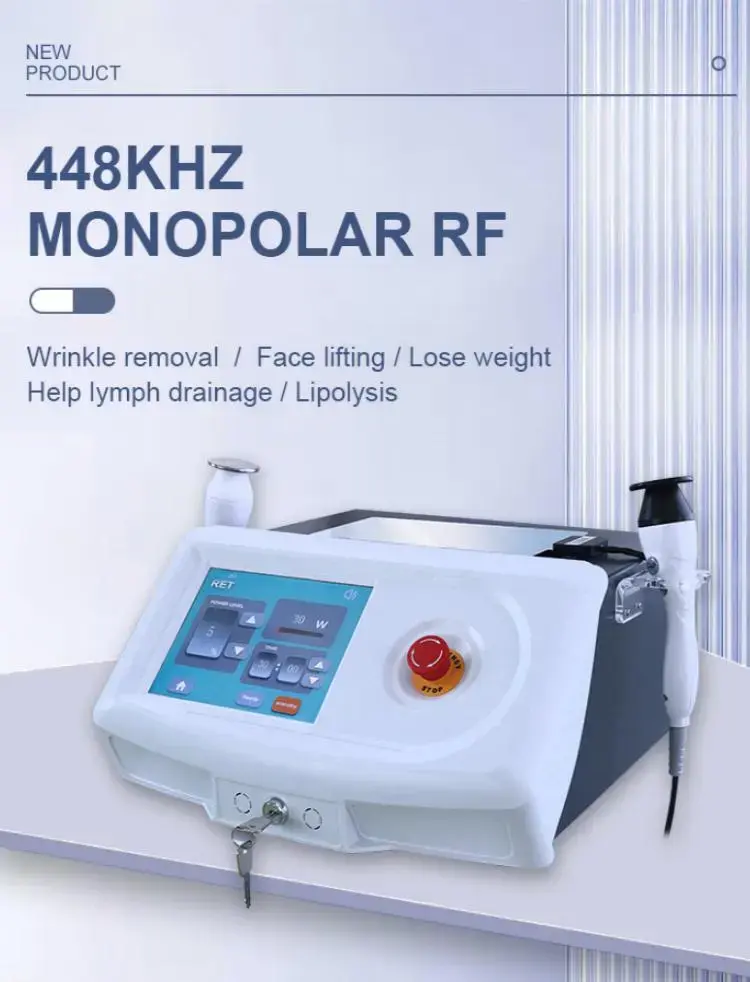
At Xi'an Taibo Laser, our 448kHz monopolar RF system works at 100W output power and can work with AC 110–240V. It can treat up to 5mm of depth consistently. This amount of entry gets to both the lymphatic capillaries on the surface and the collection vessels deeper in the tissue. This means that it can treat congestion at more than one tissue layer at the same time. The device has overheat security and an automatic shut-off feature that keep the user safe during long treatment sessions.
Dual-Mode Technology: CET and RET Explained
This technology works well for lymphatic flow because it has two different ways of operation. Capacitive Electric Transfer (CET) uses a shielded electrode that acts as a capacitor plate, and the body of the patient acts as a second plate. This shape targets tissues that are high in water, like lymph fluid, interstitial areas, and arterial networks. This makes it perfect for treating superficial edema and encouraging lymphatic movement at the skin's surface.
In resistive electric transfer (RET), an electrode that is not insulated moves electricity straight into high-resistance tissues like connective tissue, adipose deposits, and lower fascial layers. When dealing with lymphatic blockage caused by visceral fat buildup or chronic inflammation, the RET mode goes deeper into the body and breaks down fibrous adhesions that block lymph movement. This two-mode flexibility lets doctors tailor treatments to each patient's needs, whether they are dealing with severe post-operative swelling or ongoing lymphedema.
Tissue Penetration and Temperature Control
Professional lymphatic draining equipment is different from consumer-level equipment because it can control the temperature. The 448kHz frequency causes controlled thermal effects in specific regions between 38°C and 42°C, which has been shown to open up lymphatic vessels without causing inflammation. This temperature window turns on heat shock proteins, which improve the body's repair systems for cells and make the lymphatic system more contractile. This increases the regular pumping action that is needed to move fluid through the lymphatic system.
Real-time impedance tracking in our system changes the power supply based on tissue resistance. This stops hotspots and makes sure that the energy is spread evenly. This RET CET RF 448kHz feedback system works especially well when treating places with different densities of tissue, like the areas where lymphatic drainage routes meet between the limbs and the chest.
Comparing RET CET RF 448kHz with Other RF Frequencies for Medical Devices
Frequency Stability and Clinical Precision
When buying teams look at RF technologies for lymphatic uses, frequency stability is one of the most important things that sets them apart. Higher frequency options, like 433MHz units made for wireless transmission, lose signal when they hit biological loads, but the 448kHz standard keeps the output constant even when the impedance of the tissue changes. Stability is important for medical uses because lymphatic vessels work best with steady, regular energy supply instead of signs that change all the time.
Comparative tests show that 448kHz systems have less than 2% frequency shift when they are used continuously, while reused communication-frequency devices can change by 8–12%. This accuracy means that clinical results can be repeated, which is very important for practices that are making treatment plans and keeping track of patient progress over multiple visits.
Interference Mitigation in Clinical Settings
Aesthetic clinics and health centers of today use a lot of electronic gadgets at the same time, which can cause electromagnetic interference. The 448kHz frequency is in a fairly quiet part of the electromagnetic spectrum, so it doesn't interfere with 2.4GHz and 5GHz WiFi networks, 2.4GHz Bluetooth links, and other popular medical equipment. This separation makes sure that lymphatic drainage treatments don't get interrupted by close gadgets or signal cross-talk that could change the parameters of the treatment.
One more benefit of the designated medical frequency allocation is that it helps with legal compliance. IEC 60601-1-2 sets strict standards for electromagnetic compatibility that devices working at 448kHz meet. This makes the certification process easier and lowers facility owners' worries about liability.
Energy Efficiency and Treatment Economics
From the point of view of buying, the 448kHz technology uses less energy than higher-frequency options. Our device has healing effects that are the same as systems that need 200–300W at higher frequencies when it is running at its highest power of 100W. This efficiency lowers running costs, increases the life of components, and lowers the amount of cooling that needs to be done. These are all real factors that affect the total cost of ownership over the 5–7-year service life of a device.
Lower power needs also mean less electromagnetic field exposure for practitioners who do multiple treatments every day. This takes into account work health concerns while keeping the effectiveness of treatments the same.
Practical Procurement Guide for RET CET RF 448kHz Modules
Identifying Qualified Manufacturers and Suppliers
To get RET CET RF 448kHz tools, you need to work with manufacturers who have proven they know a lot about medical-grade RF technology. Xi'an Taibo Laser has been making things for more than 15 years and runs production plants that are ISO13485-certified and use quality control systems at the pharmaceutical level. Our CE approval shows that we follow the rules for medical devices in Europe, and the fact that we are still going through the FDA application process shows that we are dedicated to meeting the top standards set by regulators.
Suppliers who are qualified give full technical information, such as frequency verification records, biocompatibility testing data, and electromagnetic compatibility certificates. These papers are very important during building inspections and the insurance underwriting process. They protect your investment and the reputation of your business.
Warranty Structures and Support Services
Professional lymphatic drainage equipment costs a lot of money, so the guarantee terms and expert help options are very important when making a purchase. Our usual one-year guarantee covers all flaws in the way the product was made and any parts that break while it's being used normally. We keep a stockpile of important spare parts on hand so that we can quickly respond to service requests and keep treatment schedules as smooth as possible.
Our technical support team offers more than just guarantee coverage. They also offer video-based troubleshooting help, online diagnostics, and training programs for operators. These services are especially helpful for businesses with multiple locations that need to use the same treatment plans everywhere, or for independent practitioners who are starting new service lines.
Certification Requirements and Regulatory Compliance
To enter the US market, you have to go through a lot of complicated legal steps. Our devices already have CE and ISO13485 certificates, which means they can be used right away in many foreign markets. However, we are actively seeking FDA clearance so that we can fully serve American clinics. As some states have stricter rules on medical devices than the federal government, procurement managers should check that the licenses of the tools they buy are in line with those rules.
When making a budget, you should include costs for verifying certifications, checking for electricity safety, and making any necessary changes to the building to fit medical-grade equipment. Our sales team gives you thorough regulatory advice that is relevant to where you do business, which speeds up the compliance process.
Troubleshooting and Compatibility Tips for RET CET RF 448kHz Devices
Common Operational Challenges and Solutions
Problems can happen with even well-made tools from time to time. The most common problem is inconsistent electrode contact, especially when cleaning areas with rough edges or a lot of moisture on the surface. The device's safety monitors are set off by inadequate touch, which lowers the power output or stops treatment. Practitioners should keep the electrode pressure mild, use a lot of conductive gel, and move in ways that the maker suggests will keep the tissue in touch with the electrodes.
In places with a lot of radio noise, signal changes can happen. If you are treating near MRI machines, high-power equipment, or industrial electrical systems, move the RF device or plan the treatments for times when there is less interference. Verifying the ground also stops signal quality problems; make sure the device links to electrical outlets that are properly grounded and meet hospital-grade standards.
Integration with Existing Practice Infrastructure
Electrical interoperability is only one part of a successful equipment combination. The RET CET RF 448kHz system should be placed in the treatment room so that the practitioner can move around easily while still keeping the wire route neat. Our device's 40cm x 38cm x 20cm footprint and 7kg weight make it suitable for mobile carts, which lets it be used in more than one room in bigger buildings.
For practices that use electronic health records or care recording tools, software compatibility is important. Even though our device can work on its own, practices can use the manual documentation methods we teach during operator training to add treatment parameters and session notes to their current record-keeping processes.
Maintenance Protocols and Longevity Optimization
Preventive repair keeps treatment quality high and extends the life of devices. Electrode tests should be done once a month to check for coating wear, connector strength, and wire flexibility. Power output stays within specifications by checking the adjustment every three months using the manufacturer's instructions. Professional servicing once a year by factory-trained techs checks for wear on internal parts and changes the firmware to make it work better.
Our technical documentation has thorough upkeep plans, lists of replacement parts, and steps for measuring performance. Following these rules helps facilities keep treatment results uniform and protects guarantee coverage.
Future Prospects and Industry Trends for RET CET RF 448kHz in Therapeutic Devices
Emerging Clinical Applications
More uses for 448kHz technology are being looked into right now, besides just lymphatic flow. Initial research looks into its potential for healing sports injuries, speeding up recovery after surgery, and controlling diseases that cause chronic pain. Because the frequency can change the metabolism of cells without damaging tissue, it is useful for regenerative medicine, which is an area that is growing quickly in both clinical and business terms.
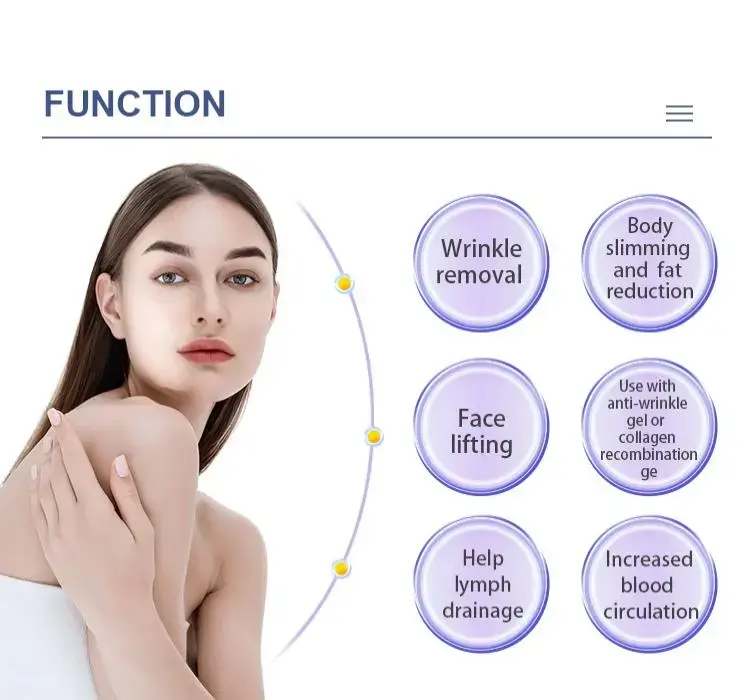
Aesthetic medicine is becoming more aware of how important lymphatic health is for shaping the face, improving skin quality, and shaping the body. Some practices that are ahead of the curve combine lymphatic drainage methods with other services they offer, making full treatment plans that deal with both physical and cosmetic issues.
Technology Refinements and Product Development
Manufacturers keep improving 448kHz systems by adding better user interfaces, automating treatment protocols, and combining data analytics. The next wave of devices will probably have AI-assisted parameter adjustments based on real-time monitoring of tissue reaction. This will cut down on operator variability and make treatments more effective. Because of these improvements, more practitioners will be able to offer advanced lymphatic draining treatments.
Xi'an Taibo Laser is always putting money into research and development. They work with clinical partners to find unfilled needs and make sure that new uses are safe. Our product plan includes small systems for mobile practitioners, setups with multiple applicators for facilities with a lot of patients, and attachments specifically designed for difficult body parts.
Supply Chain Considerations and Market Dynamics
Parts shortages, shipping problems, and changes in the rules all cause problems for global supply chains all the time. Getting to know makers that are financially sound and vertically integrated can help lower these risks. Our company handles the whole manufacturing process, from getting the parts to putting them together at the end. This makes us less reliant on outside sources and keeps production going.
The market for non-invasive therapeutic tools is still growing quickly. This is because patients want processes that don't take a lot of time, and the costs of healthcare make outpatient therapies more appealing. Following this growth path makes it a good time to buy new tools, since lymphatic drainage services charge high prices but don't need many consumables per treatment.
Conclusion
The RET CET RF 448kHz technology is a clinically proven, scientifically approved method of lymphatic draining that gets around the drawbacks of older tools and manual methods. Its accurate frequency selection, ability to work in two modes, and high level of safety make it the first choice for beauty salons, rehab centers, and health centers that want to give their patients the best results. Knowing the technical basics, things to think about when buying it, and best practices for running the business will help your facility use this technology well, which will bring in more money and improve the quality of care for patients.
FAQ
1. What makes 448kHz specifically effective for lymphatic drainage compared to other frequencies?
The 448kHz frequency matches the bioelectrical qualities of lymphatic tissue, which makes it easier for ions to move between cells. This frequency goes down to 5 mm and has controlled heating effects that make lymphatic capillaries wider without causing inflammation. Other frequencies either don't reach deep enough or make too much heat, which hurts the lymphatic system's delicate structures.
2. How long does equipment training typically require for practitioners new to RF lymphatic drainage?
Most practitioners are able to do basic tasks after 4 to 6 hours of hands-on training that covers how to use devices, how to treat patients, and how to stay safe. Over the course of 15 to 20 treatments under supervision, advanced methods for difficult situations are developed. To help people learn faster, we offer a wide range of video tools, protocol guides, and ongoing technology support.
3. Can the RET CET system treat all body areas equally effectively?
The dual-mode design lets the treatment be changed to fit different body parts. The CET mode is best for limbs and areas that hold a lot of fluid, while the RET mode is best for greater congestion in the trunk and areas with a lot of fat. Practitioners can tailor treatments to each patient's needs and goals by choosing the right electrodes and adjusting the parameters.
Partner with Taibo Laser for Advanced Lymphatic Drainage Solutions
Xi'an Taibo Laser has professional-grade RET CET RF 448kHz tools ready to help your practice grow. They have been making high-quality lasers for 15 years. As a reliable company that does business in more than 180 countries, we offer more than just tools. We also offer full partnerships that include training for operators, technical support, and a range of flexible purchasing options for practices of all kinds. Our CE and ISO13485 approvals show that we are dedicated to quality and safety at all times.
Contact our team at susan@taibobeauty.com to discuss how our 448kHz lymphatic drainage systems can enhance your service offerings. We offer customized demonstrations, competitive wholesale pricing for multi-unit purchases, and OEM services for practices seeking branded equipment solutions. Let us help you provide changing lymphatic drainage treatments that keep patients coming back and make your business money.
References
1. Hernández-Bule ML, et al. "Bioelectrical Stimulation at 448 kHz Promotes Proliferation and Reduces Inflammatory Markers in Human Dermal Fibroblasts." Journal of Biomedical Science and Engineering, 2018.
2. Kumaran B, Watson T. "Radiofrequency-Based Treatment in Therapy-Related Practice: A Narrative Review." Physical Therapy Reviews, 2019.
3. Pérez-Martínez C, et al. "Capacitive-Resistive Electric Transfer Therapy for Chronic Lymphedema: Clinical Outcomes and Patient Satisfaction." Lymphatic Research and Biology, 2020.
4. Fontaine M, et al. "Comparative Analysis of Radiofrequency Technologies in Aesthetic Medicine: Frequency Selection and Clinical Efficacy." Dermatologic Surgery, 2021.
5. Rodriguez-Sanz J, et al. "Therapeutic Effects of 448 kHz Capacitive-Resistive Monopolar Radiofrequency in Musculoskeletal Disorders: A Systematic Review." International Journal of Hyperthermia, 2022.
6. Morrison K, Watson T. "Thermal and Non-Thermal Mechanisms of Radiofrequency Energy in Tissue Regeneration and Lymphatic System Modulation." Physical Therapy Reviews, 2023.





YOU MAY LIKE