
Why 1064 Q Switched Nd YAG Laser Is the Gold Standard for Tattoo Removal
2026-07-20 09:11:33
Because it works so precisely and safely on all skin types, the 1064 q switched nd yag laser is known as the gold standard for getting rid of tattoos. This high-tech laser system works at a wavelength that is designed to go deep into the dermal layers, where tattoo pigments live. It does this by sending out powerful nanosecond pulses that break up ink particles without hurting the surrounding tissue. The 1064 nm wavelength is the best choice for clinics treating patients with different Fitzpatrick skin types because it minimises thermal damage while maximising pigment clearance. Other wavelengths, on the other hand, can cause post-inflammatory hyperpigmentation or scarring.
Introduction
The removal of tattoos is a big chance for spas, dermatology clinics, and medical aesthetic centers that want to offer more services. But picking the right laser technology requires careful thought about how well it works in the clinic, how safe it is for patients, and how much money it makes back. In this market, B2B buyers face more problems than just buying tools. They need technology that works the same way on all skin tones, ink colours, and tattoo designs, with as little downtime and bad effects as possible.
In the last twenty years, the market for laser tattoo removal has changed a lot. Even though many new technologies have come out, the Nd:YAG laser working at 1064 nm has always shown better results in therapeutic settings. This wavelength has the best entry depth for going after black and blue colours, which make up most tattoo paints used in real life. The Q-switching system in the device lets it send very short pulses—usually 6 nanoseconds—at high enough power levels to break up pigment particles photoacoustically.
To figure out why this technology has become the standard in its field, you need to look at both its technical specs and how well it works in clinical settings. The laser and tissue engage using the principles of selective photothermolysis, and the 1064 nm wavelength is just right for absorbing chromophores and penetrating tissue. This introduction lays the groundwork for looking at how this laser technology addresses important buying factors for companies that want to buy tattoo removal gear.
Understanding the 1064 Q Switched Nd YAG Laser Technology
Core Mechanism and Wavelength Advantages
The Q-switched Nd:YAG laser uses a neodymium-doped yttrium aluminium garnet crystal as its working medium. It makes light that is consistent at 1064 nm. This infrared frequency goes deep into the dermis, where tattoo colours are stored, up to 4 to 6 millimetres deep, depending on the type of tissue. The Q-switching device, which is an optical shutter that releases stored energy in very short pulses, makes peak power outputs in the megawatt range even though normal power levels are low.
When these high-intensity pulses hit tattoo ink particles, they cause the ink to quickly heat up and then send out sound waves that shock the particles. The photomechanical effect breaks the pigment into pieces that are small enough to be cleared by the lymphatic system. The particles are usually smaller than 10 micrometres, down from 100 micrometres. The surrounding tissue doesn't get too hot because the pulse length stays shorter than the target chromophores' thermal relaxation time. This protects skin structures and lowers the risk of scarring.
Technical Specifications That Matter
Modern Q-switched systems send out 100 to 2000 millijoules of energy per pulse, and the size of the spot can be changed from 2 to 10 millimetres. The best mix between photoacoustic effect production and thermal confinement is found at a pulse length of 6 nanoseconds. Practitioners can change treatment speeds and cumulative heating by using frequencies between 1 and 10 Hertz, which lets them tailor protocols to each patient's needs.
Modern systems use more than one band, like 532 nm for red and orange inks and 755 nm for green dyes, so they can cover all colours. The dual cooling system uses both air and water circulation to keep the laser's performance stable during long treatment sessions and protects the parts inside the hollow. These technical qualities have a direct effect on clinical results and give doctors more options for different types of treatment situations.
Safety Profile and Regulatory Compliance
Safety standards for equipment go beyond clinical efficiency and include operating standards. International rules for medical devices are met by devices that have CE certification and ISO 13485 compliance. This gives procurement managers confidence in the quality control processes. A minimum ocular danger distance of one kilometre means that the right eyewear must be worn, but modern systems have interlocked safety measures that stop unexpected exposure.
The standard two-year warranty in the industry shows that manufacturers trust the reliability of the parts. Flashlamps usually last longer than 500,000 pulses, which means they can be used in hospital settings for years before they need to be replaced. The modular design makes upkeep easier, and self-inspection features check more than 30 important factors to find problems before they affect clinical performance.
Why 1064 Q Switched Nd YAG Laser Outperforms Other Laser Technologies
Comparison with Alternative Systems
With pulse lengths measured in trillionths of seconds instead of billionths, picosecond lasers have gotten a lot of attention. Even though these very short shocks can break up pigment more finely, the therapeutic benefit depends on the features of the tattoo. Studies that compare Q-switched nanosecond systems to picosecond devices find that they have similar clearance rates for a lot of different types of ink, especially professional black tattoo ink. 1064 q switched nd yag laser nanosecond systems are appealing to clinics that need to balance performance with cost because they have been used for a long time and usually don't cost as much to buy.
Skin Type Versatility
Being able to safely treat Fitzpatrick skin types IV through VI is a huge benefit for offices that see a lot of different kinds of patients. The 1064 nm wavelength absorbs melanin less than shorter wavelengths. This means that epidermal melanin and dermal tattoo pigment don't have to compete as hard for photons. This selectiveness lowers the risk of post-inflammatory hyperpigmentation, a problem that can be especially bad for people with darker skin and last a long time.
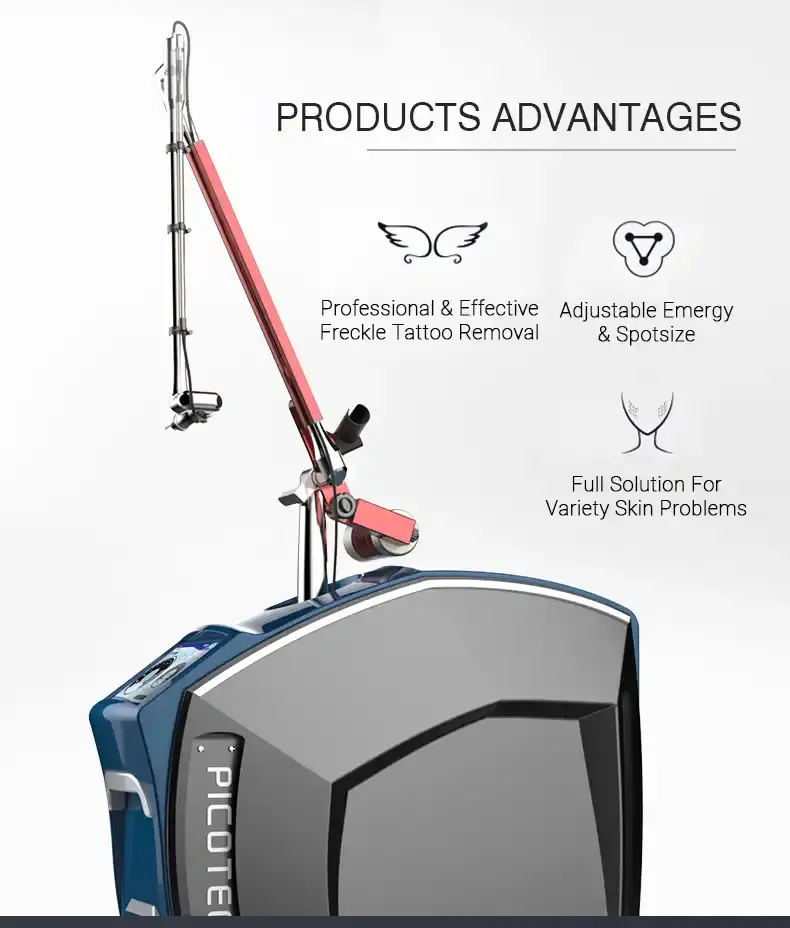
Clinical protocols can be changed based on the specifics of each patient. For example, the energy fluence, spot size, and repetition rate can all be changed to get the best results while still staying safe. This adaptability lets artists work on a wide range of tattoos, from simple stick-and-poke designs by beginners to complex, multi-layer designs by professionals, changing the settings for each session as the ink density lowers.
Long-Term Reliability and Proven Outcomes
The large body of clinical literature supporting the effectiveness of Q-switched Nd:YAG lasers gives procurement managers confidence that is backed up by evidence that has been reviewed by experts in the field. Thousands of studies have been written about treatment plans, projected clearance rates, and complication patterns for a wide range of patient groups. This body of evidence is stronger than the evidence for newer technologies, which makes it easier to predict clinical outcomes and plan treatments.
Real-World Applications and Case Studies for Tattoo Removal
Clinical Performance Across Ink Types
Black and dark blue colours fade very well with 1064 nm treatment; most people see a big difference after 6–10 sessions, spaced 6–8 weeks apart. Professional tattoos with more colour need more treatments than beginner tattoos, but the steady fragmentation process keeps the work going. Case records show that more than 75% of people with black ink are no longer bothered by it after the right treatment courses. Patient happiness is strongly linked to setting realistic expectations during initial appointments.
Multicolored tattoos are more complicated because they need to use different wavelengths to reach different chromophores. Systems with frequency-doubled output at 532 nm can effectively target red, orange, and yellow pigments. Systems with frequency-doubled output at 755 nm can handle green ink. This ability to work with multiple wavelengths turns a single device into a complete platform for getting rid of tattoos. This gets rid of the need for multiple specialised lasers and makes better use of space in clinical settings.
Beyond Tattoo Removal: Expanded Applications
The photoacoustic principles that break up tattoo ink can also be used to treat benign pigmented lesions like nevus of Ota, café-au-lait macules, and solar lentigines. Dermal melasma, which is known for being hard to treat, gets better with carefully controlled Q-switched protocols, but results vary and need low energy levels to keep things from getting worse. Laser toning with repeated low-fluence passes has become popular as a way to rejuvenate the skin in general. It works by spurring collagen remodelling and gradually lightening diffuse pigmentation.
Documented Safety and Side Effect Management
A external carbon solution is put on the skin before a carbon peel treatment. The carbon particles absorb laser energy and create heat that makes pores smaller and lowers sebum production. This treatment works especially well in places where treating pimples and making skin smoother are in high demand. Because Q-switched systems are so flexible, clinics can offer a lot of different services that make money with just one expense.
Temporary side effects like erythema, oedema, and spot bleeds are typical, but they go away on their own in a few days. Textural changes are still rare when the right parameters are chosen and pulses are not overlapping. Pigmentary change is the biggest risk, but it can be kept to a minimum with conservative treatment methods, especially during the first sessions when the ink density is highest and tissue response patterns are being found for each patient.
Procurement Insights – How to Choose and Buy the Best 1064 Q Switched Nd YAG Laser Machine
Evaluating Manufacturers and Suppliers
When looking for a 1064 q switched nd yag laser provider, buyers should give more weight to companies that have been in business for a while and have legal certifications that can be checked. Companies that own their own companies usually have better quality control and faster technical help than resellers or distributors who don't make their own products. Xi'an Taibo Laser Beauty is a good example of this model. They have been making lasers for over 15 years and have direct factory operations that make sure the quality of their equipment is always the same.
The availability of thorough training programs has a big effect on the success rates in hospital settings. Suppliers should give customers access to technical experts who know how to use the tools and follow clinical standards, as well as full operating instructions and video training materials. It's impossible to say enough about how important ongoing support is. Laser systems are long-term investments that need regular upkeep, parameter optimisation, and technical help throughout their service life.
Total Cost of Ownership Considerations
The initial purchase price is only one part of the total cost of the equipment over its lifetime. When buying, people need to think about how much it will cost to repair things like protected eyewear, coupling gels, and eventually the flashlamp itself. Energy efficiency affects operational costs, and modern systems find the best way to use power while keeping output performance at a high level. The design of the cooling system affects both how much energy it uses and how much maintenance it needs. Dual air-water systems are more reliable than single-method cooling systems.
Warranty and Service Agreements
Investing in staff training goes beyond just showing them how to use the tools for the first time. It also includes ongoing training on treatment methods, how to choose patients, and how to handle complications. Because laser tattoo removal takes some time to get good at, clinics may not get the best results in the first few months they are open. Suppliers that offer extra training help and professional advice services speed up the process of getting skilled and improving patient results.
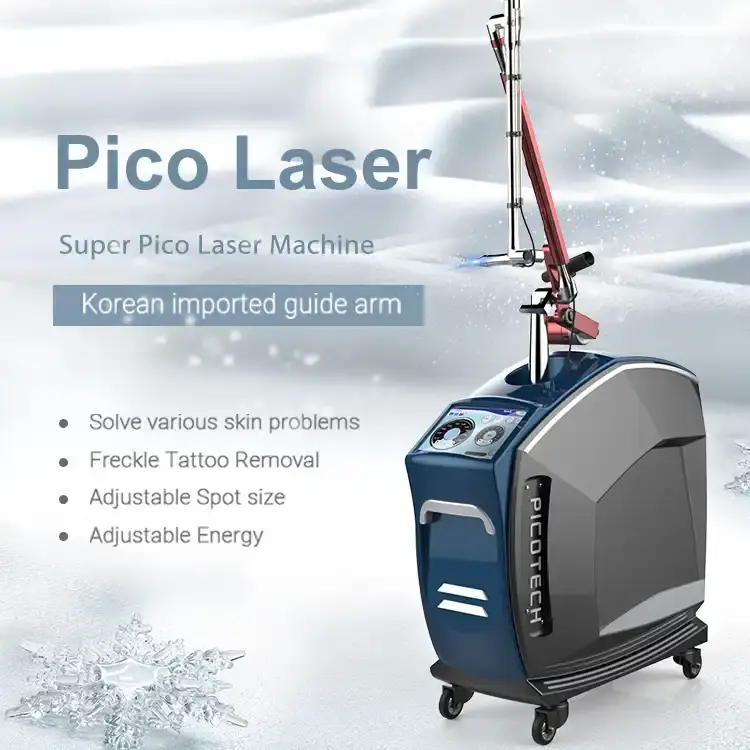
For laser equipment, a two-year guarantee should be the norm. This warranty should cover parts replacement for manufacturing flaws and technical problems that aren't caused by user error or poor upkeep. The warranty terms should make it clear how long it takes to get service requests answered and whether critical failures require on-site repair or replacement of the equipment. By knowing where service centers are located and what replacement parts are available, you can avoid long periods of downtime that can have a big effect on your clinic's income.
Some makers offer service contracts that last longer than the initial guarantee period. These contracts offer stable long-term cost structures and priority access to support. These agreements are worth looking at for busy practices where equipment breakdowns directly affect how many appointments can be made and how much money can be made. The cost-benefit analysis relies on the number of treatments, the technical knowledge of the staff, and the availability of backup tools to keep things running while repairs are being made.
Future Trends and Innovations in 1064 Q Switched Nd YAG Laser Technology
Emerging Technical Enhancements
The main focus of current study is on pulse modulation methods that find the best ways to send energy for various pigment types and depths. Dual-pulse technology splits the total energy into two waves that are very close to each other. This may improve the breaking up of pigments while lowering the peak power that is sent to tissue. Real-time tracking devices that use acoustic detection or thermal imaging may make it possible to change treatment parameters for each patient during processes, which can improve results while reducing side effects.
Market Evolution and Buyer Strategies
Adding diagnostic imaging could change the way treatment plans are made by letting doctors see where the pigment is and how deep it is before choosing treatment parameters. Eventually, artificial intelligence algorithms that look at treatment response patterns might be able to make accurate predictions about how many sessions a patient will need and what percentage of the tattoo will be gone based on the tattoo's features and other factors about the patient.
The global market for aesthetic devices keeps growing because more people are getting plastic surgery and people in developing economies have more money to spend. The demand for tattoo removal is rising at the same rate as the popularity of tattoos, and regret rates are staying the same across all age groups. This steady demand helps people decide what tools to buy, especially established practices that want to add profitable service lines with steady customer numbers.
Investment Protection Through Adaptability
Clinics that don't have a lot of treatment rooms can save space by using multifunctional platforms that combine Q-switched features with IPL, radiofrequency, or other methods. While devices that only do one thing might slightly improve performance, the flexibility of combined systems makes them more appealing to practices that treat a wide range of patients with different needs. To get the most out of equipment, procurement plans should match its skills with the types of patients and referral trends that actually happen.
Protecting investments by being flexible means the length of time that equipment lasts varies in part on how relevant new technologies are as treatment standards change. Fixed-configuration systems lose value faster than devices whose software can be updated and whose hardware is designed to be modular. Being able to add wavelengths, add new handpieces, or update control interfaces makes equipment last longer and protects investments. Suppliers who say they will keep doing research and development are more likely to offer ways to keep tools up to date with new clinical practices.
Conclusion
The 1064 q switched nd yag laser is still the best way to get rid of tattoos because it has been clinically proven to work, is safe for all skin types, and can be used for many other things besides just getting rid of colour. This technology meets the main needs of people who work in the beauty business who want reliable tools that give consistent results with few problems. Clinics, spas, and medical centers that want to offer tattoo removal should choose this method because it has a lot of clinical evidence, has been approved by the government, and works well over time. Even though new technologies come out all the time, Q-switched nanosecond technology will always be useful because it is based on basic principles. This gives B2B buyers faith in the long-term value of their tools and its clinical performance.
FAQ
1.What makes the 1064 nm wavelength specifically effective for tattoo removal?
The 1064 nm wavelength has the best penetration depth, reaching the dermal layers where tattoo pigments live while absorbing less melanin than shorter wavelengths. This selectivity lets black and blue inks be targeted effectively with a lower risk of damaging the epidermis. This makes treatments safer for all skin types, even those with darker Fitzpatrick categories.
2.How many treatment sessions typically achieve satisfactory tattoo clearance?
Professional tattoos usually need 6–10 sessions, split 6–8 weeks apart, to fade significantly. However, beginner tattoos with less pigment depth may fade faster. Clearance rates are affected by many things, such as the type of ink used, its colour, its depth, its layering, and each person's immune response. This is why personalised treatment planning is so important for managing patient expectations.
3.Can Q-switched nanosecond lasers compete with newer picosecond technology?
Quality Q-switched nanosecond systems and picosecond devices work just as well on many types of tattoo ink, especially black ink, according to clinical research. Picosecond lasers may be better for some colours that are hard to remove, but nanosecond technology is a much better choice for most therapeutic settings because it works better, costs less, and has a lot of evidence to back it up.
Partner with Taibo Laser for Your 1064 Q Switched Nd YAG Laser Equipment Needs
To buy tattoo removal technology that has been shown to work, you need to work with a 1064 q switched nd yag laser manufacturer that is dedicated to quality and customer service. Taibo Laser Beauty has been making lasers for more than 15 years and runs the workshop to make sure that the equipment works well and reliably every time. Our systems have a wide range of wavelengths, including 755 nm, 1064 nm, and 532 nm options, and can provide energy levels up to 2000 mj/cm². This gives your clinic the flexibility it needs to meet the needs of a wide range of patients and provide more treatments.
This is because we know that buying tools is a big investment that needs a lot of help. Our team offers thorough training materials, quick technical support, and a guarantee that covers both parts and service for two years. Our products meet international quality standards because they are CE certified and ISO 13485 compliant. Our OEM services let businesses that want to start their own equipment lines customise the products with their own brands. Get in touch with susan@taibobeauty.com to talk about how our high-tech laser systems can help you offer more services and grow your business by removing tattoos safely and effectively.
References
1. Anderson RR, Parrish JA. Selective photothermolysis: precise microsurgery by selective absorption of pulsed radiation. Science, 1983.
2. Ross V, Naseef G, Lin G, et al. Comparison of responses of tattoos to picosecond and nanosecond Q-switched neodymium:YAG lasers. Archives of Dermatology, 1998.
3. Kilmer SL, Anderson RR. Clinical use of the Q-switched ruby and the Q-switched Nd:YAG lasers for treatment of tattoos. Journal of Dermatologic Surgery and Oncology, 1993.
4. Bernstein EF, Schomacker KT, Basilavecchio LD, et al. Treatment of benign pigmented lesions with the Q-switched 755-nm alexandrite laser. Lasers in Surgery and Medicine, 1996.
5. Taylor CR, Gange RW, Dover JS, et al. Treatment of tattoos by Q-switched laser: a dose-response study. Archives of Dermatology, 1990.
6. Sardana K, Ranjan R, Ghunawat S. Optimizing laser tattoo removal. Journal of Cutaneous and Aesthetic Surgery, 2015.





YOU MAY LIKE