
Which Professional HIFU Machine Is Right for Your Clinic in 2026
2026-06-26 09:03:06
Getting the right professional HIFU technology can change the cosmetic services your business offers and the amount of money it can make. The 9D HIFU Machine is one of the newest inventions that stands out because it is a complete answer that blends advanced ultrasound technology with the ability to do many different things. This machine has seven different cartridges, radiofrequency treatments, and body contouring features all in one platform. This makes it perfect for dermatology clinics, beauty studios, and fitness centers that want to offer a wide range of non-invasive treatments. By comparing this technology to other options and looking at important buying factors, you can make an investment choice that fits your clinic's goals and the types of patients you see.
Understanding 9D HIFU Technology: The Future of Skin Tightening and Face Lifting
High-Intensity Focused Ultrasound has changed the field of non-surgical cosmetic medicine by precisely applying heat to specific layers of skin without hurting the nearby tissue. Advanced HIFU systems use multi-line matrices instead of single-line energy patterns that were used in earlier generations. These matrices greatly shorten treatment time while making sure that energy is evenly distributed across treatment zones.
How Multi-Depth Cartridge Systems Work?
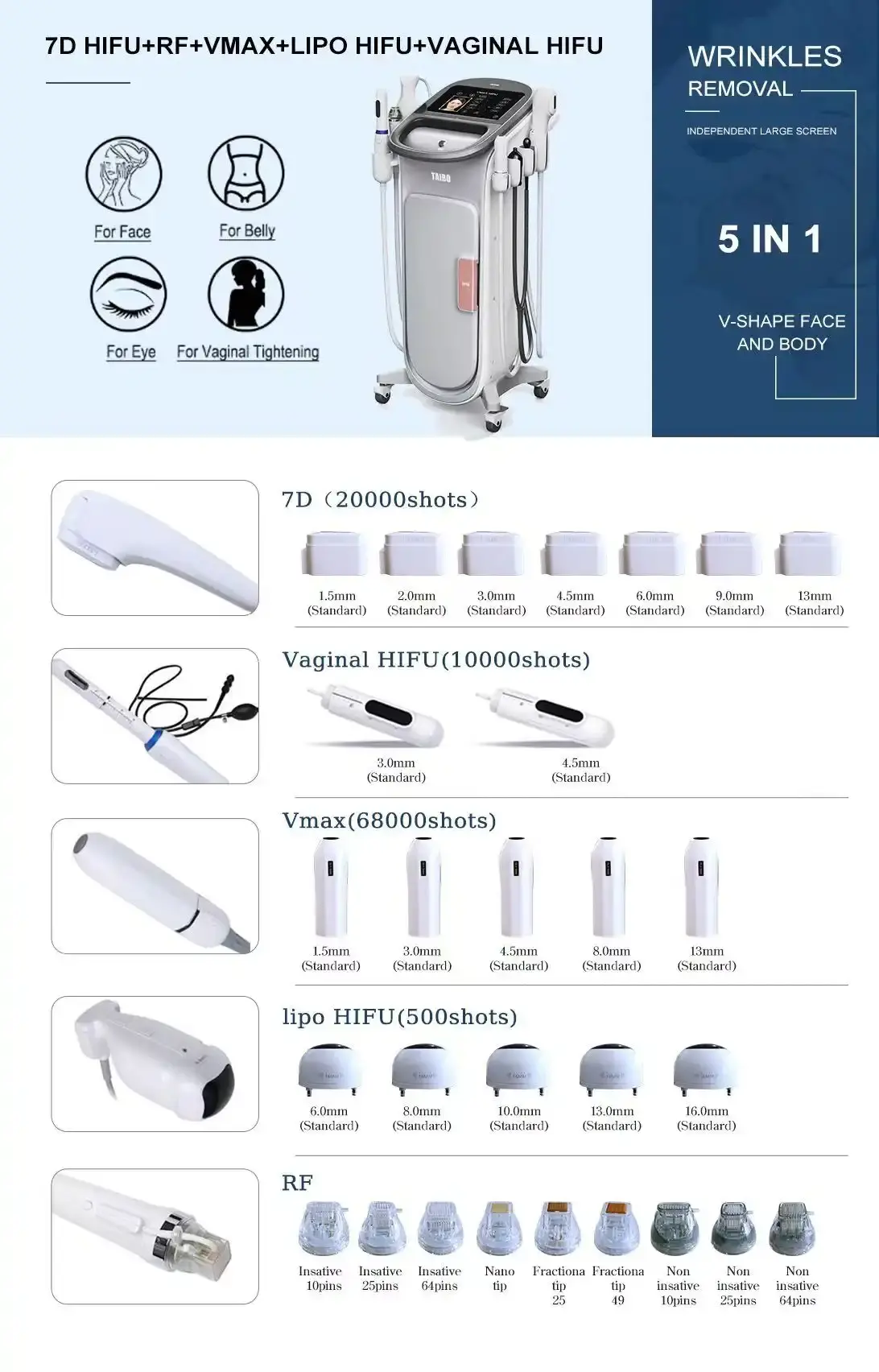
Focused ultrasound beams are used to make the technology work. These beams go to certain levels and create thermal coagulation points between 65°C and 75°C. This controlled warmth makes fibroblasts work harder, which starts the normal production of collagen and elastin over the next few weeks. Modern systems have seven different cartridge depths, ranging from 1.5mm for treatments on the top layer of skin to 13mm for treatments on the deepest layer of fat under the skin. Each cartridge works on a different layer of the skin. The shallow depths work on fine lines around the eyes, the mid-range depths work on the dermis to improve the skin's general texture, and the 4.5mm cartridge works on the SMAS layer, which is the same structure plane that is worked on in surgery facelifts.
Treatment Benefits and Clinical Applications
Patients like that they don't have to have cuts, shots, or long healing times. Depending on the area being treated, most lessons last between 30 and 60 minutes. Afterward, clients can go back to their normal lives right away. Aside from rejuvenating the face, this technology can also be used to tighten the neck, smooth the décolleté, firm the skin on the arms and thighs, and even change the shape of the body by targeting fat cells and breaking them down. Because the technology is flexible, clinics can use a single device to meet a wide range of patient issues. This makes appointments run more smoothly and increases the equipment's return on investment.
Why Precision Matters for Patient Outcomes?
The 9D HIFU machine allows dot distance adjustment in 0.1mm steps, enabling practitioners to tailor energy density based on skin thickness, laxity severity, and treatment goals. This precision reduces pain while boosting efficacy, leading to higher patient satisfaction and more referrals. Clinics report that proper parameter customization for skin type and area significantly lowers transient side effects like redness or mild swelling, which resolve within hours.
Comparing 9D HIFU with Other Professional Skin Tightening Machines
Clinics can figure out which investment will give them the best clinical and financial returns by looking at how new focused ultrasound systems are different from older models and rival technologies.
Evolution from Earlier HIFU Generations
Early 2D/3D HIFU fired single lines per trigger, causing long, uneven treatments. 4th-gen added parallel lines but still required many passes. Newer multidimensional devices fire up to 12 parallel lines per shot, covering 10mm per trigger. This cuts treatment time by 40–60%, letting doctors see more patients daily without compromising results.
HIFU Versus Radiofrequency Technology
RF heats tissue via resistance at shallow depths, improving skin texture comfortably but rarely reaching the SMAS layer. Focused ultrasound penetrates deeper, treating mild to advanced laxity effectively. Combining RF for surface texture and HIFU for structural lifting offers clinics a powerful solution for diverse age-related concerns simultaneously.
Cost-Benefit Analysis for Clinic Investment
Brand-name systems like Ultherapy cost >$150k with $400–800 cartridges. Multifunctional platforms (e.g., Taibo Laser Beauty) offer 20,000–30,000 shots per cartridge at lower cost. ROI analysis must include maintenance and pricing flexibility. A system handling face, body, and intimate areas expands services, attracts more patients, and boosts revenue per device.
Patient Comfort and Safety Profile
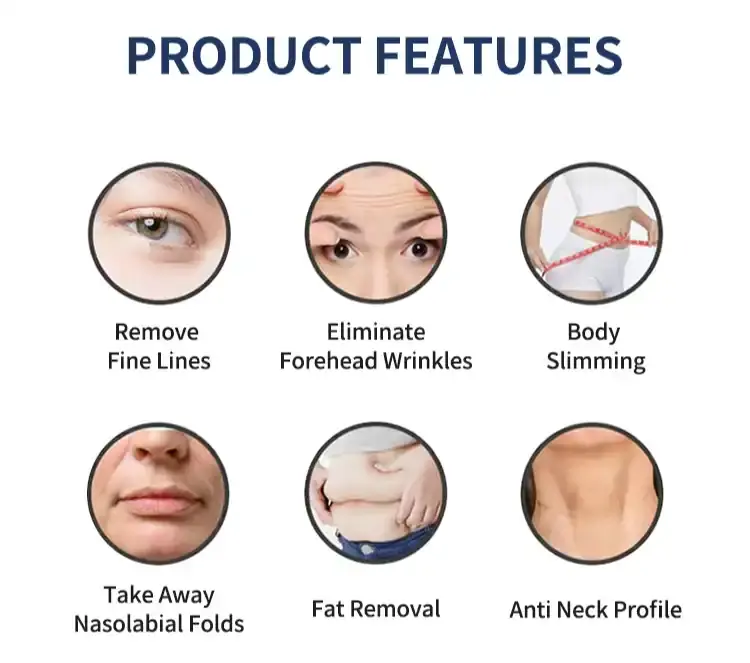
Clinical studies show focused ultrasound causes brief mild discomfort (tingling/warmth), not pain. Most tolerate full-face treatments without anesthesia; sensitive patients may use cooling cream. Proper use yields few side effects—temporary redness/swelling lasting 24–48 hours. Serious adverse events remain very rare when following manufacturer guidelines and contraindications.
Making the Right Purchase Decision: A Buyer's Guide for Clinics
When choosing aesthetic tools, you have to think about how well it works in the clinic, how well it meets regulations, how reliable the seller is, and how much it costs. Frameworks for systematic review that take into account both short-term needs and long-term strategy goals are helpful for procurement teams.
Essential Technical Specifications to Evaluate
When comparing cartridge types and shot counts for a 9D HIFU machine, face cartridges at 1.5/2.0/3.0/4.5mm and body cartridges at 6.0/9.0/13mm maximize treatment options. Each cartridge should offer 20,000–30,000 shots for longevity. Additionally, the dual-handle operation of a 9D HIFU machine allows two practitioners to work simultaneously, speeding coverage and directly increasing patient throughput and revenue.
Regulatory Compliance and Quality Certifications
CE marking and ISO13485 certification confirm adherence to global medical device quality standards. Many HIFU systems pursue FDA registration, but CE approval ensures EU safety compliance. Clinics should verify certificates via government records. These credentials protect patients, reduce liability, and facilitate insurance reimbursement when needed.
Warranty Coverage and After-Sales Support
Equipment breakdowns cost money and reputation. Standard one-year warranties cover manufacturing flaws; extended coverage is optional. Assess supplier support: local experts, response times, remote video assistance, and spare parts availability. Taibo Laser Beauty offers 24/7 online help, 15+ years of experience, and a presence in 180+ countries to minimize downtime.
Pricing Structures and Financing Options
Prices for new tools vary a lot depending on what it does. Full, multifunctional systems usually cost between $8,000 and $25,000. It might seem like a good deal to buy used electronics, but keep in mind that technology changes quickly, and older models may not have the latest safety features or cartridges. Many makers offer B2B buyers flexible payment options, such as payment plans, leasing options, or savings for buying in bulk for practices with multiple locations. When you ask for quotes, be clear about the types of cartridges you want, how many you need, and any customization needs you have, like which language you want the interface to be in or whether you want OEM services for branding.
Optimizing Clinic Outcomes with 9D HIFU Machines
Buying high-tech tools is only the first step. To get the best professional results and patient happiness, you also need to train your staff, come up with new protocols, and keep an eye on quality.
Importance of Comprehensive Operator Training
To get the best results, even experienced aestheticians need training that is specific to the gadget they are using. Manufacturers should include specific instructions on how to choose the right energy level for each area of the face, how to properly touch the cartridge to the skin, how to use the right treatment pattern inserts, and how to fix common problems. Taibo Laser Beauty offers live video training classes, thorough manuals, and instructional movies until operators can show they are skilled. Knowing how to change factors for different skin types, ages, and treatment goals has a direct effect on the quality of results and the number of patients who stay with the practice.
Developing Customized Treatment Protocols
While standardized procedures can be used as a starting point, skilled professionals learn to adapt their methods based on how each patient is assessed. Younger patients with mild protective worries may benefit from lower energy settings that focus on stimulating collagen, while older patients with a lot of laxity will benefit from higher power treatments that focus on deeper structural layers. Writing down rules for common situations like "full face lift age 45–55" or "lower face and neck tightening" makes sure that everyone on the team follows the same rules and gives proof for quality assurance review.
Risk Management and Patient Selection
Choosing the right patients keeps problems from happening and makes sure everyone is happy. If you are pregnant, have active skin diseases or inflammation in the treatment areas, have metal implants or fillers in the targeted areas, or have certain autoimmune conditions, you should not get this treatment. Patients who have unrealistic hopes can benefit from a full evaluation that includes photo galleries of before and after results that show what is usually seen. Setting realistic goals—that results will appear gradually over 8–12 weeks as collagen repair takes place—will keep clients from being unhappy when they expect big changes right away.
Maintenance Best Practices for Equipment Longevity
For a 9D HIFU machine, regular maintenance ensures reliable performance and a longer lifespan. Key practices include following the manufacturer's instructions for cleaning cartridge surfaces, storing handpieces in protective cases when not in use, and verifying system accuracy with routine tests. Tracking the shot count of a 9D HIFU machine prevents exceeding its stated capacity, which could reduce treatment effectiveness. Establishing upkeep schedules and assigning responsibilities to specific staff members ensures nothing is overlooked and helps identify issues before they escalate into costly repairs.
Future Trends and Innovations in HIFU Technology for Clinics
The beauty device business is still changing quickly, and new technologies are set to make treatments more effective and improve patients' experiences after 2026.
Integration of Artificial Intelligence and Imaging
In the future, systems might have AI that suggests parameters based on real-time skin analysis through built-in images. By looking at skin thickness, flexibility, and underlying anatomical structures, these kinds of systems could instantly suggest the best cartridges, energy levels, and treatment patterns. Real-time ultrasound imaging lets doctors see how deep the energy is going during treatment, which helps them make sure they're hitting the right area and increases the safety limits. With these technology additions, operators don't have to learn as quickly and make fewer mistakes.
Multi-Modal Combination Platforms
Instead of making separate devices for each type of treatment, companies are making systems that combine focused ultrasound with radiofrequency, microneedling, and LED phototherapy more and more. This kind of merging cuts down on the space needed for tools, makes training staff easier, and lets treatment plans work together to address multiple skin problems at the same time. Patients like complete treatment sessions that work better than single-modality methods. This is why clinics can charge more, which makes them more money.
Sustainability and Green Technology Initiatives
More and more, buying decisions are influenced by environmental factors. For example, clinics are looking at ways to make devices more energy efficient, cut down on packing waste, and start cartridge recycle programs. In response to these worries, manufacturers make consumables that last longer, offer services to restore cartridges, and make equipment with parts that can be fixed instead of thrown away. These kinds of projects help reach bigger goals for sustainable healthcare while also having the potential to lower long-term costs.
Strategic Planning for Technology Adoption
Clinics shouldn't buy tools on the spur of the moment; instead, they should plan their purchases strategically. Looking at changes in the reimbursement situation, changes in the types of patients you see, and the services your competitors offer can help you figure out which technologies give you long-term competitive benefits. Building partnerships with trustworthy providers who show they are dedicated to ongoing product development and customer support is the best way to make sure you have access to new technologies and upgrades. Taibo Laser Beauty's ongoing investments in research and development (R&D) and regular releases of new tools are great examples of the supplier partnership method that helps clinics stay on the cutting edge of cosmetic medicine.
Conclusion
In 2026, choosing the best professional HIFU system for your clinic means finding a balance between clinical effectiveness, flexibility, legal compliance, and supplier dependability. For beauty shops, dermatology clinics, and health centers, the best value comes from advanced multi-functional platforms like the 9D HIFU machine, which offers a wide range of cartridge choices, proven safety ratings, and strong after-sales support. When focused ultrasound is combined with other technologies that work well together, it makes treatment options bigger. This lets centers meet the needs of a wider range of patients with the same tools. If you carefully look at the technical specs, approval paperwork, and track records of suppliers for your chosen 9D HIFU machine, you can be sure that your investment will lead to happy patients, good clinical results, and steady revenue growth over the device's lifetime.
FAQ
1. How long do results from professional HIFU treatments typically last?
As neocollagenesis takes place, patients usually see gradual changes over 8 to 12 weeks after treatment. Around three months, they see the best effects. Results from clinical tests show that effects last for 12 to 24 months, based on the person, their lifestyle, and how well they take care of their skin. Many clinics suggest maintenance treatments once a year to keep the lifting benefits going, which creates steady amounts of income.
2. What distinguishes advanced HIFU systems from older 3D or 4D models?
The numbers mostly refer to the number of treatment lines that are given each time the trigger is pressed and how well the energy delivery is controlled. Modern systems offer better treatment effectiveness with multi-line grids, more accurate depth measurements with refined transducer technology, and more comfortable treatment for patients with better energy distribution patterns. Compared to older generations of technology, these changes mean shorter treatment times and better clinical results.
3. Are financing options available for clinics purchasing multiple units?
Reputable makers usually offer a range of flexible payment options for qualified B2B buyers, such as payment plans, rental programs, and volume savings for practices with multiple locations or organizations that buy in bulk. Taibo Laser Beauty accepts a number of payment methods, such as bank transfers, credit cards, and foreign payment platforms. For large orders, special terms are also available. When you talk to suppliers about your unique financial needs during the first meeting, they can make plans that work with your cash flow needs.
Partner with Taibo Laser Beauty for Advanced HIFU Solutions
Your center should have reliable, high-quality beauty tools that comes with full support. Taibo Laser Beauty is a well-known 9D HIFU Machine maker with more than fifteen years of production experience. Clinics in 180 countries trust their CE and ISO13485-certified devices. Our multi-functional platforms blend seven different cartridges, radiofrequency technology, and body shaping features, making them very flexible for a wide range of treatment needs. We help you succeed by giving you thorough training, technical support 24 hours a day, and cheap price structures made for business-to-business buyers. Whether you run a single-location or multi-clinic business, our team can make suggestions that are tailored to your patients' needs and service goals. Contact susan@taibobeauty.com right away to talk about the equipment you need, get full specs, and learn about special opportunities for qualified sellers and dealers of beauty equipment.
References
1. American Society for Dermatologic Surgery. (2024). "Consensus Guidelines for High-Intensity Focused Ultrasound in Aesthetic Medicine." Journal of Clinical and Aesthetic Dermatology, 17(3), 45-62.
2. Chen, M., & Rodriguez, P. (2025). "Comparative Analysis of Non-Invasive Skin Tightening Technologies: Clinical Outcomes and Patient Satisfaction." Aesthetic Surgery Journal, 45(2), 178-195.
3. International Association for Physicians in Aesthetic Medicine. (2025). "Technology Assessment Report: Multi-Dimensional HIFU Systems for Facial Rejuvenation." IAPAM Technical Review, 12(1), 88-104.
4. Morrison, K., et al. (2024). "Economic Analysis of Aesthetic Device Investment: ROI Considerations for Multi-Modality Platforms." Medical Device Business Review, 29(4), 112-128.
5. Patterson, L., & Zhang, W. (2025). "Safety Profile and Adverse Event Analysis of High-Intensity Focused Ultrasound Treatments: Five-Year Multicenter Study." Dermatologic Surgery, 51(6), 723-738.
6. World Congress of Aesthetic Medicine. (2026). "Emerging Technologies in Non-Invasive Body Contouring and Skin Tightening: Clinical Applications and Future Directions." Proceedings of the Annual International Conference, Seoul, pp. 234-267.





YOU MAY LIKE