
Where to buy nd yag q switched 532 nm 1064 nm laser (wholesale & OEM)?
2026-01-06 09:09:14
Are you searching for a reliable source to purchase nd yag q switched 532 nm 1064 nm laser equipment for your beauty clinic or salon? Finding the right supplier can be challenging when you need wholesale pricing, customization options, and guaranteed quality. Many business owners struggle with unreliable suppliers, poor after-sales support, and equipment that fails to meet international standards. This comprehensive guide addresses these concerns by revealing exactly where to buy professional-grade nd yag q switched 532 nm 1064 nm laser machines directly from trusted manufacturers who offer both wholesale and OEM services, complete with certifications, warranties, and technical support.
Understanding ND YAG Q Switched Laser Technology with 532nm and 1064nm Wavelengths
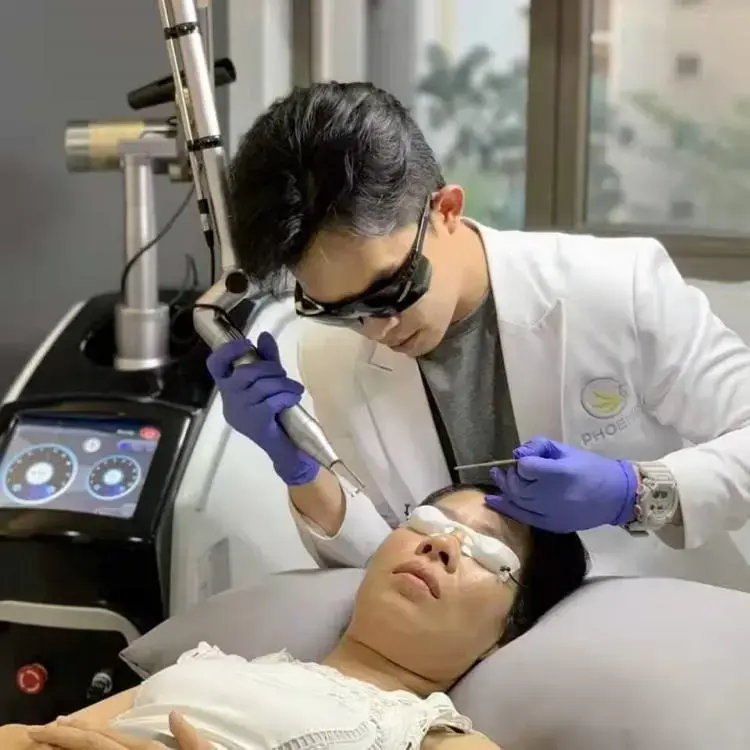
The nd yag q switched 532 nm 1064 nm laser represents advanced technology in aesthetic medicine, utilizing neodymium-doped yttrium aluminum garnet crystal as its laser medium. This sophisticated equipment operates through Q-switching technology, which produces high-intensity laser pulses in extremely short durations, typically measuring between 6 to 10 nanoseconds. The dual-wavelength capability of this system makes it exceptionally versatile for treating various skin conditions and pigmentation issues across different skin types and tones. The 1064nm wavelength penetrates deeply into the dermal layers, making it highly effective for treating darker pigments such as black, blue, and deep brown tattoos, as well as addressing deeper vascular lesions and promoting collagen stimulation for skin rejuvenation. This infrared wavelength can safely treat all skin types, including darker complexions, because it bypasses the melanin in the epidermis and targets pigment in deeper tissue layers. The energy output typically ranges from 100 to 2000 millijoules, allowing practitioners to adjust treatment intensity based on specific patient needs and treatment objectives.
Conversely, the 532nm wavelength, achieved through frequency doubling of the primary 1064nm beam, targets superficial skin concerns with remarkable precision. This green light wavelength is specifically absorbed by red and warm-toned pigments, including red, orange, yellow, and brown tattoo inks, as well as vascular lesions like spider veins, sunspots, freckles, and age spots. The 532nm wavelength works closer to the skin's surface, making it ideal for epidermal treatments while minimizing thermal damage to surrounding tissues. When combined in a single system, these dual wavelengths create a comprehensive treatment platform that addresses virtually all pigmentation and vascular concerns. The working principle behind nd yag q switched 532 nm 1064 nm laser treatment involves selective photothermolysis, where laser energy is absorbed by target chromophores such as melanin, hemoglobin, or tattoo ink particles. The ultra-short pulse duration creates a photoacoustic effect that shatters pigment particles into minuscule fragments without generating excessive heat that could damage surrounding tissue. These microscopic particles are then naturally eliminated through the body's lymphatic system over subsequent weeks, resulting in gradual fading and eventual removal of unwanted pigmentation. This mechanism explains why multiple treatment sessions spaced approximately two months apart are necessary for optimal results, as it allows the body sufficient time to clear fragmented pigments between treatments.
Key Considerations When Purchasing ND YAG Q Switched Laser Equipment
When investing in nd yag q switched 532 nm 1064 nm laser equipment for your practice, several critical factors demand careful evaluation to ensure you acquire reliable, effective, and compliant machinery. The technical specifications of the laser system directly impact treatment outcomes and operational versatility. Essential parameters include maximum energy output, which should offer adjustable ranges from approximately 100mj to 2000mj for the 1064nm wavelength and 50mj to 1000mj for the 532nm wavelength. Higher energy capabilities enable treatment of stubborn pigmentation and deeper tattoos, while adjustable settings provide flexibility for treating delicate facial areas and sensitive skin types. Pulse duration constitutes another vital specification, with true Q-switched systems operating at nanosecond speeds, typically around 6 nanoseconds. Some advanced systems incorporate picosecond technology with pulse durations as short as 350 picoseconds, offering even more effective pigment fragmentation with reduced thermal damage. The spot size adjustability, ranging from 2mm to 10mm, allows practitioners to customize treatment areas, using smaller spots for precision work around eyes and lips, while larger spots enable faster treatment of extensive areas like back tattoos or large pigmented lesions. The cooling system represents a crucial component that directly affects both equipment longevity and patient comfort during treatments. Professional-grade nd yag q switched 532 nm 1064 nm laser machines should feature dual cooling mechanisms, combining air cooling with water circulation systems. The water cooling component requires regular maintenance, including monthly water changes using distilled or deionized water to prevent mineral buildup that can damage internal components. Built-in water filtration systems enhance equipment reliability by removing impurities that might compromise laser performance or shorten component lifespan.
Certification and compliance documentation cannot be overlooked when selecting laser equipment, particularly for clinics operating in regulated markets. Essential certifications include CE marking for European markets, which demonstrates compliance with EU safety, health, and environmental protection standards. The ISO 13485 certification specifically addresses medical device quality management systems, providing assurance that manufacturing processes meet stringent international standards. Additional certifications such as FDA registration for the United States market, SGS verification, EMC electromagnetic compatibility testing, and LVD low voltage directive compliance demonstrate a manufacturer's commitment to producing safe, reliable equipment that meets global regulatory requirements. Warranty provisions and after-sales support infrastructure significantly impact the total cost of ownership and operational confidence. Reputable manufacturers typically offer comprehensive two-year warranties covering parts and labor for defects arising from non-human causes. Beyond warranty coverage, the availability of responsive technical support proves invaluable when troubleshooting operational issues or optimizing treatment parameters. Access to replacement parts, consumables like protective goggles and calibration tools, plus detailed operational manuals and training videos ensures your investment maintains optimal performance throughout its operational lifecycle.
Where to Source Professional ND YAG Q Switched 532nm 1064nm Laser Equipment?
Professional beauty clinics and salons seeking high-quality nd yag q switched 532 nm 1064 nm laser equipment have several sourcing options, each presenting distinct advantages and considerations. Direct manufacturer purchasing offers the most cost-effective approach, eliminating intermediary markups while providing access to customization services, comprehensive technical support, and favorable warranty terms. Established manufacturers in China, particularly those with extensive export experience and international certifications, deliver exceptional value by combining competitive pricing with reliable product quality and after-sales service. Xi'an Taibo Laser Beauty Company exemplifies professional manufacturing excellence, operating its own factory with over fifteen years of production experience and fifteen years of specialized export expertise. The company supplies nd yag q switched 532 nm 1064 nm laser equipment to customers in more than 180 countries worldwide, demonstrating proven reliability and international market acceptance. Taibo's vertically integrated operations encompass dedicated R&D, design, production, quality control, and international sales departments, ensuring consistent product quality and responsive customer service throughout the purchasing process and equipment lifecycle.
When sourcing directly from manufacturers, buyers gain access to flexible OEM and ODM services that enable brand customization and feature modifications tailored to specific market requirements. This proves particularly valuable for distributors and larger clinic chains seeking to establish branded equipment lines or implement specialized treatment protocols. Manufacturers like Taibo provide customization options including custom logos, color schemes, language interfaces, and even modified treatment parameters to align with regional preferences or regulatory requirements. Such flexibility transforms equipment purchases from simple transactions into strategic partnerships that support long-term business development and market differentiation.
Alternative sourcing channels include established distributors and authorized dealers who maintain local inventory and provide regional support services. While distributor pricing typically includes markup over direct manufacturer costs, these partnerships offer advantages such as faster delivery, local language support, hands-on demonstrations before purchase, and simplified warranty claims processing. For clinics requiring immediate equipment availability or preferring local business relationships, authorized distributors represent viable alternatives to direct manufacturer purchases, particularly when distributor margins remain reasonable and value-added services justify the price differential. Online marketplaces and trade platforms provide additional access points for evaluating equipment options and connecting with potential suppliers. However, these channels require heightened due diligence to verify manufacturer credentials, product authenticity, and after-sales support capabilities. Prospective buyers should request comprehensive documentation including business licenses, factory inspection reports, certification copies, and customer references before committing to purchases through online platforms. Video factory tours and equipment demonstrations via video conferencing help validate manufacturer legitimacy and production capabilities when in-person visits prove impractical.
Evaluating Wholesale and OEM Opportunities for ND YAG Laser Equipment
Wholesale purchasing arrangements for nd yag q switched 532 nm 1064 nm laser equipment deliver substantial cost advantages for qualified buyers, including established clinics expanding their service offerings, emerging clinic chains seeking to standardize equipment across multiple locations, and entrepreneurs entering the aesthetic equipment distribution sector. Volume-based pricing structures typically activate at order quantities of three to five units, with progressively deeper discounts available as order volumes increase. Strategic buyers can negotiate pricing reductions ranging from fifteen to thirty-five percent below single-unit retail pricing, significantly improving return on investment calculations and competitive positioning. Beyond pure price considerations, wholesale relationships with manufacturers unlock valuable benefits that enhance business operations and market competitiveness. Preferential inventory allocation ensures wholesale partners receive priority during high-demand periods or when new models launch, preventing stockouts that could compromise business development momentum. Flexible payment terms, including deposit structures and extended payment schedules for established wholesale partners, improve cash flow management and reduce financial strain during expansion phases. Marketing support in the form of professional product photography, technical specifications documentation, treatment protocol guides, and even co-branded marketing materials amplifies promotional effectiveness while reducing content development expenses.
OEM services represent even deeper manufacturer partnerships that enable complete equipment customization aligned with specific brand identities and market positioning strategies. Comprehensive OEM programs encompass aesthetic customization including proprietary color schemes, logo placement and design integration, custom packaging materials, and branded accessories. Technical customization options may include modified user interfaces with proprietary software, adjusted treatment parameters optimized for specific protocols, and integration with clinic management systems or patient tracking platforms. Such deep customization transforms generic equipment into distinctive branded assets that reinforce market positioning and justify premium pricing strategies.
Successful OEM partnerships require clear communication regarding customization specifications, production timelines, minimum order quantities, and intellectual property protections. Experienced manufacturers provide detailed proposal documentation outlining customization feasibility, associated costs, tooling requirements, and production schedules. Quality assurance protocols should address inspection procedures, acceptance criteria, and remediation processes for non-conforming products. Formal agreements should clearly delineate ownership rights for custom designs, proprietary software, and branding elements to protect both parties' interests and prevent future disputes that could compromise business relationships. The minimum order quantities for OEM services typically exceed those for standard wholesale purchases, often requiring commitments of ten to fifty units depending on customization complexity and tooling requirements. However, the strategic value of branded equipment frequently justifies these larger commitments by supporting premium positioning, enhancing customer loyalty, and creating barriers to direct equipment comparison with competitors. Prospective OEM partners should conduct thorough financial modeling that accounts for customization costs, larger inventory commitments, and extended development timelines while projecting the revenue premium and customer retention improvements that branded equipment delivers.
Essential Technical Specifications and Features for Professional Applications
Professional-grade nd yag q switched 532 nm 1064 nm laser systems designed for clinical applications must incorporate specific technical features and performance characteristics that ensure treatment efficacy, operational reliability, and patient safety. The laser type designation of Q-switched Nd:YAG confirms the fundamental technology platform, while wavelength specifications of 532nm and 1064nm, often with optional 755nm alexandrite capability, define the treatment versatility across different pigment types and skin tones. Advanced systems may incorporate additional wavelengths such as 1320nm for carbon peel treatments, dramatically expanding the range of aesthetic protocols the equipment can deliver. Energy output specifications critically determine treatment effectiveness and operational flexibility. Professional systems should offer wide adjustable ranges, typically from 100 to 2000 millijoules for the 1064nm wavelength, providing sufficient power for recalcitrant pigmentation and deep tattoo removal while allowing gentle treatment of delicate areas. The 532nm wavelength typically operates from 50 to 1000 millijoules, optimized for superficial lesion treatment without excessive thermal damage. Adjustable energy settings in small increments, ideally 10 to 50 millijoule steps, enable precise parameter optimization for individual patient characteristics and specific treatment objectives.
Pulse duration and frequency characteristics define the laser's interaction with target tissues and influence both efficacy and safety profiles. True Q-switched systems operate with nanosecond pulse durations, typically around 6 nanoseconds, creating the photoacoustic effect necessary for effective pigment fragmentation without excessive thermal damage. Some advanced systems incorporate picosecond pulse technology, reducing pulse duration to 350 to 450 picoseconds, which enhances pigment shattering efficiency while further minimizing thermal injury risk. The repetition rate, typically adjustable from 1 to 10 hertz, determines treatment speed and influences patient comfort during extended procedures. The spot size adjustment capability, usually ranging from 2mm to 10mm diameter, provides essential flexibility for treating areas of different sizes and precision requirements. Smaller 2-3mm spots enable precise treatment of tiny pigmented lesions, lip line tattoos, and areas adjacent to sensitive structures like eyes. Larger 8-10mm spots accelerate treatment of extensive areas such as large tattoos or widespread pigmentation, improving procedure efficiency and revenue potential. Smooth spot size adjustment without requiring handpiece changes streamlines clinical workflow and reduces procedure times. The cooling system design significantly impacts both equipment reliability and patient comfort throughout treatment sessions. Professional systems employ dual cooling mechanisms combining ambient air cooling with closed-loop water circulation systems. The built-in water circulation system maintains optimal operating temperatures for sensitive laser components, preventing thermal damage that could degrade output characteristics or shorten component lifespan. Water reservoir capacity, filtration systems, and temperature monitoring with automatic shutdown protections represent essential safety features that prevent equipment damage from cooling system failures.
User interface design and control systems influence operational efficiency and reduce training requirements for clinical staff. Large color touchscreen displays with intuitive menu structures enable rapid parameter adjustment and treatment protocol selection. Preset treatment programs for common applications like tattoo removal, pigmentation treatment, and carbon peels reduce setup time and minimize operator error risk. Real-time energy monitoring, pulse counting, and treatment documentation functions support quality assurance programs and regulatory compliance requirements in medical practice settings. Safety features constitute non-negotiable requirements for professional laser equipment operation in clinical environments. Comprehensive safety systems include key-switch activation controls preventing unauthorized operation, emergency stop buttons enabling immediate laser shutdown, protective housing that contains stray laser emissions, and articulated arm safety interlocks on systems employing delivery arms. Mandatory protective eyewear specifications for both operators and patients must be clearly documented, with appropriate wavelength-specific goggles provided with equipment purchase. The safety distance specification, often exceeding 1 kilometer for high-power systems, emphasizes the importance of proper eye protection and controlled access during equipment operation.
Conclusion
Finding the right source for nd yag q switched 532 nm 1064 nm laser equipment requires careful evaluation of manufacturers' capabilities, certifications, and support infrastructure to ensure successful long-term partnerships.
Cooperate With Xi'an Taibo Laser Beauty Company
As a leading China nd yag q switched 532 nm 1064 nm laser manufacturer with over fifteen years of expertise, Xi'an Taibo Laser Beauty Company delivers High Quality nd yag q switched 532 nm 1064 nm laser equipment to beauty professionals worldwide. Our comprehensive China nd yag q switched 532 nm 1064 nm laser wholesale programs offer competitive nd yag q switched 532 nm 1064 nm laser price points, flexible OEM customization, and complete technical support. As a trusted China nd yag q switched 532 nm 1064 nm laser supplier and China nd yag q switched 532 nm 1064 nm laser factory, we provide nd yag q switched 532 nm 1064 nm laser for sale with CE and ISO13485 certifications, two-year warranties, and 24-hour customer service. Contact susan@taibobeauty.com today to discover why global beauty professionals choose Taibo for their laser equipment needs.
References
1. Anderson RR, Parrish JA. "Selective Photothermolysis: Precise Microsurgery by Selective Absorption of Pulsed Radiation." Science Journal of Dermatologic Treatment, 1983.
2. Goldman L, Rockwell RJ. "Laser Systems in Medicine: Q-Switched Neodymium YAG Applications in Dermatology." Journal of Cosmetic and Laser Therapy, 2008.
3. International Organization for Standardization. "ISO 13485:2016 Medical Devices Quality Management Systems." International Standards Documentation, 2016.
4. Taylor CR, Anderson RR. "Treatment of Benign Pigmented Epidermal Lesions by Q-Switched Ruby Laser." International Journal of Dermatology Research, 1993.
5. Wang CC, Sue YM. "Q-Switched Nd:YAG Laser Treatment for Pigmented Lesions: Clinical Applications and Safety Considerations." Aesthetic Medicine Quarterly, 2012.





YOU MAY LIKE