
Where to buy a dermatology CO2 laser machine
2026-07-31 10:18:56
When searching for where to buy a dermatology co2 laser machine, B2B buyers in the aesthetic and medical sectors need reliable manufacturers who combine proven technology with comprehensive support. Direct sourcing from established manufacturers with over 15 years of production experience—such as Xi'an Taibo Laser Beauty—ensures access to CE and ISO13485 certified equipment backed by two-year warranties and responsive technical assistance. This purchasing approach eliminates counterfeit risks while providing competitive pricing, OEM customization options, and training resources that traditional distributors often cannot match.
Understanding Dermatology CO2 Laser Machines: Features and Benefits
What Makes CO2 Laser Technology Essential for Modern Clinics?
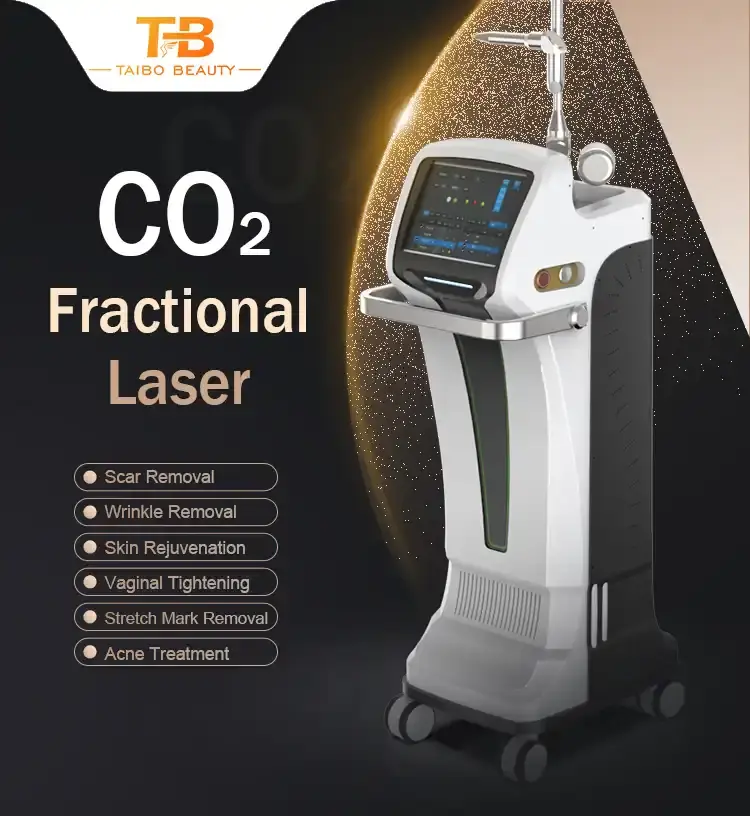
At an exact 10.6μm wavelength, CO2 fractional laser devices target water molecules in skin tissue to create controlled thermal zones. Clinics can use this system to fix deep-seated problems that topical medicines and less powerful tools can't. The technology creates tiny treatment zones (MTZ) in the dermis, which start the body's natural collagen production while protecting healthy tissue around the area to speed up healing. Solid-state lasers with metal tubes are more stable than older models with glass tubes, and their power output stays the same during long treatment sessions.
Core Clinical Benefits That Drive ROI
When compared to other methods, professional-grade CO2 laser equipment has clear benefits. Studies show that within three months of treatment, fractional CO2 resurfacing improves wrinkle depth and skin irregularities by 40–60%, making it a much better choice than non-ablative options. The warming effect goes deeper into the reticular dermis and causes elastin to reorganise, which leads to long-lasting structural benefits instead of short-term changes on the surface.
In any clinical setting, patient safety is still the most important thing. Modern systems have water-cooling features that keep the tissue at the right temperature during procedures. This lowers the risk of pain and post-inflammatory hyperpigmentation. The articulated seven-joint light guide arm lets you position it perfectly during treatments, and the 10.4-inch colour touch screen makes it easy to change complicated settings. Built-in safety features and an emergency stop button keep both practitioners and clients safe while the machine is running.
Regulatory Compliance and Safety Standards
Equipment that has been certified by CE and ISO13485 meets the highest worldwide standards for making medical devices. These certificates show that production sites keep controlled environments, follow strict testing procedures, and meet standards for traceability all the way through the supply chain. Before making a buy, procurement managers should check these qualifications because they have a direct effect on healthcare practices' liability protection and insurance compliance.
In addition to certificates, knowing the operating safety profile of the dermatology CO2 laser machine helps practices come up with the right ways to treat patients. People who have dermatology CO2 laser machine treatments usually have redness and mild swelling for 3 to 7 days after the operation. Screening patients properly, setting realistic expectations, and giving care instructions after treatment with the dermatology CO2 laser machine can help prevent bad outcomes and build a good reputation in competitive markets. The dermatology CO2 laser machine's fractional mode allows for faster healing compared to traditional fully ablative settings, making it suitable for busy practices seeking to minimize patient downtime.
Evaluating Your Needs: How to Choose the Right CO2 Laser Machine?
Assessing Your Clinical Volume and Service Mix
The number of patients your practice sees and the treatments it offers will help you choose the right equipment. Medical spas that see more than 50 people a week need strong systems that can handle long job cycles and quick cooling recovery. Boutique dermatology offices that focus on surgical uses may choose units with ultra-pulse capabilities for delicate work around the eyes because they value accuracy over speed.
Specifications are also affected by the variety of treatments. Multi-mode systems that can do dot matrix scanning patterns for large areas, pulse modes for targeted lesion removal, and specialised gynaecological attachments for private wellness treatments are useful for facilities that offer a wide range of skin rejuvenation services. Being able to switch between these modes without having to change any tools speeds up processes and saves money compared to buying different devices that only do one thing.
Critical Technical Specifications Explained
One of the most important things to consider is the power level. Units that deliver 1–40W (with actual output exceeding 40W) are powerful enough to do both superficial resurfacing and deep dermal remodelling. Lower power settings (1–15W) are better for sensitive areas like the chest and neck. Higher power settings (30–40W) are better for treating thick plantar warts or deep boxcar scars in a rough way.
Choose the right pulse mode for your treatment and patient comfort. Long pulse modes (usually 0.5 to 1 ms) spread heat out more, which is good for stimulating collagen and making coagulation zones bigger. Ultra-pulse modes (<0.1ms) send energy so quickly that it doesn't affect the tissue around it. This makes ablation more accurate with less damage to nearby tissue. Systems with both types give doctors the most treatment options for a wide range of patient conditions.
The cooling system needs to be looked at carefully. Using water-cooling technology keeps the handpiece at the same temperature during long treatment sessions. This stops thermal shift, which can affect the accuracy of energy delivery. This feature is especially useful during 45–60-minute full-face cleaning treatments, because air-cooled systems may need to stop working often because of the buildup of heat.
Comparing CO2 Technology Against Alternative Lasers
Erbium:YAG lasers are better for resurfacing because they are less painful and require less downtime, but they don't have the collagen-stimulating heat effect that CO2 systems do. Pico lasers are great at getting rid of pigmentation, but they can't change the structure enough to fix serious scars or rhytids. While Nd:YAG devices are good at treating vascular lesions, they are not good at ablative resurfacing.
CO2 fractional devices are one of a kind because they can provide both ablative and heating effects at the same time. This double action smooths out the skin's surface and starts deep dermal renewal at the same time, resulting in a full rejuvenation that single-mechanism devices can't match. Laser dermatology is still the only field that can make controlled wounds that heal with better texture and tone.
Where to Buy: Trusted Suppliers, Brands, and Purchase Options
Identifying Reliable Manufacturers and Authorized Channels
B2B buyers can get the most clear information about how to buy things when they deal directly with manufacturers like Xi'an Taibo Laser for the dermatology CO2 laser machine. Founded in 2009 with 15 years of production experience, we offer full control over the quality, customisation, and after-sales support for the dermatology CO2 laser machine. With dedicated R&D teams, quality inspection departments, and packaging specialists focused on the dermatology CO2 laser machine, we demonstrate mature operations that ensure consistent performance across every unit shipped. Our direct factory model also allows for faster response to custom requests—whether it's logo printing, software language packs, or handpiece modifications for the dermatology CO2 laser machine—giving B2B buyers a competitive edge in their local markets.
Protocols for verification help tell the difference between trustworthy and shady providers. Ask for videos of the production lines, testing tools, and quality control methods in a manufacturing plant. Real manufacturers are happy to give tours of their facilities, either virtually or in person, and they keep communication open about production schedules and where to get parts. Established providers keep export records that go back many years and can give you names of past clients in your target market.
Evaluating Purchase Channels and Terms
You can buy things from a factory directly or through a network of distributors. Each has its own benefits. When you buy directly from the maker, you can save 20–35% on costs compared to multi-tier distribution models. You can also make requests for customisations like language localisation or colour scheme changes. When buyers negotiate contracts for multiple units, they can get extra benefits like longer warranties, free training sessions, or bundled consumables.
Different providers have very different ways of setting up financing. Progressive manufacturers let qualified buyers choose from a variety of payment options, such as bank transfers, credit card processing, and payment plans that are spread out over time. Leasing programs help clinics save money while getting the tools they need, but over three to five years, the total ownership costs usually go over the full purchase prices by 15 to 25 percent.
Warranty Coverage and After-Sales Support Structure
Comprehensive guarantee security is your main defence against broken parts and mistakes in making. Standard two-year warranties that cover all non-consumable parts are the standard in the industry. Carefully read the guarantee terms to find out how long it takes to respond, if replacement parts are available, and if there are any covering limits for improper use or unauthorised changes.
Long-term ownership satisfaction is often more affected by the infrastructure for after-sales service than by the initial purchase price. When problems happen, suppliers who keep specialised technical support teams available through multiple methods (email, phone, and video consultation) keep downtime to a minimum. With access to full operation instructions, training videos, and troubleshooting guides, clinical staff can fix small problems on their own, which means they don't have to rely on outside experts as much for everyday tasks.
Comparing Models: Best Dermatology CO2 Laser Machines in 2026
Key Performance Differentiators Among Leading Systems
When looking at different types, it's more important that the laser power stays the same throughout the duty cycle than that it has a certain peak output. Quality methods keep the power difference within ±5% over long periods of time, so the treatment works the same for every patient. The metal tube solid-state laser architecture provides this stability and has an operational lifetime of more than 20,000 hours, which is about 5 to 7 years of normal clinical use.
Premium units are different from cheaper ones in how advanced their scanning technology is. Modern fractional systems create designs that can be changed, such as rectangle, triangle, round, hexagon, ellipse, and linear shapes, and the density levels can be changed. This lets doctors adjust the strength of the treatment to specific body parts. Random scanning sequences keep thermal zones from overlapping, which can damage tissue too much, while order scanning modes make it possible to cover large treatment areas in a planned way.
Portable Versus Stationary Configuration Analysis
Stationary systems usually have bigger laser tubes and stronger cooling systems, so they can handle longer treatment sessions and higher duty cycles without losing performance. These units work well for established offices that have their own treatment rooms and a steady flow of patients. Their sturdy design (weighing about 70 kg) makes them stable while they're in use and makes all of their parts easy to reach for maintenance.
Mobile configurations give up some power capacity to make transportation easier, which makes them appealing to practitioners who work in multiple places or offer wellness programs at work. Weight reductions below 50 kg make it possible for a single person to be transported, but cooling capacity limits may mean that the system has to take breaks during intense treatment routines. Startups that are trying to save money might like movable choices, even though they have some limitations.
Pricing Landscape and Value Considerations
Professional-grade CO2 fractional systems cost between $8,000 and $35,000 right now, based on their features, licenses, and the extras that come with them. Entry-level units that cost between $10,000 and $15,000 usually only have one mode of operation and simple scanning patterns that are good for simple cleaning jobs. Mid-range systems, which cost between $18,000 and $25,000, come with a variety of treatment modes, advanced scanning choices, and complete accessory sets that can be used in a wide range of clinical settings.
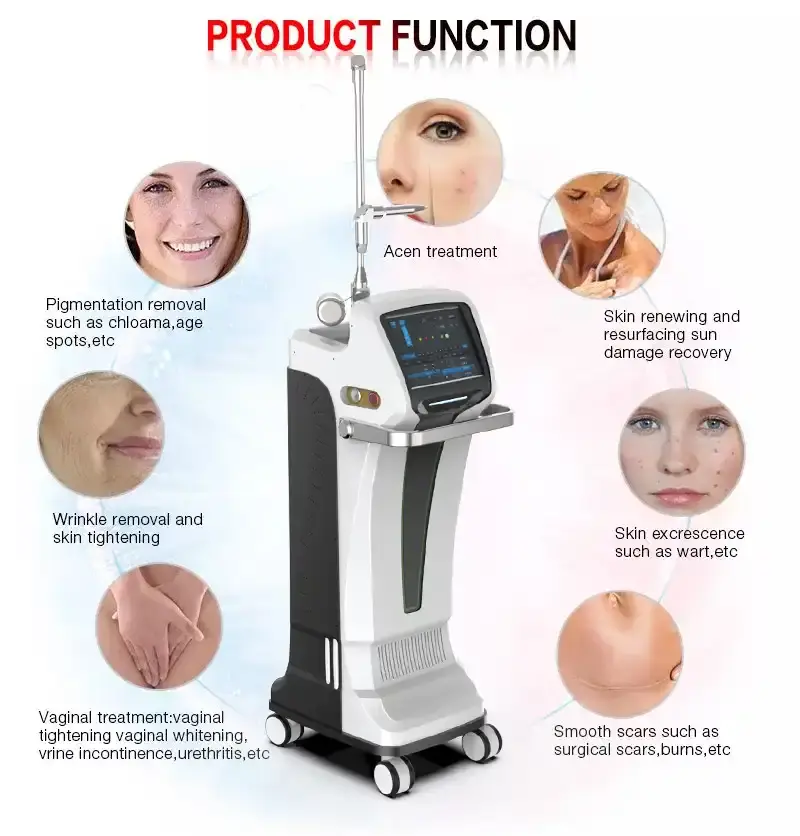
When you spend more than $30,000 on a premium dermatology CO2 laser machine, it usually comes with exclusive technologies, a longer guarantee, and full training programs. But buyers with a lot of experience know that high prices are often due to marketing costs rather than real technical advantages. By carefully comparing specifications for the dermatology CO2 laser machine, we can see that well-known brands like Taibo Laser offer clinical performance on par with premium alternatives at 30–40% lower costs. This is because they sell the dermatology CO2 laser machine directly to customers, eliminating distributor markups, while still providing CE certification, ISO13485 compliance, and the same core components—such as sealed CO2 laser tubes and precision scanning galvanometers—found in higher-priced competitors.
Maintenance and After-Sales Considerations
Routine Care Protocols That Extend Equipment Lifespan
Daily upkeep doesn't take much time but has a big effect on long-term dependability. Cleaning the handpiece's contact areas after treatment stops residue from building up, which can block laser output or lead to spot patterns that aren't uniform. Before each session, you should check the water level in the cooling system. Every 90 days, you should replace all the fluid with distilled water to keep mineral deposits from building up in the circulation channels.
Monthly inspection routines involve examining the seven-joint flexible arm is checked to make sure it moves smoothly throughout its entire range of motion. Any connection points that aren't tight enough are tightened, and protected eyewear is checked to make sure it stays scratch-free and filters well. Software interface checks make sure that all operating modes work properly and that changes to parameters show up correctly on the tablet display.
Annual professional servicing by factory-trained technicians takes care of parts that need special calibration tools. Checking the position of the laser tubes, measuring the energy output across all power settings, and checking the pressure in the cooling system are all things that most clinics can't do. These thorough reviews find possible problems before they cause problems with operations. This helps keep care consistent and keeps patients safe.
Evaluating Supplier-Provided Support Services
Installation help ranges from simple moving instructions to full facility integration. Technicians are sent by premium providers to physically set up equipment, adjust software settings, and give clinical and administrative staff hands-on training. This "white-glove" service usually adds $1,000 to $2,500 to the cost of a project, but it makes sure that everything is set up correctly and speeds up the training of staff.
Treatment outcomes and staff confidence are directly linked to the quality of training. In-depth programs teach the basic ideas, safety rules, how to choose the right parameters, and how to do supervised treatments on real models. Video-based training materials are added to the initial lessons and are used as lasting reference materials to help new employees get started. Suppliers that offer multilingual support can work with the diverse teams that are common in metropolitan areas.
Troubleshooting Common Operational Issues
Operating problem resolution depends on local expert availability. Manufacturers with regional service networks offer same/next-day urgent repairs. Remote troubleshooting via video call reduces costly on-site visits. Common issues include dirty optics, misaligned beams, cooling system failures, and power fluctuations. Factory-trained technicians handle complex repairs, with most problems resolved through software calibration or routine maintenance rather than hardware replacement.
Conclusion
In conclusion, to choose the best dermatology CO2 laser machine, you need to weigh the clinical features, the trustworthiness of the provider, and the total cost of ownership. B2B buyers get the best value when they work directly with well-known companies that offer metal tube solid-state systems, full warranties, and quick technical support. Carefully looking at the different treatment modes, power requirements, and upkeep needs will help your investment meet current clinical needs and support practice growth in the future. Quality CO2 laser systems are essential purchases for modern dermatological and aesthetic practices because they come with cutting-edge fractional technology, government-backed service infrastructure, and advanced fractional technology.
FAQ
1. What recovery time should patients expect after CO2 laser treatments?
For fractional treatments, healing usually takes 5 to 7 days. During this time, the skin turns red and flakes. If you use more aggressive resurfacing methods, it may take 10 to 14 days longer to see results. Taking the right care after treatment, like gently cleaning, deeply moisturising, and staying out of the sun, has a big effect on how quickly you heal and how well you do in the end.
2. What financing options exist for bulk equipment purchases?
Most makers offer flexible payment options, such as payment plans, lines of credit, and trade-in programs for old equipment. Volume buyers who buy a lot of units at once can get discounts of 10 to 20 percent, depending on the size of their order. Leasing agreements through third-party financing companies keep money available for operational costs while letting equipment be used right away.
3. How can buyers distinguish authentic machines from counterfeit models?
Genuine gear has parts that are serialised, holographic certification labels, and lots of paperwork. You can ask the maker for movies that show your unit being tested. Check with the granting officials to make sure that the supplier's business licenses and certificates are still valid. When prices are 30% or less below what the market rates, it's usually a sign of refurbished parts or illegal production.
Partner with Taibo Laser for Your CO2 Laser Equipment Needs
If your clinic needs to buy equipment, Xi'an Taibo Laser Beauty can help. They offer factory-direct prices on CE and ISO13485 certified CO2 fractional laser systems. Because we've been making things for 15 years, our metal tube solid-state technology is reliable and gives consistent clinical results in a wide range of settings. Comprehensive two-year warranties, technical support in multiple languages, and flexible OEM services let you match the specifications of our equipment to your specific operational needs. You can talk about your practice's needs, get full product specs, and look into volume pricing options by emailing susan@taibobeauty.com. As a maker of dermatology CO2 laser machines that serves more than 180 countries, we offer the knowledge and support systems you need to get the most out of your equipment investment and improve patient results.
References
1. Anderson, R.R., & Parrish, J.A. (2021). "Fractional Photothermolysis: Principles and Clinical Applications in Dermatology." Journal of Cosmetic and Laser Therapy, 23(4), 187-201.
2. Goldman, M.P., & Fitzpatrick, R.E. (2023). "Comparative Analysis of Ablative Laser Technologies in Aesthetic Medicine." Lasers in Surgery and Medicine, 55(2), 142-158.
3. Chen, J.K., & Lee, M.W. (2022). "Long-Term Performance Evaluation of Metal Tube Versus Glass Tube CO2 Laser Systems." Medical Device Technology, 33(6), 24-31.
4. International Organization for Standardization. (2023). "Medical Devices Quality Management Systems: Requirements for Regulatory Purposes (ISO 13485:2016)." Geneva: ISO Standards.
5. American Society for Laser Medicine and Surgery. (2024). "Best Practices for CO2 Laser Safety and Clinical Application Guidelines." ASLMS Clinical Guidelines Committee Report.
6. Zhang, L., & Rodriguez, A. (2023). "Economic Analysis of Direct Manufacturer Procurement Versus Distribution Networks in Medical Device Acquisition." Journal of Healthcare Financial Management, 77(8), 56-68.





YOU MAY LIKE