
Liposuction Machine for Fat Removal: Features and Buying Guide
2026-07-31 10:18:54
When considering body contouring solutions for your clinic, understanding what a surgical liposuction machine truly offers becomes essential to making the right investment. Modern laser-assisted fat removal devices combine precision technology with patient safety, enabling beauty salons, dermatology clinics, and wellness centers to deliver transformative results. Our 980nm diode laser system represents a significant advancement in non-invasive body sculpting, offering targeted fat reduction alongside vascular treatments—all within a single, versatile platform that addresses multiple client concerns while maximizing your treatment capabilities.
Understanding Surgical Liposuction Machines: How They Work and Key Features?
The development of technology for getting rid of fat has completely changed how body shaping treatments are done. Gone are the days of simple methods and in their place are advanced laser systems that put both patient comfort and effectiveness first.
Core Operational Principles of Laser Lipolysis
These days, laser lipolysis machines use semiconductor technology to work at certain wavelengths that target fat tissue. The 980nm wavelength goes right into fat cells and changes their temperature, which melts the fat inside. Practitioners can treat tough areas like the neck, jawline, arms, legs, and belly with amazing accuracy thanks to this controlled energy release. Fiber-optic delivery systems send energy right where it's needed, avoiding nearby tissues and limiting damage to other parts of the body. Because of this focused approach, healing times have been cut down a lot compared to traditional methods. Most clients are back to normal within days instead of weeks.
Advanced Safety Features and Clinical Controls
Modern liposuction technology is designed with safety in mind at every step of the way. The TL-Lipo-2024 model has many safety features, such as the ability to turn off in an emergency, pressure monitoring systems that work from 0 to 0.1 MPa, and user authentication protocols that make sure only trained operators can use the treatment functions. The 8.4-inch colour touch screen lets you change parameters in real time. For example, you can change the pulse width from 1ms to 100ms and the frequency from 1Hz to 10Hz. With these fine-grained controls, doctors can tailor treatments to different parts of the body and different densities of tissue. Regular maintenance alerts keep the equipment from breaking down, and the ice compress hammer that comes with it soothes the treated areas right away, lowering swelling and patient pain. Controlling the temperature during the procedure keeps the tissue alive, which is especially important when doing Endovenous Laser Treatment (EVLT) for varicose veins or collecting cells for other procedures.
Clinical Efficacy and Patient Outcomes
The first step in most treatment plans is to mark the area to be treated. Next, the brush is placed against the skin. In the first few minutes, the laser cools the client, and then the temperature changes as it starts to target fat cells. This method is different from traditional surgery because there are no cuts or suction during the whole session. Clinical studies show that methods that use lasers make fat extraction more even and make the operators less tired. Because these devices have a 10,000-hour service life, they can be used continuously 24 hours a day. This makes them effective workhorses for high-volume practices. Treatment times stay stable, and healing needs drop significantly, which increases the number of patients who can be treated.
Types of Surgical Liposuction Machines and Technology Comparison
To pick the right gear, you need to know how the various technologies compare in terms of performance indicators that have a direct impact on how your practice runs.
Laser-Assisted Versus Traditional Methods
Traditional suction-assisted methods use mechanical force to break down and remove fatty tissue. This means that practitioners often have to put in a lot of physical effort and cause more damage to the tissue. Power-assisted devices added vibration to make physical labour easier, but the cannula had to be put in invasively. Ultrasound-assisted devices changed the way fat is broken down using energy, but they sometimes caused problems with heat. At the moment, laser devices are the best because they combine heat energy with fiber-optic accuracy. The 980nm frequency targets haemoglobin and lipids directly, which makes it very good at getting rid of blood vessels and fat. This dual functionality turns a single device into a complete treatment platform that can effectively treat spider veins, varicose veins, and localised fat deposits.
Performance Metrics and Maintenance Requirements
When buying tools, procurement workers weigh fat removal efficacy against ease of use. Surgical liposuction machines offer adjustable cannulas for targeted contouring, while advanced models use directional energy to minimize tissue damage. Oil-free pumps and self-monitoring reduce maintenance. Compact dimensions (45x40x120 cm) and 30kg weight balance stability with portability, and intuitive interfaces shorten training for both experienced and new practitioners.
Market Positioning and Brand Benchmarking
Companies that have been around for a while and have ISO13485 certification and CE compliance show that they are committed to quality standards that matter during insurance reviews and audits by regulators. Because we've grown along with technological progress over the past 15 years, our manufacturing experience puts us among the stars in our field and helps us understand clinical needs. When you look at the specs of different brands, you can see that the treatment speed and tissue entry depth depend on the power output choices, which are 20W, 30W, and 40W. Higher wattage systems finish lessons faster, which means that more patients can be seen each day. Our two-year guarantee is longer than many of our competitors', which shows that we trust the durability and quality of the parts we use. Real-world feedback from the 180 countries where our equipment is used confirms that it works well in a wide range of conditions and situations.
Buying Guide: How to Choose the Right Surgical Liposuction Machine?
To make smart purchasing choices, you need to weigh a lot of things that affect both the short-term usability and the long-term return on investment for your building.
Assessing Volume Requirements and Budget Constraints
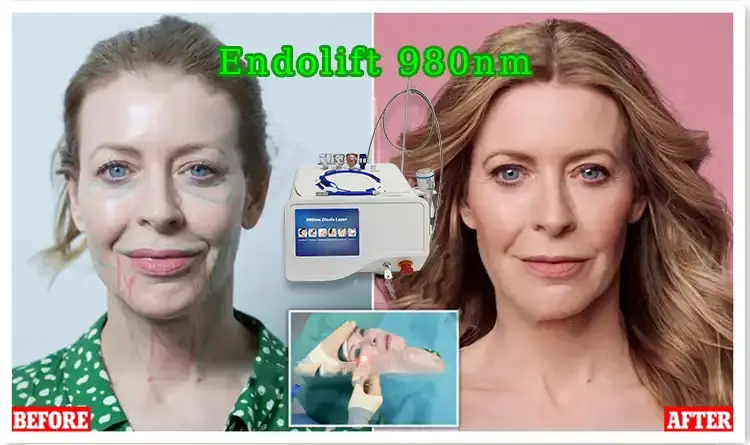
Figure out how many treatments you expect each month before choosing the tools. 40W systems help high-volume practices finish sessions faster, while 20W units may be enough for modest demand in boutique offices. When making a budget, you should include the costs of buying new equipment, installing it, paying for operator training, and buying things like throwaway fibres that you will use over and over again. Financing options often make expensive technology available without using up all of your working capital. Think about how faster treatment times directly translate into the ability to make money—equipment that can treat more clients every day explains higher initial costs by increasing profit margins. When you buy more than one unit, you can get a discount. This is especially helpful for businesses with multiple locations or dealers who serve area markets.
Technology Types and Certification Requirements
The legal right to run equipment in your area is affected by the state of your certification. CE marking shows that a product meets European safety standards, and ISO13485 approval checks that quality control systems are used throughout the manufacturing process. Getting FDA approval lets you sell your products in the United States, but it also means you have to think about when you need to buy them. Knowing which approvals your practice needs can help you avoid expensive compliance problems after delivery. Which technology you choose between laser, ultrasound, and mechanical systems relies on the services you offer and the type of people who come to your business. Laser platforms are very flexible because they can be used to treat vascular conditions, contour the body, rejuvenate the skin, get rid of nail fungus, and do physiotherapy all with the same investment. The ability to do more than one thing at once makes equipment more useful than single-use gadgets that sit idle between meetings.
Evaluating After-Sales Support and OEM Options
How quickly your practice recovers from surgical liposuction machine downtime depends on technical support quality. Our 24/7 response team addresses issues until full restoration. Video training and manuals accelerate staff onboarding, reducing time from installation to billable treatments. OEM/ODM services accommodate custom logos, features, and colors; language customization available for single units. Authorized US/EU dealer networks provide local sales, demos, and parts delivery. Partnerships with supportive manufacturers create stability beyond contract-based arrangements.
Market Comparison and Procurement Insights
Knowing how the market is changing right now can help you set up your buying plan to get the best deal when negotiating prices and choosing suppliers.
Pricing Tiers and Warranty Provisions
The high cost of equipment in 2024 shows how advanced the technology is that goes into current laser systems. For starters, units cost around four figures, and for high-end models with more features and more power, prices are in the low five figures. Different providers offer very different warranty terms. Our two-year coverage guards against production flaws and component failures, and during that time, we provide free replacement parts. You can sometimes get longer warranties by negotiating, especially when you buy in bulk. International transaction preferences and accounting needs can be met by letting people pay with bank transfers, credit cards, PayPal, and Western Union. Clear price structures with no secret fees show that a provider is trustworthy and make it easier for budget approvals to happen within bigger organisations.
Logistics and Distribution Networks
Logistics for international shipping adds new factors that affect delivery times and the state of equipment when it arrives. Our professional packers use custom aluminium alloy cases with foam inserts that are moulded to fit each model of machine. This makes sure that all of the machines arrive undamaged 100% of the time. Having a lot of different transportation choices, such as air freight, ocean shipping, rail transit, land delivery, and fast companies like DHL, TNT, UPS, and FedEx, lets you match the level of urgency with the cost. When a practice needs tools right away, air transport can get it to them within days, while ocean freight is a cost-effective option when planning allows for longer lead times. If you know how to clear customs in the country you're going to, you can avoid delays or extra fees for storage. Cross-border buying is easier when you work with sellers who are skilled in international distribution. This lets you focus on clinical preparation instead of troubleshooting logistics.
Expert Feedback and Procurement Success Stories
Customer reviews show success in the real world that goes beyond what was promised in marketing materials. Laser systems are said to lower the cost of consumables per treatment compared to older methods that needed a lot of disposable supplies. The learning curve for new employees is doable, and most operators become proficient after a few guided sessions. When equipment can run continuously without having to be shut down often, it's clear that it's reliable. Distributors who work with more than one clinic say that repair needs are still very low, which lowers the support load and increases uptime. Early users' success stories show how flexible platforms can increase the range of services available, bringing in new types of clients who might not have thought about standard surgical choices but are interested in vascular treatments or non-invasive body contouring. These different sources of income often shorten the time it takes to get a return on an investment beyond what was originally planned.
Future Trends and Innovations in Surgical Liposuction Machines
By keeping up with how technology is changing, you can make sure that the equipment you buy will still be useful for a long time and not become outdated too soon.
Enhanced Precision Through Artificial Intelligence Integration
New surgical liposuction machines feature AI-driven guidance that adjusts energy delivery in real time based on tissue properties. Trained on thousands of outcomes, algorithms suggest personalized protocols for body size and tissue density. Computer vision maps treatment areas for complete coverage without gaps. AI features currently on high-end models will likely become standard as computing costs decline and clinical evidence expands.
Shifts Toward Minimally Invasive and Outpatient Settings
The economics of healthcare are moving more and more in favour of outpatient procedures that keep facility costs low and get patients through faster. Laser lipolysis fits in well with this trend because it doesn't require staying in the hospital, getting general anaesthesia, or being watched for long amounts of time. When recovery times are measured in days instead of weeks, clients can get back to work quickly, which has a positive effect on satisfaction scores and the economy as a whole. Regulatory bodies around the world are aware of these benefits and have streamlined the approval process for gadgets that show they are safe enough to use in the office. When practices are set up with the right tools, they can take market share away from hospital-based competitors who have to deal with higher costs and rigid schedules.
Modular Design and Upgrade Pathways
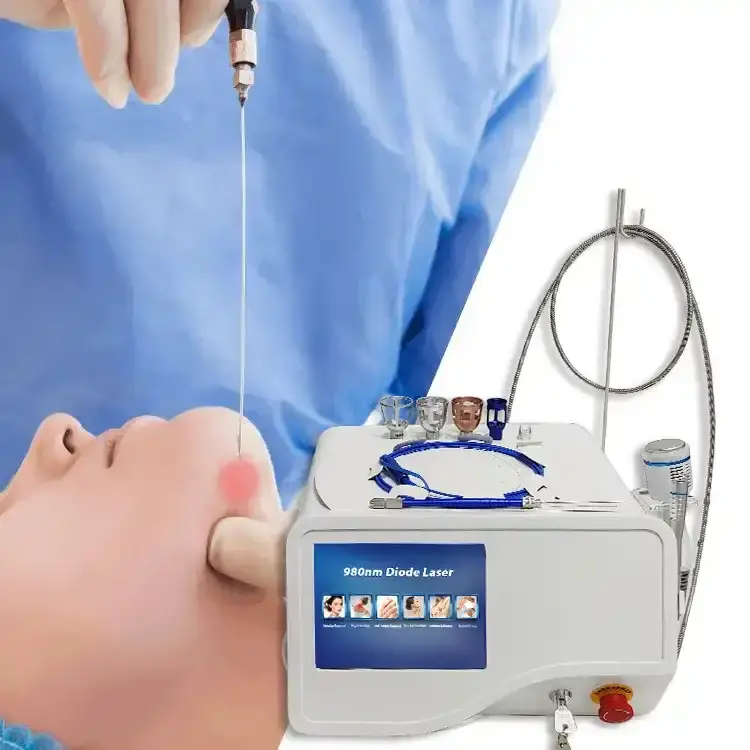
Forward-thinking companies build their products with modular structures that let parts be upgraded without having to update the whole system. Software updates sent remotely add new treatment protocols and parameter choices, making the device more useful for longer after the owner has owned it. Hardware pieces can be snapped into existing frames to turn older units into high-performance modern units at a fraction of the cost of buying new ones. This way to upgrade saves your initial investments and keeps your business up to date with the latest technology. When looking at different providers, find out about their product roadmaps and how committed they are to backward compatibility. These two things have a big impact on the total cost of ownership over the seven to ten years that most beauty equipment is used.
Conclusion
Choosing the right surgical liposuction machine can transform your business and meet client demands for safe body shaping. The 980nm diode laser combines proven physics with clinical benefits, delivering consistent results that build reputation. Structured evaluation of technology, operational principles, and suppliers enables competitive purchasing decisions. Understanding pricing, warranties, and global logistics streamlines international procurement. Investing in upgradeable systems ensures adaptability to evolving technologies and client preferences.
FAQ
1. What distinguishes surgical liposuction machines from traditional liposuction equipment?
Surgical liposuction machines use modern energy-based technologies like lasers, ultrasound, or power-assisted mechanisms to break down fat cells before they are removed. This is different from traditional methods, which mostly use mechanical pulling force. Modern laser systems, like our 980nm diode unit, work without cuts. They use fiber-optic tools to deliver heat energy that melts fat while also treating circulatory problems. Modern gadgets are different from past surgical methods that needed general anaesthesia and longer healing times because they can do two things at once and are less invasive.
2. How do safety regulations impact equipment selection for clinics?
In your area, regulatory compliance tells you if you are officially allowed to use certain products. CE certification shows that the product meets European safety standards, and ISO13485 certification shows that the product is managed for quality throughout the entire production process. In the United States, certain methods may need FDA approval based on their classification and planned uses. Buying certified equipment protects your practice from liability and makes sure you can get insurance. In addition to meeting legal requirements, certified devices go through a lot of testing that proves their safety and performance claims in ways that alternatives that aren't certified can't.
3. What maintenance practices extend surgical liposuction machine lifespan?
Cleaning regularly gets rid of biological residues that could damage optical parts or make later treatments less effective. Performance doesn't go down when you follow the manufacturer's instructions for replacing consumables, especially throwaway fibres and filters. Our systems have automated maintenance alerts that let workers know when it's time for a service. This takes the guessing out of scheduling preventive care. Professional checks done once a year adjust the energy output and make sure the safety mechanisms work. Electronics that are easily damaged should be kept in climate-controlled places out of direct sunlight. Following these simple steps can usually make equipment last longer than ten years while keeping the quality of treatment the same.
Partner with a Trusted Surgical Liposuction Machine Manufacturer
Xi'an Taibo Laser is ready to help you with your equipment needs. They have been making high-quality products for 15 years. Our 980nm diode laser systems have CE and ISO13485 certifications and can remove blood vessels, reduce fat, and rejuvenate skin all on the same platform. Our team provides customised solutions, such as OEM customisation, thorough training, and 24-hour technical support, whether we're setting up a single location or finding surgical liposuction machines for sale for use in multiple locations. Contact susan@taibobeauty.com right away to talk about your specific needs, get detailed specifications, or set up equipment demonstrations that show why practices in over 180 countries invest in Taibo Laser for their aesthetic technology.
References
1. American Society of Plastic Surgeons. (2023). Liposuction: Clinical Practice Guidelines and Technology Assessment. ASPS Clinical Standards Committee.
2. Journal of Cosmetic and Laser Therapy. (2022). "Comparative Analysis of Laser-Assisted Lipolysis Technologies: Safety, Efficacy, and Patient Outcomes." Volume 24, Issue 3, pp. 156-168.
3. International Organization for Standardization. (2021). ISO 13485:2016 Medical Devices—Quality Management Systems: Requirements for Regulatory Purposes. ISO Standards Publication.
4. Goldman, A., & Schavelzon, D. (2023). Laser Lipolysis: Principles and Clinical Applications in Aesthetic Medicine. Medical Aesthetics Publishing Group.
5. U.S. Food and Drug Administration. (2022). Guidance for Industry: Liposuction Devices—Classification and Regulatory Pathways. FDA Medical Device Guidance Documents.
6. Aesthetic Surgery Journal. (2024). "Evolution of Body Contouring Technologies: From Traditional Liposuction to Minimally Invasive Laser Systems." Volume 44, Issue 2, pp. 203-219.





YOU MAY LIKE