
What Is Painless At Home Laser Hair Removal and Does It Really Work?
2026-06-25 09:04:39
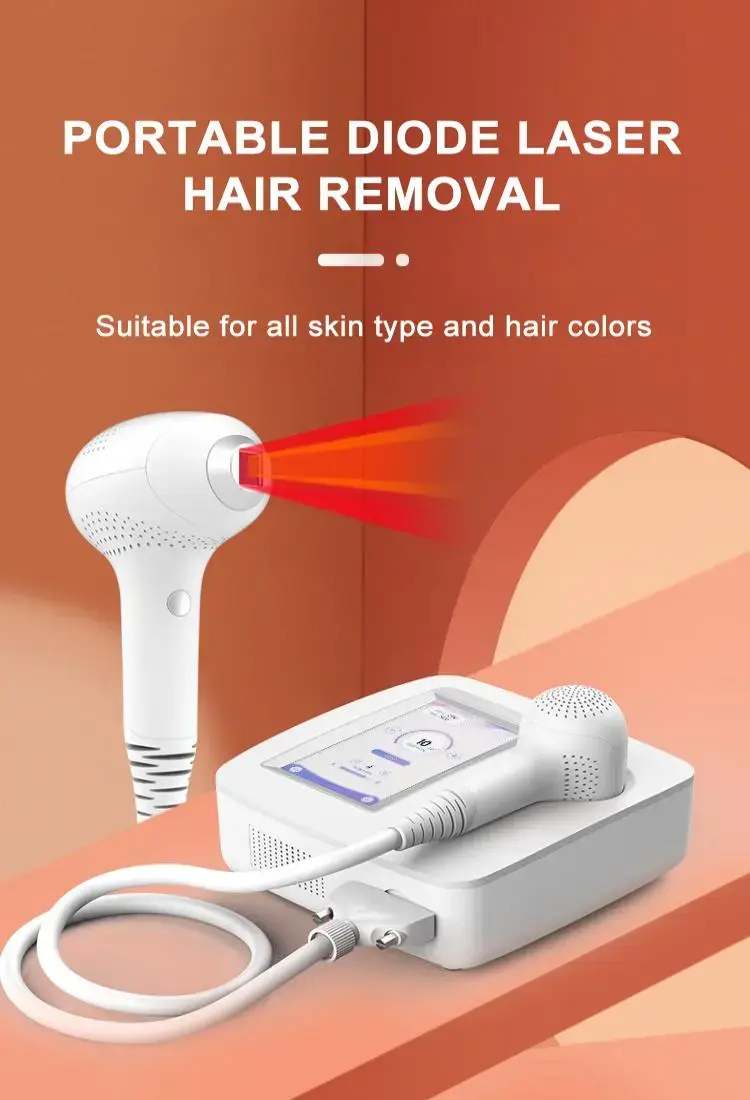
painless at home laser hair removal uses modern diode laser systems to target and stop hair follicles without the pain that is usually linked with hair removal methods. These gadgets give off precise 808nm frequency light that goes deep into the hair root and turns into heat that stops the hair growth cycle. When mixed with advanced cooling systems, like air cooling and semiconductor refrigeration, the treatment surface stays at a temperature that keeps the skin from getting hurt, even during high-energy cycles. There is clinical proof that using it regularly for a few weeks causes a lot of hair loss. Users say that their hair density dropped by up to 70–85% after finishing treatment protocols. The technology really does work as long as the gadgets get strict safety approvals and people follow the treatment plans that are made just for their skin and hair.
Understanding Painless At-Home Laser Hair Removal Technology
How Diode Laser Technology Differs from IPL?
IPL and diode lasers differ fundamentally in energy delivery and precision. A diode laser emits a single 808nm wavelength targeting melanin in hair cells. Unlike IPL’s broad-spectrum light, this focused method reaches deeper and damages follicles more effectively. The 808nm wavelength is proven optimal for penetrating various skin types safely. Diode technology speeds treatment because high energy concentration means fewer passes, and 1-10Hz fast fire rate covers large areas in minutes.
The Science Behind Pain-Free Treatment
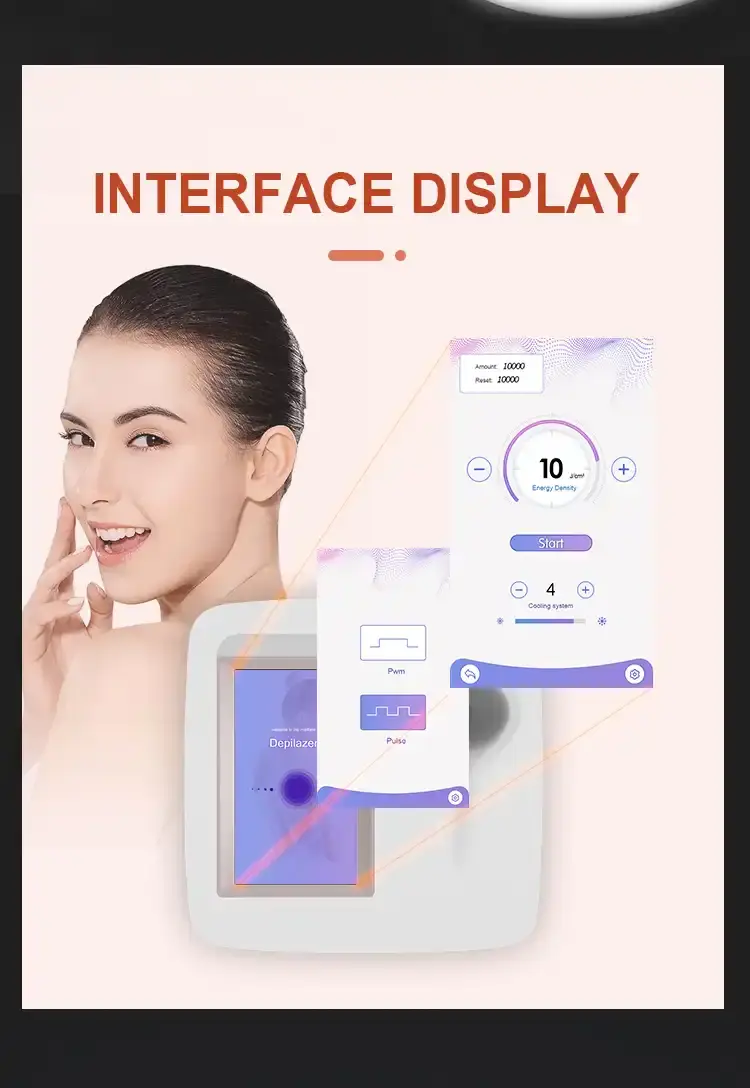
Modern Painless At Home Laser Hair Removal devices have advanced heat control systems preventing pain. Professional-level equipment uses dual-cooling with airflow and semiconductor refrigeration to stabilize skin temperature during sessions. The five-level adjustable cooling creates a thermal barrier as laser energy penetrates hair follicles. Temperature tracking and skin touch sensors automatically adjust energy output. Safety interlocks prevent accidental activation and adjust fluence in real time, making even sensitive areas pain-free.
Clinical Evidence and Efficacy Timelines
Dermatological research confirms regular diode laser treatments reduce hair growth. Hair cycles through anagen (growth), catagen (transition), and telogen (rest) phases. Lasers only affect anagen follicles, requiring multiple sessions spaced weeks apart. Visible results typically appear after 4-6 treatments, with optimal effects after 8-12 treatments based on hair color and body area. Long-term follow-up shows maintenance every few months sustains results, with 60-90% permanent follicle reduction after full protocols.
Key Benefits and Safety Considerations for B2B Clients
Cost-Effectiveness and Market Demand
Businesses that buy Painless At Home Laser Hair Removal devices can save a lot of money compared to buying professional-grade medical tools. The minimum investment required for high-quality home-use devices stays much lower, which caters to the huge group of people looking for cheaper alternatives to spa services. Market research shows that people's interest in hair removal gadgets they can use at home has steadily grown. This is because they are more convenient and save money over time compared to going to the salon regularly. When companies look at chances to buy in bulk, the unit economics become very appealing. These gadgets can be sold by distributors, spas, and wellness centers to customers as extra ways to make money and build customer trust through useful, results-driven goods. Replacement parts and skin care items that go with the device can bring in recurring income, which can help businesses last after the original sale of the device.
Safety Certifications and Regulatory Compliance
Buyers should prioritize devices with full safety certifications proving manufacturing quality and therapy safety. CE marking indicates European safety compliance, while ISO13485 approval confirms medical device quality management. Strict testing verifies energy output stability within 5-10% range. Cooling system performance ensures contact areas reach below 10°C within 60 seconds. IEC 62471 photobiological tests confirm no dangerous UV radiation. Skin tone sensors automatically disable treatment for high-risk Fitzpatrick types V-VI.
Addressing Diverse Skin and Hair Profiles
Modern diode lasers work across different skin tones and hair types, crucial for B2B buyers building varied product collections. Older systems struggled with darker skin due to epidermal melanin competing for energy absorption. Modern 808nm technology with adjustable 5-40J/cm² energy levels allows customized treatments. The 9x12mm spot size balances facial accuracy with body speed. Five-level cooling enables personalization for sensitive areas, letting companies serve broader markets without multiple specialized versions.
Comparative Analysis: At Home Devices vs Other Hair Removal Methods
Professional Laser Treatments Versus Home-Use Systems
The main differences between professional laser systems and Painless At Home Laser Hair Removal devices are the amount of power they produce, how fast they fix, and how hard they are to use. With professional tools, the fluence levels are usually higher and the spot sizes are bigger, which lets practitioners treat the whole body in less time. Class IV lasers are also used in clinical settings, but they need to be operated by trained professionals in treatment rooms that follow safety rules. Home devices work within the power limits set by the government and are made so that people can use them without being watched. They have built-in safety features like skin touch sensors and automatic strength adjustment. Professional treatments may show benefits more quickly—often in just three to five sessions—but home devices have similar effects after longer treatment periods. For people who are ready to put in the time for self-administered sessions, the trade-off is convenience and long-term cost saves. When businesses are trying to figure out how to place themselves in the market, they should keep in mind that home-use devices are more popular with people who want privacy, flexibility in their schedules, and long-term economic benefits than with people who want the fastest speeds no matter what.
Advantages Over Traditional Hair Removal Methods
Compared to shaving, waxing, threading, and depilatory creams, laser technology offers clear benefits. Shaving causes razor bumps, ingrown hairs, and skin discomfort lasting days. Waxing is painful, requires hair regrowth between sessions, and risks skin tears. Depilatory creams contain harsh chemicals causing allergic reactions. Diode lasers gradually slow hair growth at the follicular level, reducing ingrown hairs. Additionally, 808nm systems provide skin whitening, pore reduction, and rejuvenation through controlled heat stimulation.
How to Choose and Procure the Best Painless At Home Laser Hair Removal Devices?
Essential Technical Specifications for Evaluation
B2B purchasing requires thorough analysis of key technical factors affecting treatment effectiveness. Laser wavelength is most critical: 808nm optimally balances penetration depth and melanin sensitivity across skin types. Power output (100W or 200W) determines treatment intensity and speed. Adjustable energy range of 5-40J/cm² accommodates different body areas and pain thresholds. The 9x12mm spot size balances facial precision with body coverage. 1-10Hz pulse frequency speeds sessions. Five-level combined air and semiconductor cooling ensures patient comfort.
Vendor Evaluation and Partnership Criteria
A good supplier partnership includes more than just the specifications of the Painless At Home Laser Hair Removal product. It also includes the trustworthiness of the manufacturer, the availability of support infrastructure, and the ability to be flexible with business needs. Buyers should give more weight to manufacturers with production history that spans several years. This shows that the manufacturers have honed their techniques and established stable quality control systems. Factory approvals like ISO13485 show that they are committed to high standards for medical devices, and the CE mark shows that they are following the rules for international sales. The fact that the seller offers product liability insurance and is willing to share testing paperwork shows how mature their risk management is. Communication infrastructure is very important, especially for foreign business deals where language and time zone gaps can make it harder to solve problems. Suppliers with specialized account management, professional support teams, and a lot of training materials make distribution run more smoothly and ease the load on support teams after the sale. Businesses that serve a wide range of customers can gain more by offering marketing materials, user guides in multiple languages, and educational films. When negotiating business terms, it's important to be clear about things like minimum order amounts, payment terms, shipping plans, and how to return broken items. Businesses can create unique market places while keeping their capital needs in check by working with vendors who offer OEM customization, which includes applying brand logos, designing packages, and calibrating energy settings.
Market Segmentation and Customer Matching
Proper product positioning requires understanding different customer segments' needs. Price-conscious buyers seek affordable devices with basic functions and standard warranty coverage, responding well to entry-level models. Mid-market customers want value with extra features like adjustable fluence, larger spot sizes, and longer warranties, valuing brand image. Premium buyers demand maximum effectiveness with advanced safety features and comprehensive support. Regional preferences vary: some markets prefer portable designs while others want standing units. Darker skin markets need lower energy settings.
Future Outlook and Trends in Painless At Home Laser Hair Removal
Technological Innovation and Smart Features
As Painless At Home Laser Hair Removal devices get better, they add more digital connections and artificial intelligence to make the user experience better and improve treatment results. New products have WiFi connection letting a smartphone app track treatment schedules, log photo progress, and send session reminders to improve routine compliance. Painless At Home Laser Hair Removal devices use machine learning algorithms analyzing user data to suggest optimal energy settings and predict maintenance timing. Some makers added skin analysis sensors that automatically detect skin tone and adjust energy delivery in real time, eliminating treatment guesswork. These smart features solve compliance and settings uncertainty problems that previously limited home-use device effectiveness. Data collection gives manufacturers usage insights for future product development. B2B buyers should monitor these trends for competitive differentiation. Early smart device adoption positions distributors as innovation leaders and enables subscription-based data analysis services.
Market Growth Projections and Demand Drivers
The home-use hair removal device market continues growing due to converging cultural, economic, and demographic factors. Expanding global middle class, particularly in developing economies, increases disposable income for personal care. Beauty standards becoming less gender-specific expands addressable market beyond traditional female targets. Younger generations embrace appearance self-care earlier, extending customer lifetime value. Home-use devices spread total ownership cost over years versus recurring spa fees. Pandemic-driven acceptance of at-home beauty treatments has proven durable. Environmental concerns favor long-lasting devices over disposables.
Building Consumer Trust Through Transparency
As the home-use laser device market matures, it rewards manufacturers and distributors emphasizing open communication, authentic customer feedback, and comprehensive education. Consumers increasingly scrutinize claims, seeking independent validation through clinical studies, certifications, and verified reviews. Businesses differentiate through transparency: publishing detailed specifications, making certification documents accessible, and facilitating verified customer reviews. Educational materials managing expectations about treatment speed and permanence reduce dissatisfaction. Extended warranties beyond standard one-year terms signal reliability and lower perceived purchase risk.
Conclusion
The world of Painless At Home Laser Hair Removal has changed a lot thanks to better technology, more mature regulations, and more accepting customers. Modern diode lasers with 808nm wavelength treatments and advanced cooling systems can really get rid of hair effectively and comfortably outside of professional settings. When safety certifications, proven effectiveness, and cost savings come together, they create great chances for B2B buyers who serve a wide range of market groups. To be successful in this field, you need to pay close attention to technical details, the dependability of your vendors, and how well the features of your products match the needs of your target customers. The path shows that there will be more innovations with smart features and better personalization tools, which will help the market grow even more. People who buy in bulk or join this area do so with the goal of capitalizing on growth in the personal care market, which has strong fundamentals and positive long-term demand trends.
FAQ
1. Does painless laser hair removal really work permanently?
By hurting hair cells while they are actively growing, diode lasers successfully slow hair growth. Manufacturers often use the phrase "permanent reduction," but what they really mean is a large decrease—usually 60–90% of treated follicles—rather than total elimination. Some hair follicles may grow back over time, so you may need to get upkeep treatments every so often. Permanence rests on following treatment plans exactly. In the beginning, lessons had to happen every two weeks, and then they had to be spaced out more and more.
How long does it take for laser devices at home to work?
2. After four to six treatments, spaced out according to the hair growth cycle in the treated places, you should be able to see less hair. Most people see the best effects after eight to twelve lessons spread out over a few months. How each person reacts depends on their hair color, thickness, skin tone, and hormones. Users shouldn't expect instant changes after the first treatments; instead, they should be realistic about how things will get better over time.
3. Are there any side effects or risks with home-use devices?
As long as you follow the manufacturer's instructions, side effects will be minimal and short-lived. People who use it may temporarily feel a little redness, warmth, or soreness in the places that were treated. This usually goes away within hours. Devices that have been properly tested and approved for safety have features that protect against skin burns through sensors and automatic strength adjustments. Bad responses are less likely to happen if you use the right energy settings for your skin tone and do patch tests before full treatments.
Partner with TB for Professional Painless At Home Laser Hair Removal Solutions
As a reliable company that makes Painless At Home Laser Hair Removal systems for home use, TB (Xi'an Taibo Laser Beauty) has been in business for over 15 years and has exported to more than 180 countries around the world. Our 808nm diode laser hair removal devices have modern cooling systems, energy ranges that can be adjusted from 5J/cm² to 40J/cm², and safety standards that have been approved by CE and ISO13485.
Our fully integrated manufacturing center, focused research and development team, and strong infrastructure for after-sales support help businesses find trusted suppliers. To help you succeed in this growing market, we offer OEM/ODM customization options, big price that is hard to beat, and a lot of training materials. Our professional team offers full support, from the initial meeting to expert help after delivery. We back this up with a strong warranty and the ability to provide replacement parts. Contact susan@taibobeauty.com to talk about your unique needs and find out how TB can add proven, safe, and effective laser hair removal technology that meets strict international quality standards to your product line.
References
1. Anderson, R.R., and Parrish, J.A. "Selective Photothermolysis: Precise Microsurgery by Selective Absorption of Pulsed Radiation." Science, vol. 220, no. 4596, 1983, pp. 524-527.
2. Haedersdal, M., et al. "Evidence-Based Review of Hair Removal Using Lasers and Light Sources." Journal of the European Academy of Dermatology and Venereology, vol. 25, no. 1, 2011, pp. 9-24.
3. Gold, M.H. "Lasers and Light Sources for the Removal of Unwanted Hair." Clinics in Dermatology, vol. 25, no. 5, 2007, pp. 443-453.
4. Sadick, N.S., and Shaoul, J. "Hair Removal Using a Combination of Conducted Radiofrequency and Optical Energies—An 18-Month Follow-Up." Journal of Cosmetic and Laser Therapy, vol. 6, no. 1, 2004, pp. 21-26.
5. Town, G., and Ash, C. "Are Home-Use Intense Pulsed Light Devices Safe and Effective?" Journal of Cosmetic and Laser Therapy, vol. 12, no. 4, 2010, pp. 168-172.
6. Wheeland, R.G., and Dhawan, S. "Evaluation of Self-Treatment of Unwanted Hair Using a Home-Use Diode Laser Device." Journal of Clinical and Aesthetic Dermatology, vol. 4, no. 11, 2011, pp. 26-29.





YOU MAY LIKE