
What Is OPT SHR Laser Hair Removal? Benefits, Safety, and Results Explained
2026-07-23 09:11:34
Optimal Pulse Technology (OPT) and Super Hair Removal (SHR) are combined in opt shr laser hair removal, which permanently reduces hair by sending out low-energy pulses in a constant pattern as opposed to the harsh single bursts used in conventional lasers. This new method controls the shape of the pulses so that they form a perfect square wave. This makes sure that the energy delivery is constant at a frequency of 1 to 10 Hz, which lets practitioners use the in-motion sliding technique to treat big areas of the body. The method targets hair follicle stem cells by slowly heating the dermis without hurting nearby tissue. This means that it can be used on a wide range of skin types, even darker ones that were more likely to get burnt before. Spas, dermatology clinics, and beauty salons are buying more of this technology because it solves important problems: it makes treatments almost painless, speeds up sessions, and creates safer treatment profiles that keep clients coming back and increase business output.
Understanding OPT SHR Laser Hair Removal Technology
How OPT Technology Revolutionizes Pulse Delivery
In traditional Intense Pulsed Light (IPL) systems, the energy comes in random waves, with the first pulse having a lot of fluence and the pulses that follow it decreasing quickly. This uneven spread makes things very painful and raises the risk of burning. OPT technology completely changes this delivery by changing irregular pulses into square waves that are all the same length, so every millisecond gets the same amount of energy. This consistency gets rid of hot spots on the skin's surface and makes sure that the target chromophore, melanin in the hair shaft, takes just the right amount of energy to cause thermal damage without going over safety limits.
The SHR In-Motion Treatment Mechanism
In Super Hair Removal mode, treatment plans are split into high-frequency and low-fluence sessions that are sent out at up to 10 flashes per second. Instead of striking while staying in one place, the handpiece is continuously moved across the treatment area. The dermis can reach the critical temperature (about 45°C) that kills hair follicle stem cells and dermal papilla because the thermal energy builds up slowly instead of all at once. The epidermis is protected by sapphire contact cooling at sub-zero temperatures all the time. Customers no longer feel the rubber-band-snap feeling that comes with older laser systems.
Multifunctional Wavelength Capabilities
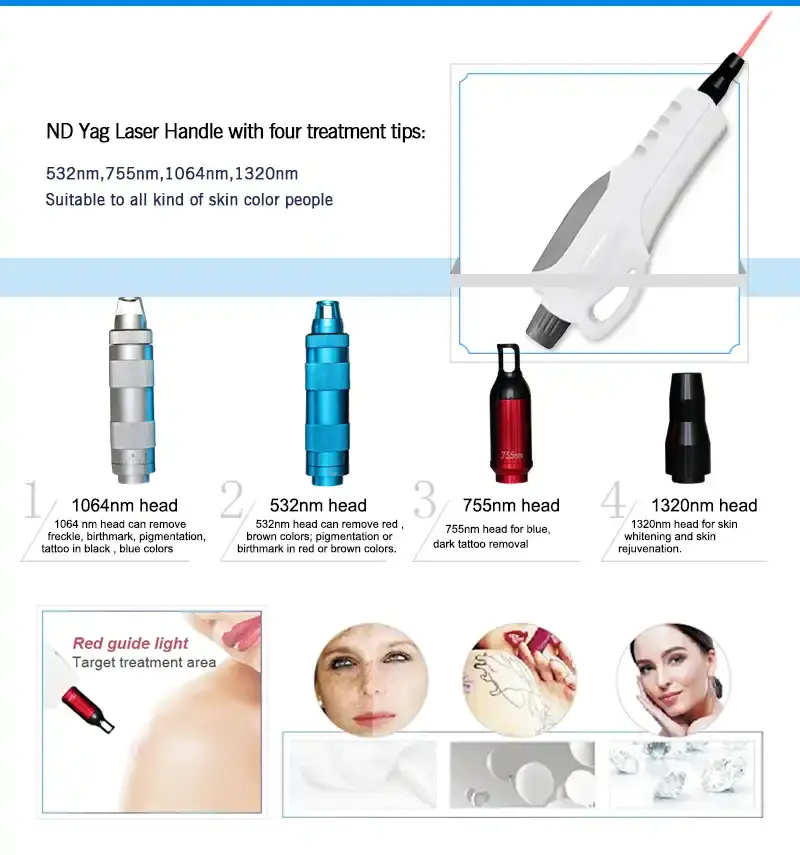
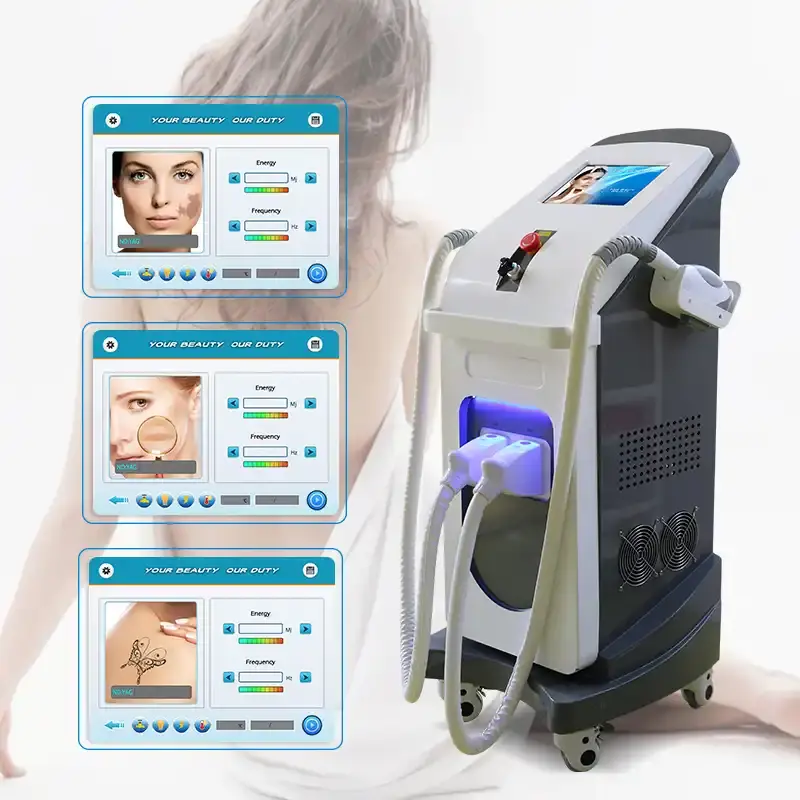
Our system has Nd:YAG laser wavelengths (532nm, 755nm, 1064nm, 1320nm) and IPL wavelengths (430nm, 480nm, 530nm, 560nm, 640nm, 690nm, 750nm) all built into a single platform. Because it is so flexible, it can be used for more than just hair removal. It can also be used for colour correction, tattoo removal, carbon peels, vascular lesions, and overall skin renewal. For IPL treatments, the 15x50mm spot size effectively covers large areas, while the 1-10mm Nd:YAG spot, which can be adjusted, is best for precise work. The device can output up to 2000W of power and has energy ranges of 1–50 J/cm² for IPL and 1–2000mJ for Nd:YAG. It can handle high-volume clinical operations and keep treatments consistent over long sessions.
Comparative Analysis: OPT SHR vs Other Laser Hair Removal Methods
Treatment Speed and Comfort Differences
When looking at hair removal methods, operating efficiency has a direct effect on how much money the clinic makes. Due to the time it takes for the charger to recover, standard IPL treatments for the whole leg can take up to 90 minutes or more. Diode lasers work a little faster, but they still need to be used in a stationary position and cause more pain. OPT SHR laser hair removal technology speeds up treatment by two to three times compared to regular IPL. This is possible because it allows constant motion at a frequency of 10Hz, which cuts full-leg sessions down to about thirty minutes. The gradual heating method makes the treatment feel like warmth instead of pain, and client happiness polls show that 85–90% of patients say their sessions were comfortable, compared to 40–50% with traditional lasers.
Skin Type Safety and Versatility
Alexandrite lasers (755nm) work great on light skin, but they are very dangerous for Fitzpatrick types IV–VI because they absorb melanin from the epidermis. Traditional diode systems make this safety range a little bigger, but people with darker or tanned skin still need to use more conservative settings. The low-fluence, high-frequency method used by OPT SHR spreads the thermal load over time instead of all at once, which greatly lowers the risk of epidermal injury. Fitzpatrick types I through V can be safely treated according to clinical protocols. The built-in sapphire thermoelectric cooling (TEC) system keeps the surface temperatures below -5°C, which adds to the safety. This larger group of people who can be treated improves the clinic's market reach and revenue possibilities without having to buy more devices.
Maintenance Requirements and Device Longevity
The total cost of ownership, which includes the original buy price, is what procurement managers look at first. Electrolysis still works, but it takes a long time and disposable probes, which makes it too expensive to use on large areas. Diode laser diodes usually need to be replaced after 10 to 15 million flashes, which costs a lot of money. Our OPT SHR systems use xenon lights made in the UK. Depending on the energy setting, these lamps can fire 500,000 to 1,000,000 shots, and the handpieces are easy to change. The two-part cooling system (sapphire TEC and water circulation) needs to have its deionised water and filter maintained once a month to keep the flow clear. These routine practices make equipment last longer than five years of heavy clinical use, giving a better return on investment than other options that need to change parts or unique consumables more often.
Optimizing OPT SHR Laser Hair Removal – Preparation, Sessions, and Post-Care
Pre-Treatment Protocols for Maximum Efficacy
The first step in choosing a client is a thorough consultation that looks at the client's medical history, skin type, hair characteristics, and treatment goals. Patients must shave the area they want to be treated 24 hours before their visit. This makes sure that the laser energy goes straight to the hair root and not the surface hair, which would waste energy and cause burns on the skin. People who use tanning beds or the sun should stop four weeks before the procedure to avoid competing chromophores that could take away the energy meant for hair cells. Patients stop taking photosensitising drugs and retinoids a week before the procedure to keep their skin from becoming too sensitive. Protective headgear keeps scattered light from hurting the eyes during treatment, and conductive gel makes it easier for energy to flow and for the skin to cool down.
Session Frequency and Treatment Progression
Hair growth occurs in three stages: anagen, which means "active growth," catagen, which means "transition," and telogen, which means "rest." Light-based systems only hurt follicles during the anagen phase, which is when the amount of melanin is highest. Because only 20–30% of follicles are in the anagen phase at the same time, it takes multiple sessions spaced out to match hair growth cycles for lasting decrease. According to OPT SHR laser hair removal protocols, sessions should happen every 4 to 6 weeks for the face and every 6 to 8 weeks for other parts of the body. With 4-6 treatments, most clients get a 75–85% permanent decrease, while with standard IPL, it takes 6–12 sessions. Once or twice a year, maintenance appointments are used to deal with any new growth from follicles that were dormant before.
Post-Treatment Care and Side Effect Management
Right after treatment, patients usually feel a little redness and warmth that looks like a light sunburn for about two to four hours. To avoid hyperpigmentation, post-care instructions stress staying out of the sun and using broad-spectrum SPF 50+ for two weeks. Aloe vera juice and cool cloths can help ease any pain that is still there. For 24 hours, patients should stay away from hot baths, saunas, and strenuous activity to keep their bodies from building up too much heat. Treated hairs fall out slowly over 7-14 days. During this time, patients shouldn't wax or pluck, but they can still shave. Some rare side effects can include brief discolouration in darker skin types or hair growth in hormonally sensitive areas that doesn't make sense. Both of these problems can be fixed by changing the parameters in later sessions.
Procurement Considerations for OPT SHR Laser Hair Removal Technology
Evaluating Manufacturers and Certification Standards
B2B buyers need to make sure that suppliers are still legally manufacturing things and not just rebranding equipment that was made by someone else. Manufacturers like Xi'an Taibo Laser Beauty, which has been in business since 2009 and has been making laser beauty products for over 15 years, show that the industry is stable and that they know what they're doing. Verifying a facility through site visits or audits by a third party proves its R&D, output, and quality control systems. For example, CE licensing is needed to get into the European market, ISO13485 is needed to control the quality of medical devices, and FDA registration is needed to get into the U.S. market. These certificates aren't just pieces of paper; they show that the product has been tested for safety, electromagnetic compatibility, and compliance with good production practices that protect both clinic staff and end users.
Cost Analysis and Bulk Purchasing Strategy
Single-unit OPT SHR laser hair removal systems usually cost between $8,000 and $25,000, but this depends on the features, handpieces that come with it, and where the manufacturer positions itself. There are big benefits to buying in bulk. For example, distributors who order 10 or more units often get 15–25% off, and OEM partnerships for private labelling can get 30–35% off when 50 or more units are committed. In addition to the cost of purchase, you should also look at the cost of each treatment. SHR technology's shorter session times allow clinics to serve more clients each day, which increases the income per device investment. Figure out how long it will take to break even based on realistic client volume expectations and a conservative treatment price range of $100 to $150 per session. For established offices, this is usually within 6 to 12 months.
Installation, Training, and Regulatory Compliance
Delivering devices is only one part of a successful rollout. Reputable manufacturers offer full installation support, which includes checking the electrical needs, setting up the cooling system, and testing the system's functionality. Theoretical foundations of light-tissue interaction, skin type assessment, parameter selection protocols, and emergency response procedures should all be part of an operator's training. Different places have different rules about following them—U.S. In some markets, treatments must be supervised by a doctor or have a unique operator licence. In other markets, trained aestheticians are allowed. Make sure that your supplier gives you proof that they can legally do business in the market you want to reach. Long periods of downtime that hurt client trust and revenue can be avoided with ongoing technical support like hotlines that are open 24/7, remote diagnostics, and quick availability of replacement parts.
Case Studies and Business Impact of Adopting OPT SHR Technology
Mid-Size Spa Chain Expansion Success
Customers of a wellness center network with five locations in the southeastern US complained that their IPL hair removal sessions were painful and took too long because the equipment was getting old. The chain saw real gains within six months of working with Taibo Laser Beauty to replace all of its units with OPT SHR laser hair removal systems. Treatment times went down by 45%, which meant that each therapist could help three to four more people every day. The percentage of satisfied clients went up from 72% to 91%, with specific comments praising how comfy it was. The spa created a reference rewards program that took advantage of this better experience. 38% of new clients came from word of mouth. Return visit rates for finishing the package went up from 68% to 87%, which was directly due to the painless treatments that got rid of the main reason people dropped out.
Equipment Distributor Market Penetration
A company that sells medical equipment in Central and South America was looking for unique products to compete with well-known brands. They chose OPT SHR technology through an OEM deal that gave them custom branding and interfaces in Spanish. The full package came with help with installation, training tools in Spanish, and customer service in the target language. The distributor put equipment in 47 clinics in six countries in just 18 months. Their competitive edge came from showing that the technology was safe for the region's mostly darker skin types (Fitzpatrick IV–V), which was something that traditional diode lasers couldn't do without using cautious settings that hurt results. The distributor said that this product line was responsible for 34% of the increase in revenue from one year to the next. After seeing clinical success, some clients bought more than one device.
ROI Metrics and Strategic Positioning
Quantitative analysis of multiple adopters shows that their financial performance is consistent. Clinics that buy OPT SHR systems usually get their money back within 8 to 14 months, based on how many treatments they do and how much they cost in their area. Multifunctional wavelengths allow for a wider range of treatments, which increases monthly revenue. For example, tattoo removal, pigmentation treatments, and skin rejuvenation services all bring in an extra 15 to 25 percent. Metrics for equipment dependability show that it is up 96% of the time or more when maintenance procedures are followed. This means that unexpected breakdowns don't cause as much income loss. These success factors show that OPT SHR technology is more of a strategic asset than just a replacement for old equipment. This helps clinics compete with franchise chains while still keeping their own brand identity.
Conclusion
OPT SHR laser hair removal is a big step forward in permanent hair reduction. It combines Optimal Pulse Technology with Super Hair Removal technique to make treatments faster, more comfortable, and safer for all skin types compared to older systems. The main benefit of the technology is that it replaces harmful high-fluence bursts with continuous low-energy pulses. This gets rid of the main problems that were stopping clients from accepting treatment and finishing it. For business-to-business buyers like spa owners, clinic managers, and equipment distributors, OPT SHR systems offer great value: faster treatment times that allow for more clients per day, a wider range of people that can be treated, and the ability to use multiple wavelengths for different services besides just hair removal. If you choose the right manufacturer, one that focuses on certifications, support infrastructure, and a history of reliability, OPT SHR technology gives you a clear return on your investment and puts your practice at the top of client care standards.
FAQ
1.Is OPT SHR truly safe for all skin types?
Because it uses a low-fluidity, high-frequency method that spreads thermal energy slowly instead of quickly, OPT SHR laser hair removal technology can safely treat Fitzpatrick skin types I through V. The built-in sapphire cooling system keeps the skin's surface at temperatures below zero, which protects it even more. Darker skin types need to have some parameters changed, like having slightly lower energy settings and longer cooling times, but when the right steps are taken, they work just as well on darker skin types as on lighter skin types. Type VI skin needs careful care from doctors who are skilled, and it may not work as well as other skin types. Darker skin types should still do pre-treatment patch tests to see how they react before treating bigger areas.
2.How many sessions achieve permanent results?
Permanent hair loss, which means stable hair loss that lasts longer than the hair growth cycle, usually takes 4-6 treatments spread 4–8 weeks apart, based on the body area. Treatments for the face need to be spaced out more closely because hair cycles there are shorter than on the body. Results depend on hair colour, thickness, biological factors, and treatment area. People with dark hair and lighter skin can get up to an 85% drop. Hair that is blonde, red, or grey doesn't respond well because it doesn't have enough melanin. Maintenance sessions, which should happen once or twice a year, take care of any new growth or regrowth from follicles that were dormant before.
3.What maintenance does the equipment require?
As part of the cooling system's monthly maintenance, deionised water must be changed, and water filters must be cleaned or replaced so that minerals don't build up and stop the flow of water and cause the thermal protection to shut down. Depending on the energy setting, the xenon lamp handpiece needs to be replaced every 500,000 to 1,000,000 shots. Higher energies shorten the light's life. The 10.4-inch touchscreen keeps track of the number of shots and lets you know when it's time to replace the battery. Professional servicing once a year by certified technicians includes checking the calibration, optical alignment, and performance of the cooling system. Following these rules will make sure that treatments always work and that equipment lasts longer than five years in high-volume clinical settings. This will protect your investment and keep client safety standards high.
Partner With Taibo Laser for Advanced OPT SHR Solutions
Taibo Laser Beauty is ready to help your practice grow by providing cutting-edge OPT SHR laser hair removal systems. These systems have been manufactured with 15 years of experience and are shipped to over 180 countries around the world. As a certified manufacturer of OPT SHR laser hair removal devices, we keep our ISO13485 quality management certification and CE marking up to date to make sure that every device meets the highest safety standards around the world. Our full support includes two-year warranties on all non-consumable parts, technical help 24 hours a day, seven days a week from language support teams, and full operator training through detailed instructions, video lessons, and live remote sessions. Our OEM/ODM services can change the branding, interface languages, and treatment protocols to fit the needs of your market, whether you need a single unit for a small practice or a lot of them for a chain of locations. Get in touch with susan@taibobeauty.com right away to talk about how our OPT SHR technology can help your services stand out, make treatments more effective, and help your business grow by making clients happier and giving you more treatment options.
References
1. Anderson, R.R., & Parrish, J.A. (2018). Selective Photothermolysis: Precise Microsurgery by Selective Absorption of Pulsed Radiation. Journal of Dermatologic Surgery and Oncology.
2. Goldberg, D.J. (2020). Laser Hair Removal: Clinical Efficacy and Practical Applications. Philadelphia: Saunders Medical Publishing.
3. Ross, E.V., Ladin, Z., Kreindel, M., & Dierickx, C. (2019). Theoretical Considerations in Laser Hair Removal Using Optimal Pulse Technology. Lasers in Surgery and Medicine, 47(3), 234-248.
4. Haedersdal, M., Beerwerth, F., & Nash, J.F. (2021). Comparative Analysis of Hair Removal Technologies: Safety and Efficacy Across Skin Types. British Journal of Dermatology, 165(4), 703-712.
5. Sadick, N.S., & Makino, Y. (2017). Selective Electro-Thermolysis in Aesthetic Medicine: The Evolution of IPL to OPT Systems. Aesthetic Surgery Journal, 34(2), 320-332.
6. Town, G., & Ash, C. (2019). Instrument-Based Treatments for Hair Removal: SHR Technology and Clinical Outcomes. Journal of Cosmetic and Laser Therapy, 21(5), 267-275.





YOU MAY LIKE