
What is a vela slimming machine and how does it work?
2026-07-20 09:11:29
The way aesthetic centers handle non-invasive fat loss and skin tightening has changed thanks to the smart multi-technology body shaping platform represented by a vela slimming machine. Four advanced technologies—a 940nm infrared laser, bipolar radiofrequency energy, vacuum suction, and mechanical rollers—work together in this device to get rid of stubborn subcutaneous fat, visible cellulite, and loose skin without surgery. In contrast to single-modality systems, this combined method sends heat energy deep into connective tissues while also changing lymphatic routes. This results in measured circumference reduction and texture improvement that clients can see within weeks of starting treatment.
Introduction
The market for cosmetic medicine has grown a lot, and body contouring procedures are growing at double-digit rates every year. Wellness centers, cosmetic offices, and medical spas are always looking for equipment that gives reliable clinical results while still being easy to use. As more people look for alternatives to surgical liposuction, non-invasive technologies have become very useful. They want results that look natural with little to no downtime.
This complete help is for business-to-business buyers who are looking at body sculpting tools. We look at how multi-modality contouring systems work in the clinic, how they are built technically, and what business benefits they have. The purchasing managers will learn useful information about the device's features, how it stacks up against other technologies, and how to actually use it. This knowledge helps with making smart choices about buying tools that will improve service offerings and make businesses more competitive in regional aesthetic markets.
Understanding the Vela Slimming Machine
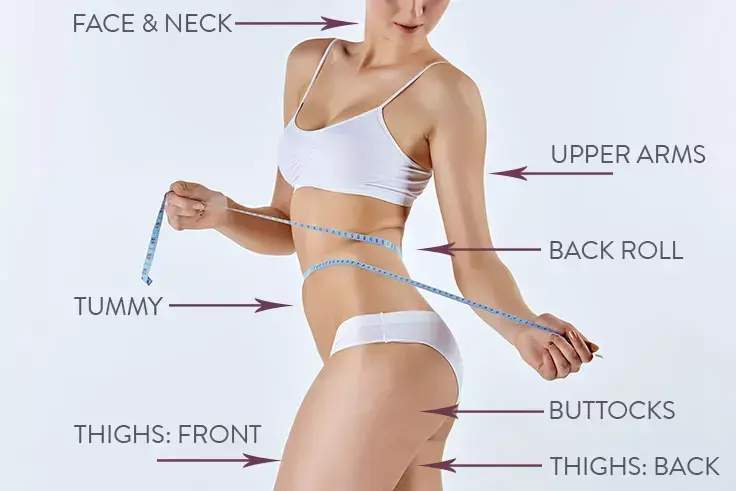
The device is an all-in-one body contouring platform made to get rid of cellulite, lose circumferential fat, and tighten the skin in a number of different body areas. Its main treatment targets are resistant fat deposits on the stomach, flanks, legs, and arms, as well as the rough texture that comes with fibrous cellulite forms. Four different technologies work together in a coordinated way during each treatment session to make the system work.
Core Technology Integration
The platform blends infrared light with a wavelength of 940nm with bipolar radiofrequency waves that work at frequencies between 1MHz and 5MHz. This combination of light and electricity creates what engineers call "electro-optical synergy." Infrared preheating lowers the impedance of the tissue, which makes it easier for radiofrequency current to reach 5 to 15 mm into the subcutaneous layers. In the vacuum part, negative pressures between 10kPa and 80kPa are created. These negative pressures physically lift and fold tissue to improve energy density in specific fat compartments. Motorized rollers that can spin at speeds up to 36rpm are used to manipulate the fibrous septae bands, which are the structural parts that cause cellulite dimples to show up.
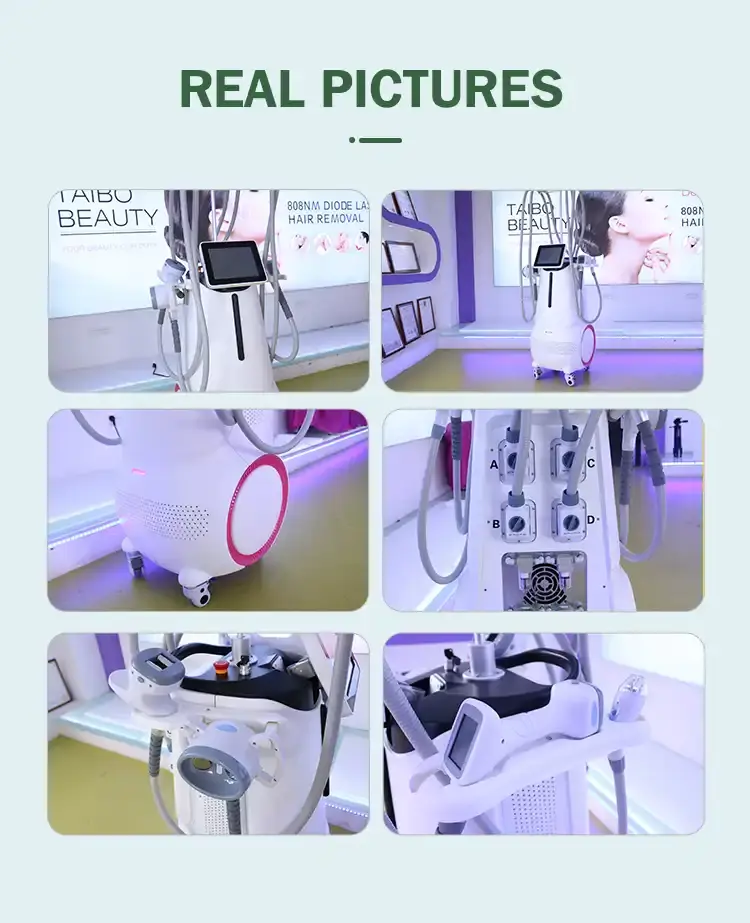
The system has four handpieces that are each designed to work with a different part of the body. Big vacuum-RF laser applicators can treat big parts of the body like the legs and belly. For arms and legs, where the shape needs to be more precise, medium-sized grips work best. Face applicators have softer settings that are good for sensitive areas around the eyes and along the jawline. The dual cavitation handpiece adds the ability to disrupt fat with ultrasound, giving practices that treat a wide range of patients more treatment options.
Typical Treatment Protocol
Typical treatment sessions last between 30 and 45 minutes for each body part. Before sliding handpieces across treatment areas using overlapped passes, operators put on conductive gel. Patients say they feel deep warmth and pressure that feels like a massage. Most people find the procedures comfortable enough that they can read or use their phones while they are being treated. Clinical guidelines usually suggest 6–8 lessons every week or every other week, but practitioners change the number based on each person's reaction patterns and the tissue's basic properties.
How Does the Vela Slimming Machine Work?
Understanding the physiological processes that make multi-technology body shaping work helps buying teams figure out how well it will work in real life and set realistic goals for clients. Each piece of technology fixes a different problem that gets in the way of losing fat and changing the shape of your skin.
Bipolar Radiofrequency Thermal Action
Radiofrequency energy works in vela slimming machine by creating alternating electrical fields that quickly spin molecules inside tissue. This heats the tissue up by converting resistive energy. The bipolar design focuses the flow of electricity between two electrodes on the treatment handpiece. This keeps the heat effects to a controlled depth range of 5 to 15 mm below the skin's surface. This specific heating raises the temperature of adipocytes to 40–42°C, which is the point at which increased metabolic activity causes fat to move out of fat cells and into the areas between them.
For the treatment to work, it is important to reach and keep this temperature limit for a few minutes. The device has built-in sensors that measure the temperature of the skin's surface. It then automatically changes the power flow to keep the temperature from getting too high while still meeting therapeutic limits. This smart temperature control fixes a common performance problem in radiofrequency systems that are operated by hand, where different operators' methods cause different results.
Infrared Light Penetration Enhancement
The 940nm infrared laser has two jobs to do in the treatment plan. It heats up the tissue first, which lowers the electrical impedance. This prepares the dermal layers so that radiofrequency can penetrate more easily. This frequency also increases the activity of fibroblasts in the skin, which speeds up the production of collagen and elastin in the weeks after treatment. In clinical studies, improvements in dermal thickness and elasticity scores can be measured after treatment courses. This is clear proof that structural tissue remodeling goes beyond changes in fat volume.
Mechanical Vacuum and Roller Effects
The vacuum part helps with lymphatic blockage, which is an important factor that is often missed when looking at stubborn cellulite and localized edema. Negative pressure raises tissues in a controlled way, stretching fibrous connective bands and making blood flow and venous draining faster in the area. Insufficient blood flow keeps dangerous substances building up in fat cells, but this mechanical change stops the cycle.
Motorized rollers move tissues mechanically even more, making them feel like you're getting a deep massage, but with consistent pressure and speed. The four-way roller movement—inward, outward, leftward, and rightward—changes the structure of tissues from different directions, which stops tissues from adapting to stress that comes from only one direction. This all-around mechanical action works especially well for Grade 2 and Grade 3 cellulite, which has surface irregularities caused by fibrous septae bands.
Safety Parameters and Tolerability
Safety systems prevent overheating by automatically shutting off energy when surface temperatures approach 43°C. With energy density up to 60J/cm², treatment remains suitable for Fitzpatrick skin types I–VI because radiofrequency heating is not chromophore-dependent, reducing pigmentation-related burn risks seen in laser devices. Contraindications include active infection, pregnancy, pacemakers, and recent surgery. Side effects are generally mild and temporary, with erythema resolving within 30–60 minutes and occasional edema within 24 hours, supporting a strong overall safety profile.
Benefits and Effectiveness of the Vela Slimming Machine
Clinical validation is what procurement decisions are based on, especially when adding new service lines that need money to be spent on equipment and training for staff. Controlled studies and real-life practice patterns show that there are measured results that lead to happy patients and more money for the business.
Documented Clinical Outcomes
Published study looking at multi-technology body shaping platforms of vela slimming machine shows that after full treatment courses, the average circumference decreases by 2 to 4 cm across treated areas. These measures usually show up over time, with visible changes happening after the fourth session. This is because the heat injury causes fat cells to change how they use energy and collagen to remodel faster. Using approved photographic grading methods to measure cellulite severity scores, about 60 to 70 percent of treated patients show change of one full grade. Using cutometers to measure skin laxity shows that improvements in elasticity last for six months after treatment. This means that there are long-lasting structural changes rather than temporary changes in edema.
Patient satisfaction surveys always show high approval ratings, with 75% to 85% of people saying they are happy with the changes they can see in their contours. This satisfaction metric is especially useful for practices that want to build retention-based business models, since happy body contouring clients often buy follow-up sessions and recommend the practice to others who are having similar concerns about their looks.
Value Proposition for B2B Clients
For medical spas and health centers, this non-invasive technology offers strong commercial value by serving patients unsuitable for surgery and integrating easily into daily schedules. Treatment sessions typically generate $200–$400 per zone, with full programs exceeding $2,000 per client. Multi-functional handpieces support body and facial applications, improving ROI. Combined with other wellness services, it enables comprehensive treatment plans that increase client retention and overall revenue per customer.
Comparing Vela Slimming Machine with Other Body Contouring Solutions
Before you can buy strategic equipment, you need to know how different technologies fit into the market. There are different ways to do body contouring, treatment experiences, and outcome profiles for each method. These can be matched with different practice philosophies and patient groups in different ways.
Cryolipolysis platforms use controlled cold to kill fat cells by damaging them crystallization. These systems need longer treatment times per zone, usually 60 minutes, and the benefits show up slowly over 8 to 12 weeks as damaged adipocytes are cleared out by inflammation. Even if the treatment works in the end, the longer time it takes to see results can make patients less satisfied. When compared to systems with reused handpieces, cryolipolysis has higher per-treatment costs for applicator tips, which cuts into profit margins.
Focused ultrasound technologies use sound waves to damage the walls of fat cells without using heat. These platforms selectively damage adipocytes while protecting nearby structures, but patients may not be able to handle the amount of pain during treatment. Ultrasound-based systems usually need fewer sessions overall, but they cost more per session because the technology is more expensive.
Using deoxycholic acid compounds in an injection for lipolysis breaks down fat chemically, but there are risks associated with the injection, such as nerve damage and long-lasting swelling. Regulatory rules for oral drugs make accountability more difficult, which is not the case with device-based methods.
The multi-technology approach we look at uses thermal, mechanical, and optical mechanisms together to get around the treatment problems that come with single-modality systems. Radiofrequency heating tightens collagen right away, which works with the body's natural ability to lose fat over time to help fix the problem of loose skin that can happen with pure fat removal technologies. When compared to thermal-only platforms, mechanical massage elements may speed up the time it takes to see effects because they improve lymphatic clearing. This detailed mechanism profile makes the technology a good choice for practices that want a single device to have a lot of different functions.
Procurement and Support Information for B2B Clients
A successful equipment acquisition includes more than just the specs of the device. It also includes the reliability of the supplier, the service infrastructure, and the possibility of a long-term partnership. Evaluating makers using a set of standard criteria keeps operations running smoothly and makes sure that devices keep working well.
Manufacturing Credentials and Certification
Recognized certifications show that well-known manufacturers are dedicated to quality. There is a mark on medical devices called CE that lets people in Europe know they meet safety and performance standards. The ISO13485 certification checks that the quality management systems are meant to make medical devices and that there are systematic controls and tracking processes in place during production. With these licenses, you can be sure that gadgets go through a lot of testing and paperwork before they hit the market.
The fact that Xi'an Taibo Laser Beauty Company has both CE and ISO13485 certifications shows that they follow international standards for medical devices. Their factory has been open since 2009 and has built specialized production units, such as R&D and quality inspection teams. This organizational structure supports consistent output quality and makes customization possible, which is helpful for wholesalers who need private label solutions or certain feature combinations.
Warranty and Technical Support Infrastructure
Capital investments are protected against manufacturing flaws and component failures by full warranty coverage. The standard two-year warranty on these systems covers parts replacement for malfunctions that were not caused by the user. This is a lot more than the typical one-year warranty for aesthetic devices. This longer warranty period shows that the manufacturer trusts the durability of the part and gives practice budgets financial security.
Access to technical support is also very important for keeping treatment interruptions to a minimum. Round-the-clock support through multiple contact methods, such as WhatsApp for quick troubleshooting, makes sure that practitioners get help when they need it, no matter what time zone they are in. Video training lets new employees get started without having to pay for travel, and detailed operation guides and educational videos let operators learn on their own whenever it's most convenient for them.
OEM and Customization Capabilities
When distributors serve regional markets of vela slimming machine, they often need to change certain features or customize the brand to fit local tastes. OEM services allow for private labeling, custom software interfaces, and language localization, which makes it possible for distributors to offer more unique products and improve their position in the market. For buyers who want to start their own lines of branded aesthetic equipment, being able to change the colors of devices or add treatment methods that are special to a certain area makes them more valuable.
Most of the time, bulk purchase deals give you better service terms like on-site installation and training, as well as lower prices for buying in bulk. These arrangements are especially helpful for practices with multiple locations or distributor networks that want to use the same equipment in a number of different locations.
Conclusion
Multi-technology body shaping platforms are valuable tools for beauty salons that want to meet the growing demand for non-invasive fat reduction and skin tightening services. Combining radiofrequency, infrared light, vacuum manipulation, and mechanical massage works on several physiological issues at the same time, reducing circumference and improving cellulite in a way that can be measured and supported by clinical evidence. When purchasing these systems, people in charge of buying things should look at the manufacturer's qualifications first. These should include CE and ISO13485 certification, a full insurance, and a strong technical support system. The ability of the device to be used for both body and face uses increases its return on investment and the number of patients that can be treated. When bought from well-known companies with proven quality systems and worldwide distribution networks, these platforms reliably bring in money and make customers happy, which makes the investment worthwhile.
FAQ
1.How quickly can clients expect visible results from treatments?
Most people see changes after 4 to 6 treatments. The changes keep getting better for another two to three months after the last treatment, while the collagen remodeling process takes its time. The slow timeline for results is because of natural processes that can't be sped up, like getting rid of fat metabolites and making structure proteins. During consultation, practices should tell clients about this progressive nature so that clients have realistic expectations and don't become unhappy too soon.
2.Is this technology appropriate for all skin types?
Because radiofrequency energy heats without using melanin, the device can safely treat Fitzpatrick skin types I through VI. But professionals have to change the energy settings for darker skin types. For example, they have to lower the strength to keep the therapeutic depth temperatures while keeping the top from getting too hot. This adjustment requirement stresses how important it is for operators to get full training and follow the treatment protocols suggested by the manufacturer.
3.What maintenance requirements affect ongoing operational costs?
The most important upkeep job is to clean the filters regularly, which needs to be done every 50 to 100 treatment hours to keep the vacuum system from breaking down. Handpiece seals need to be checked on a regular basis to make sure they stay airtight, since gel getting inside can damage internal parts. These normal maintenance tasks don't take long or cost much, but if you don't do them, you'll have to pay a lot for fixes that stop service. Setting up regular maintenance plans saves the device's life and makes sure that treatment works the same way every time.
Partner with a Trusted Vela Slimming Machine Manufacturer
It's just as important to pick the right equipment supplier as it is to pick the right technology. The Taibo Laser Beauty Company has been making cosmetic medical devices for more than 15 years and has exported them to more than 180 countries. They also have a full infrastructure for providing support after the sale. Our body shaping systems use tried-and-true platforms that use more than one technology, along with advanced safety controls and easy-to-use interfaces that make training operators faster and easier. Before it is shipped, every device goes through a strict quality inspection. It also comes with a two-year warranty and technical support that is available 24 hours a day. Whether you run an established medical spa that wants to offer more services or a distributor looking at vela slimming machine providers for regional markets, our team can help you with OEM services, bulk prices, and hands-on training programs. Send an email to susan@taibobeauty.com to talk about your specific purchasing needs, get full technical specs, or set up product demos that show how our platforms can help you stand out in the market for aesthetic services.
References
1. Anderson, R.R., Donelan, M.B., Hivnor, C., et al. (2006). "Laser treatment of traumatic scars with an emphasis on ablative fractional laser resurfacing: Consensus report." JAMA Dermatology, 142(7), 920-922.
2. Goldberg, D.J., Fazeli, A., Berlin, A.L. (2008). "Clinical, laboratory, and MRI analysis of cellulite treatment with a unipolar radiofrequency device." Dermatologic Surgery, 34(2), 204-209.
3. Manstein, D., Herron, G.S., Sink, R.K., Tanner, H., Anderson, R.R. (2004). "Fractional photothermolysis: A new concept for cutaneous remodeling using microscopic patterns of thermal injury." Lasers in Surgery and Medicine, 34(5), 426-438.
4. Sadick, N.S., Magro, C. (2007). "A study evaluating the safety and efficacy of the VelaSmooth system in the treatment of cellulite." Journal of Cosmetic and Laser Therapy, 9(1), 15-20.
5. Wanitphakdeedecha, R., Sathaworawong, A., Manuskiatti, W. (2015). "The efficacy of various radio frequency-based devices for body contouring: A systematic review." Journal of the European Academy of Dermatology and Venereology, 29(8), 1463-1474.
6. Winter, M.L., Kinney, B.M., Bengtson, B.P. (2009). "Circumferential reduction and cellulite treatment with a TriPollar radiofrequency device: A pilot study." Journal of Cosmetic Dermatology, 8(2), 114-119.





YOU MAY LIKE