
What Is a Portable Muscle Stimulator Machine and How Does EMS Therapy Work?
2026-03-24 09:07:21
With Electrical Muscle Stimulation (EMS) technology, a portable muscle stimulator machine sends controlled electrical impulses to muscles through electrodes that are put on the skin's surface. These gadgets stimulate muscle fibres and nerve paths, which causes muscles to contract without the user's conscious effort. This helps with recovery, pain relief, and muscle building. EMS therapy works by giving electrical signals that are similar to the ones your brain sends to muscles when you move voluntarily. This makes it a useful tool for fitness and therapy in the sports medicine and healthcare fields.
Understanding Portable Muscle Stimulator Machines
Modern muscle stimulation devices represent a significant advancement in rehabilitation technology, bridging the gap between clinical treatment and home-based therapy. These sophisticated units generate biphasic electrical pulses that penetrate tissue layers to reach targeted muscle groups with precision control.
The Science Behind EMS Technology
A lot of research has been done over many years to make EMS technology better based on well-known neurophysiological concepts. When electric signals reach muscle tissue, they set off action potentials in motor neurons. Muscle fibres tighten in a steady pattern because of this. This process works around the brain and spinal cord's normal control systems. This lets muscles work even if they are hurt or neurologically ill and can't move on their own. The device works well as a therapy because it can target different kinds of muscle fibres with various rhythms and levels of intensity. Low-frequency treatment (2–10 Hz) makes muscles relax and increases blood flow. Fast-twitch muscle fibres are worked on by higher frequencies (50–100 Hz) to help build strength and heal injuries.
Key Features and Specifications
These days, portable muscle stimulators can be set to work in different ways to help with different types of treatment. Most of the time, these devices have levels of strength that can be changed from very mild feelings to strong muscle contractions. For this reason, the patient can feel at ease while still getting the healing benefits. When you use something at work or at home, battery life is something you should think about. Good devices can keep working for 8 to 12 hours straight, so you can use them for more than one treatment session without having to stop. USB charging ports and battery indicators make it easy for people to use and make the service more durable.
Regulatory Standards and Safety Protocols
Regulations for medical devices make sure that portable muscle stimulator machines meet high standards for safety and effectiveness before they can be sold. For FDA Class II classification, producers must show that their products are substantially equivalent to predicate devices through a series of thorough testing procedures. The CE mark means that the product meets the requirements of the European Medical Device Regulation, which gives foreign buyers extra peace of mind about the quality. Safety features include automatic shut-off mechanisms, monitoring of electrode impedance, and current limitation circuits that stop stimulation from going too far. These safety steps keep risks to a minimum while making sure that all patients get the same treatment.
Comparison of Portable Muscle Stimulator Machines and Related Solutions
Understanding the distinctions between various electrotherapy devices helps healthcare professionals and patients select appropriate treatment options. While muscle stimulators focus on motor neuron activation, related technologies serve different therapeutic purposes through alternative mechanisms.
EMS Versus TENS Technology
This idea about how pain is controlled by gates says that Transcutaneous Electrical Nerve Stimulation (TENS) units focus on sensory neurones to ease pain. Low-level pulses from these devices block pain messages without making muscles tighten up. In other words, they work better for controlling long-term pain than for building muscle. On the other hand, EMS devices send out bigger currents that can depolarise motor neurons and make muscles cramp. EMS technology is better for situations where muscle stimulation is the main therapeutic goal, like effective rehabilitation, muscle strengthening, and preventing muscle atrophy.
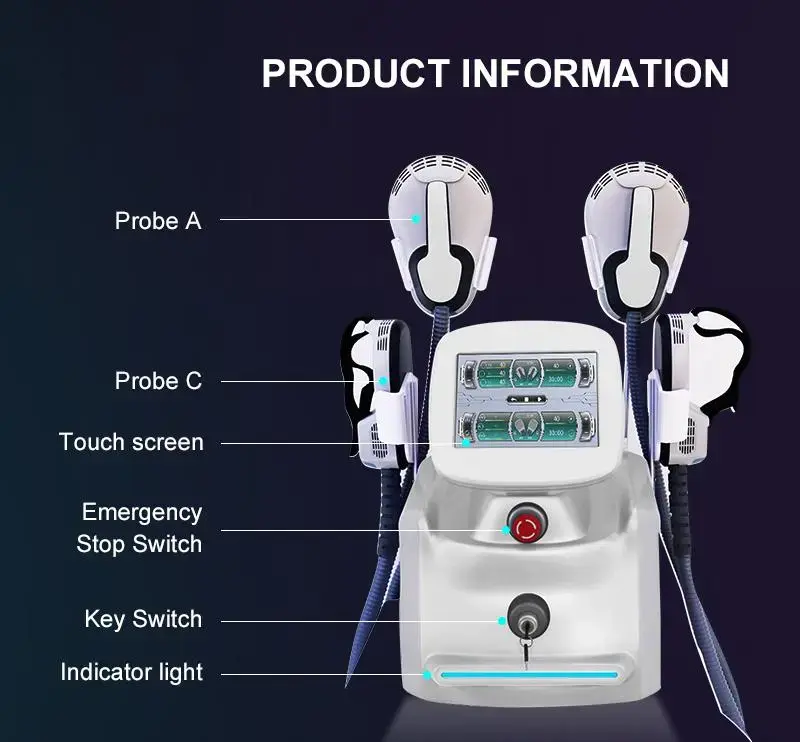
Performance Comparison Across Leading Brands
The muscle stimulation market is full of big names that got there by constantly coming up with new ideas and putting them to the test in clinical studies. These gadgets are made to last and come with a lot of programming options. They are sold by Medline. They work great in busy medical settings. Those units use cutting-edge pulse technology and full electrode systems to treat specific areas. iReliev works on making designs that are simple enough for people to understand at home and in small professional settings. Their devices are made to be simple to use, but they are still therapeutically effective thanks to stimulation levels that have been tested and shown to work. Omron uses its knowledge of market technology to make medical products that work well, have simple controls, and come with a full warranty.
Cost-Benefit Analysis for Procurement Decisions
The people who are in charge of getting things need to think about the total cost of ownership, which includes the price of the equipment itself. Devices of higher quality normally last longer, have longer warranties, and have better customer service. In other words, they save more money in the long run even though they cost more at first. When healthcare systems and rehab centers buy in bulk, they save a lot of money. There are a lot of companies whose prices change depending on how much you buy. When you order more, the price per unit goes down, and the service deals get better.
Leveraging Portable Muscle Stimulator Machines in B2B Procurement
Strategic procurement of muscle stimulation equipment requires careful evaluation of supplier capabilities, product specifications, and long-term support structures. Successful implementation depends on selecting partners who understand both technical requirements and operational constraints within healthcare environments.
Supplier Evaluation and Authentication
Real suppliers have the right licenses, follow the rules, have portable muscle stimulator machines, and have established delivery networks that make sure the quality of the products they sell and that they are always available. Authorised distributors offer original products with full warranties and technical support from staff trained by the manufacturer. As part of the due diligence process, regulatory certifications, quality management systems, and customer references from similar businesses should be checked. Established suppliers usually keep their ISO 13485 certification, which shows that they are committed to quality standards for medical devices and methods for continuous improvement.
Customization and Integration Opportunities
A lot of makers let healthcare organisations change the way their devices work so they can best suit certain situations or groups of patients. Custom electrode configurations, specialised programming protocols, and branded accessories can improve the effectiveness of treatment while still helping the organization reach its goals. Being able to connect to existing electronic health records systems and treatment documentation platforms makes clinical workflows easier and improves the coordination of care for patients. Some more advanced units have wireless connection and data logging features that make it easier to track results and work on quality improvement.
Volume Pricing and Contract Negotiations
Bulk purchasing deals can help you save a lot of money while still making sure you have enough inventory for your business. When talks go well, agreements often include training, technical support, and warranties that cover replacing equipment in case of damage or loss. Long-term agreements may also include ways for companies to upgrade their technology so they can use newer models without having to pay for a full replacement. These plans help keep technology up-to-date while keeping track of the need for capital expenditures across budget cycles.
How EMS Therapy Supports Muscle Recovery and Pain Relief
Clinical evidence demonstrates that EMS therapy provides measurable benefits for muscle recovery and pain management across diverse patient populations. Understanding these mechanisms helps healthcare providers optimize treatment protocols and set appropriate patient expectations.
Physiological Mechanisms of Recovery Enhancement
EMS therapy accelerates muscle recovery through multiple physiological pathways that complement natural healing processes. Controlled muscle contractions promote venous return and lymphatic drainage, reducing metabolic waste accumulation and tissue swelling that can impede recovery progress. Enhanced blood circulation delivers increased oxygen and nutrients to healing tissues while removing inflammatory byproducts more efficiently. This improved circulation supports protein synthesis and cellular repair mechanisms essential for muscle regeneration following injury or intensive exercise.
Clinical Evidence and Research Validation
Peer-reviewed studies consistently demonstrate EMS effectiveness for various rehabilitation applications. Research published in physical therapy journals shows significant improvements in quadriceps strength following knee surgery when EMS is supplemented with traditional rehabilitation protocols. Athletes using EMS during recovery periods showed reduced delayed-onset muscle soreness and faster return to training activities. Chronic pain management studies indicate that regular EMS use can reduce reliance on pharmaceutical interventions while improving functional outcomes. Patients with fibromyalgia, arthritis, and other chronic conditions report sustained pain relief and improved quality of life measures following structured EMS treatment programs.
Economic Benefits for Healthcare Organizations
Portable muscle stimulator machine implementation portable muscle stimulator machine provides measurable economic advantages for healthcare organizations through reduced treatment times, improved patient outcomes, and enhanced therapist productivity. Patients achieving faster recovery milestones require fewer follow-up appointments and demonstrate higher satisfaction scores. Home-based EMS therapy programs reduce facility utilization while maintaining treatment quality, allowing organizations to serve more patients with existing resources. Insurance reimbursement for EMS therapy continues expanding as evidence supporting its cost-effectiveness accumulates across multiple clinical applications.
Future Trends and Innovations in Portable Muscle Stimulator Machines
The muscle stimulation industry continues evolving through technological advances that enhance device capabilities, user experience, and therapeutic outcomes. Understanding emerging trends helps procurement professionals make forward-thinking investment decisions that provide long-term value.
Technological Advancement Trajectories
Artificial intelligence integration represents a significant innovation frontier for muscle stimulation devices. AI-powered systems can analyze patient response patterns and automatically adjust stimulation parameters for optimal therapeutic outcomes. Machine learning algorithms may eventually predict treatment success probability and recommend personalized protocol modifications. Wireless connectivity and smartphone integration are becoming standard features that enable remote monitoring and treatment customization. Patients can receive real-time guidance from healthcare providers while maintaining treatment compliance through automated reminders and progress tracking applications.
Market Demand and Application Expansion
Growing awareness of EMS benefits drives demand expansion beyond traditional medical applications into wellness, fitness, and occupational health sectors. Corporate wellness programs increasingly incorporate muscle stimulation for stress relief and repetitive strain injury prevention among desk workers. Sports performance optimization represents another growing market segment as athletes and trainers recognize EMS potential for strength development and injury prevention. Professional sports teams routinelyuse portable muscle stimulator machine units for both training enhancement and injury rehabilitation protocols.
Strategic Procurement Considerations
Procurement plans that look to the future should give more weight to suppliers who show they are committed to ongoing innovation and technology development. Partners with strong research and development skills are better able to offer upgrade paths and early access to new features. As an organization's EMS program and patient group grow, scalability issues become more important. Suppliers that offer modular systems and flexible license terms can help businesses grow while keeping their capital needs in check.
Conclusion
Portable muscle stimulator machines are useful therapeutic tools portable muscle stimulator machine that are both clinically effective and easy for both healthcare workers and patients to use. These gadgets use tried-and-true EMS technology to help with muscle recovery, pain relief, and improving performance in a variety of settings. By knowing the differences between EMS and other technologies in the same field, judging the skills of potential suppliers, and spotting new trends, you can make smart purchasing choices that support your organization's objectives and meet the needs of your patients. More and more clinical evidence supports EMS therapy, and technology is making it easier to create and use devices better. This makes muscle stimulation an important part of more and more rehabilitation and wellness programs.
FAQ
1. What is the difference between a portable muscle stimulator machine and a TENS unit?
A portable muscle stimulator machine uses Electrical Muscle Stimulation (EMS) technology to create visible muscle contractions for rehabilitation and strength building, while TENS units focus on pain relief through nerve stimulation without causing muscle contractions. EMS devices deliver higher intensity currents to activate motor neurons, whereas TENS units use gentler pulses to block pain signals through the gate control theory.
2. How often can I use a portable muscle stimulator machine safely?
Most healthcare professionals recommend using muscle stimulators 2-3 times daily for 15-30 minutes per session, depending on the specific condition being treated and individual patient tolerance. Muscle tissues need recovery time between stimulation sessions to prevent fatigue and maintain therapeutic effectiveness. Always follow manufacturer guidelines and healthcare provider recommendations for optimal safety and results.
3. Can portable muscle stimulator machines help with muscle atrophy prevention?
Yes, EMS therapy has proven effective for preventing and reversing muscle atrophy, particularly in patients with limited mobility due to injury, surgery, or neurological conditions. The electrical stimulation maintains muscle fiber recruitment and promotes protein synthesis even when voluntary movement is restricted, helping preserve muscle mass during recovery periods.
4. What should I look for when purchasing a portable muscle stimulator machine for professional use?
Key considerations include FDA or CE certification for safety compliance, multiple programmable modes for different therapeutic applications, adjustable intensity levels, long battery life, and comprehensive warranty coverage. Professional-grade devices should offer robust construction, reliable electrode connections, and detailed user manuals with clinical protocols for various conditions.
5. Are there any contraindications for using portable muscle stimulator machines?
Yes, muscle stimulators should not be used by patients with pacemakers, implanted electronic devices, or in areas with metal implants. Other contraindications include pregnancy (over the abdomen), active cancer, acute infections, and areas with compromised skin integrity. Always consult healthcare providers before beginning EMS therapy to ensure safe and appropriate use.
Why Choose TB for Your Portable Muscle Stimulator Machine Needs
TB stands as a trusted portable muscle stimulator machine manufacturer committed to delivering cutting-edge EMS technology solutions for healthcare professionals and rehabilitation specialists worldwide. Our comprehensive product portfolio combines advanced engineering with rigorous quality control to ensure optimal therapeutic outcomes for your patients.
Our manufacturing expertise spans over a decade of innovation in electrotherapy devices, resulting in products that meet the highest international standards, including FDA and CE certifications. TB's dedicated research and development team continuously advances EMS technology through evidence-based design improvements and clinical validation studies.
We understand that successful B2B partnerships require more than quality products - they demand reliable support, competitive pricing, and flexible customization options. TB offers volume-based pricing structures for portable muscle stimulator machine suppliers and distributors, ensuring profitable margins while maintaining product excellence. Our technical support team provides comprehensive training, documentation, and ongoing assistance to ensure successful implementation and customer satisfaction.
Contact susan@taibobeauty.com today to discuss your specific requirements and discover how TB's innovative muscle stimulation solutions can enhance your treatment capabilities and patient outcomes.
References
1. Maffiuletti, Nicola A. "Physiological and methodological considerations for the use of neuromuscular electrical stimulation." European Journal of Applied Physiology, 2010.
2. Bax, L., Staes, F., and Verhagen, A. "Does neuromuscular electrical stimulation strengthen the quadriceps femoris? A systematic review." Sports Medicine, 2005.
3. Filipovic, A., Kleinoder, H., Dormann, U., and Mester, J. "Electromyostimulation - a systematic review of the influence of training regimens and stimulation parameters on effectiveness in electromyostimulation training." Journal of Strength and Conditioning Research, 2011.
4. Gorgey, A.S. and Shepherd, C. "Skeletal muscle hypertrophy and decreased intramuscular fat after unilateral resistance training in spinal cord injury." Journal of Rehabilitation Research and Development, 2010.
5. Medeiros, F.H., Bottaro, M., Vieira, A., et al. "Kinematics, kinetics, and muscle activation during vertical jumping after plyometric, weight, and electrostimulation training." Research Quarterly for Exercise and Sport, 2008.
6. Porcelli, S., Ramaglia, M., Bellistri, G., et al. "Effect of electrical stimulation on aerobic fitness in sedentary obese women." Clinical Physiology and Functional Imaging, 2013.





YOU MAY LIKE