
Portable Muscle Stimulator vs Traditional EMS Machine: Which Should Clinics Choose?
2026-03-24 09:07:23
When looking at electrical muscle stimulation options for clinical settings, a portable muscle stimulator machine or a standard EMS unit may be better depending on the therapeutic goals, patient population, and operational needs of your facility. Traditional machines offer strong clinical-grade performance, while portable devices are more flexible and patient-friendly. Knowing what each technology can do will help your patients get the best care and make your business run more smoothly.
Understanding Muscle Stimulation Technologies in Clinical Settings
Muscle stimulation devices have changed the way rehabilitation and therapy are done today by giving doctors strong tools for managing pain, helping muscles recover, and following physical therapy protocols. These high-tech medical devices use electrical impulses to stimulate muscle fibres and nerve pathways, which have measurable therapeutic benefits for a wide range of patients. There are now two main types of muscle stimulation technology on the market: portable units that are made to be flexible and mobile, and traditional machines that are built for intensive clinical use. Each group is used for different therapeutic goals and operational needs in healthcare facilities.
The Evolution of Electrical Muscle Stimulation
Muscle activation technology has changed a lot since it was first used in hospitals. The first EMS tools were very reliable and worked well in controlled clinical settings. They laid the groundwork for therapeutic electrical stimulation. These gadgets worked well for muscle strengthening, recovering from surgery, and managing chronic pain. The invention of portable technology has changed the way doctors do muscle stimulation treatment. Modern battery technology, wireless connectivity, and smaller circuitry have made it possible to make small devices that still work at a clinical level and give doctors more ways to help patients.
Clinical Applications and Treatment Protocols
Muscle stimulation devices are used in a wide range of treatment settings in healthcare facilities. Post-operative orthopaedic therapy is one of the main uses, especially for people who have had an ACL reconstruction or a total knee arthroplasty and are still healing. It's important to be able to stop quadriceps muscle loss during immobilisation phases for the best recovery results. Applications for athletic performance and recovery have also grown a lot. These machines are used in sports medicine clinics for active recovery routines. They use low-frequency pumping programs to improve circulation and make muscles less tired. Elite sports teams use muscle stimulation as part of their workouts to get the most out of their motor units without putting them under extra mechanical stress.
Defining the Core Differences Between Portable Muscle Stimulators and Traditional EMS Machines
Understanding the fundamental distinctions between portable and traditional muscle stimulation devices helps clinical decision-makers select appropriate technology for portable muscle stimulator machine their specific applications. These differences extend beyond size and mobility to encompass technical specifications, treatment capabilities, and operational characteristics.
Technical Specifications and Performance
Electrical shocks from 0 to 100mA are usually sent through surface electrodes by portable muscle stimulator machines. These waves can be symmetrical or asymmetrical biphasic. These gadgets have advanced microprocessor control systems that let you fine-tune the frequency and strength across multiple channels. Regular EMS machines usually have more control options for parameters and can output more power. These stationary units work well in demanding clinical settings because they have wider current output ranges and more advanced waveform choices for specific therapeutic protocols.
Design and Mobility Characteristics
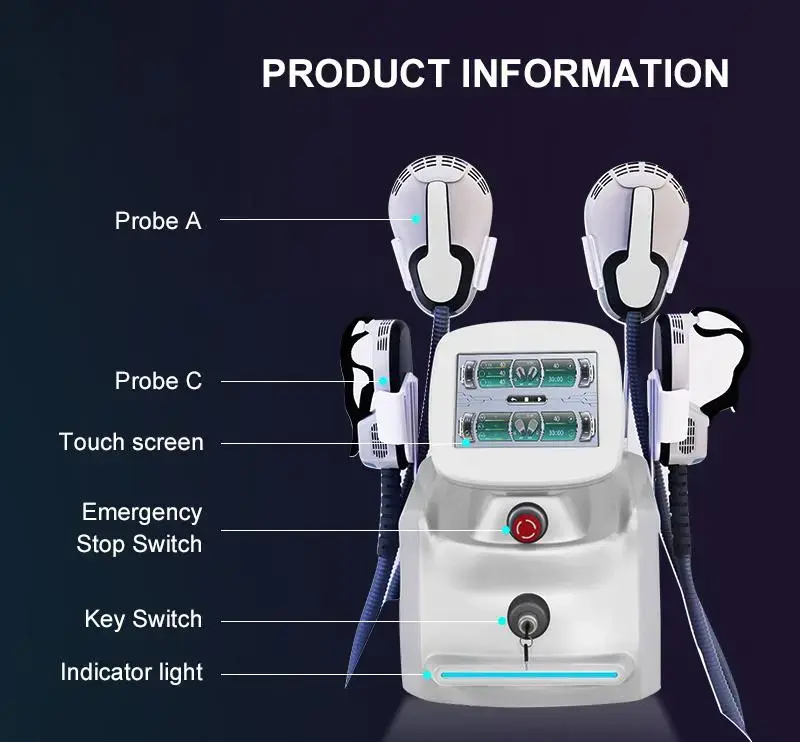
Portable devices focus on small sizes and wireless operation, which allows treatments to be given in a variety of professional settings. Battery-powered operation gets rid of the need to tether the patient, so useful electrical stimulation can happen while the patient is moving instead of just sitting still. Traditional machines focus on clinical-grade construction and operation that doesn't move. These units have bigger screens, more control options, and more than one channel for treatment at the same time. The fixed installation method makes sure that power is always delivered and that full tracking is possible.
Software Integration and Connectivity
These days, portable units often come with smartphone apps and internet connections so that you can customise your treatment and keep track of your progress. Traditional EMS machines usually connect to full clinical management systems that keep track of treatment details and outcomes. These digital interfaces make patients more involved and allow for remote monitoring of home-based therapy routines. These platforms allow for the creation of complicated protocols and the scheduling of multiple patients' treatments in clinical settings.
Evaluating the Benefits and Limitations for Clinical Use
Clinical effectiveness depends on matching device capabilities with specific therapeutic requirements and operational constraints. Both portable and traditional muscle stimulation technologies offer distinct advantages while presenting unique limitations that impact treatment delivery and patient outcomes.
Advantages of Portable Muscle Stimulation Technology
The main benefits of portable gadgets are that they make things more flexible and help patients follow through with their plans. These small units make it possible to give treatments in a variety of clinical settings, from exam rooms to rehabilitation gyms, without the need for a specific installation space or electrical infrastructure. Portable technology makes patients much more comfortable and helps them stick with their treatment plans. Because it is wireless, there are no limits on movement, so patients can stay in their normal positions during treatment sessions. This flexibility is especially helpful for older patients or people who have trouble moving around, who have trouble with the limits of traditional machines.
Traditional EMS Machine Strengths
Traditional machines are great at offering consistent, high-intensity portable muscle stimulator machine therapeutic interventions for cases that are hard to understand. These units have more power output and more parameter control options, which support specialised treatment protocols for difficult patient presentations. Traditional machines are great for high-volume clinical settings because they are built to last and are reliable. Longer operational lifespans and full warranty coverage make these products a great deal for facilities that have a lot of patients and a lot of treatment plans.
Operational Considerations and Workflow Impact
Portable devices make clinical processes easier by cutting down on setup time and making it possible for patients to be in any position. Clinicians can start treatment faster and change parameters during therapy sessions without stopping the patient from doing other things. Traditional machines need specific treatment rooms and take longer to set up, but they can do more monitoring and documentation. These features are very useful for complicated cases that need to keep track of outcomes in great detail and make changes to the procedure.
Procurement Considerations: How to Select the Best Device for Your Clinic
Selecting appropriate muscle stimulation technology requires careful evaluation of clinical requirements, budget constraints, and long-term operational goals. Successful procurement decisions balance immediate therapeutic needs with future scalability and technological advancement considerations.
Cost Analysis and Budget Planning
Portable muscle activator machines usually cost between $500 and $3,000 each, but this depends on how many features they have and whether they are clinically certified. Buying in bulk can lower the cost per unit and allow for more thorough training of staff and longer guarantee coverage. Traditional EMS machines are bigger investments, costing between $5,000 and $25,000 per unit. These higher prices are due to more advanced features, stronger building, and more support services. Facilities need to look at the number of treatments and possible income to make these investments worth it.
Supplier Evaluation and Support Services
Having dependable ties with suppliers is important for the long-term performance of devices and their clinical success. Some things that should be used to judge a product are its technical assistance, its training programs, and how easy it is to get replacement parts. Suppliers who already have professional partnerships can often give useful information on how to make the best use of devices and treatment plans. Warranty terms and service agreements vary a lot from one manufacturer to the next. Full coverage should include technical support, replacement devices while repairs are being done, and ongoing training opportunities for staff. These services make a big difference in the total value of the property and its dependability.
Clinical Integration and Staff Training
For gadget implementation to go smoothly, all staff members must be fully trained, and protocols must be created. Traditional machines may need a lot of training to be used correctly, while portable devices often have easy-to-understand interfaces that cut down on training time. When choosing a device, you should think about how well it will work with other clinical systems and what kind of paperwork is needed. Standardised reporting forms and devices that can export data to other compatible formats make administrative work easier and help make sure that regulations are followed.
Optimising Clinical Outcomes: Best Practices and Usage Guidelines
Maximising therapeutic benefits from a portable muscle stimulator machine requires evidence-based protocol development, comprehensive staff training, and ongoing outcome monitoring. Clinical success depends on matching device capabilities with specific patient needs and treatment objectives.
Evidence-Based Protocol Development
Different therapeutic goals require distinct stimulation parameters and treatment protocols. Muscle recovery applications typically utilise frequencies between 20 and 50 Hz with moderate intensity levels to promote circulation and reduce muscle fatigue. Pain management protocols often employ higher frequencies (80-150 Hz) to activate sensory nerve pathways and block pain signal transmission. Neuromuscular re-education protocols require precise parameter control to achieve optimal motor unit recruitment without patient discomfort. Russian stimulation protocols (2500 Hz carrier frequency modulated at 50 Hz) have proven effective for muscle strengthening applications in athletic and rehabilitation settings.
Patient Safety and Risk Management
Proper electrode placement and skin preparation prevent adverse reactions and ensure optimal current delivery. Clean, dry skin contact enhances electrical conductivity while reducing the risk of skin irritation or burns. Regular electrode replacement maintains consistent performance and reduces infection risks. Contraindication screening protects patients from potential complications. Electronic stimulation should be avoided in patients with cardiac pacemakers, pregnancy, active malignancy in treatment areas, or thrombophlebitis. Comprehensive medical history review and physician consultation ensure appropriate patient selection for electrical stimulation therapy.
Treatment Monitoring and Outcome Assessment
Regular assessment of patient response and treatment progress enables protocol optimisation and demonstrates clinical effectiveness. Standardised outcome measures, including pain scales, range of motion assessments, and functional capacity evaluations, provide objective data for treatment adjustment decisions. Documentation of stimulation parameters, treatment duration, and patient response supports clinical decision-making and regulatory compliance. Electronic record systems with integrated device data capture streamline documentation while ensuring comprehensive treatment tracking.
Future Trends and Innovations in Muscle Stimulation Technology
The muscle stimulation industry continues advancing through technological innovation and expanding clinical applications. Understanding emerging trends helps procurement managers make forward-thinking decisions that support long-term clinical success and operational efficiency.
Artificial Intelligence and Personalised Therapy
AI-driven customisation represents a significant advancement in muscle stimulation technology. These systems analyse patient response patterns and automatically adjust stimulation parameters to optimise therapeutic outcomes. Machine learning algorithms identify optimal treatment protocols based on individual patient characteristics and treatment goals.Personalised therapy protocols improve patient outcomes while reducing clinician workload. Automated parameter adjustment eliminates guesswork and ensures consistent treatment delivery across multiple therapy sessions. These capabilities prove particularly valuable for home-based treatment programs where direct clinical supervision is limited.
Wireless Technology and Remote Monitoring
Enhanced wireless connectivity enables comprehensive portable muscle stimulator machine remote monitoring and treatment adjustment capabilities. Clinicians can monitor patient compliance, adjust treatment parameters, and track progress without requiring in-person visits. This technology proves essential for expanding access to specialised care in underserved geographic areas. Cloud-based data integration provides comprehensive outcome tracking and enables large-scale clinical research initiatives. Anonymised treatment data support evidence-based protocol development and device optimisation for improved clinical effectiveness.
Integration with Telehealth Platforms
More and more, muscle stimulation technology is being integrated with full telehealth systems. This makes it possible for care to be coordinated smoothly between many providers and treatment settings. These combined systems help keep care going and make paperwork easier for both doctors and patients. Specialists can guide treatment plans and change parameters without being limited by geography thanks to remote consultation features. This technology is especially helpful in complicated cases that need specialised knowledge that isn't available in local clinics.
Conclusion
Whether you choose a portable or traditional muscle stimulation device depends on the therapeutic goals, patient population, and operational needs of your office. Portable units are great because they are flexible and easy for patients to use. Traditional machines, on the other hand, work well in busy clinical settings. To make a good choice, you need to carefully look at clinical needs, budget limits, and long-term technology trends. Both technologies have been shown to help with therapy when used correctly, following the right procedures, and giving staff thorough training.
FAQ
1. What are the main safety considerations for portable muscle stimulators compared to traditional EMS machines?
Both device categories maintain similar safety profiles when used according to manufacturer guidelines and clinical protocols. Portable devices often include additional safety features like automatic shut-off timers and intensity limits to prevent misuse. Traditional machines provide more comprehensive monitoring capabilities but require proper clinical supervision. Both types require appropriate contraindication screening and proper electrode placement to prevent adverse reactions.
2. How do I distinguish between portable muscle stimulators and TENS units for clinical applications?
Portable muscle stimulators typically offer broader frequency ranges and higher current outputs than standard TENS units, enabling both muscle stimulation and pain management applications. TENS devices focus primarily on pain relief through sensory nerve stimulation, while muscle stimulators provide neuromuscular electrical stimulation (NMES) capabilities for muscle strengthening and rehabilitation. Clinical-grade portable stimulators often combine both TENS and NMES functions in a single device.
3. What frequency settings should I use for different treatment objectives?
Pain management typically requires frequencies between 80 and 150 Hz to activate sensory nerve pathways. Muscle recovery and circulation enhancement work best with frequencies between 2 and 10 Hz. Muscle-strengthening applications often utilise frequencies between 20-50 Hz, while specialised protocols like Russian stimulation employ 2500 Hz carrier frequencies modulated at 50 Hz. Always consult clinical protocols and manufacturer guidelines for specific parameter recommendations.
4. Can portable muscle stimulators provide the same therapeutic effectiveness as traditional EMS machines?
Modern portable muscle stimulator machine units can achieve comparable therapeutic outcomes to traditional machines for many clinical applications. The key factors are appropriate parameter selection, proper electrode placement, and adherence to evidence-based protocols. While traditional machines may offer higher power outputs and more extensive parameter control, portable devices provide sufficient capability for most routine clinical applications while offering enhanced patient comfort and compliance.
Partner with TB for Advanced Muscle Stimulation Solutions
TB delivers cutting-edge portable muscle stimulator machine technology designed specifically for clinical excellence and optimal patient outcomes. Our comprehensive product portfolio combines innovative wireless capabilities with proven therapeutic effectiveness, enabling healthcare facilities to enhance treatment protocols while improving operational efficiency. As a leading portable muscle stimulator machine supplier, we provide personalised consultation services, competitive volume pricing, and comprehensive technical support tailored to your facility's unique requirements.
Connect with our clinical specialists today at susan@taibobeauty.com to explore how TB's advanced muscle stimulation technology can transform your therapeutic capabilities and drive measurable patient success.
References
1. Bickel, C.S., et al. "Motor unit recruitment during neuromuscular electrical stimulation: a critical appraisal." European Journal of Applied Physiology, 2011.
2. Vance, C.G., et al. "Using TENS for pain control: the state of the evidence." Pain Management, 2014.
3. Gorgey, A.S., et al. "Effects of neuromuscular electrical stimulation parameters on specific tension." European Journal of Applied Physiology, 2009.
4. Liebano, R.E., et al. "Comparison of the effects of two interferential currents of different amplitude-modulated frequency on muscle performance." Physiotherapy Theory and Practice, 2013.
5. Medeiros, F.V., et al. "Influence of electrodes positioning on comfort during electrical stimulation of different muscles." European Journal of Pain, 2009.
6. Zeng, H., et al. "Electrical stimulation to enhance peripheral nerve regeneration: where do we stand?" Frontiers in Neurology, 2020.





YOU MAY LIKE