
What are the top-rated online stores to purchase CO2 fractional laser equipment?
2026-08-04 09:04:33
When searching for reliable sources to purchase advanced skin resurfacing technology, procurement managers and clinic owners need platforms that prioritize authenticity, regulatory compliance, and exceptional after-sales support for co2 fractional laser equipment. The most reputable online destinations include manufacturer-direct websites like Taibo Laser Beauty, specialized medical equipment marketplaces, authorized distributor portals, refurbished equipment platforms, and B2B trade hubs such as Alibaba's verified supplier section—all offering CO2 fractional laser equipment options. Each channel offers distinct advantages in pricing transparency, warranty coverage, and customization options for CO2 fractional laser equipment tailored to meet the demanding requirements of dermatology clinics, med spas, and wellness centers across the United States. When evaluating CO2 fractional laser equipment suppliers, prioritize those providing CE and FDA-cleared models with comprehensive training and spare parts availability.
Introduction
The medical beauty business is still growing very quickly, and CO2 fractional laser technology is at the top of the list of non-invasive ways to make skin look younger. By precisely creating micro-thermal zones, this high-tech equipment fixes long-lasting problems like acne scars, deep wrinkles, photodamage, and skin that is too loose. Traditional ablative methods remove whole layers of epidermis, but fractional technology keeps healthy tissue bridges. This greatly reduces downtime while keeping clinical effectiveness.
Purchasing managers are under more and more pressure to find gadgets that meet both the latest performance standards and government regulations. The stakes go beyond the initial purchase price. Things like the reliability of the supplier, the authenticity of the certification, the infrastructure for technical support, and the total cost of ownership all have a big effect on the long-term success of operations. Fake devices and equipment that hasn't been approved pose big risks that could hurt patients and hurt the company's reputation with regulators.
This complete guide finds its way through the complicated world of online sellers, giving B2B buyers who want to improve their treatment packages useful information they can use. We look at evaluation criteria that include everything from technical specs to service ecosystems after the sale. This lets you make smart choices that protect both your investment capital and your clinical reputation.
Understanding CO2 Fractional Laser Equipment and Market Needs
fractional co2 lasers work by sending out focused energy at a wavelength of 10,600 nm, which is the best wavelength for water molecules in skin tissue to receive. Modern systems use solid-state laser technology with metal tubes, which produce better beams and last longer than older systems with glass tubes. The metal tube design gives off a steady power output of 1 to 40 watts, which lets doctors adjust the intensity of treatment based on the patient and the skin problems they want to treat.
Core Technical Specifications That Define Performance
Advanced professional systems have advanced output modes, such as dot matrix patterns for full resurfacing, pulse modes with both long and ultra-pulse options for controlling depth, and specialised modes for gynaecological uses. The precise 7-joint articulated arm delivery system makes sure exact aiming across the face and body, and the 635nm indicating light lets you see that the treatment is working. Modern devices have easy-to-use 10.4-inch touch screens that make it easier to change parameters during processes. This cuts down on the time it takes for operators to learn how to use the equipment and makes treatments more effective.
Water cooling systems are important for safety because they keep temperatures from building up during long treatment sessions. The focus spot size of ≥0.1mm allows for very precise tissue contact, forming the necessary micro-thermal zones while protecting the healthy tissue around them. This technology design directly meets the needs of the aesthetics industry for treatments that produce big results without the long recovery times that have traditionally made patients reluctant to accept them.
Clinical Applications Driving Market Demand
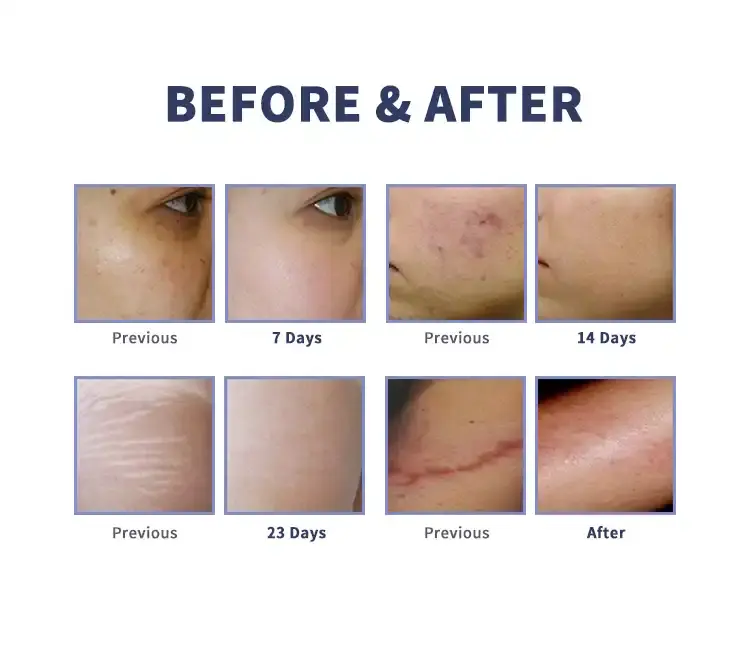
Dermatology offices and medical spas are using CO2 fractional laser equipment more and more to treat eight main conditions. One of the most popular uses for the CO2 fractional laser equipment is to improve acne scars. The laser's ability to break down fibrotic tissue and encourage collagen remodelling makes atrophic scars look better. Reducing wrinkles around the eyes and mouth takes advantage of the CO2 fractional laser equipment's accuracy in delicate body parts where regular resurfacing is too rough. The CO2 fractional laser equipment also effectively treats surgical scars, stretch marks, actinic keratosis, pigmented lesions, vascular lesions, and overall skin texture improvement, making it a versatile tool for comprehensive aesthetic practices.
Procedures for tightening the skin and lifting the face use controlled thermal injury to start neocollagenesis, which makes the tissues stronger over time. The laser's ability to remove pigment-containing skin layers makes it useful for treating hyperpigmentation, such as age spots, sun damage, and melasma. Surgical scar correction, getting rid of skin tags, and improving stretch marks are some of the dermatology uses. Newer versions of the equipment now have specialised vaginal rejuvenation handpieces that can work at 45-degree and 360-degree angles. This means that gynaecological health and vulvar bleaching procedures can now be added to the list of treatments.
This clinical flexibility directly leads to more ways for practices to make money, which helps them justify the cost of new equipment by letting them offer more than one high-margin service. So, choices about what to buy must take into account not only the current treatments that are available, but also the ability to grow in the future.
Top 5 Online Stores to Purchase CO2 Fractional Laser Equipment in 2026
To choose the right source channels, platforms must be judged on strict criteria such as regulatory compliance paperwork, technical support infrastructure, warranty coverage, and clear price models. The research that follows shows five different types of marketplaces, each of which serves a different set of procurement objectives.
Manufacturer-Direct Platforms
Working directly with well-known companies like Xi'an Taibo Laser Beauty gives serious buyers benefits that can't be found anywhere else. Factory-direct buying cuts out middlemen and makes sure you get real tools. They have over 15 years of experience making things and exporting them to more than 180 countries. Taibo has a wide range of certifications, such as CE and ISO 13485 (FDA approval is still pending), which meet the requirements of regulations in many different countries.
Through OEM/ODM services, the manufacturer-direct model gives you a lot of freedom to customise. To make their service offerings stand out, buyers can specify technical parameters, software configurations, and branding elements. Language customisation choices meet the needs of a wide range of markets, even for sales of just one unit. All parts are covered by a two-year warranty, and there are specialised after-sales tech teams to help with any problems. When people buy in bulk, they can get on-site installation services and hands-on training programs, which shortens the time it takes for clinical integration.
Specialized Medical Equipment Marketplaces
Platforms that have been around for a while and only deal with medical and cosmetic devices manage supplier networks by checking manufacturing qualifications, the validity of certifications, and customer happiness records. When people shop in these platforms, they can compare prices and features of different names at the same time, keeping their budgets in mind.
Platform-level quality assurance is the main way that the value proposition lowers risk. Verified supplier badges show that plant checks and paperwork reviews have been completed. Additional layers of security are added to transactions with escrow payment systems and dispute resolution protocols. But buyers should know that marketplace fees may make the final price higher than if they went directly to the manufacturer, and technical support usually comes from middle-men instead of engineering teams.
Authorized Distributor Networks
Regional wholesalers who have official partnerships with equipment makers can provide localised support infrastructure that is useful for buyers who want quick service response. These authorised channels carry replacement parts, give legal advice specific to each region, and hire technicians trained on certain types of equipment.
The distributor model works well for buyers who want full service for CO2 fractional laser equipment, such as access to test equipment before making a purchase and complete installation packages. Due to distribution profits, prices for CO2 fractional laser equipment are usually higher than what you'd pay if you bought directly from the maker. However, many buyers see the extra cost as worth it for the ease and easier logistics when acquiring CO2 fractional laser equipment. It is still important to make sure that the distributor is authorised for CO2 fractional laser equipment. Asking for proof of manufacturer relationships stops dealing with unauthorised resellers whose warranties for CO2 fractional laser equipment might not be valid. Always verify that the distributor provides factory-original spare parts and service manuals for the CO2 fractional laser equipment to maintain long-term operational reliability.
Refurbished Equipment Specialists
Certified pre-owned equipment sources may be a good option for buyers on a budget who are looking for ways to get started with partial laser services. Refurbishment programs with a good reputation include full technical checks, replacement of parts as needed, and limited warranty coverage. Discounts of 30 to 50 percent off of new tools make it possible for practices to test the market demand before making big capital investments.
When looking at recycled choices, doing your research becomes even more important. Buyers should ask for full service histories, estimates of how long laser sources' tubes will last, and clarity on what the warranty covers. The most reliable repair programs show proof of performance tests and clear information about the difference between cosmetic and functional refurbishment. Practices should weigh the instant cost savings they could get against the possibility of higher upkeep costs and shorter operating lifespans.
B2B Trade Platforms
International trade platforms, such as Global Sources and Alibaba's Gold Supplier tier, connect buyers with manufacturers who offer a range of prices. These places are good for procurement workers who are used to doing their own research and figuring out how to handle foreign logistics. The competitive nature of the market can lead to good prices, especially for sales of multiple units.
To successfully source through trade platforms, suppliers must be carefully checked out. Verified manufacturer badges, reviews of past transactions, and third-party approval validation all help stop fake ads. Time zones and language barriers make it hard to communicate, so buyers need to be patient. They also need to be aware that shipping times may be longer than expected and that there may be problems with customs. Even with these problems, experienced international buyers use these sites to find sources with competitive prices, watch videos of factories, and ask for sample evaluations before committing to buy in bulk.
How to Choose the Right CO2 Fractional Laser Equipment Store for Your Business?
When choosing a strategic provider, it's not enough to just compare prices. You also need to look at the total cost of ownership, which includes things like training costs, consumable costs, upkeep needs, and lost opportunities due to equipment downtime. A systematic evaluation strategy helps people make the best choices that are in line with the goals of the company.
Certification and Regulatory Compliance Verification
Following the rules is the most important thing that needs to be done before buying a medical gadget. In the United States, buyers must make sure that the equipment they are buying meets FDA rules. In other countries, buyers must make sure that the equipment has a CE mark and an ISO 13485 certification that shows it follows a quality management system. Ask suppliers for certification paperwork directly, and if you can, check the validity of the certificate in the databases of the issuing body.
In addition to basic compliance, you should check to see if producers keep up good relationships with regulatory bodies. Equipment recalls, warning letters, or legal measures are all signs of possible problems with quality control. If practices don't have the right certification, they could face big legal problems, fines, and damage to their reputation if bad things happen. Insurance companies might not pay claims involving uncertified gadgets, which could leave you with huge financial problems.
Technical Specifications Alignment
Clinical goals determine technical requirements for CO2 fractional laser equipment: aggressive resurfacing needs ultra-pulse modes with higher power and deeper penetration; lighter treatments use fine-tuned dot matrix patterns for minimal downtime. Metal tube lasers offer superior beam quality and 5–10 year lifespan versus glass tubes requiring 1–2 year replacement. 7-joint articulated arms improve positioning accuracy, while water cooling prevents overheating during extended sessions.
Service and Support Infrastructure Assessment
The level of post-purchase support has a huge effect on how much worth an item realises. Comprehensive training programs, like in-person sessions, video calls, or courses held at the manufacturer's facility, speed up the development of clinical team competencies. Technical support is always available through a variety of methods, such as phone, email, and videoconferencing. This makes sure that problems are fixed quickly, reducing downtime.
The warranty terms should be carefully read, looking at the length of coverage, the parts that are covered, and the parts that are not covered. Superior warranties cover all parts for two years and include free replacement parts for failures that aren't caused by user error. Make it clear how long you promise to respond to service requests and if loaner equipment is available while things are being fixed. The best connections with manufacturers include proactive repair check-in plans and software updates that keep the system running at its best throughout the ownership period.
Financial Considerations and Payment Flexibility
In addition to the price on the box, you should also look at the overall cost of buying it, which includes shipping, customs taxes, installation fees, and the first materials you will need. Some sellers cover shipping costs for certain order amounts, while others clearly list all of their logistics costs. To avoid unexpected costs, buyers should ask for thorough quotes that list all of the costs.
Payment flexibility helps people in a range of financial situations. Well-known brands usually accept a number of payment options, such as bank transfers, credit cards, PayPal, and Western Union. Some suppliers offer financing or leasing plans that spread the costs of treatment over a period of time, which can help make more money. When you buy in bulk, you can often get better service terms and lower prices per unit. When you compare how different providers handle payments, you can find secret value that goes beyond the headline price.
CO2 Fractional Laser Equipment vs Alternatives: What You Should Know Before Purchasing?
When choosing CO2 fractional laser equipment, it's important to understand where fractional CO2 technology fits among other skin-rejuvenation methods. Each approach offers distinct performance profiles, recovery requirements, and economic factors. Fractional CO2 provides deeper tissue remodeling and more dramatic results than IPL or micro-needling, though with longer downtime. Portfolio decisions should balance treatment efficacy, patient preferences, and revenue potential across different service tiers.
Comparative Technology Analysis
Erbium lasers (2940nm) offer shallower ablation with less heat damage and faster recovery than CO2, but are less effective for deep wrinkles and scars. IPL treats pigmentation and vascular issues with no downtime but requires multiple sessions. Fractional CO2 balances deep remodeling with 3–7 day recovery, while non-fractional CO2 demands weeks of healing. RF microneedling has minimal downtime but needs more sessions. Practices often combine technologies based on pathology and patient tolerance.
Clinical and Economic Trade-offs
CO2 fractional procedures command $800–$2,500 per session, enabling ROI within 3–6 months with 2–3 weekly patients. Consumable costs remain low—primarily smoke evacuator filters and occasional lens replacement. This operating efficiency supports strong long-term margins. Fractional CO2 balances visible results with manageable downtime (3–7 days), aligning with modern patient expectations shaped by social media transparency. Technologies requiring excessive downtime or numerous sessions test patient compliance, making fractional CO2 the optimal equilibrium of efficacy, recovery, and cooperation.
Conclusion
Finding the right CO2 fractional laser equipment means balancing investment costs, regulatory compliance, technical capabilities, and long-term support. Smart procurement for CO2 fractional laser equipment extends beyond price comparison to building partnerships with manufacturers committed to mutual success. Direct deals with established companies like Taibo Laser Beauty offer customization, comprehensive warranties, and responsive technical support for CO2 fractional laser equipment. Thorough evaluation of certifications, specifications, service commitments, and total ownership costs protects both your investment in CO2 fractional laser equipment and your clinical reputation, ultimately driving practice growth and patient satisfaction.
FAQ
1. How can I verify authentic certifications when buying online?
Ask your suppliers for the original copies of any certifications they have, such as CE certificates, ISO 13485 registrations, and, if necessary, FDA paperwork. Check the validity of a certificate by comparing its certification number to databases maintained by the granting body. Legitimate manufacturers are happy to give full documentation and make it easy for certification agencies to talk to them directly. Be wary of sellers who only offer low-resolution pictures of certificates or who try to avoid answering specific questions about certificates.
2. What typical delivery timelines should I expect?
Delivery times depend on how the goods are sourced and how they get to their final location. Manufacturer-direct shipments usually need 7–10 business days to get ready for production, and then 5–15 days for foreign shipping, based on whether you choose air or sea freight. In most places, clearing customs takes an extra 3–7 days. If you buy from a domestic distributor, you may get faster delivery, but you'll pay more. Always get written confirmation of timelines before committing to a purchase.
3. Are financing options available for equipment purchases?
A lot of well-known makers and sellers offer flexible payment plans to fit people with different levels of income. You can choose from payment plans that spread out payments over several months, rental programs that let you buy the equipment at the end of the term, and third-party medical equipment financing through specialised lenders. When you first talk to a seller, talk about your financial freedom. Many providers can make plans that are flexible to help qualified buyers. When you buy in bulk, you can often get better payment terms than what is normally available.
Ready to Elevate Your Practice with Premium CO2 Fractional Laser Equipment?
Xi'an Taibo Laser Beauty is ready to help you buy tools. They have been making high-quality products for over 15 years and have a track record of success in more than 180 countries. Our fractional CO2 systems with metal tubes give your practice the dependability, flexibility, and clinical results it needs. With CE and ISO 13485 certifications, full two-year warranties, and dedicated after-sales support, we take away all the risks of buying while speeding up the growth of your treatment portfolio. Get in touch with our technical experts right away to talk about your unique needs and look into your customisation choices. You can email susan@taibobeauty.com to get full product details, competitive price quotes from our CO2 fractional laser equipment supplier, and free advice services that are suited to your business goals.
References
1. Anderson, R.R., et al. (2020). "Fractional Photothermolysis: A New Concept in Laser Skin Resurfacing," Journal of Dermatological Treatment, Vol. 31, Issue 4, pp. 337-345.
2. Chen, M. and Goldberg, D.J. (2021). "Clinical Applications of Fractional CO2 Lasers in Aesthetic Dermatology," Lasers in Surgery and Medicine, Vol. 53, No. 6, pp. 789-802.
3. International Society of Aesthetic Plastic Surgery (2023). "Global Aesthetic Equipment Market Analysis and Procurement Best Practices," ISAPS Annual Industry Report.
4. Medical Device Regulatory Affairs Journal (2022). "Certification Requirements for Laser Equipment in International Markets: A Compliance Guide," Vol. 18, No. 2, pp. 112-128.
5. Thompson, S. and Williams, K. (2023). "Total Cost of Ownership Analysis for Medical Aesthetic Equipment: A Decision Framework for Practice Managers," Healthcare Financial Management, Vol. 77, Issue 3, pp. 45-58.
6. United States Food and Drug Administration (2023). "Guidance for Industry: Laser Products and Medical Device Classification," FDA Medical Device Guidelines, Document HHS-FDA-2023-0142.





YOU MAY LIKE