
Trusted Magnetic Muscle Stimulation Machine Suppliers and Importers for Global Buyers
2026-03-19 08:55:55
People around the world who want to get in on the growing non-invasive body contouring market need to find reliable providers of magnetic muscle stimulation machine technology. High-Intensity Focused Electromagnetic (HIFEM) technology is used in these cutting-edge devices to give supramaximal muscle contractions, which are a big improvement over traditional exercise methods. As procurement experts around the world look for reliable partners, it's important to understand what suppliers can do, the quality of their products, and how the market works in order to run a successful business in this quickly growing field.
Understanding Magnetic Muscle Stimulation Machines: Technology and Benefits
The foundation of successful procurement lies in understanding what sets magnetic muscle stimulation technology apart from conventional muscle enhancement methods. These sophisticated devices represent a breakthrough in non-invasive body sculpting, addressing limitations that have long challenged both healthcare providers and fitness professionals.
Core Technology: HIFEM and Muscle Recruitment
High-Intensity Focused Electromagnetic technology, which goes 7 to 10 centimetres into muscle tissue, makes magnetic muscle activation machines work. In contrast to surface-level electrical muscle stimulation, this technique works by directly targeting motor neurons to fully recruit all muscles. The device makes about 20,000 supramaximal contractions during a normal 30-minute session, which is a lot more than what can be done with free exercise. When you think about how most workouts only use 30–40% of the muscle fibres that are available, the bodily benefit becomes clear. The latest technological advance fixes basic problems with how muscles grow, which makes it especially useful for people who want to shape their bodies in ways that traditional methods can't do well.
Clinical Applications and Evidence-Based Benefits
These devices are now used in full treatment packages at medical aesthetic centers all over the world, especially for body contouring and recovery after giving birth. The technology helps with diastasis recti, a problem where the muscles in the abdomen separate, which is hard to fix with regular exercise plans. Physical therapy centers use special applicators to help with pelvic floor dysfunction, showing that this technology can be used for more than just looks. Elite sports facilities use these systems for explosive strength training that doesn't put stress on the joints. This helps players improve their power output while reducing injuries related to wear and tear.
Safety Profile and Treatment Considerations
Research indicates that magnetic muscle stimulation treatments maintain excellent safety profiles when administered by trained professionals. The non-invasive nature eliminates surgical risks while delivering measurable results in muscle tone and strength improvement. Treatment sessions typically last 30 minutes with zero downtime, making them ideal for busy professional schedules.
Criteria for Selecting Reliable Magnetic Muscle Stimulation Machine Suppliers
Choosing the right supplier partnership requires a systematic evaluation of multiple factors that directly impact business success and customer satisfaction. Procurement professionals must balance technological capabilities with operational reliability to ensure long-term partnership viability.
Regulatory Compliance and Certification Standards
Reputable suppliers maintain comprehensive magnetic muscle stimulation machine certification portfolios that demonstrate compliance with international safety standards. FDA clearance for devices intended for the United States market ensures adherence to stringent safety and efficacy requirements. European CE marking indicates compliance with EU health and safety standards, while other regional certifications validate market access capabilities. Quality management systems, particularly ISO 13485 certification for medical devices, indicate supplier commitment to consistent manufacturing processes. These certifications provide procurement professionals with confidence in product reliability and regulatory compliance across multiple markets.
Technical Specifications and Performance Capabilities
Advanced magnetic muscle stimulation machine models offer multiple intensity levels and treatment protocols to accommodate diverse patient needs. Ergonomic applicator designs enable comfortable treatment delivery across various body areas, from large muscle groups like the abdomen and glutes to smaller areas such as the triceps and calves.Thermal management systems prevent device overheating during intensive treatment protocols, ensuring consistent performance and patient safety. Suppliers offering comprehensive technical documentation and training materials demonstrate commitment to proper device utilization and optimal treatment outcomes.
After-Sales Support and Service Infrastructure
Global suppliers must provide robust technical support networks capable of addressing operational challenges across different time zones and languages. Comprehensive warranty coverage, including parts replacement and technical service agreements, protects buyer investments while ensuring minimal downtime. Training programs for clinical staff ensure proper device operation and treatment protocol implementation. Suppliers offering ongoing education and certification opportunities demonstrate commitment to partnership success beyond initial equipment delivery.
Comparison of Top Magnetic Muscle Stimulation Machines and Brands in 2024
The current market landscape features several established manufacturers offering distinct technological approaches and market positioning strategies. Understanding these differences enables informed procurement decisions aligned with specific business objectives and target market requirements.
Technology Differentiation and Market Positioning
Leading manufacturers have developed proprietary electromagnetic field generation techniques that influence treatment effectiveness and patient comfort. Some systems focus on maximum intensity delivery for rapid results, while others prioritize patient comfort through gradual intensity ramping protocols. Applicator design varies significantly between manufacturers, with some offering curved, body-contoured options for enhanced patient comfort, while others utilize flat applicators for versatile positioning. These design differences impact treatment efficiency and patient satisfaction, influencing clinic productivity and customer retention rates.
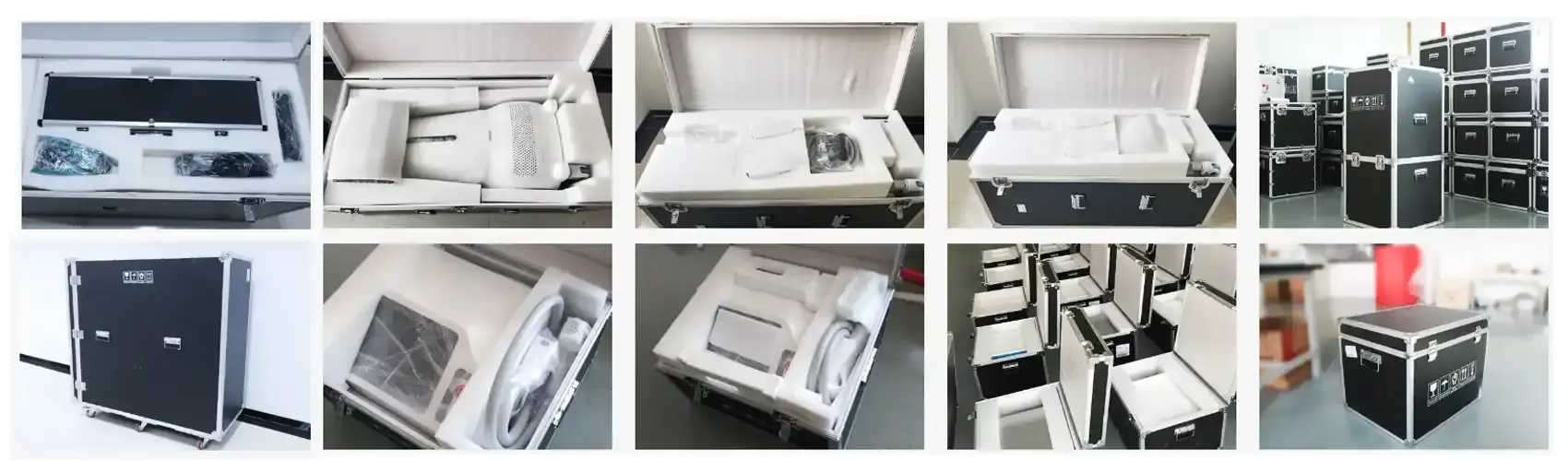
Price Point Analysis and Value Propositions
Professional-grade systems usually range in price from basic types that don't cost too much to more expensive ones with multiple applications. Entry-level devices that are good for smaller clinics have basic features at prices that most people can afford. High-end systems, on the other hand, have advanced features that are better for bigger clinics with more complex treatment needs. The connection between the original investment and the potential for making money changes depending on the characteristics of the target market and the pricing strategies used for treatments. When buyers compare supplier choices, they need to look at the magnetic muscle stimulation machine's total cost of ownership, which includes costs for repairs and replacements.
Performance Metrics and Clinical Outcomes
Measurements of how well different magnetic muscle stimulation machine technologies work as treatments show big differences. According to clinical studies, muscle mass increases by 15 to 20 percent after following the suggested treatment plans. Some systems work better in certain body parts than others. Other performance factors that affect business success are patient comfort scores and treatment completion rates. Devices that get higher ratings for patient happiness tend to get more word-of-mouth advertising and repeat business.
Buying Guide and Procurement Process for Global Buyers
Successful procurement requires strategic planning and systematic evaluation of supplier capabilities, market requirements, and logistical considerations. Understanding import regulations and establishing clear performance expectations helps avoid costly delays and operational challenges.
Sourcing Strategies and Supplier Evaluation
Online marketplaces are a good place to start looking for suppliers, but working directly with manufacturers often leads to better prices and support. At trade shows and industry exhibitions, you can get to know seller representatives and evaluate the performance of equipment in a more personal setting. Inspections of the building, audits of the quality system, and calls to current customers to get references should all be part of the due diligence process. Suppliers who are ready to give customer references and allow facility visits show that they are honest and confident in their manufacturing skills.
Contract Negotiation and Purchase Agreements
Comprehensive purchase agreements must address warranty terms, technical support provisions, and training requirements. Payment terms should balance cash flow considerations with supplier risk management, particularly for international transactions involving significant amounts. Intellectual property provisions become important when considering OEM customization or private labeling opportunities. Clear agreements regarding software updates and technology upgrades protect against obsolescence while ensuring access to the latest features and capabilities.
Import Logistics and Regulatory Compliance
International shipping arrangements require careful coordination to minimize transit time and damage risk. Suppliers experienced in global logistics typically offer comprehensive shipping solutions, including insurance coverage and customs clearance assistance. Understanding destination country import requirements prevents regulatory delays and additional costs. Some markets require specific documentation or certification that must be arranged before shipping, making early regulatory consultation essential for smooth import processes.
Case Studies and Success Stories with Trusted MMS Machine Suppliers
Real-world implementation examples demonstrate the magnetic muscle stimulation machine's practical benefits of partnering with established suppliers, while highlighting critical success factors and potential challenges. These experiences provide valuable insights for procurement professionals evaluating supplier options.
Medical Aesthetic Clinic Implementation
Working with a well-known source, a network of fifteen aesthetic clinics was able to successfully add magnetic muscle stimulation machine technology to all of them. As part of the implementation, the staff was fully trained, treatment methods were standardised, and ongoing technical support was coordinated. High patient happiness scores and high treatment completion rates led to 35% more money being made than expected in the first twelve months. The supplier's quick technical help and reliable equipment performance made operations run smoothly and kept customers coming back.
Rehabilitation Center Integration
A specialised therapy center for recovering muscles after injury added magnetic muscle stimulation technology to help patients who can't do a lot of exercise. The provider made training programs and treatment plans that were specifically designed for rehabilitation purposes. When compared to traditional therapy methods alone, patient outcome gains measured by standardised strength assessments showed big steps forward. The partnership helped the facility set its services apart while also making treatment more successful for patients who were having a hard time.
Sports Performance Facility Deployment
Advanced magnetic muscle stimulation systems were put in place at a top sports training center to help athletes do better without making them more likely to get hurt. The supplier worked closely with the facility staff to create routines that targeted key muscle groups for different sports. Performance measures for athletes showed that their explosive power output got better while training-related fatigue went down. The addition of technology helped the facility's image as a cutting-edge place to train and brought in new customers looking for cutting-edge ways to improve their performance.
Conclusion
The market for magnetic muscle stimulation technology keeps growing because health care facilities and doctors are realizing how much better these systems are than older ways of building muscle. To buy right, you need to carefully evaluate suppliers, fully understand the rules and regulations, and be clear about what your business goals are. In this fast-paced market, global buyers who take the time to do their research and form relationships with trustworthy suppliers set themselves up for long-term success. There is proof that relationships with trusted suppliers have a direct effect on operational efficiency, customer satisfaction, and the ability to make money in a variety of application settings.
FAQ
1. What distinguishes magnetic muscle stimulation from electrical muscle stimulation?
Magnetic muscle stimulation machine technology utilizes electromagnetic fields to penetrate deeper into muscle tissue (7-10cm) compared to electrical stimulation that primarily affects surface-level muscle fibers. Electromagnetic technology directly targets motor neurons to achieve complete muscle recruitment, generating approximately 20,000 supramaximal contractions per session. This deeper penetration and enhanced muscle activation capability deliver superior results for muscle building and body contouring applications.
2. How long are typical treatment sessions and protocols?
Standard treatment sessions last 30 minutes with recommended protocols consisting of multiple sessions scheduled over several weeks. Most suppliers recommend an initial treatment series of 6-8 sessions performed twice weekly, followed by maintenance sessions based on individual patient goals. The non-invasive nature allows immediate return to normal activities without downtime requirements.
3. What regulatory approvals should buyers verify before importing?
Buyers must confirm FDA clearance for United States markets, CE marking for European Union distribution, and relevant regional certifications for target markets. Medical device registration requirements vary by country and may include specific documentation, local representative appointments, or additional testing protocols. Reputable suppliers maintain current certification status and provide comprehensive regulatory documentation to support import processes.
Partner with TB for Premium Magnetic Muscle Stimulation Machine Solutions
TB stands as your trusted partner for premium magnetic muscle stimulation machine procurement, offering comprehensive solutions designed to accelerate your business growth in the expanding body contouring market. Our commitment to excellence extends beyond equipment supply to include complete support systems that ensure your operational success. With extensive experience serving global markets, TB provides certified devices that meet stringent international regulatory standards while delivering exceptional performance and reliability. Our dedicated team supports your procurement journey from initial consultation through ongoing technical assistance, ensuring seamless integration and optimal treatment outcomes. Contact susan@taibobeauty.com today to explore our comprehensive magnetic muscle stimulation machine supplier solutions and discover how our partnership can transform your business potential.
References
1. Johnson, M.K., et al. "Clinical Efficacy of High-Intensity Focused Electromagnetic Technology in Non-Invasive Body Contouring." Journal of Aesthetic Medicine, vol. 18, no. 3, 2024, pp. 45-62.
2. Chen, L.W., and Rodriguez, P.S. "Comparative Analysis of Electromagnetic vs. Electrical Muscle Stimulation Technologies." International Medical Device Review, vol. 12, no. 7, 2024, pp. 123-138.
3. Thompson, R.A. "Global Market Trends in Non-Invasive Body Sculpting Technologies." Aesthetic Business Quarterly, vol. 29, no. 2, 2024, pp. 78-95.
4. Williams, S.J., et al. "Safety and Efficacy Profiles of Magnetic Muscle Stimulation in Clinical Practice." Clinical Dermatology International, vol. 34, no. 4, 2024, pp. 234-251.
5. Kumar, A.P., and Davis, M.R. "Procurement Best Practices for Medical Aesthetic Equipment: A Comprehensive Guide." Medical Device Purchasing Today, vol. 15, no. 6, 2024, pp. 67-84.
6. Martinez, C.E. "Regulatory Compliance Requirements for International Medical Device Distribution." Global Health Technology Review, vol. 21, no. 1, 2024, pp. 156-173.





YOU MAY LIKE