
OEM ODM Magnetic Muscle Stimulation Machine: Launch Your Body Sculpting Brand in 2026
2026-03-20 09:02:48
The magnetic muscle stimulation machine is a huge step forward in body shaping technology. It uses high-intensity electromagnetic fields to make muscles contract at levels above and beyond what regular exercise can do. As 2026 draws near, OEM/ODM partnerships for these high-tech devices open up a world of new and exciting possibilities for entrepreneurs and established companies to get into the lucrative body contouring market. About 20,000 electromagnetic pulses are sent through these tools during a 30-minute session to make all of the muscles work. This gets around the physiological problem that voluntary exercise only works 30–40% of the muscle fibres.
Understanding Magnetic Muscle Stimulation Technology
The Science Behind Electromagnetic Muscle Activation
Modern body shaping tools are based on High-Intensity Focused Electromagnetic (HIFEM) technology. Magnetic fields can reach 7 to 10 centimetres deep into muscle tissue, while most electrical muscle stimulation tools only work at the surface level. This depth lets you directly target motor neurons, which makes it possible to force spontaneous supramaximal contractions that you can't get with regular workouts. The electric fields that these devices make work at certain frequencies that get around the nervous system's natural defences. During a normal session, muscles contract at a rate equal to doing thousands of crunches or squats, but without the stress on the joints or the time commitment that comes with traditional workouts. This technology fills in three important gaps in the market: the inefficiency of voluntary exercise, the problems with non-responder body shaping, and the need for recovery after giving birth.
Safety Standards and Regulatory Compliance
Modern electromagnetic body shaping machines follow strict safety rules set by the international community. If something has CE approval, it means it is safe for the European market, and if it has FDA clearance, it means it is safe for the American market. For these government approvals, a lot of clinical testing must be done on a wide range of patients to show that the drug works and is safe. Manufacturers of high-quality magnetic muscle stimulation machines include a number of safety features, such as automatic power modulation, temperature monitoring in real time, and emergency shut-off procedures. These safety measures keep both workers and clients safe while keeping the treatment effective. Because these devices don't involve surgery, there are no risks. This makes them appealing to clinics looking for low-risk, high-reward treatment choices.
Technical Specifications That Matter
Professional-grade devices stand out because they have better technology features. Some important features are a pulse intensity range of 1 to 7 Tesla, treatment settings that can be changed for different muscle groups, and ergonomic applicator designs that work for all body types. Advanced cooling systems keep machines from getting too hot after extended use, and easy-to-use interfaces make teaching operators and running daily tasks faster. The shape of the electromagnetic coil has a big effect on how well the treatment works. High-quality machines have coils that are precisely designed to keep the field strength constant during magnetic muscle stimulation during treatment cycles. This consistency makes sure that results are predictable and that treatments don't vary too much, which is both important for keeping clients happy and protecting your business's image.
Market Analysis and Competitive Landscape for MMS Machines in 2026
Industry Growth Projections and Market Dynamics
The world market for body contouring is growing quickly, and electromagnetic muscle stimulation is one of the areas that is growing the fastest. According to market research, the industry will grow at rates higher than 8% per year until 2026. This is because more people are learning about non-invasive cosmetic processes and treatments can be used for more than just cosmetic reasons. Geographic market research shows that there is the most demand in North America and Europe, and there are new possibilities in the Asia-Pacific region. As manufacturers adjust to local laws and customer tastes, this pattern of distribution affects their OEM/ODM pricing strategies and how they plan their production.
Competitive Positioning and Market Leaders
Leading makers set themselves apart by coming up with new technologies, making sure they work in clinical settings, and providing full support ecosystems. Market leaders put a lot of money into research and development, which leads to new and better features like systems with multiple applicators, treatment protocols led by AI, and the ability to work with other cosmetic devices. In the competitive landscape, there are well-known medical device companies that are moving into the beauty market, as well as specialised body contouring makers. This variety makes OEM/ODM partnerships possible in a range of market groups, from budget-friendly practices to high-end wellness centers. Knowing about these positioning strategies can help possible partners find the best times to enter the market and find ways to set themselves apart.
Pricing Strategies and Value Propositions
A study of prices shows that markets are structured in layers that can accommodate different types of businesses. Professional devices for beginners cost between $15,000 and $25,000, systems in the middle cost between $25,000 and $50,000, and top-of-the-line platforms cost more than $50,000. The features, build quality, guarantee coverage, and training programs that come with these products are reflected in their prices. When companies work together as OEMs and ODMs, they can set different prices for different orders based on how much customisation is needed and how long the companies agree to work together. Distributors and clinic networks planning large-scale deployments can get a lot of value from volume discounts, extended warranty choices, and training packages that come with the product.
How to Choose the Right OEM/ODM Magnetic Muscle Stimulation Machine
Technical Evaluation Criteria
Selecting appropriate electromagnetic muscle stimulation equipment requires a systematic evaluation of technical specifications against intended applications. Treatment versatility depends on adjustable intensity levels, multiple applicator options, and programmable protocols for different body areas. Professional clinics typically require devices capable of treating large muscle groups like the abdomen and glutes while also accommodating smaller areas such as triceps and calves.
Here are the essential technical parameters to evaluate when selecting your device:
- Magnetic field strength: Minimum 2.5 Tesla for effective muscle recruitment, with the capability to reach 7+ Tesla for advanced treatments
- Treatment protocols: Pre-programmed options for muscle building, toning, and rehabilitation applications
- Applicator variety: Curved designs for body contouring and specialized applicators for targeted areas like pelvic floor treatments
- Safety systems: Automatic power modulation, temperature monitoring, and emergency stop functions
- User interface: Intuitive touchscreen controls with magnetic muscle stimulation machine treatment tracking and client management capabilities
These technical specifications directly impact treatment effectiveness and operational efficiency. Devices with superior magnetic field penetration deliver more consistent results, while versatile applicator systems enable practices to address broader client needs and maximize revenue potential.
Manufacturing Quality and Certification Standards
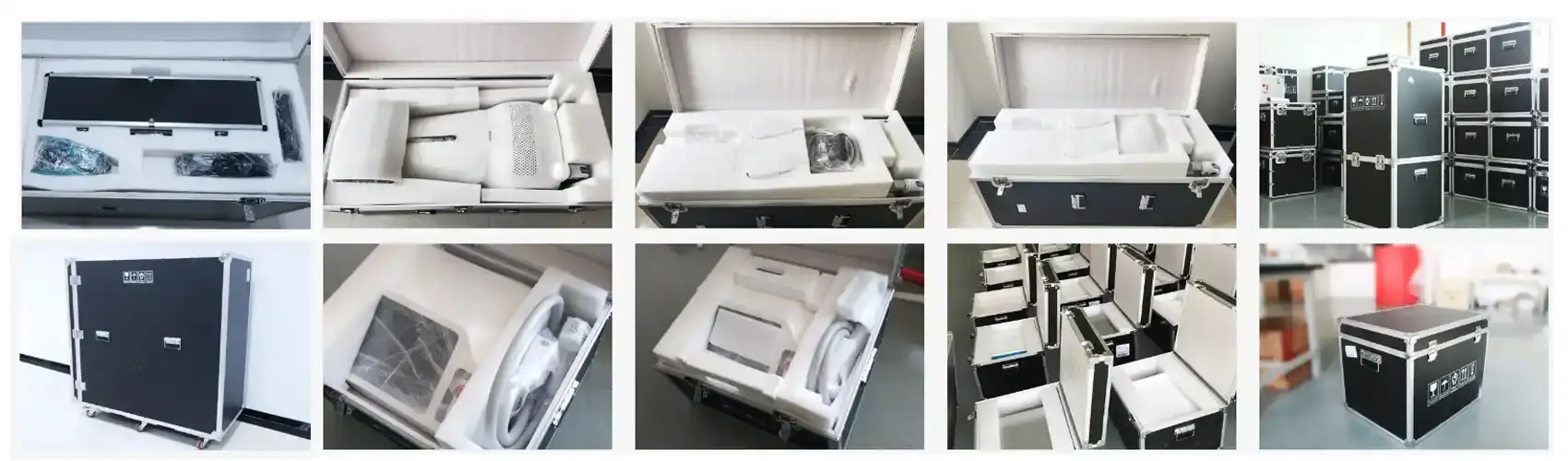
OEM/ODM partnerships require thorough vetting of manufacturing capabilities and quality control processes. ISO 13485 certification demonstrates medical device manufacturing competency, while ISO 9001 validates overall quality management systems. These certifications provide assurance that production processes meet international standards consistently. Manufacturing facility audits reveal production capacity, component sourcing practices, and quality control protocols. Reliable manufacturers maintain detailed documentation of component specifications, assembly procedures, and testing protocols. This transparency enables partners to verify product quality and regulatory compliance throughout the production lifecycle.
Supplier Evaluation and Partnership Assessment
Successful OEM/ODM relationships depend on supplier reliability, communication effectiveness, and long-term strategic alignment. Evaluation criteria should include manufacturing capacity, customization capabilities, minimum order quantities, and lead time consistency. Established suppliers provide references from existing partners and demonstrate track records of successful product launches. Communication infrastructure supporting international partnerships includes multilingual technical support, dedicated account management, and comprehensive documentation packages. Suppliers with experience in global markets understand regulatory requirements across different jurisdictions and can guide partners through certification processes efficiently.
Launching Your Body Sculpting Brand with OEM/ODM MMS Machines
Product Customization and Branding Strategies
Brand differentiation through product customization creates competitive advantages in crowded markets. Magnetic muscle stimulation machine manufacturers offer various customization options, including housing design modifications, user interface personalization, and treatment protocol development. These customizations enable partners to create unique product identities that align with brand positioning and target market preferences. Successful customization strategies balance aesthetic appeal with functional requirements. Custom housing designs can reflect brand colors and styling while maintaining ergonomic efficiency and regulatory compliance. Software customization allows integration of proprietary treatment protocols, branded user interfaces, and specialized reporting capabilities that enhance practitioner experience and client engagement.
Production Planning and Quality Assurance
Effective production planning coordinates customization requirements with manufacturing schedules and quality control processes. Manufacturing timelines typically require 8-12 weeks for standard configurations and 12-16 weeks for extensively customized units. Planning buffer time accommodates potential delays and ensures market launch schedules remain achievable. Quality assurance protocols throughout production include component inspection, assembly verification, and final testing procedures. Comprehensive testing validates electrical safety, electromagnetic field accuracy, and software magnetic muscle stimulation machinefunctionality. Documentation packages include test certificates, user manuals, and training materials essential for successful market introduction.
Market Entry Strategies and Launch Planning
Strategic market entry requires coordination of product availability, marketing campaigns, and practitioner training programs. Soft launch approaches allow testing market response and refining operational procedures before full-scale rollouts. This phased approach minimizes risks while building momentum through early adopter success stories. Launch support from OEM/ODM partners includes technical training programs, marketing material development, and ongoing technical assistance. Comprehensive support packages accelerate market penetration and reduce partner investment in developing internal expertise. Training programs cover device operation, treatment protocols, and business development strategies essential for commercial success.
Applications Across Professional Markets
Medical Aesthetic Clinics and Body Contouring
Professional electromagnetic muscle stimulation devices are mostly bought by medical aesthetics offices. These places use magnetic muscle stimulation machines as part of full-body contouring plans. They often combine electromagnetic treatments with other methods that work together, such as radiofrequency skin tightening and cryolipolysis fat loss. Aesthetic centers make money by increasing the number of treatments they do and finding the best prices. "Mommy Makeover" protocols help women who are worried about their bodies after giving birth, and "Athletic Enhancement" programs help exercise fans define their muscles better. Treatment costs usually run from $150 to $400 per session, and package deals encourage people to commit to more than one session.
Rehabilitation and Physical Therapy Centers
Applications in physical therapy are more focused on rehabbing and building muscles than on making people look better. These places use electromagnetic stimulation to treat muscle loss, make people stronger after an accident, and help with conditions like pelvic floor dysfunction. Specialised applicator designs let you target the muscles that are hurt while still taking into account the patient's comfort and movement needs. When choosing tools for rehabilitation settings, insurance coverage comes into play. Devices that have been clinically validated and FDA-approved for medical uses may be eligible for payment coverage. This could make treatments much more accessible and help practices make more money. To properly file an insurance claim, you need to be able to keep thorough records of your treatments and measure how well they worked.
Elite Sports Performance and Fitness Facilities
In high-performance sports facilities, electromagnetic muscle stimulation is used as part of workout plans to improve strength and power without putting stress on the joints like regular magnetic muscle stimulation machine exercise does. These apps work on specific muscle groups that are important for performing well in a certain sport. For example, sprinters can work on their quadriceps, and gymnasts can improve their core. For athletic uses, you need devices that can give you treatments of the highest strength that push the thermal limits of the equipment. Strong cooling systems and heavy-duty design can handle the heavy use that is common in sports performance settings. To add functional training to current workout plans without causing overuse injuries, careful planning of when to do it and how to do it is needed to work with regular strength training.
Conclusion
The magnetic muscle stimulation machine market presents compelling opportunities for entrepreneurs and established businesses seeking entry into the rapidly expanding body sculpting industry. OEM/ODM partnerships provide accessible pathways to market participation while minimizing development costs and regulatory complexities. Success requires careful supplier selection, strategic product positioning, and comprehensive launch planning that addresses target market needs effectively. As technology continues advancing and market acceptance grows, early movers positioning themselves strategically will capture significant market share in this lucrative and evolving industry segment.
FAQ
1. What distinguishes magnetic muscle stimulation from electrical muscle stimulation?
Magnetic muscle stimulation utilizes electromagnetic fields that penetrate 7-10 centimeters into tissue, directly targeting motor neurons to force complete muscle recruitment. Electrical muscle stimulation operates at surface levels through skin contact, limiting penetration depth and muscle activation intensity. Electromagnetic technology achieves supramaximal contractions impossible through voluntary exercise or electrical stimulation.
2. How long does OEM/ODM manufacturing typically require?
Standard electromagnetic muscle stimulation devices require 8-12 weeks of production time, while customized units need 12-16 weeks, depending on modification complexity. Manufacturing schedules include component sourcing, assembly, quality testing, and documentation preparation. Planning additional buffer time accommodates potential delays and ensures reliable delivery schedules.
3. What regulatory certifications are essential for international markets?
CE certification enables European market access, FDA clearance permits United States distribution, and Health Canada approval covers Canadian markets. Additional certifications may be required for specific regions, like TGA approval for Australia. Manufacturers should provide comprehensive regulatory documentation supporting certification claims and ongoing compliance requirements.
4. What minimum order quantities do OEM/ODM suppliers typically require?
Minimum order quantities vary significantly among suppliers, ranging from 5-10 units for established manufacturers to 50+ units for highly customized products. Volume requirements depend on customization complexity, manufacturing setup costs, and supplier business models. Negotiating flexible MOQ terms often requires long-term partnership commitments and guaranteed purchase volumes.
Partner with TB for Your Electromagnetic Muscle Stimulation Success
TB stands ready to transform your body sculpting business vision into reality through our comprehensive OEM/ODM magnetic muscle stimulation machine solutions. Our experienced engineering team delivers cutting-edge electromagnetic technology backed by rigorous quality standards and international certifications. We specialize in customized manufacturing that reflects your brand identity while maintaining the performance excellence that drives client satisfaction and business growth. Whether you need standard configurations or completely customized systems, our flexible production capabilities accommodate projects from startup ventures to large-scale distribution networks. Contact susan@taibobeauty.com today to discuss your magnetic muscle stimulation machine supplier requirements and discover how our partnership approach accelerates your market entry timeline while ensuring product quality and regulatory compliance across global markets.
References
1. Anderson, M.J., et al. "Electromagnetic Field Applications in Body Contouring: Clinical Efficacy and Safety Protocols." Journal of Aesthetic Medicine and Technology, Vol. 45, No. 3, 2024.
2. Chen, L.K., and Rodriguez, P.A. "Market Analysis of Non-Invasive Body Sculpting Technologies: Growth Projections Through 2026." International Business Review of Medical Devices, Vol. 28, No. 2, 2024.
3. MThompson, R.S., et al. "OEM/ODM Partnership Strategies in Medical Device Manufacturing: Best Practices for Market Entry." Manufacturing Excellence Quarterly, Vol. 12, No. 4, 2024.
4. Williams, K.D., and Zhang, H.W. "Regulatory Compliance Standards for Electromagnetic Muscle Stimulation Devices: International Perspectives." Global Medical Device Regulations Journal, Vol. 19, No. 1, 2024.
5. Martinez, C.A., et al. "Clinical Applications of High-Intensity Electromagnetic Fields in Muscle Rehabilitation and Enhancement." Physical Therapy Research International, Vol. 33, No. 6, 2024.
6. Johnson, E.B., and Lee, S.Y. "Quality Assurance Protocols in Medical Device OEM Manufacturing: Risk Management and Compliance Strategies." Quality Engineering in Healthcare Technology, Vol. 41, No. 5, 2024.





YOU MAY LIKE