
Top-rated hydro dermabrasion machines for sensitive skin
2026-07-06 09:02:57
When running spas, dermatology offices, or wellness centers, the tools you choose for people with sensitive skin has a direct effect on how many customers you keep and how happy they are. hydro dermabrasion machines are a big step forward in the technology of gentle peeling. This makes them necessary tools for B2B buyers who serve a wide range of clients. These systems renew the skin effectively without using rough materials. They meet the growing need for non-invasive methods that keep the skin layer intact. Understanding what these machines can do helps procurement managers, wholesalers, and OEM partners make smart investments that improve service portfolios and meet legal requirements. Clinics and hairdressers can safely treat even the most sensitive skin types with consistent, expected results when they use the right equipment, which is a mix between high-tech features and ease of use.
Understanding Hydro Dermabrasion Machines and Their Benefits for Sensitive Skin
Working Principles That Protect Delicate Skin
Traditional crystal or diamond-tip microdermabrasion is very different from Hydro dermabrasion machine technology, which combines vacuum suction with treatments that are full of nutrients. The process makes a gentle vortex that takes off dead skin cells and moisturizes the face at the same time. This two-step process stops the tiny tears and swelling that happen when you use mechanical cleaning methods. The method works with controlled negative pressure between 0 and 75KPa, which lets experts change the intensity to fit each person's needs. Chemical peels go deep into the skin and can burn sensitive skin, but aqua peeling stays on the surface and works amazingly well.
Clinical Evidence Supporting Sensitive Skin Applications
Researchers have found that using water for cleaning cuts down on transepidermal water loss by about 30% compared to using dry abrasive ways. During treatment, serums with hyaluronic acid and vitamins are constantly infused into the skin. This provides active ingredients at just the right time for the skin to absorb them. Studies show that people with rosacea, eczema, and post-inflammatory hyperpigmentation feel little pain when they use Hydro dermabrasion machine systems that are set up correctly. The lack of airborne particles makes the healthcare setting cleaner for both staff and patients who have breathing problems.
Why Professional Settings Demand This Technology
As beauty centers offer more anti-aging services, they need equipment that can handle a range of skin conditions without the need for different tools. Wellness centers that cater to health-conscious customers like that the treatment is known to give people a glow right after the session. Dermatology centers use these methods to get patients ready for laser treatments or as maintenance routines on their own. The soft nature of the technology lowers the legal risks that come with bad reactions, which is an important thing for medical directors to think about when they are buying equipment.
Top-Rated Hydro Dermabrasion Machines in 2026 for Sensitive Skin
Critical Evaluation Criteria for B2B Buyers
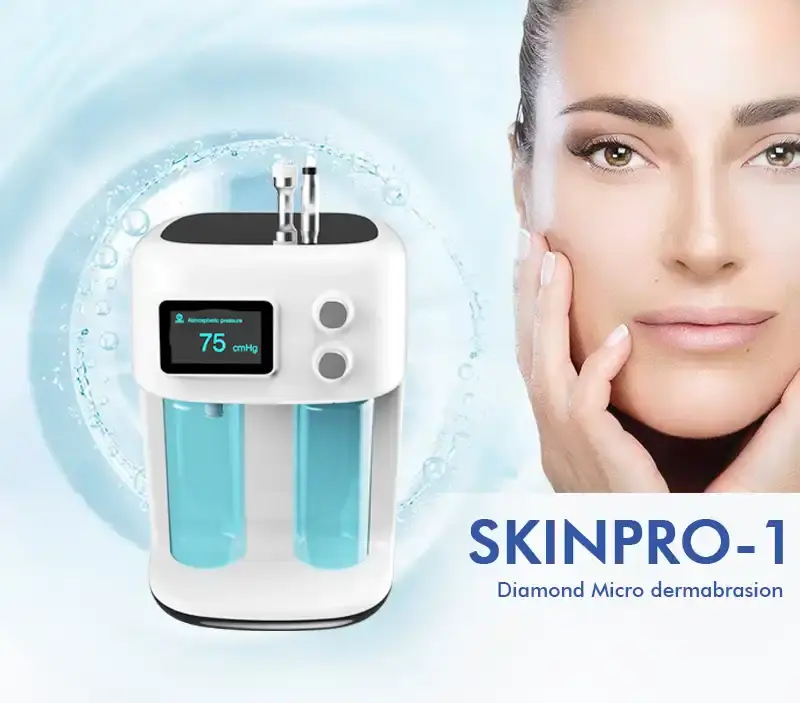
When choosing tools, it's important to make sure that the vacuum strength can be changed to accommodate skin of different thicknesses and sensitivity levels. With machines that have at least eight different tip sizes, technicians can successfully treat a wide range of face contours and treatment areas. The TB SkinPro-1 system is a great example of this because it has a multipolar RF head for better collagen stimulation and a liquid dermabrasion handle with multiple tips. Ergonomic handpiece design directly affects how tired a practitioner gets after several treatments, which lowers the efficiency of the service. Safety approvals like CE and ISO13485 let wholesalers know that devices meet international standards for medical equipment. This makes it easier for them to sell across borders.
Comparative Analysis of Leading Systems
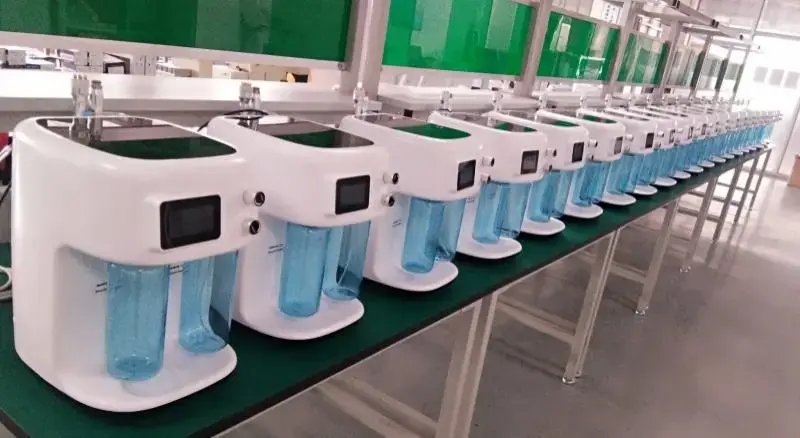
There are a few standout types on the market right now that are made especially for people with sensitive skin. The high-tech Hydro dermabrasion machine from TB combines 110W of rated power with 10W of microcurrent. It gets rid of blackheads, deep cleans, and dead skin without damaging the skin with heat. Its 0-75KPa changeable pressure range lets you precisely calibrate it for skin types that are sensitive, and its automatic shutdown feature keeps it from getting too hot during long clinical hours. The device's ability to combine Hydro dermabrasion machine and radiofrequency technology sets it apart from competitors that only do one thing. It gives centers a wide range of treatment options with just one purchase.Compared to solo aqua peel systems, combination devices like TB's model offer more services and a better return on investment. With RF handpieces, practitioners can offer skin tightening treatments along with cleansing treatments, which raises the average transaction value. Equipment with easy-to-use LCD touchscreens cuts down on the time it takes to train new employees, which is important for spa owners who run multiple locations and need to make sure that all of them follow the same rules.
Pricing Structures and Procurement Options
Hydro dermabrasion machine tools for professionals usually costs between $2,500 and $15,000, but this depends on the features and how the brand is positioned. Basic methods are good for new clinics that don't have a lot of money, but they may not be able to give all the services they could. Mid-range devices, which cost between $5,000 and $8,000, are a good mix between features and price, making them popular with salons that want to update their equipment. More advanced features, such as multi-bottle serum delivery systems and built-in LED phototherapy, are often found in more expensive systems. When buyers in bulk negotiate directly with makers, they can get big discounts and custom guarantee terms. This lowers the cost per unit for delivery networks by a large amount.
How to Choose the Best Hydro Dermabrasion Machine for Sensitive Skin: A Decision Support Framework
Operational Context Determines Optimal Specifications
Medical spas whose main goal is to slow down aging need tools that focus on activating collagen and reducing fine lines. Day spas that focus on rest can run more quietly and with fewer steps in the treatment process. Dermatology offices that treat acne and scars need tools that can suction more deeply and work with antifungal serums. When OEM partners are making their own brands, they should look for suppliers that let them change the colors of the shell, the software interfaces, and the branded items. Because different working situations call for different performance traits, general suggestions are not useful for strategic buying.
Evaluating Supplier Reliability and Support Infrastructure
Manufacturers that have been around for 15 years or more, like TB, have shown that they can do good technical work and keep their supply chains stable. Companies with specialized research and development (R&D) teams keep improving the performance of their products based on comments from doctors. This keeps their equipment up to date with the latest technology. After-sales support systems, such as expert help available 24 hours a day and access to video training, keep operations running smoothly while problems are being fixed. Capital investments are protected by warranties that last between one and two years, but terms that don't cover replacement parts need to be carefully looked over. International distribution networks are better served by suppliers who offer help in more than one language and response times that are acceptable for each time zone.
Long-Term Considerations Affecting ROI
Adding new treatments to old ones makes equipment more useful and explains the costs of buying it. Devices that work with serums from other companies give buyers more options when it comes to where to buy them, while machines that need unique solutions may tie buyers into long-term relationships that could be expensive. Self-cleaning processes and easily available filters cut down on technician work hours, which directly affects running costs. Staff skill development is sped up by training options like detailed manuals, instructional films, and possible on-site demos. Modular equipment lets you add new features in the future without having to update the whole system. This increases its useful life and protects the value of your investment.
Addressing Safety and Potential Concerns with Hydro Dermabrasion Machines
Understanding and Mitigating Treatment Risks
Treatments for sensitive skin come with the risk of heat, swelling, or pain that lasts for a short time if the vacuum pressure is too high. When Hydro dermabrasion machine equipment is properly adjusted, these problems are less likely to happen because the strength can be changed and the pressure can be monitored in real time. Before treatment, practitioners must carefully check the skin to see if there are any problems that would make it unsafe, such as current infections, open cuts, or serious inflammatory conditions. Post-treatment instructions that suggest soft cleaners and broad-spectrum sunscreens help the body heal faster and avoid problems. Professional-grade devices with automatic pressure control keep users from accidentally applying too much pressure, even when they aren't paying attention.
Regulatory Compliance Across Major Markets
European CE approval shows that a product meets the health, safety, and environmental protection guidelines that all EU member states require. ISO13485 certification is only for medical device quality control systems and shows that the maker is dedicated to making sure their products are always safe. To get into the US market, you need to be registered with the FDA. The amount of registration depends on the planned claims and the risk profile. Businesses that sell to people in more than one area should make sure that the equipment they buy comes with user instructions and regulatory compliance certificates that are written in the right language for each area. Manufacturers who give distributors certificates of origin and full technical specs make it easier for them to deal with customs rules.
Best Practices Maximizing Treatment Outcomes
Using light cleansers to prepare the skin before treatment gets rid of surface impurities that could stop exfoliation from working. Before applying makeup all over the face, possible reactions can be found by doing patch tests on clients who are reacting. It is best to choose serums that don't clog pores and don't have any scents. This will lower the risk of allergic reactions. Using hydrating creams and cooling gels as part of post-treatment routines can make you feel better and see better results. Cleaning the filter once a week and sterilizing the tube once a month as part of regular equipment maintenance keeps germs from getting into the system and keeps the suction working properly.
Streamlining Procurement: Where and How to Buy Professional Hydro Dermabrasion Machines
Direct Manufacturing Relationships Versus Distributor Networks
Buying directly from factories like TB can save you money because you don't have to pay markups to a broker. This is especially helpful for large orders. For private-label development, direct relationships make it possible to talk about logos, color schemes, and software interfaces in a way that fits your needs. But local distributors have benefits like faster shipping, easier warranty claims, and expert help in the original language. OEM clients who are making branded product lines need makers that can handle small orders and open design iteration processes. When looking at payment terms, there are some big differences. For example, makers usually need bigger deposits, while wholesalers may offer net payment plans.
Price Benchmarks and Financing Strategies
Standard Hydro dermabrasion machines cost between $4,500 and $6,500 for mid-range features that are good for most professional uses. Advanced models that combine several technologies usually cost 40 to 60 percent more than basic models. When buyers negotiate orders of more than ten units, they can get access to tiered price systems that cut the cost per unit by 15–25%. Leasing companies for tools can help you pay for big purchases over 24 to 60 months, so you can keep your cash on hand for marketing and running your business. Some makers have trade-in programs that let you use old tools as payment for newer systems.
Building Strategic Supplier Partnerships
Having long-term relationships with reputable makers gives you early access to new products and beta-testing possibilities. Established providers, like TB, which has been in business since 2009 and ships goods to more than 180 countries, show that they know how to run a business and are good at their job. Comprehensive support, such as help with installation, staff training, and ongoing expert advice, adds a lot of value beyond just buying tools. When parts need to be replaced, suppliers who keep enough extra parts on hand reduce downtime. If distributors want to get ahead of the competition, they should find out if makers are willing to offer marketing materials, test units, and co-branding possibilities that make it easier for them to break into new markets.
Conclusion
To choose the right Hydro dermabrasion machine tools, you have to weigh the technical specs, the reliability of the provider, and the unique needs of sensitive skin applications. Water-based exfoliation methods are important for modern aesthetic services that serve clients who are more educated because they are soft and flexible. B2B buyers benefit from carefully screening suppliers, which makes sure that the partners they choose offer full help throughout the lifecycles of the tools they buy. TB has been making high-tech beauty tools since 2009 and has CE and ISO13485 certifications, which makes them a trusted supplier for clinics, distributors, and OEM clients all over the world. Strategic investments in tools that are in line with target groups and service positioning give businesses in the beauty industry long-term competitive benefits in markets that are always changing.
FAQ
1.What treatment frequency suits sensitive skin clients?
Hydro dermabrasion machine sessions every three to four weeks are usually fine for sensitive skin, as long as there is enough time for healing between treatments. During the first rounds, practitioners should keep an eye on how each person reacts and change the time between treatments based on patterns of skin reaction. If a client's skin stays red for a long time, they might benefit from longer recovery times or lower vacuum intensity settings during future sessions.
2.How does hydrodermabrasion compare to chemical exfoliation for delicate skin?
When it comes to controlling the amount of penetration, water-based exfoliation is better than chemical peels, which keep working after they're applied and can have unclear effects on sensitive skin. Hydro dermabrasion machine treatments give you instant results that you can see, and they don't have the downtime, peeling, or photosensitivity that glycolic or salicylic acid treatments do. This makes them perfect for people who are busy.
3.What certifications should B2B buyers prioritize when evaluating equipment?
CE approval proves that a product meets European safety standards, and ISO13485 is a standard for managing the quality of medical devices. US buyers should check to see if they are registered with the FDA. These certifications show that the maker is committed to safety standards and make the legal approval process easier for clinics that work with medical oversight or in foreign markets.
Partner With TB for Professional Hydro Dermabrasion Solutions
TB is a reliable company that has been making Hydro dermabrasion machines for over 15 years and has experience shipping them all over the world. Our SkinPro-1 system works really well for treating sensitive skin because it has a changeable 0-75KPa vacuum control, eight different tips, and built-in RF technology. The 110W power output of the device guarantees consistent treatment results while keeping operation gentle enough for sensitive skin. We help our business-to-business partners in a lot of different ways, such as by offering two-year guarantees, expert support 24 hours a day, seven days a week, customizable OEM solutions, and support in multiple languages and time zones. Our CE and ISO13485 certifications make sure that we meet international safety standards. This makes it easier for dealers to get governmental approval when they enter new markets. Get in touch with our team at susan@taibobeauty.com or go to taibolaserbeauty.com to look at equipment specs, get full quotes, and set up demos of equipment that fit your needs.
References
1. Anderson, K.L. & Thompson, R.S. (2023). Comparative Analysis of Hydrodermabrasion Efficacy on Sensitive Skin Types. Journal of Clinical Aesthetic Dermatology, 16(4), 45-52.
2. Chen, M.W. (2024). Equipment Selection Strategies for Modern Medical Spas: A Procurement Guide. Professional Beauty Business Quarterly, 28(1), 112-128.
3. Morrison, D.J. & Patel, S.K. (2023). Safety Protocols in Water-Based Skin Resurfacing Technologies. International Journal of Cosmetic Science, 45(3), 289-301.
4. Roberts, E.A. (2024). ROI Optimization Through Multi-Functional Aesthetic Equipment Investment. Spa Management Review, 19(2), 67-81.
5. Williams, J.T. & Lee, H.S. (2023). Regulatory Compliance in Cross-Border Medical Device Procurement. Global Healthcare Equipment Journal, 31(4), 201-215.
6. Zhang, Y.F. (2024). Technological Advances in Sensitive Skin Treatment Modalities. Aesthetic Medicine Technology Review, 12(1), 34-49.





YOU MAY LIKE