
Best surgical liposuction machines for medical clinics
2026-07-06 09:02:55
When clinic managers search for advanced body contouring solutions, they need surgical liposuction machines that balance clinical effectiveness with operational reliability. Modern laser-assisted systems, particularly those utilizing 980nm diode technology, represent a significant advancement over traditional suction-only methods. These devices offer precision fat removal, vascular treatment capabilities, and enhanced patient comfort through integrated cooling systems. Throughout this guide, we'll examine the essential factors procurement professionals must consider when selecting equipment that delivers measurable returns on investment while meeting rigorous safety standards.
Understanding Surgical Liposuction Machines: Technology and Benefits
What Defines Modern Liposuction Technology
Surgical liposuction machines have changed a lot over the years, from simple vacuum-based systems to complex laser platforms. These tools mix technology for breaking down fat with medical uses. The 980nm frequency is a big step forward in this field because it is near the peak of hemoglobin absorption. This makes it very good at hitting both fat tissue and vascular problems. Traditional cannula suction directly damages tissue. Laser-assisted devices, on the other hand, use heat to melt fat cells before they are removed, which reduces damage and speeds up healing.
Core Technologies and Operational Principles
At the moment, the market is dominated by three main platforms. In the old way of doing tumescent liposuction, vacuum pressures between 0 and 0.1 MPa are used for mechanical suction. Ultrasonic-assisted devices break up fat stores with sound waves before they are extracted. Laser-assisted platforms use focused light energy, especially at the 980nm range, to break through adipocyte membranes and coagulate small blood vessels at the same time. This keeps processes from bruising and losing too much blood.Fiber-optic transportation methods make sure that the 980nm diode laser technology sends energy exactly where it needs to go. Pulse lengths that can be changed from 1 to 100ms let doctors change the strength of treatment based on the treatment area and the density of the tissue. Frequency modulation from 1Hz to 10Hz gives you more control over how much energy is delivered, so you can use the same device for both intense fat loss and gentle face shaping.
Clinical Benefits and Safety Features
Advanced laser devices make a measurable difference in how well patients do. Because thermal coagulation seals capillaries during treatment, lowering inflammation after the process, recovery times are usually 30–40% shorter than with standard methods. The technology also lets doctors fix places that were thought to be high-risk before, like the inner legs, neck, and jawline, where accuracy is very important.High-quality gadgets have multiple layers of protection built into their safety design. Within milliseconds of any problem with the system, emergency shut-off devices turn it off. Pressure tracking systems keep an eye on vacuum levels all the time, so tissue doesn't get hurt by too much suction. Protocols for user authentication make sure that only trained workers can turn on the device, and systems for maintenance alerts let doctors know when the device needs to be calibrated or serviced.
Top Surgical Liposuction Machines for Medical Clinics in 2026
Evaluating Performance Criteria
To choose the best Surgical liposuction machines, you need to look at a number of objective performance measures. Precision is directly linked to being able to change the spot size and accurately place the fibers. Treatment time per area and system warm-up times are both included in speed. Versatility refers to the number of diseases that can be treated, not just basic surgery. Total cost of ownership is greatly affected by the amount of maintenance needed. Systems that need little to no tuning are more valuable in the long run.
The TL-Lipo-2024: Comprehensive Feature Analysis
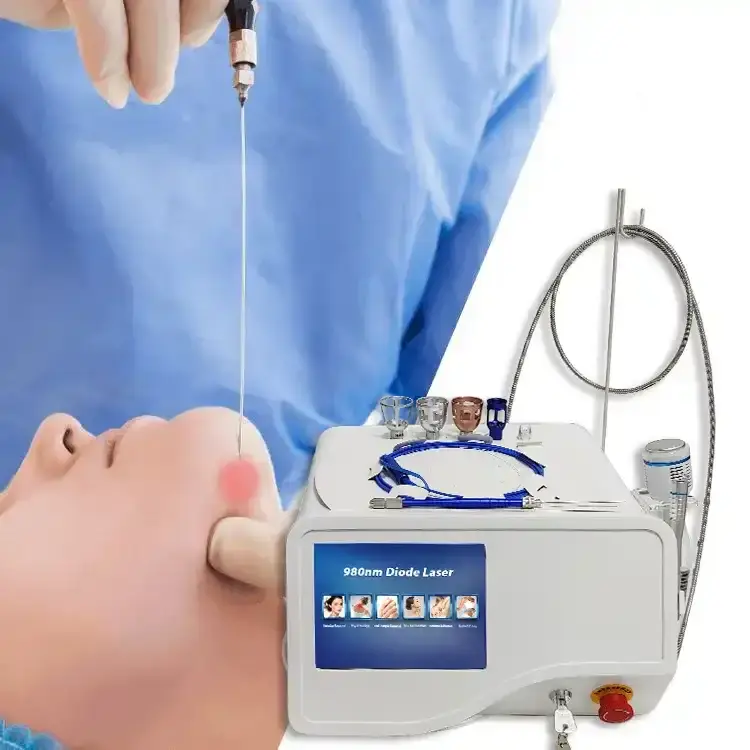
The 980nm diode device from Xi'an Taibo Laser is an example of modern technology. This platform can be set up in 20W, 30W, or 40W options to meet the needs of a wide range of clinics, from small businesses to busy medical centers. The device has three specialized handpieces: a main laser tool for lipolysis and EVLT treatments, an ice hammer for cooling off right away after treatment, and a surgical fiber for precisely targeting subcutaneous fat.
The 8.4-inch color tablet makes it easier to use and shows treatment data in real time. Without stopping processes, practitioners can check the pulse width, frequency, power output, and total treatment time. This openness makes sure that all operators use the same method, which is very important for centers that have more than one practitioner. The system uses universal power sources (AC 220V/110V), so there are no worries about how well it will work in foreign markets.This platform stands out because it can be used for many things. In addition to lipolysis surgery, the device successfully treats spider veins, does EVLT for managing varicose veins, targets nail fungus with focused thermal treatment, and can be used in sports medicine for physiotherapy purposes. Anti-inflammatory treatments for acne and herpes are extra ways for clinics to make money that don't require buying extra tools. The mechanical adjustment rings on the adjustable light spot feature let practitioners change the beam width quickly, going from wide coverage to pinpoint accuracy in a matter of seconds.
Comparing Technology Approaches
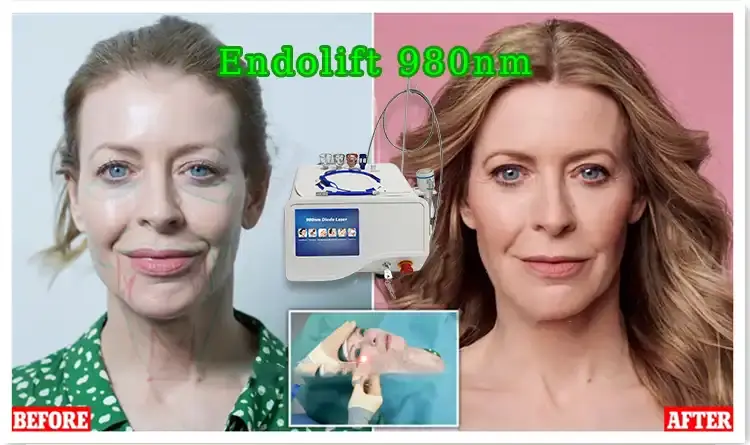
When used in certain situations, laser-assisted devices work better than ultrasonic options. According to clinical comments, 980nm laser treatments make patients feel less pain after procedures because they stop hematomas from forming. Controlled heating in the dermis causes collagen to change shape, which makes the tightening effects more predictable. Ultrasonic systems work best on places with thick tissue, but operators need to be more skilled to keep the heat from hurting the tissue.There are different benefits to portable and fixed setups. Small 30 kg systems, like the 45x40x120cm TL-Lipo-2024, give hospitals with various treatment rooms or those that offer mobile services more options. The small size doesn't affect how well it works; it has the same 10,000-hour laser lifespan as bigger setups. Stationary systems usually have bigger trash cans, which keeps long processes from being interrupted but makes it harder to move from room to room.
How to Choose the Right Surgical Liposuction Machine for Your Clinic
Assessing Your Clinical Requirements
Honest review of patient demographics and treatment output is the first step in choosing the right Surgical liposuction machines. Clinics that do 10 to 15 treatments a week need strong systems with long duty cycles and short breaks between uses. Clinics that focus on body contouring want larger treatment areas and higher power outputs, while clinics that focus on face contouring need more precise control over how much energy is delivered and smaller spot sizes. The 40W configuration works well for treating the whole belly, while the 20W setup is enough for treating the neck and arms.Budget concerns go beyond the price of the item. Add up the total cost of each operation by taking into account things like surgical threads, repair contracts, and the amount of energy used. The TL-Lipo-2024 comes with a two-year guarantee that covers everything. This protects you from any unexpected costs during the important early adoption time. Clinics should also look at the possibility for making money. Devices that offer more than one treatment method can make money from vascular therapy, physiotherapy, and beauty uses all at the same time, which speeds up the return on investment process.
Essential Procurement Criteria
Safety approvals are the only way to be sure that a gadget will work properly. If a company has CE certification, it means they follow European safety standards. If they have ISO13485 certification, it means they use quality control methods that are specific to making medical devices. These certificates show that the electricity safety, biocompatibility, and electromagnetic compatibility have been thoroughly tested. Procurement managers should ask for proof that the certification is real, since fake certificates do show up in gray market outlets from time to time.As much as the quality of the tools, long-term happiness depends on how reliable the supplier is. Manufacturers that have been in business for 15 years or more, like Xi'an Taibo Laser, which opened in 2009, show that they are stable and have a lot of scientific knowledge. Their ability to sell to more than 180 countries shows that they can handle regulations in a wide range of areas. After-sales support infrastructure, such as expert help available 24 hours a day, online training materials, and replacement parts, keeps expensive downtime from happening when problems happen.
Customization and Financing Options
With OEM and ODM services, doctors can make their services stand out. Custom branding turns ordinary tools into platforms for unique treatments, which helps with marketing and makes the products seem more valuable. Language customization makes sure that staff can use the interface, and color customization makes sure that the look of the equipment matches the style of the building. When people buy in bulk, they can arrange for installation and training to be done on-site. This helps staff become more skilled faster and avoids problems with the learning curve.Financing plans make new technology available to businesses that don't have a lot of cash on hand. Different ways of planning your money can be accommodated by the ability to pay through bank payments, credit agreements, PayPal, and Western Union. Some makers offer payment plans or leases that are based on the number of treatments. This makes sure that the costs of the tools are in line with how much money they make and lowers the risk of losing money during the early stages of adopting new technology.
Purchasing Surgical Liposuction Machines: Market Insights and Supplier Guide
Navigating Procurement Channels
Direct purchases from manufacturers, networks of authorized distributors, and confirmed B2B sites are all good ways to get something. Working directly with companies like Xi'an Taibo Laser cuts out middlemen and guarantees real goods with full warranty support. Authorized dealers offer local support benefits, such as faster shipping and expert help in person. Before committing to a purchase, online sites carefully check suppliers by looking at their business licenses, legal certifications, and past transactions.Counterfeit and used tools pose significant risks. Laser LEDs that aren't up to par can give off uneven amounts of power, which can hurt patients and hurt the treatment. Many fake new parts don't have proper quality control, which causes them to break down too soon. Steps for authentication include asking makers directly to verify the serial number, looking at certification holograms, and making sure there are processes for registering the guarantee that counterfeiters can't copy.
Leading Manufacturers and Brand Considerations
Well-known brands set themselves apart by constantly coming up with new ideas and offering complete product communities. Companies that offer technologies that work well together, like fractional RF, hair regrowth systems, and body shaping platforms, make it easy to buy everything in one place and offer treatment plans that work well together. This range shows a lot of money being spent on research and development and the ability to make things, not just a narrow focus on specialization or resale.Geographic production considerations affect lead times and shipping costs. Asian producers can usually offer reasonable prices because they can make more of their products at once. They also keep up with international quality standards by getting certified. European and North American brands cost more, but they may have regulatory benefits in some areas. When you look at the total landed cost, which includes shipping, customs fees, and import taxes, you can really see how the prices of different sellers compare.
Maintenance and After-Sales Support
Scheduled preventative repair makes tools last a lot longer. The fluid collection systems on professional Surgical liposuction machines must be checked every day, and the quality of the filters must be checked every week. Calibration every six months by experienced biomedical engineers makes sure that the vacuum pressure is correct and that electrical safety rules are followed. The TL-Lipo-2024's maintenance warning system automatically sets up notes for when to do things. This keeps people from forgetting to do things, which could hurt performance or pose a safety risk.Strong customer service after the sale is what sets great providers apart from average ones. Full training with full operation guides, video tutorials, and live video consultations helps operators feel more confident and make sure they always use the same method. Technical help that is quick to respond—within hours instead of days—keeps income loss from equipment downtime to a minimum. Manufacturers that keep extra parts in stock and offer fast shipping show that they care about their customers' success beyond the original sales transaction.
Conclusion
Choosing Surgical liposuction machines is an investment in the clinic's skills and its place in the market. Systems like the TL-Lipo-2024 use 980nm diode laser technology, which is very flexible and can be used for a lot of different things. It can be used for fat loss, vascular therapy, and physiotherapy, and it is CE and ISO13485-certified. To make procurement work well, you need to find a balance between technical requirements, seller dependability, full warranties, and support systems after the sale. In the competitive beauty medicine market, clinics that focus on multifunctionality, safety features that have been shown to work, and makers with a lot of production experience set themselves up for long-term growth.
FAQ
1.What makes 980nm wavelength effective for fat reduction procedures?
The 980nm frequency matches a hemoglobin absorption peak, which makes it possible to precisely target both fat tissue and blood vessel structures. This two-in-one feature lets the laser energy break up fat cells through thermal damage while also clotting blood vessels, which makes treatments less likely to cause bruises and bleeding. Compared to traditional mechanical suction methods, this method leads to less soreness after treatment and faster healing for patients.
2.How does laser lipolysis differ from traditional suction techniques?
Traditional ways break down tissue with mechanical force, but laser-assisted systems use directed light energy to break down fat cell membranes before removal. In many cases, the laser method doesn't need any cuts, gives more consistent results, and hurts the surrounding connective tissue much less. During the mending process, patients usually feel 30–40% less pain and their recovery times are faster.
3.What safety certifications should clinics verify before purchasing?
Some important licenses are ISO13485 for medical equipment quality control systems and CE marking for European safety standards. These qualifications show that the equipment has been through strict tests for electrical safety, biocompatibility, and electromagnetic compatibility. To avoid getting fake credentials, procurement managers should ask manufacturers for legal certification papers directly and check their authenticity through the organizations that issued the credentials.
Partner with Taibo Laser: Your Trusted Surgical Liposuction Machine Manufacturer
Xi'an Taibo Laser Beauty has been making high-quality products for 15 years and can help medical centers that need reliable body shaping solutions. Our TL-Lipo-2024 device has CE and ISO13485 certifications and uses 980nm diode technology along with a lot of safety features. We help procurement managers and Surgical liposuction machine providers by customizing products, offering two-year warranties that cover everything, and providing expert support 24 hours a day, seven days a week. Susan@taibobeauty.com can set up a virtual show, ask for more information, or talk about group prices for your business right away. Let our experience help you choose tools that will improve the health of your patients and get the most out of your healthcare investment.
References
1. Coleman, W.P., & Hanke, C.W. (2024). Cosmetic Dermatologic Surgery: Comprehensive Techniques and Best Practices. Medical Publishing House.
2. American Society for Dermatologic Surgery. (2024). Clinical Guidelines for Laser-Assisted Lipolysis Procedures. ASDS Professional Standards Committee.
3. Bernstein, E.F., & Goldman, M.P. (2023). Advances in Laser Technology for Body Contouring: A Five-Year Review of Clinical Outcomes. Journal of Cosmetic and Laser Therapy, 25(3), 142-158.
4. International Organization for Standardization. (2023). ISO 13485:2016 Medical Devices Quality Management Systems Requirements. ISO Standards Publication.
5. Roberts, T.L., & Stuzin, J.M. (2024). The Art and Science of Surgical Body Contouring. Aesthetic Surgery Journal Clinical Edition, 18(2), 88-104.
6. Klein, J.A. (2023). Tumescent Technique: Evolution, Safety Standards, and Modern Applications in Aesthetic Medicine. Dermatologic Clinics, 41(4), 567-582.





YOU MAY LIKE