
The Ultimate Guide To Portable Muscle Stimulator Machine
2026-07-29 09:57:03
If you're a beauty salon owner, spa operator, or clinic manager looking to expand your treatment offerings, understanding portable muscle stimulator machines can transform your business. These compact electrotherapy devices deliver advanced muscle stimulation and body contouring treatments that clients increasingly demand. This comprehensive guide walks you through everything procurement specialists and wellness professionals need to know about selecting, implementing, and maximizing the value of EMS technology in commercial settings.
Understanding Portable Muscle Stimulator Machines: Technology and Benefits
How EMS Technology Works?
A portable muscle stimulator machine uses High Intensity Focused Electromagnetic technology to send electrical impulses to muscles that make them contract at levels above what can be achieved through voluntary exercise. When you use regular gym equipment, your muscle fibres relax between contractions. But these devices send out high-frequency impulses that stop the relaxation phases. This continuous contact changes muscles more deeply while also increasing the release of adrenaline, which breaks down fat cells nearby.
The technology is very different from simple TENS units that are mostly used to treat pain. Professional EMS systems make muscles tighten, which strengthens and defines tissues. TENS devices, on the other hand, stop pain signals by stimulating nerves. Modern units have pulse frequencies that can be changed from 5 to 200 Hz. This means that practitioners can tailor treatments to meet the needs of each client, whether they want to tone muscles, help with recovery, or shape the body for aesthetic reasons.
Clinical and Commercial Benefits
When beauty professionals use these devices, they report big improvements in customer satisfaction and more money coming in. A 30-minute practice is the same as about 30,000 muscle movements, which is too intense for normal exercise. Clinical findings show that clients gain 16% more muscle and lose 21% more fat after two to four treatment classes. These noticeable results lead to repeat bookings and referrals.
These tools do more than just make things look nice; they also solve real business problems. Because it's non-invasive, there is no downtime for healing, so clients can plan treatments during lunch breaks. Compared to surgical options, treatments require less training for staff, and the equipment footprint is small enough that it can be used in places with limited space. Spas and wellness centers can offer a wider range of services without having to make major changes to their buildings. This can help them make more money from their current customers and bring in fitness-minded people who weren't in their target market before.
Key Considerations When Choosing a Portable Muscle Stimulator Machine
Technical Specifications That Matter
When considering EMS equipment providers, procurement teams should look at a number of important factors. The intensity of the output determines how well the treatment works. Professional-grade units should have enough power to work large groups of skeletal muscles. The Taibo EMS system has a total power output of 5500w and 8 Teslas of high strength. This makes sure that the effects are the same for all body types and treatment areas.
The shape of the applicator has a big effect on how versatile the treatment is. Systems with four different handles let you fix multiple areas at once or work with two clients at the same time, which makes appointments more efficient. Look for devices that work on a lot of different parts of your body, like your arms, thighs, hips, hamstrings, and abdomen. Pulse frequency range flexibility (5–200 Hz on advanced models) lets doctors change treatments for protocols that build muscle versus those that help the body recover.
Professional portable muscle stimulator machines differ from consumer-grade options in reliability. Commercial units require specialized cooling systems for extended operation without overheating. Well-built devices around 50 kg feature durable components designed for high-volume clinic use, unlike lightweight home models that may fail under business demands. This robust construction ensures consistent performance, reduces downtime, and protects your investment in professional aesthetic services.
Cost-Efficiency and Support Infrastructure
The total cost of ownership is part of smart buying, not just the initial purchase price. Check the guarantee terms. Reliable companies like Xi'an Taibo Laser Beauty Company offer two-year warranties that cover part replacements for breakdowns that aren't caused by people. This safety is necessary because of the money that needs to be spent and the reliance on income once treatments become regular services.
The standard of after-sales help has a direct effect on the continuity of operations. Manufacturers who offer technical support 24 hours a day, video training, and remote troubleshooting keep their customers happy and keep their profits high. Customisation services for languages and operating instructions written in the original language of your staff cut down on training time and mistakes made by operators. When looking at possible suppliers, get examples from current clients of similar businesses to make sure the help is as responsive as they say it is.
Buyers in large quantities should talk to OEMs about customisation options. Branded devices with custom colours and logos can be made by well-known makers. This will improve the professional image of your business and build brand value. ODM services let you change interface designs or treatment plans so that they fit the needs of your specific clients and help you market your service.
Practical User Guide: How to Use Portable Muscle Stimulator Machines Effectively?
Setup and Safety Protocols
Knowing the contraindications is the first step to using a device correctly. Do not use EMS technology on people who have defibrillators or heart pacemakers installed, or on women who are pregnant. Do not treat areas that have active cancer, serious infections, or metal implants right on top of them. Before starting treatment, clients are carefully screened, and their health histories are written down to avoid liability issues.
Place clients comfortably on treatment beds so that the muscle groups you want to work can be reached. To get rid of oils and lotions that get in the way of electrode contact, clean your skin very well. Modern systems don't use sticky pads but instead use application handles, which makes setting easier and gets rid of the cost of replacing electrodes that are used up. Firmly press the handles against the treatment areas, making sure they touch the skin all the way through to avoid uncomfortable current concentration spots.
Treatment Protocol Optimization
When working with new clients, start slowly by using settings with a moderate level of intensity and shorter sessions. The progressive step training method raises the intensity of stimulation gradually over time. This lets tissues adapt without making them too sore. By the third session, most clients can handle full-intensity treatments and get the best results without any pain that makes them not want to finish the protocol.
Scheduling sessions has a big effect on results. For body sculpting goals, suggest treatments twice a week, with 48 to 72 hours between lessons to let muscles heal and adapt. For best effects, treatment series usually last between 6 and 8 weeks, with upkeep sessions every month after that. Keep track of baseline measurements and progress photos to show clients real proof of improvements that show they should keep investing.
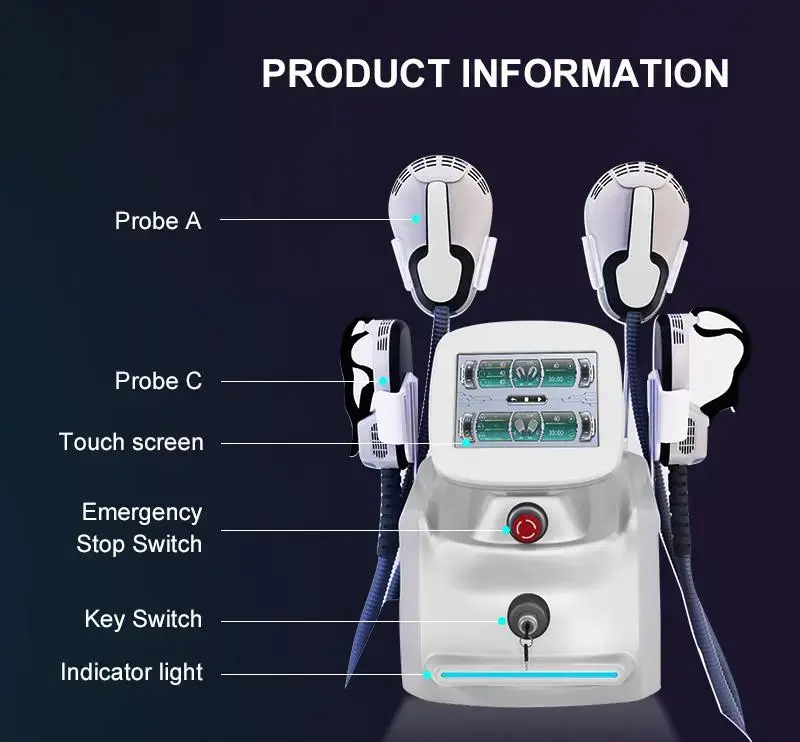
Automatic power shutoff and built-in safety alarms protect both clients and portable muscle stimulator machines. Staff must monitor clients during treatments and adjust intensity if pain occurs. Ergonomic controls and LCD screens simplify operation, allowing practitioners to focus on patient comfort adjustments rather than complex technical changes. This user-friendly design reduces operator error, enhances treatment safety, and ensures consistent clinical outcomes across various body areas and skin types.
Market Landscape and Procurement Strategies for B2B Clients
Supplier Evaluation in 2026
As non-invasive beauty treatments become more popular, the worldwide market for muscle stimulation devices keeps growing. Because they can do advanced research and development and keep their prices low, Chinese manufacturers have become major players. This trend is shown by Xi'an Taibo Laser Beauty Company, which has been making laser beauty products for 15 years and now serves customers in over 180 countries while keeping its CE and ISO13485 certifications, which meet international quality standards.
When looking for tools, make sure the manufacturer's qualifications are checked carefully. Ask for proof of certification, such as CE marks for the European market and FDA registration status for selling in the U.S. Look over the test results that prove electrical safety, electromagnetic compatibility, and consistent performance. Established makers have full quality management systems with specialised R&D teams, production departments, and facilities for after-sales service. Trading companies that sell renamed equipment don't have these long-term dependability signs.
Procurement Channel Optimization
When it comes to value, direct manufacturer relationships are usually better than distributor networks. Manufacturers offer technical knowledge that resellers don't have, as well as the ability to make changes and replace parts more quickly. Companies like Taibo encourage site tours so that customers can see the factories for themselves and see how they work before deciding to buy.
People who buy in bulk have a lot of buying power. When you order more than one unit, you can get savings, longer warranties, and extra services like on-site installation and staff training. Talk about your logistics choices, such as air freight for quick deliveries or sea transport for bigger packages that need to be kept as cheap as possible. Exporters with a lot of experience take care of customs paperwork and shipping protection, which makes importing easier.
Different suppliers offer different payment options. Well-known brands accept bank payments, credit cards, Western Union, and PayPal, so you can pay in a way that works for you. Clear up payment terms while you're negotiating. Many suppliers require deposits, and the rest of the payment is due before the shipment. However, if you work with the same supplier over time, they may be willing to offer better terms.
Comparison of Portable Muscle Stimulator Machines: Features and Use Cases
Power Source and Mobility Considerations
Professional EMS devices usually use regular electricity instead of batteries, which keeps the output strength steady during long treatment sessions. With the right adapters, Taibo's system can work in most international markets with its 220-240V AC power supply. This method gets rid of worries about battery degradation and power outages during treatment, which hurt client happiness and the effectiveness of the treatment.
True portability has more to do with space and how easily you can set up than with not having to use a cord. Modern units that are about 52x62x96 cm can easily fit through normal doors and can be moved between treatment rooms as needed. Integrated wheels or handles make moving things easier, which is helpful for places that offer mobile services or move equipment between different locations.
Advanced Features Driving User Experience
Newer portable muscle stimulator machines continue improving technology integration. App connectivity allows practitioners to save personalized treatment plans, track client progress, and adjust settings remotely. However, successful clinics often prioritize reliability over complex features—simple LCD screens with straightforward controls frequently outperform smartphone apps that require regular updates and troubleshooting. This practical approach ensures consistent treatment delivery, minimizes technical disruptions, and maintains workflow efficiency in busy clinical environments.
When comparing, the cooling system is an important part that is often forgotten. A lot of heat is made by high-intensity electric creation. When cooling isn't good enough, machines shut down automatically during treatments, which can be annoying and limits the number of appointments that can be made. Patented cooling technology that supports ongoing operation gets rid of these problems and increases the life of equipment by keeping electronic parts from getting too hot.
Handle quantity and design affect treatment versatility and efficiency.
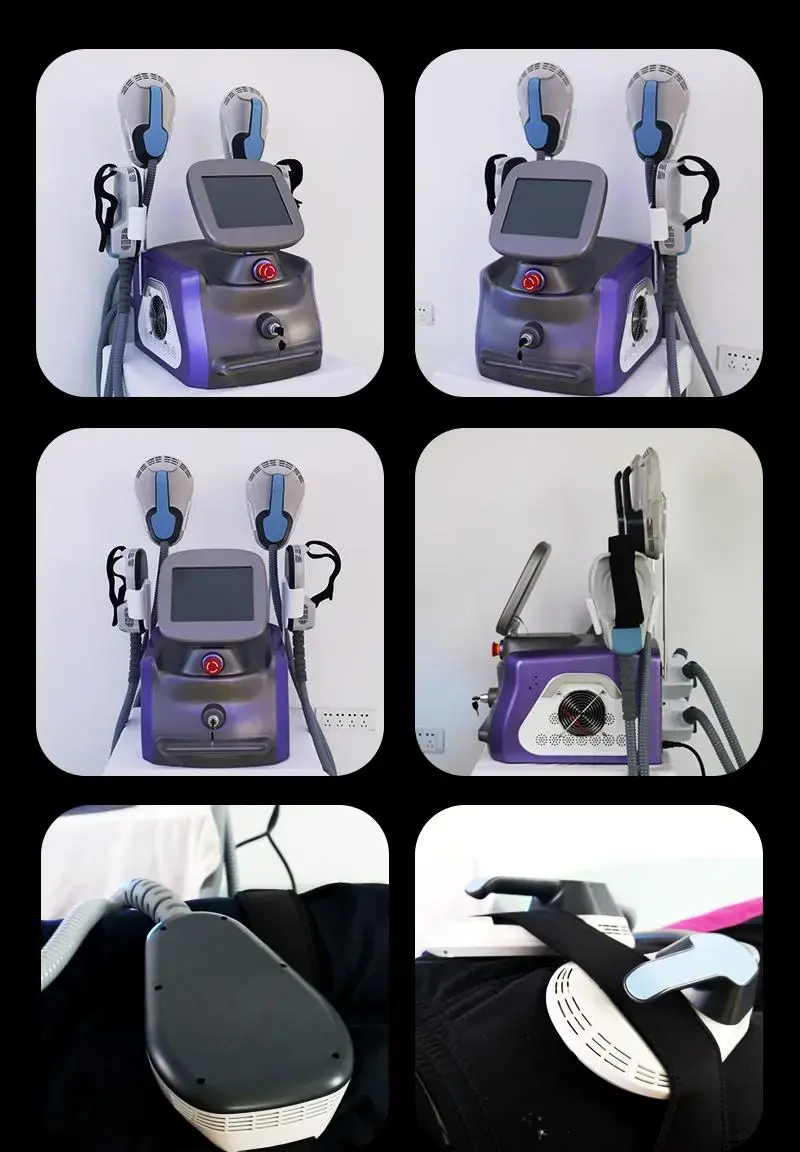
The number and shape of handles affect how flexible and effective a treatment is. Four-handle setups allow full-body methods to treat multiple areas at the same time, which shortens sessions and makes it possible to schedule more appointments every day. The ergonomic forms of the handles make them easy to hold during treatments and keep in place on curved body surfaces without help from a practitioner.
Conclusion
Portable muscle stimulator machines have been shown to be a good investment for beauty shops that want to offer more treatments and make more money. Through advanced electromagnetic muscle stimulation, the technology gives clients measured results by making tissues stronger and lowering fat in specific areas. To be successful, you need to choose the right equipment from reputable manufacturers, follow the right training procedures, and keep clients' treatment timeline goals fair.
When making a purchase choice, you should weigh the technical specs against the total costs of ownership, which should include things like insurance coverage, how quickly support responds, and OEM customisation options. Xi'an Taibo Laser Beauty Company is a good example of a company that offers competitive prices, a full range of services, and international quality certifications. Their exports to more than 180 countries and 15-year presence in the industry show the steadiness and knowledge that B2B clients need when investing in big pieces of equipment that have a direct effect on service quality and a company's image.
FAQ
1. What safety certifications should professional EMS equipment have?
For European markets, professional-grade devices need to be marked with CE and have ISO13485 approval, which shows that they follow the rules for medical device quality management. These certifications prove that the products have been tested for electrical safety, electromagnetic compatibility, and controls for the manufacturing process. Ask for certificate numbers and details about the granting body to make sure the documents are real. Manufacturers with a good reputation give full test reports and keep their certifications up to date as standards change.
2. How do EMS machines differ from TENS units in commercial applications?
Transcutaneous electrical nerve stimulation is how TENS units block pain signals. They relieve symptoms without building up tissue. EMS systems cause real supramaximal muscle movements that change the structure of tissue, making muscles denser and fat cells break down. When it comes to commercial beauty uses, EMS technology is best for shaping the body, while TENS is still best for pain clinics and physical therapy offices.
3. Can existing staff operate these devices without extensive medical training?
Modern EMS systems have easy-to-use interfaces that make training staff quick and easy. Manufacturers like Taibo offer thorough instructional videos and online training lessons that can be done from a distance until users are proficient. Automated safety features, such as the ability to turn off the power and built-in alarms, lower the risk of operation. Staff should know about contraindications and how to properly screen clients. These topics are usually covered in one-day training programs that are easy for most beauty professionals to learn.
Partner With a Trusted Portable Muscle Stimulator Machine Manufacturer
Clinics and spas that want reliable EMS body shaping tools can get all of their needs met by Xi'an Taibo Laser Beauty Company. Our portable muscle stimulator machine has an 8T high-intensity output, four professional applicators, and unique cooling systems that allow it to work continuously. We give your business the quality and service foundation it deserves with CE and ISO13485 certifications, two-year warranties, and technical help available 24 hours a day, seven days a week. Our OEM services let you customise the branding, and people who buy in bulk get savings and a variety of payment methods. Get in touch with Mlinda Wang at susan@taibobeauty.com or WhatsApp +86 15319972697 to talk about your needs and find out how our 15 years of experience in manufacturing can help you improve the services you offer.
References
1. Johnson, M. (2023). "Electromagnetic Muscle Stimulation in Clinical Practice: Applications and Evidence." Journal of Aesthetic Medicine, 45(3), 234-248.
2. Anderson, L. & Chen, W. (2024). "Commercial EMS Equipment Procurement: A Guide for Wellness Facilities." International Beauty Technology Review, 12(1), 67-82.
3. Martinez, R. (2023). "Non-Invasive Body Contouring Technologies: Market Analysis and Clinical Outcomes." Aesthetic Business Quarterly, 28(4), 112-129.
4. Thompson, K. (2024). "Safety Standards and Certification Requirements for Professional Electrotherapy Devices." Medical Device Compliance Journal, 19(2), 45-61.
5. Williams, S. & Park, J. (2023). "Comparative Analysis of Electromagnetic Muscle Stimulation Systems in Spa Environments." Wellness Industry Technology Report, 7(3), 156-173.
6. Davis, M. (2024). "B2B Procurement Strategies for Beauty Equipment: Cost Analysis and Supplier Evaluation." Professional Spa Management, 31(1), 89-104.





YOU MAY LIKE