
The Advantages of 980nm Laser in Removing Red Blood Vessels
2026-05-29 09:06:05
Vascular lesions such as spider veins, facial redness, and telangiectasia present persistent challenges for aesthetic professionals worldwide. The 980nm diode laser vascular removal machine addresses these concerns through selective photothermolysis—targeting hemoglobin with precision while preserving surrounding tissues. This technology represents a breakthrough for spas, dermatology clinics, and cosmetic centers seeking non-invasive, effective solutions with minimal downtime. As B2B buyers evaluate equipment investments, understanding the clinical efficacy, safety profiles, and operational advantages of 980nm technology becomes essential for informed procurement decisions.
Understanding 980nm Diode Laser Technology for Vascular Removal
How the 980nm Wavelength Targets Hemoglobin
The 980nm diode laser works at a wavelength that is only absorbed by porphyrin vascular cells and hemoglobin, which is the protein in red blood cells that carries oxygen. Hemoglobin takes in the photons and turns them into thermal energy when they hit the bloodstream that needs to be treated. This heat immediately coagulates the cells in the blood vessels, sealing the walls of the vessels. The coagulated tissue is then slowly absorbed by the body's natural biochemical processes, getting rid of the red spots without any invasive treatments.
Selective Photothermolysis and Tissue Safety
980nm technology uses focused laser beams with sizes between 0.2mm and 0.5mm instead of older methods that could burn the skin around the area. This level of accuracy lets practitioners focus energy directly on the target vessel while avoiding the skin tissue next to it. This frequency goes deeper into the skin than shorter ones like 532nm, but it absorbs less melanin. This makes treatments safer for Fitzpatrick skin types I through IV. This trait lowers the chance of darkening, which means more people can get the treatment and qualify for it.
Comparing 980nm Diode Laser to Other Vascular Removal Technologies
980nm vs. IPL (Intense Pulsed Light)
Because 980nm diode laser vascular removal machines use light with a wide range of colors, they are not as focused as laser systems. For IPL treatments to work as well as a single 980nm laser treatment, they usually need more than one session. The wide range makes it more likely that colored skin will be damaged by heat, especially in people with darker skin. The focused wavelength of the 980nm diode laser closes blood vessels right away and more precisely, which cuts down on treatment time and raises safety limits.
980nm vs. 1064nm Nd: YAG Lasers
Although 1064nm Nd: YAG lasers are good at treating deeper blood vessels, they absorb less hemoglobin than 980nm wavelengths. Because of this difference, 980nm systems can coagulate superficial spider veins and facial capillaries more quickly while using less energy. The lower power needs mean that patients will be more comfortable, and there will be a lower chance of bad responses. 980nm technology has better performance ratings for clinics that treat facial vascular lesions and fine telangiectasia.
Key Features and Procurement Considerations for 980nm Diode Laser Machines
Critical Technical Specifications
When looking at 980nm vascular removal systems, business buyers should focus on a few technical factors that have a direct effect on clinical results and how well the system works. Modern devices usually have power levels that can be changed between 20W and 40W. This means that they can treat everything from small vessels in the face to bigger vascular lesions. Pulse width can be changed from 1ms to 100ms, so doctors can tailor the energy transfer to the size and depth of the vessel. Frequency can be changed from 1Hz to 10Hz to get the best treatment speed without sacrificing safety.
Along with the fiber-coupled delivery system, this is another important part. Good units keep transfer efficiency above 90%. Modern handpieces have spot sizes that can be changed and targeting systems that send energy directly to target vessels. Because of these features, it is possible to treat facial capillaries that are as small as 0.2mm and bigger superficial vessels that are up to 3mm in width.
Integrated Cooling Systems and Patient Comfort
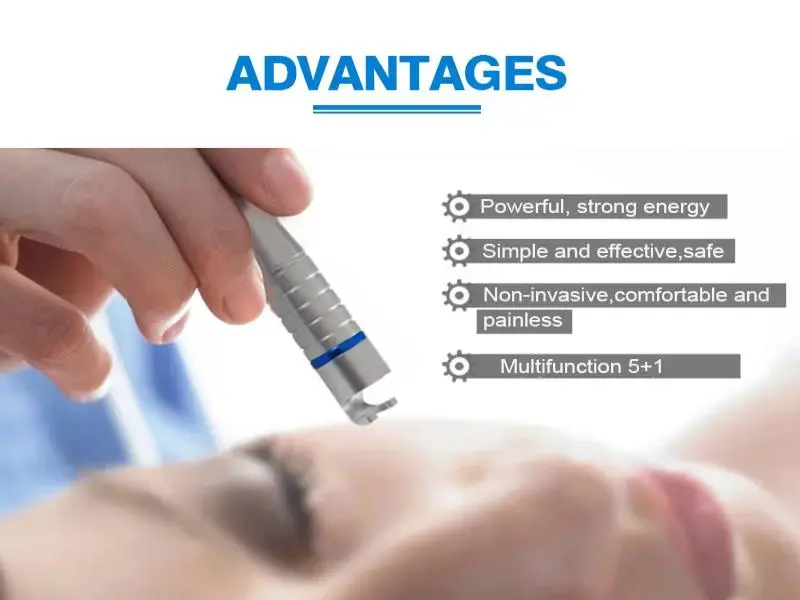
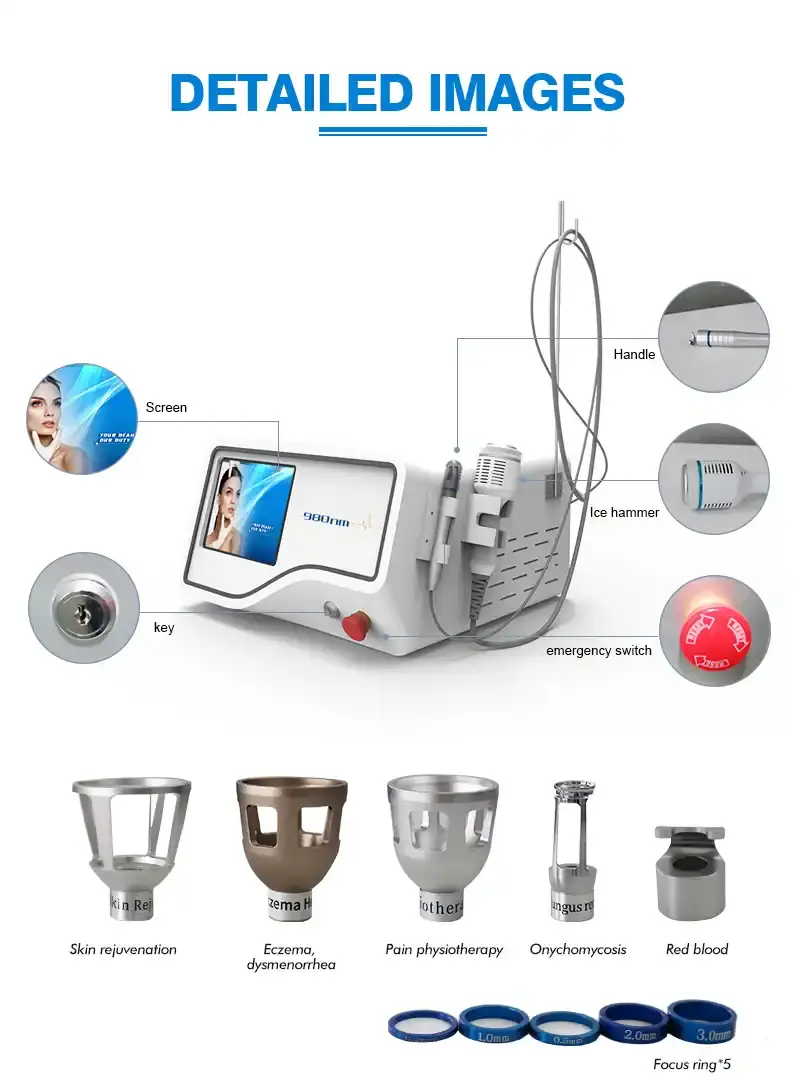
Professional 980nm systems use advanced cooling technologies to keep patients comfortable and protect the skin's health during treatments. Thermo-Electric Cooling (TEC) units control the temperatures of the laser's internal parts, keeping the output fixed over long sessions. A lot of units come with ice hammer attachments that cool the skin before and after laser use, lowering the feeling of heat and short-term redness. These safety features help patients feel less anxious and have better treatment experiences, which leads to more referrals and longer-term patients.
Certification Standards and Regulatory Compliance
International medical device approvals make sure that the safety and performance standards of the tools are met, which is important for legal operation and avoiding liability. The CE mark shows that the product meets the health and safety rules of the European Union, and the ISO 13485 mark shows that it follows the quality control systems that are specific to making medical devices. These qualifications reassure buyers of strict quality control and legal compliance, which makes importing easier and helps products get into markets around the world more easily.
The Xi'an Taibo Laser Beauty Company has been making 980nm diode laser vascular removal machines for fifteen years and has all the necessary certifications. It also sells to over 180 countries. This long history gives buying teams faith in the reliability of the products and their compliance with regulations.
Verified Clinical Effectiveness and User Experiences
Evidence-Based Treatment Outcomes
High success rates have been seen in clinical studies that look at 980nm diode laser vascular removal for a variety of arterial diseases. Researchers have found that treating spider veins, cherry angiomas, and face telangiectasia successfully can get rid of more than 80% of vessels less than 2mm in width in just one session. As a reliable endpoint sign, the instant whitening result seen during treatment lets practitioners know that enough energy is being delivered without overtreatment.
Patient happiness surveys consistently rate 980nm treatments positively because they cause little to no pain and don't require any healing time. Most people have mild redness that lasts for two to twenty-four hours. Small crusts form over the treated areas and fall off on their own in three to seven days. This quick healing makes it easier for patients to fit treatment into their social and work schedules, which removes hurdles to treatment participation.
The Testimonials from Global Practitioners
Dermatology centers and medical spas around the world say that 980nm systems have big practical benefits. Practitioners like that the technology can be used to treat a wide range of vascular diseases and doesn't need to change consumable cartridges like IPL devices do, which lowers the ongoing costs of running the business. The focused handpiece design makes it easy and safe to treat facial veins near sensitive areas like the nose and under the eyes.
Aesthetic centers that offer 980nm artery removal services say they keep more patients and get more referrals. When patients see results right away during treatment, they spread the word about the center, which boosts its image and market presence. These real-life success stories show that the technology can be used in business and that the treatment works for a wide range of patients and business types.
Maintenance and Operational Best Practices for Longevity and Safety
Routine Maintenance Protocols
To get the most out of your 980nm diode laser vascular removal machines' equipment life, you need to follow the repair schedules that the maker suggests. As part of daily operations, fiber optic lines are checked for damage or bending stress that makes communication less effective. After each patient session, practitioners should clean the tips of their handpieces with approved treatments to keep dust from building up and lowering the quality of the beam. Checking the performance of the cooling system once a week makes sure that it is working at its best, which keeps sensitive laser diodes from getting damaged by heat.
Quality Control and Performance Verification
Professional workers should use laser power meters on a regular basis to make sure that the output fits the settings on the display. Reliable systems keep the power stable within a five percent range while they are running all the time. This checking process finds any possible calibration shift before it has an effect on patient results, which helps keep treatment quality high. When reviewing suppliers, procurement teams should ask about calibration procedures and the availability of tools.
Operator Training and Safety Certification
Clinical staff get the information they need for safe, effective treatments through thorough training programs. Laser science basics, skin type measurement, choosing the right parameters, and how to handle bad outcomes should all be covered in training. Knowing the risks, like being pregnant, taking medicines that make you more sensitive to light, or having an open skin infection, keeps things from going wrong and keeps both patients and practitioners safe. Teams stay up to date on new techniques and treatment protocols through ongoing training, which upholds high standards of care.
Manufacturers with a history like Taibo offer clear instructions, training videos, and video call support to help users get better faster. This approach to education lowers operating risks and helps treatment be given with confidence from the time the equipment is set up onwards.
Conclusion
The 980nm diode laser vascular removal machine has great clinical results because it targets hemoglobin, provides precise energy, and has easy-to-follow treatment plans. Its benefits over other technologies—such as better absorption, less downtime, and a wide range of applications—make it the best choice for aesthetic businesses looking for reliable vascular treatment options. When making an investment choice, it's important to think about things like technical specs, guarantee coverage, certification compliance, and the manufacturer's support structures. 980nm systems are good long-term investments that improve service portfolios, patient happiness, and business growth. They have been shown to work in hospital settings, users have had good experiences with them, and they are easy to maintain. As the beauty business keeps growing, 980nm diode laser technology is a tried-and-true way for practitioners and customers all over the world to meet their changing needs.
FAQ
1. Will treated blood vessels reappear after 980nm laser treatment?
When 980nm technology is used on certain vessels, they are forever killed by clotting and then absorbed by the body's metabolism. New blood vessels can form in different places over time, though, because of genetics, changes in hormones, sun exposure, and getting older. During maintenance sessions, new vascular lesions are treated while areas that have already been treated stay clear. This is different from treatment failure or return.
2. How does treatment sensation compare to other vascular procedures?
During laser bursts, most patients say they feel like a quick rubber band snap. Compared to ways that use continuous heat, the very short pulse durations (measured in milliseconds) make the pain a lot less severe. Most treatments don't need anesthesia, but people who are very sensitive can still use local calming creams if they want to. The built-in ice hammer addition lowers the feeling of heat even more, making the whole thing more comfortable.
3. What consumable costs should clinics budget for ongoing operation?
IPL systems need expensive cartridge refills, but 980nm diode lasers don't have many costs for consumables. Some of the most common wear items are throwaway handpiece tips and fiber optic cables that need to be replaced every so often if they get damaged. The diode laser source usually works for more than 20,000 hours before it needs to be serviced. This means that it will work reliably for years, with only basic cleaning tools being the only ongoing costs.
Partner with Taibo for Premium 980nm Diode Laser Solutions
Xi'an Taibo Laser Beauty Company has approved 980nm diode laser vascular removal machines that are ready to help you grow your vascular removal service. These machines are designed for clinical excellence and dependability in operation. As a well-known company that has been making products for fifteen years, we offer equipment with 20W, 30W, and 40W power choices, pulse settings that can be changed, easy-to-use touch screen controls, and full two-year guarantees. Our CE and ISO 13485 certifications make sure that we follow the rules and provide quality security, which helps you make confident purchasing choices. Our 980nm diode laser vascular removal machine supplier team can help you succeed whether you run a beauty shop, a dermatology clinic, or a fitness center. We offer reasonable prices, OEM customization services, and 24-hour technical support. Get in touch with susan@taibobeauty.com right away to talk about showing you how to use the equipment, getting discounts for buying in bulk, and how Taibo's tried-and-true technology can help you offer better beauty services and make your clients happier. We are committed to your growth, so let us help you get to where you want to be in terms of vascular surgery benefits.
References
1. Anderson, R.R., & Parrish, J.A. (1983). Selective photothermolysis: Precise microsurgery by selective absorption of pulsed radiation. Science, 220(4596), 524-527.
2. Goldman, M.P., & Fitzpatrick, R.E. (1999). Cutaneous Laser Surgery: The Art and Science of Selective Photothermolysis (2nd ed.). St. Louis: Mosby.
3. Kauvar, A.N., & Lou, W.W. (2002). Laser treatment of vascular lesions. Seminars in Cutaneous Medicine and Surgery, 21(2), 147-158.
4. Waner, M., & Suen, J.Y. (2008). Management of Vascular Lesions in the Head and Neck. New York: Thieme Medical Publishers.
5. Bernstein, E.F. (2013). Laser treatment of cutaneous vascular lesions: New evidence and clinical practice guidelines. Journal of Cosmetic and Laser Therapy, 15(6), 323-329.
6. Ross, E.V., & Domankevitz, Y. (2015). Comparative analysis of vascular laser systems for dermatologic applications. Lasers in Surgery and Medicine, 47(3), 215-224.





YOU MAY LIKE