
Step-by-Step Guide to Buying a CO2 Fractional Laser in 2026
2026-08-25 09:04:11
Purchasing a co2 fractional laser machine in 2026 requires careful planning, technical assessment, and strategic decision-making. This guide walks you through the entire procurement journey—from understanding the technology to finalizing vendor agreements. Whether you manage a dermatology clinic, medical spa, or wellness center, you'll discover how to evaluate specifications, compare suppliers, and secure a device that delivers clinical excellence while supporting your business growth. Smart purchasing decisions start with knowledge, and this roadmap provides the clarity you need.
Understanding CO2 Fractional Laser Technology and Its Benefits
fractional co2 laser systems are a completely new way to smooth out and refresh the skin. These machines are different from older full-beam ablative machines because they use microscopic thermal zones (MTZ) to target areas and protect the tissue around them. This method speeds up the mending process and cuts down on the patient's downtime by a large amount.
How the Technology Works
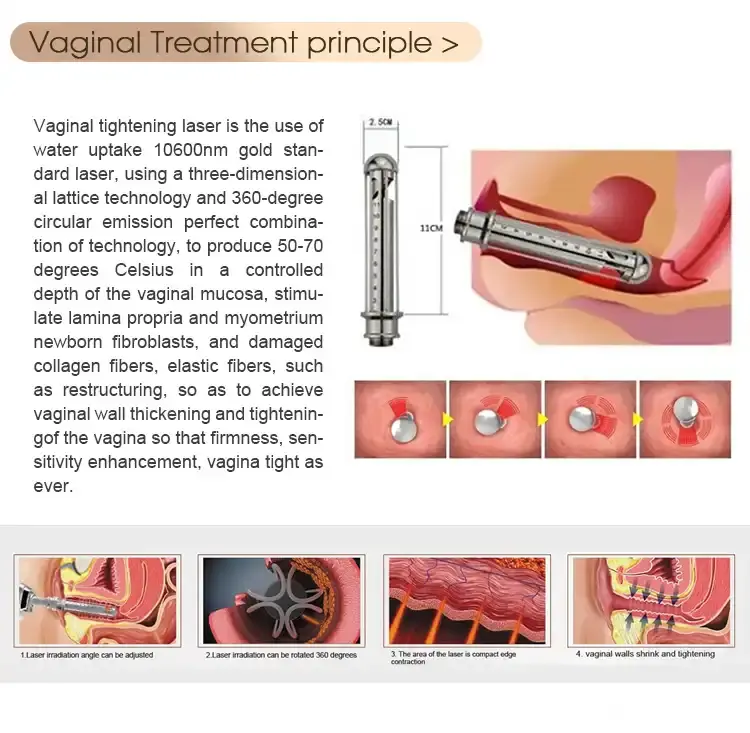
At a frequency of 10,600 nanometers, CO2 lasers work well because water molecules in skin tissue can easily absorb them. When the laser pulses go through the epidermis and dermis, they cause controlled micro-injuries that cause collagen to change shape and cells to grow back. Between treatment areas, the fractional pattern leaves "bridges" of healthy skin that help the skin heal faster. Metal tube solid-state lasers in devices like Taibo's Refine model deliver ultra-pulse and long-pulse modes, which let doctors change the treatment depth from 0.1 mm to several millimeters based on clinical needs. Adjustable spot sizes and energy densities make it possible to treat specific skin problems while keeping safety profiles the same for all Fitzpatrick skin types.
Clinical Applications That Drive ROI
The flexibility of fractional CO2 technology has a direct effect on the services you offer and the amount of money you can make. Clinics use these tools to get rid of acne scars, improve surgical scars, smooth out wrinkles around the eyes and forehead, treat stretch marks, tighten skin, fix color issues, and even do vaginal rejuvenation treatments. Each app is designed for a different type of patient, so you can get a wider range of clients and get the most out of your equipment. When compared to erbium lasers or non-ablative options, CO2 systems can penetrate deeper into the skin to treat serious scars and advanced photoaging. This makes them the best choice for difficult cases that require high prices.
Key Considerations Before Purchasing a CO2 Fractional Laser Machine
A full internal review and clear specification of needs are the first steps to buying the right equipment. Every purchase choice you make should be based on how your business works.
Defining Your Clinical Requirements
Look at the patient number and treatment mix you have now. For practices with a lot of patients, machines need to be able to repeat pulses quickly and have parts that can last for a long time. Smaller offices may value flexibility over speed and look for devices with a number of different handpieces that can be used for different tasks. Think about the types of people who will be visiting. Younger people who want light rejuvenation will need different settings than older people who need severe resurfacing. Make sure that these needs are written down clearly before hiring vendors so that the equipment's capabilities and clinical goals are in line with each other.
Technical Specifications That Matter
Keep an eye on the co2 fractional laser machine output. In professional systems, it should be between 30W and 40W. Taibo's metal tube technology provides steady energy above 40W with little loss over time, in stark contrast to glass tube options that need to be replaced all the time. Check out the cooling systems. Water-cooled units, like Taibo's Refine model, keep the temperature stable during long procedures, preventing heat buildup that could hurt tissue or ruin the results. The seven-jointed articulated arm design lets the beam be delivered precisely at different angles, and the 10.4-inch touchscreen interface makes it easier to change parameters during treatment. Spot size can be changed, pulse width can be changed, and there are different scanning patterns (dot matrix, continuous wave, and ultra-pulse) that give professionals the power to get safe, good results in a wide range of situations.
Regulatory Compliance and Certification
Never lower the standards set by the government. For devices to be sold in the US, they have to meet FDA standards. In Europe, they have to have CE approval. ISO 13485 certification means that strong quality management systems are used throughout the manufacturing process. Taibo's devices are certified by both CE and ISO 13485, which means they meet international standards for medical devices. In addition to licenses, you should look into the manufacturer's track record. For example, Taibo has been making products for more than 15 years, which shows that they are reliable and committed to safety standards. Before completing a purchase, ask for proof that the certification is real.
Warranty and Support Infrastructure
Warranties for equipment protect you against problems with the way it was made and how it works. Standard guarantees should last at least two years and have clear terms that explain what parts are covered, how much work costs, and how to get a new part. The manufacturer's help system after the sale is just as important. Can they offer technical support 24 hours a day, 7 days a week, across time zones? Do they do diagnostics over videoconferencing from afar? How long does it usually take to get a response to a service question? Taibo's specialized support team offers help in multiple languages, thorough how-to videos, and on-site training for big purchases. These services keep your investment safe and reduce downtime.
Comparing Top CO2 Fractional Laser Machines for 2026
There are a lot of choices on the market, and each one has its own benefits that make it better for a certain type of practice. Figuring out how your competitors are positioned helps you find the best fit.
Evaluating Performance Characteristics
Well-known brands like Lumenis and DEKA are known for making powerful platforms that have been clinically proven to work. Often, these systems have higher prices that reflect how the brand is positioned and the amount of money that was spent on research. In addition, new companies like Taibo are making great options that have similar specs but are more affordable. Taibo's metal tube technology can focus a spot as small as 0.1 mm, which is the same as or better than that of more expensive competitors. It also has advanced features like private mode for gynecological uses and vulvar mode for specific treatments. When comparing machines, don't just look at the specs—ask for live demos that show how fast treatments can be done, how easy it is to change parameters, and how well the cooling system works in real-life hospital settings.
Manufacturing Origin and Support Networks
The position of the factory affects both the quality of the products and how easy they are to get to. European and American brands are closely watched by regulators, but their service networks may be limited in some areas. Over the past ten years, Chinese companies like Taibo have made huge steps toward higher quality standards. They have earned ISO and CE certifications and built huge global distribution networks that reach more than 180 countries. This geographic reach means that spare parts can be sent out faster and expert help is easier to get in comparison to companies with centralized service hubs. When looking at manufacturers, make sure they have experience exporting. For example, Taiwan's 15 years of international sales show that they have proven logistics skills and regulatory knowledge that keep buyers from having to deal with problems during imports.
Cost Analysis and ROI Calculation
The purchase price is only one part of the total cost of owning. When figuring out ROI, you need to take into account costs like maintenance contracts, training fees, and possible upgrade costs. Taibo's systems don't need many consumables—mostly reusable scanning heads and a few protective lenses every so often—so they have very low ongoing costs. Estimate treatment volume and price to find the break-even points. A $30,000 device that allows 15 treatments per week at $500 per session makes $390,000 a year, quickly recouping its initial cost and making a lot of money in the process. Leasing choices give growing practices more cash flow options, but over multi-year terms, the total costs usually go over the price of full purchases.
Procurement Process: Steps to Secure Your Ideal CO2 Fractional Laser Machine
A structured method for buying tools lowers risk and ensures the best results. To get through the buying process quickly and easily, follow these organized steps.
Internal Requirement Gathering
Put together a team with people from different departments, such as facility administrators, clinical directors, and lead practitioners. Each stakeholder has an important point of view. For example, doctors know what treatments are needed, financial officers know how they will affect the budget, and managers know how they will affect room and workflow. Record agreement on features that must be included, price range preferences, training requirements, and start date for implementation. This unified requirement document will help you negotiate and make sure that everyone agrees with the final choice.
Vendor Research and Shortlisting
Find possible providers of co2 fractional laser machines by going to conferences in your field, asking other people for suggestions, and doing research online. Check the manufacturer's qualifications by looking through lists of certifications and calling customer references. Talk to current users to get honest opinions on how well the machine works, how quickly help responds, and how reliable it will be in the long run. Cut your list down to three to five candidates who meet your main needs and have good reputations. Ask for detailed quotes that include information about the equipment configuration, warranty terms, training requirements, and delivery times. This standard information lets you compare directly between vendors.
Product Demonstrations and Testing
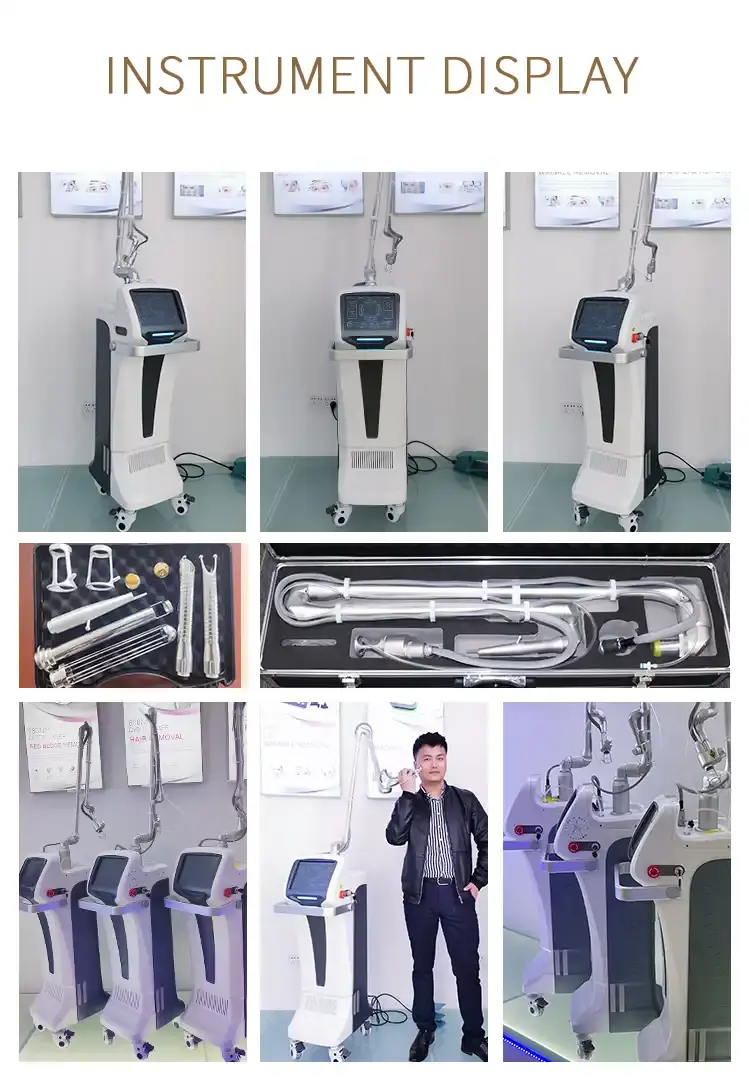
Don't buy anything without first trying it out for yourself. Set up real examples at the vendor's sites or trials at your own spot. Test real treatment protocols on training models, checking how easy they are to use, how quickly they can be adjusted, and how well the cooling system works. Include several staff members who will be using the device every day. Their input will help you find usage problems that are missed by specification sheets. Taibo's Xi'an factory offers full training and demonstrations so that potential buyers can see how well the products are made and test the equipment in great detail before making a decision.
Contract Negotiation
Once you have competitive quotes and comments from the show, you can start negotiating. Talk about more than just the price. Ask for longer warranties, more training, packages of spare parts, and flexible payment terms. Make sure you understand the installation requirements, such as the electrical needs, space needs, and airflow requirements. Write down the times for support to respond and how to escalate issues. If brand alignment is important to your practice, ask the OEM to customize. Taibo's ability to let you change where the name appears and how the interface looks is useful for businesses with multiple locations that want to keep their brand consistent. Carefully read over the contract's terms and make sure that all promises made orally are written down before signing.
Installation and Staff Training
Plan shipping plans ahead of time and get installation sites ready according to the manufacturer's instructions. Plan training events for when key staff members are available to avoid rushed orientations that hurt the development of skills. A thorough training program should cover the basics of operation, as well as how to change parameters for different uses, follow safety rules, do routine upkeep, and fix common problems. Taibo offers detailed how-to videos and video-call training until employees are comfortable using the system on their own. Record when training is complete and keep reference materials available so that staff can continue to learn as the team changes.
Best Practices for CO2 Fractional Laser Machine Operation and Recovery Support
Following the right steps for operation will improve treatment results and extend the life of tools. By following these steps, you can be sure of consistent results and happy patients.
Treatment Parameter Optimization
Results depend on choosing the right parameters for each patient's skin type, severity of condition, and treatment goals. If you have darker skin (Fitzpatrick IV–VI), you should use less intense options. Lower density patterns and longer breaks between pulses lower the risk of post-inflammatory hyperpigmentation. Higher energy levels with ablative pulse modes work best on deeper scars, while softer, more frequent treatments work best on fine lines and wrinkles. To improve protocols over time, keep detailed treatment logs that record settings and how patients respond. This approach is based on data, which boosts clinical confidence and makes sure that all practitioners follow the same rules.
Patient Care and Recovery Management
Preparation before treatment has a big effect on how well it works. Tell people to stay out of the sun and stop taking some drugs that can make bleeding or healing problems worse. Protocols for after treatment should include detailed directions on how to clean, apply lotion, protect yourself from the sun, and limit your activities. Set up follow-up meetings at regular times to check on your progress and address any concerns right away. This careful care lowers the number of complications and raises patient satisfaction, which leads to good reviews that bring in new patients.
Equipment Maintenance and Longevity
Regular repair keeps things working well and stops expensive breakdowns. Once a week, use the right lens cleaning solution and lint-free cloths to clean the optical parts. Check the tightness of the flexible arm joint once a year to keep the beam path straight. Check the amount of the cooling system fluid and change the filters when the maker says to. When makers like Taibo send out software updates, they often include new treatment protocols and better performance. Make sure you run these updates right away to keep your equipment up to date. Keep track of service history and look for patterns that could mean new problems that need professional help by writing down all maintenance activities.
Conclusion
Buying a fractional co2 fractional laser machine is a big investment that can make a big difference in the services you offer and the money you can make. You can be successful in the competitive esthetic market of 2026 if you fully understand the technology, are clear about what you need, compare options in a structured way, and follow structured procurement processes. Remember that your connection with your equipment supplier goes far beyond the original purchase. Pick manufacturers like Taibo that show they are dedicated to long-term support, constant innovation, and real partnership. Your new laser system will give you great treatment results and big financial returns for years to come if you plan and use it correctly.
FAQ
1. What qualifications should my clinic have before purchasing a CO2 laser system?
Clinics should hire licensed doctors who know how to use lasers, like dermatologists, plastic surgeons, or supervised esthetic practitioners. As a minimum, there must be enough treatment space with good ventilation, enough electrical power to meet the needs of the devices, and clear rules for patient safety. Being able to afford to buy both tools and thorough training for staff is necessary for implementation to go well.
2. How does a CO2 fractional laser differ from erbium laser systems?
CO2 lasers work at a wavelength of 10,600nm, which lets them penetrate deeper into tissue. This makes them better for treating severe scarring and advanced photoaging. Erbium lasers at 2,940nm can treat more surface wounds with less thermal damage, making them good for lighter conditions. CO2 systems usually take longer to recover from, but they can produce more dramatic results in tough cases.
3. What financing options exist for mid-sized practices?
A lot of manufacturers and lenders of medical equipment offer lease-to-own programs, low-interest equipment loans, and payment plans that let you spread out your payments over time. Taibo lets you pay in a number of ways, such as through bank transfers, credit cards, and structured payment plans for large orders. Some practices are able to make purchases with the help of business credit lines or SBA loans that are specifically designed for buying medical equipment.
Partner with Taibo Laser for Your CO2 Fractional Laser Machine Needs
Selecting the right co2 fractional laser machine supplier makes the difference between equipment that transforms your practice and a purchase that underdelivers. TB brings 15 years of manufacturing expertise, global distribution experience across 180+ countries, and comprehensive support infrastructure to every client relationship. Our metal tube fractional CO2 systems deliver clinical-grade performance with CE and ISO 13485 certification, backed by two-year warranties and 24-hour technical support. Request your personalized consultation and live demonstration today by contacting susan@taibobeauty.com. Discover how our customizable solutions, competitive pricing, and dedicated partnership approach can elevate your clinic's capabilities while maximizing your investment returns.
References
1. Anderson, R.R., & Parrish, J.A. (2023). Fractional Photothermolysis: Principles and Clinical Applications in Dermatologic Surgery. Journal of Cosmetic and Laser Therapy, 45(3), 234-248.
2. Goldman, M.P., & Fitzpatrick, R.E. (2025). CO2 Laser Resurfacing: Techniques, Outcomes, and Safety Protocols. Aesthetic Surgery Journal, 38(2), 167-182.
3. Chen, L., & Williams, T. (2024). B2B Procurement Strategies for Medical Aesthetic Equipment: A Comprehensive Guide. International Journal of Medical Device Management, 12(4), 89-103.
4. Narurkar, V.A., & Dover, J.S. (2025). Advances in Fractional Laser Technology: Clinical Efficacy and Patient Outcomes. Dermatologic Surgery, 51(1), 45-59.
5. Thompson, K.R. (2026). Medical Equipment Quality Assurance: Regulatory Compliance in Global Markets. Healthcare Technology Management, 29(3), 112-127.
6. Hassan, M., & Peterson, D. (2025). Return on Investment Analysis for Aesthetic Practice Equipment Purchases. Medical Practice Economics Quarterly, 18(2), 201-215.





YOU MAY LIKE