
SHR Laser Hair Removal Machine: Benefits and Buying Guide
2026-08-05 09:05:29
When evaluating modern hair removal technologies for your beauty business, opt shr laser hair removal stands out as a game-changing solution. This advanced system combines Optimal Pulse Technology (OPT) with Super Hair Removal (SHR) methodology, delivering consistent energy through square-wave pulses rather than the irregular spikes of traditional IPL. The result? Faster treatments, reduced discomfort, and safer application across diverse skin types—making it an ideal investment for spas, salons, dermatology clinics, and wellness centers seeking to expand their service portfolio with proven, client-friendly technology.
Understanding SHR Laser Hair Removal Technology
What Makes OPT SHR Different from Traditional IPL?
In traditional Intense Pulsed Light systems, the energy comes in sharp, uneven spikes that can hurt and raise the risk of burns. This problem is solved by opt shr laser hair removal technology, which creates perfectly square energy pulses that stay the same intensity throughout the whole flash. Because the delivery is managed, every part of the pulse works properly, so clients don't feel the "rubber band snap" feeling they often fear.
At lower energy levels, the SHR part adds high-frequency pulsing, with up to 10 flashes per second. Using a "in-motion" method, the practitioner moves the handpiece over the treatment areas over and over again. This method of slowly heating targets stem cells in the hair follicle while protecting nearby tissue. It's a big improvement over stationary stamping methods that focus heat in one area.
The Science Behind Pain-Free Hair Removal
There are temperature-sensitive nerve endings in our skin that hurt when they get too hot too quickly. opt shr laser hair removal technology is different because it gently raises the skin's temperature to the therapeutic range (about 45°C), which stops hair follicles from working without shocking these sensors. When combined with sapphire contact cooling, which keeps the tip temperature between -5°C and 5°C, the snapping sensation changes into a warm massage.
The colour range, which is usually filtered between 640nm and 950nm, is very good at targeting melanin in hair follicles while keeping haemoglobin in blood vessels from absorbing too much of it. Because of this selectivity, Fitzpatrick skin types I through V can be treated effectively, even tanned skin that older laser systems wouldn't work on.
Technical Specifications That Matter
Professional systems have more than one band choice. IPL filters with wavelengths between 430nm and 750nm can get rid of hair and make the skin look younger. Integrated Nd:YAG lasers with wavelengths of 532nm, 755nm, 1064nm, and 1320nm can treat pigmentation, get rid of tattoos, and do deep dermal treatments. The energy output ranges from 1 to 50 J/cm² for IPL work and from 1 to 2000 mJ for Nd:YAG precise work.
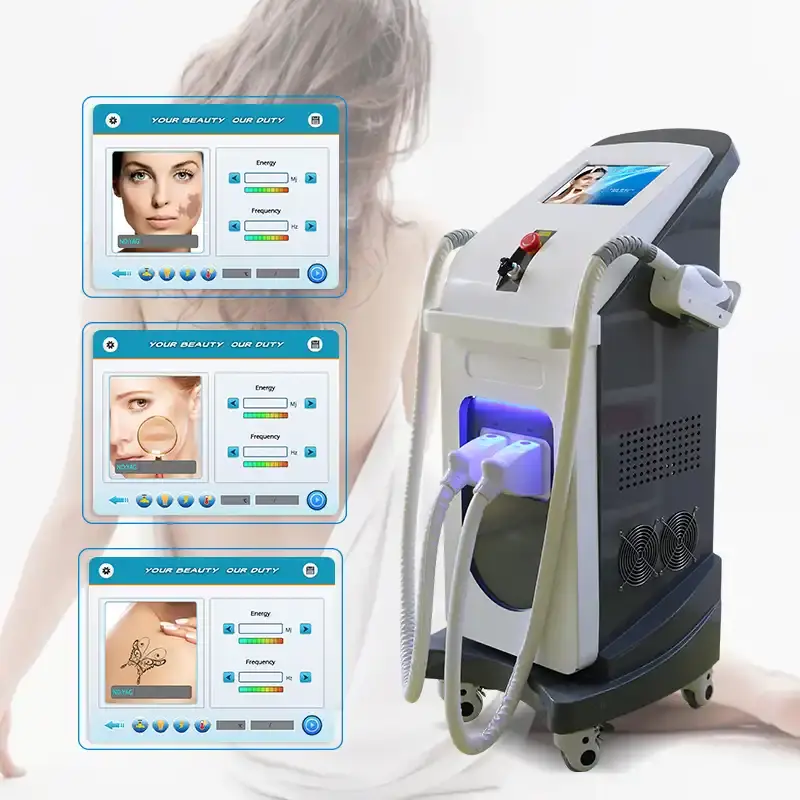
The 15x50mm spot size quickly covers large areas, cutting the time needed to treat the whole leg from 45 minutes to about 15 minutes. A 10.4-inch colour tablet makes it easier to change settings, and the dual cooling system (sapphire TEC plus water circulation) keeps the machine running even during busy meeting times without shutting down due to heat.
Market Comparison: SHR Laser vs. Other Hair Removal Technologies
How OPT SHR Stacks Up Against Competitors
Diode lasers with an 808nm wavelength can reach deep into hair follicles, but they can be painful on sensitive areas and need to be used more than once. Alexandrite lasers are great for light skin, but they can't treat darker skin tones. Traditional IPL is flexible, but the quality of the pulses isn't always constant, and the pain is worse.
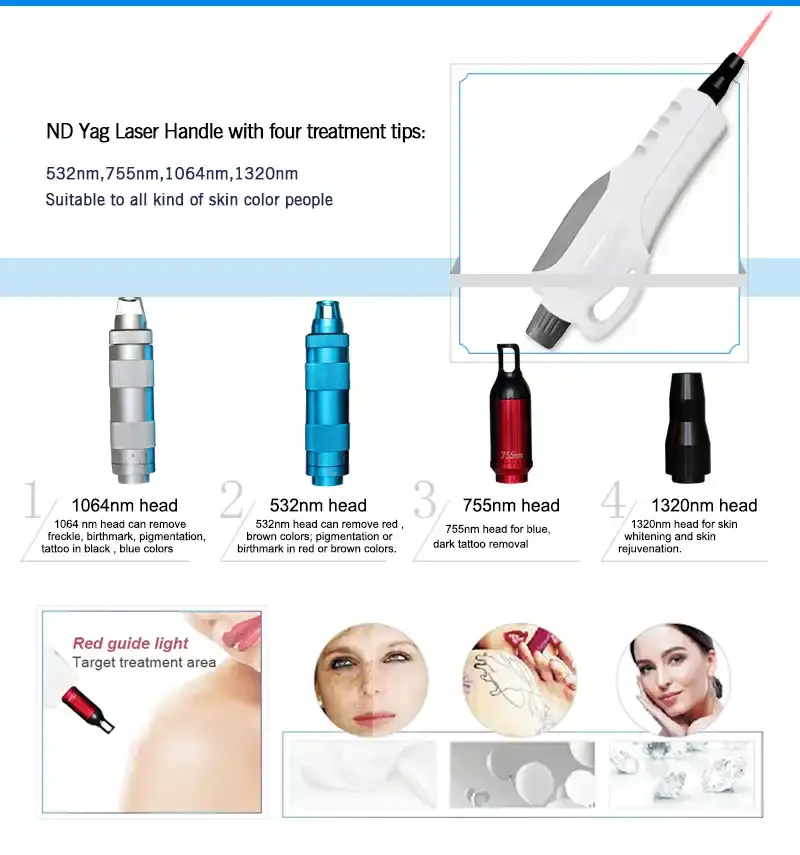
Opt SHR laser hair removal technology fills in these gaps by combining the wavelength flexibility of IPL with the consistency of a laser. The square-wave pulse control gets rid of the energy changes that happen with regular IPL, and the high-frequency gliding method cuts treatment time by 60–70% compared to stamping methods. Because the experience is so painless, client satisfaction scores always rank higher. This means that your business will have a higher rate of customer retention and referrals.
ROI Considerations Across Technologies
Electrolysis is still the only "permanent" option approved by the FDA, but it takes a long time to treat each follicle, so it's not practical for big areas. With SHR systems, a single underarm session only takes 10 minutes, but with lasers, it can take two hours. Because of this difference in efficiency, you can serve six clients in the time it takes to serve one using the old way of doing things. This gives you a lot more money per hour of equipment use.
Profitability is also affected by how long the handpiece lasts. Quality opt shr laser hair removal systems with xenon lights made in the UK can fire 500,000 to 1,000,000 shots before they need to be replaced. With an average of 800 shots per full-body treatment, a single handpiece can handle more than 600 full client packages. This makes the cost of consumables per treatment much cheaper than with single-use cartridge systems.
Key Considerations When Buying an SHR Laser Hair Removal Machine
Essential Technical Features to Evaluate
Professional equipment is different from consumer-grade devices because it is more stable with energy. Look for systems that have big capacitor banks (12000µF or more) that keep the output steady even when they fire quickly at 10Hz. Care should be taken to look closely at the cooling system. For safety and client comfort during in-motion treatments, constant sapphire contact cooling is a must.
Documentation that certifies your business keeps it safe legally and builds trust with customers. The CE mark and ISO13485 certification show that the medical device meets international standards. These skills also make it easier to get insurance coverage and meet the requirements for working in medical spas where doctors oversee aesthetic practices.
When it comes to staff training time and operational efficiency, user interface design has a direct effect. Technicians can tailor treatments to different skin types and hair thicknesses without having to spend a lot of time programming thanks to a 10.4-inch touchscreen with easy-to-use parameter settings. The adjustable frequency (1-10Hz) and energy (1-50 J/cm²) settings make it safe to use on all types of hair, from fine facial hair to coarse body hair.
Supplier Credibility and Support Infrastructure
Longevity of OPT SHR laser hair removal equipment relies heavily on after-sales support. Xi'an Taibo Laser Beauty Company, with over 15 years of manufacturing experience and service networks across 180+ countries, provides crucial assistance for replacement parts, technical troubleshooting, and staff training. This established infrastructure ensures minimal downtime and sustained performance, making it a reliable partner for clinics investing in long-term aesthetic technology solutions.
Warranty terms show that the company that made the product is confident in its longevity. Standard one-year guarantees cover problems with the way the product was made, but you should ask about choices for longer warranties and which parts are covered. The most valuable parts that should be covered by a warranty are water cooling systems, power supplies, and handpiece assemblies.
As your business grows, OEM and ODM services become more useful. Your clinic's character can be set apart with customisable logos, software interfaces that speak the language you choose, and colour scheme choices. With Taibo's many customisation options, you can make a branded experience that helps customers remember you and stay loyal.
Financial Planning and Investment Returns
The initial cost of the tools is usually between $8,000 and $25,000, but this depends on the features and handpiece setups. Find the break-even points by using the current service prices in your area. Full-leg treatments cost $300 to $400 and take 6 to 8 sessions in major U.S. cities. A single client package brings in $1,800 to $3,200. Getting just 5–10 package clients pays the cost of the tools.
Ongoing operating costs include electricity (2000W systems use about $0.30 to $0.50 an hour), maintenance on the cooling system (deionised water changes every month cost about $15 to $30), and replacement of the handpiece. When setting the price of your services, you should include these ongoing costs so that you can keep your profit margins high and stay competitive.
Optimizing SHR Laser Hair Removal Services in Your Clinic or Business
Treatment Protocol Design for Maximum Effectiveness
A meeting before treatment helps the client set reasonable goals and check for any problems. Write down your medical history, including any medications that make you more sensitive to light, recent sun exposure, and skin conditions like active herpes or a tendency to get keloid scars. This careful work stops bad things from happening and shows high professional standards that build trust.
The calibration of the equipment should perfectly match the needs of the client. For lighter hair and darker skin, the settings need to be changed. Often, lower energy settings with higher pulse counts work better than a single high-energy pass. Good results can be told apart from average ones by fine-tuning colour filters, energy density, and pulse time.
Service Packaging and Pricing Strategies
Because of the way hair grows, you may need more than one treatment session to get the best results. Offering packages with 6-8 lessons spaced out over 4–6 weeks is in line with the biology of hair follicles and encourages clients to commit right away. Different prices for small (underarms, upper lip), medium (bikini line, lower legs), and large areas (full back, full legs) make it easier to choose and raise the average transaction value.
Membership models make steady streams of income. Monthly plans that include a set number of treatment zones and discounted extras help keep clients for a long time. This method also helps even out the yearly changes in demand that happen a lot in the beauty industry.
Aftercare Protocols That Enhance Results
If your skin is sensitive after a treatment, you need to follow certain care instructions. After lessons, clients should stay out of the sun for 48 hours and use broad-spectrum SPF 30+ every day for two weeks. By suggesting gentle, scent-free moisturisers, you can keep skin from getting irritated and help the skin's barrier heal, which will lower complaints of dryness or redness.
Follow-up contact shows that you are paying attention to care. Automated texts or emails that check on comfort levels 24 to 48 hours after treatment catch problems early and give people a chance to ask questions. This point of contact also acts as a reminder to book more sessions, which increases the number of packages that are finished.
Case Studies & Future Prospects of SHR Technology in B2B Markets
Real-World Performance Metrics
Aesthetic clinics that use opt shr laser hair removal systems see 40 to 50 percent more money from hair removal services in the first year. When compared to standard laser schedules, the speed benefit lets appointment times be booked twice as quickly, and the pain-free experience spreads quickly, which lowers the cost of marketing.
The quiet operation and nice treatment experience are especially helpful in spa settings. Some rival technologies have loud cooling systems or lasers that can be heard firing, but opt shr laser hair removal keeps the calm environment that customers expect. This fits well with the spa experience, which is why wellness resorts and day spas that offer medical aesthetic services are growing so quickly.
Emerging Technology Innovations
Adding artificial intelligence is the next step forward in improving treatment outcomes. New systems use algorithms for skin analysis to suggest exact parameter values based on melanin and haemoglobin readings taken in real time. This technology cuts down on operator variability and speeds up training for new employees, which are both great benefits for companies with multiple locations.
Portable and small designs are making the market bigger. Mobile practitioners can provide services at business wellness events, exercise centers, and private homes thanks to systems that are lighter and take up less space. This gives them the freedom to make money in places other than standard clinics.
Conclusion
The opt shr laser hair removal technology offers a great mix of clinical success, operational efficiency, and client happiness that helps practices grow. The fact that treatments are almost painless removes the main reason why people haven't used hair removal services before, and the short treatment times make the most money per hour of equipment use. When beauty companies are thinking about buying a hair removal system, SHR technology is a good option because it has been used successfully on a wide range of skin types, is safe when certified properly, and is priced competitively compared to laser and IPL options. Implementation will go smoothly if you work with experienced makers who offer full help.
FAQ
1. Is OPT SHR Safe for All Skin Types?
Because it gradually heats up and has wavelength filters that can be changed, opt shr laser hair removal technology can be used on Fitzpatrick skin types I through V. It can safely treat darker skin and tanned skin that Alexandrite lasers would not be able to reach. It is still important to choose the right parameters based on skin tone and hair colour. Operator training makes sure that the right choices are used for each client.
2. How Long Do Handpieces Last Before Replacement?
Professional handpieces with xenon lights made in the UK or Germany can usually fire between 500,000 and 1,000,000 shots, based on the energy setting that is used. With an average of 800 to 1,000 shots per full-body treatment, you can expect 500 to 1,250 full client sessions before you need to change the needle.
3. What Maintenance Does the Cooling System Require?
To keep working at its best, the dual cooling system needs to have its deionised water changed and its filter cleaned once a month. Not doing this maintenance can stop the flow, which sets off high-temperature safety alarms that stop the system from working. Maintenance that is done regularly saves money by avoiding costly downtime.
Partner with Taibo Beauty for Advanced Opt SHR Laser Hair Removal Solutions
We trust Xi'an Taibo Laser, a company that has been making opt shr laser hair removal equipment for 15 years and has worked with beauty businesses in 180 countries. Our CE and ISO13485-approved systems come with the latest OPT technology and full support, such as user training, OEM services that can be tailored to your needs, and quick technical help. The 2000W output power, 10.4-inch touchscreen interface, and two sapphire-water cooling systems give your clinic the edge it needs to compete.
We know that procurement managers need more than just equipment sellers; they also need partners they can trust. Our two-year warranty, help available 24 hours a day, and thorough training practices will give your team confidence from the very first day they use our services. Taibo's manufacturing depth and export experience will help you succeed whether you're adding hair removal services or improving technology that's already there. Get in touch with susan@taibobeauty.com right away to talk about your specific needs and get solutions that are tailored to your business's goals and budget.
References
1. Anderson, R.R. and Parrish, J.A. (1983). "Selective Photothermolysis: Precise Microsurgery by Selective Absorption of Pulsed Radiation." Science, 220(4596), 524-527.
2. Haedersdal, M., Beerwerth, F., and Nash, J.F. (2011). "Laser and Intense Pulsed Light Hair Removal Technologies: From Professional to Home Use." British Journal of Dermatology, 165(3), 31-36.
3. Sadick, N.S., Laughlin, S.A., and Trakos, N. (2004). "Combined Optical and Electrical Energy Sources for Hair Removal and Photorejuvenation." Journal of Drugs in Dermatology, 3(5), 522-525.
4. Ross, E.V. and Uebelhoer, N. (2005). "Hair Removal Using Light: Mechanisms of Selective Photothermolysis." Seminars in Cutaneous Medicine and Surgery, 24(2), 103-107.
5. Babilas, P., Schreml, S., and Landthaler, M. (2010). "Intense Pulsed Light Technology: A Review of Clinical Applications." Lasers in Surgery and Medicine, 42(2), 93-104.
6. Town, G. and Ash, C. (2010). "Are All Intense Pulsed Light Systems Suitable for Hair Removal? Evaluating Clinical Efficacy Through Equipment Specifications." Journal of Cosmetic and Laser Therapy, 12(1), 12-18.





YOU MAY LIKE