
RF Fractional Microneedling Machine for Acne Scars: What to Know
2026-09-09 09:08:44
When treating stubborn acne scars, an rf fractional microneedling machine represents one of the most scientifically advanced solutions available today. This cutting-edge technology merges the mechanical action of ultra-fine needles with radiofrequency thermal energy to remodel scar tissue at the dermal level. Unlike traditional ablative lasers that can cause prolonged recovery periods, this device delivers precise energy beneath the skin surface while preserving the epidermis, making it especially valuable for patients with darker skin tones who face higher risks of post-inflammatory hyperpigmentation. The controlled micro-injuries trigger natural collagen synthesis, gradually smoothing depressed scars and improving overall skin texture.
Introduction
Millions of people around the world have scars from acne, which can be unsightly and have a big effect on their confidence and quality of life. As the need for scar treatments that work well with little to no downtime grows, RF fractional microneedling has become the standard method used in medical spas and dermatologist centers. The main problem with older treatment methods is that they couldn't get thermal energy deep into the tissue without damaging the surface too much. This new technology fixes that problem.
When B2B buyers are looking at different pieces of tools, current microneedling RF devices stand out as being much better than older methods. The method uses radiofrequency volumetric heating and proven mechanical collagen induction to get results that are often better than those of microneedling or laser resurfacing alone. This piece talks about the basic rules of technology, important things to think about when buying things, clinical best practices, how to position yourself in the market, and how to evaluate suppliers so that medical directors and clinic owners can make smart equipment investments. Knowing about these things makes sure that technological capabilities are in line with patient care goals and that the return on investment is maximized.
Understanding RF Fractional Microneedling Technology
Dual-Mechanism Synergy: Mechanical Micro-Channels Plus Fractional RF Energy
The main advance in these tools is the way they work in two ways. In traditional microneedling, controlled micro-channels are made in the skin by puncturing it mechanically. This sets off wound-healing responses that make new collagen. Adding radiofrequency energy makes this effect much stronger. As the gold-plated, shielded needles go into the skin to different depths—from 0.5 mm for texture issues on the surface to 3.5 mm for deep dermal remodeling—bipolar RF energy pulses through the tissue between the needle electrodes.
This makes what dermatologists call "fractional coagulation zones," which are separate columns of thermally changed tissue surrounded by healthy skin that helps the wound heal faster. The rise in temperature breaks down old, disorganized collagen fibers that are common in acne scars and encourages fibroblasts to make new collagen and elastin. The insulated needle layer makes sure that the RF energy stays at the tip of the needle instead of heating up the skin. This makes the procedure much less painful and speeds up healing time compared to systems that don't use insulation.
RF-enhanced microneedling works better than regular microneedling alone in treating atrophic acne scars, according to clinical research. According to research published in dermatology journals, fifty to seventy-five percent of patients show improvement after three to four treatment sessions, and patients are very satisfied with how well the treatments work and how well they are tolerated. The technology is also better than many fractional laser treatments because it can safely treat all kinds of Fitzpatrick skin without the risks of long-term redness or coloring that come with light-based devices.
RF microneedling and ablative CO2 lasers both change collagen in a similar way, but RF microneedling has a lot less downtime—two to three days of mild redness instead of one to two weeks of severe peeling. This makes the treatment easier for working professionals who can't afford long recovery periods to get. This increases the number of people who can get treatment and the number of times it happens.
Key Considerations for B2B Buyers: Features and Specifications
Clinical Versatility, Safety Systems, and Total Cost of Ownership
When looking at gadgets, technical specs have a direct effect on how useful they are in the office and how long they will last. Most modern systems work at frequencies of 2MHz or 5MHz, which match the impedance of skin flesh best for efficient energy transfer. Power output levels are very important. Professional-grade tools should have settings that can be changed from 10W to 200W to suit different treatment depths and tissue densities.
Another important thing to think about is the design of the needle chamber. Quality systems offer a range of choices, including 10-pin cartridges for sensitive areas around the eyes, 25-pin cartridges for treatments on the face, 64-pin cartridges for treatments on the body, such as stretch marks, and nano-needle tips for non-invasive treatments on the skin's surface. Compared to stainless steel needles, gold-plated needles are better at being biocompatible and conducting electricity. Make sure that the suppliers can guaranty that cartridges will always be available. These consumables bring in money and help achieve the best clinical results.
Adjustable depth is a must-have tool for healing a wide range of scar types. For rolling scars, penetration depths of 1.5 to 2.5 mm are usually enough. For deeper ice-pick scars, however, the full 3.5 mm depth may be better. Automatic depth control systems keep operators from making mistakes and make sure that treatment results are the same for all practitioners.
Advanced safety features of the rf fractional microneedling machine show that the product was made well and lower the risk of liability. Real-time temperature tracking systems keep things from getting too hot, which could lead to burns or uneven skin tone. Automatic impedance measurement changes the amount of energy delivered based on the density of the tissue, so it stays useful in different parts of the body. Integrated treatment counters keep track of how many times a cartridge is used so that needles aren't used past the point of no return.
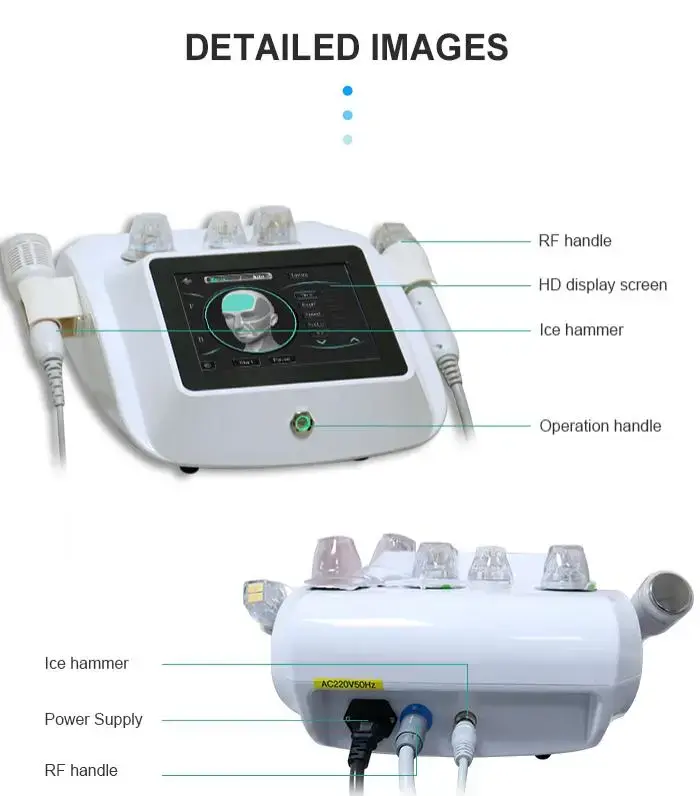
The mobility of devices affects how well work gets done. Dual-handle systems, which have an RF microneedling handpiece and an ice hammer extension for cooling off after treatment, make the process faster and more comfortable for the patient. Ergonomic design keeps operators from getting tired during long treatment sessions.
Total cost of ownership is directly affected by warranty terms and support after the sale. Parts and work are usually covered by warranties from reputable manufacturers for one year, but warranties from premium providers may go up to two years. Check that the technical support includes online training materials, help in multiple languages, and quick part replacements to keep downtime from affecting your business's ability to make money.
Certification paperwork is given a lot of weight when buying things. CE marking and ISO13485 certification show that a medical device meets European standards. Clinics that sell to people in North America should give more weight to suppliers who are actively seeking FDA clearance. These licenses show that devices meet strict standards for safety and performance, which protects patients and your professional image.
When you have multiple locations or are a distributor, you need to think about bulk purchases. Prices drop by 15–25% depending on the size of the order. Volume discounts start at five to ten units. Equipment payment options and OEM customization services, such as private labeling and interface language changes, are useful for named clinic groups that want all of their sites to work the same way.
Best Practices for RF Fractional Microneedling Treatment on Acne Scars
Protocol Optimization, Parameter Customization, and Post-Treatment Care
The success of a clinical trial relies on using the right treatment procedures that protect patients while still being effective. Before starting any procedure, a thorough consultation sets reasonable goals and checks for problems like active infections, keloid-forming tendencies, pregnancy, or current isotretinoin use.
Topical numbing cream is usually put on the skin 30 to 45 minutes before the process to make it more comfortable. Cleaning the treatment area gets rid of oils and other things that could get in the way of the needle or introduce germs. Some doctors take pictures of their patients from standard angles to record their starting conditions and keep track of their growth in an objective way.
Treatment parameters need to be changed based on the size and location of the scar. Most of the time, settings of 1.5 to 2.5 mm depth and moderate energy levels (40 to 60W) work well for acne scars on the face. On the other hand, settings of 2.5 to 3.5 mm depth and higher power outputs may be needed for body scars like stretch marks. Multiple passes over the same area, with needle insertions slightly overlapping, make sure that the whole area is covered without causing too much pain.
Both results and patient satisfaction are affected by how often sessions are held. Most guidelines say that you should get three to five treatments, each four to six weeks apart, so that your body has enough time to change collagen between sessions. As neocollagenesis continues, visible changes usually show up six to eight weeks after treatment. They keep getting better for up to six months after the last session.
Care instructions after treatment have a big effect on how well you heal and how often complications happen. For a few days, patients should stay out of the sun, use gentle lotions, and avoid harsh skin care ingredients like retinoids. Professional care standards like writing down clear treatment instructions and setting up follow-up calls show that you are serious about your work, which leads to loyal patients and good reviews.
Temporary erythema that lasts 24 to 72 hours, mild edema, and occasional pinpoint bleeding during treatment are all common side effects. Most of the time, these go away quickly on their own. Serious problems are still very unlikely if the right clean techniques and settings are used, but doctors should always be on the lookout for signs of infection or unusual discoloration.
Market Comparison: RF Fractional Microneedling Machines vs Alternatives
Strategic Positioning and Market Differentiation
Understanding how competitors are positioned helps people who work in buying choose key tools. Traditional microneedling devices are much cheaper—often $1,000 to $5,000—but they work more slowly and dramatically, and they need more treatment sessions. RF-enhanced systems get better results faster, but this makes patients more committed over a longer period of time and may make them less likely to follow through.
The main substitute technology is fractional laser systems. Although ablative fractional lasers like CO2 can help with acne scars, they usually require seven to fourteen days of social isolation because the skin will peel and crust over. While non-ablative fractional lasers shorten the time it takes to heal, they usually need more sessions than RF microneedling to get the same results. Laser devices can't be used on all types of patients because they have a higher risk of complications related to melanin.
A cost-benefit study shows that the rf fractional microneedling machine is in a good middle ground. The cost of a treatment session is usually between $500 and $1,200. This is about the same as fractional laser treatments, but patients can handle them better. The prices of different pieces of equipment are very different, with basic systems costing between $8,000 and $12,000 and high-end, multifunctional platforms costing between $25,000 and $35,000. Similar technology to well-known names like Morpheus 8 can be bought for a lot less money while still giving clinically similar results. This makes it easier for practices that want to grow to get into new markets.
The current market trend favors gadgets that have more than one applicator and treatment method on a single base. Systems that combine standard RF microneedling with nano-needle fractional treatments for options with minimal downtime and built-in cooling systems give doctors the most options for how to treat patients. This flexibility lets professionals tailor treatments to a wide range of patients' needs and skin conditions, making the best use of equipment and making the most money possible.
Metrics that measure patient happiness always show that RF microneedling is better than other options. Post-treatment polls show that patients were very satisfied with how comfortable they were during procedures, how easy it was to heal, and how much better their scars looked afterward. These good experiences lead to strong word-of-mouth recommendations and coming back for more treatments.
Procurement Insights: Securing the Best Deals and Reliable Suppliers
Evaluating Supplier Maturity, Technical Support, and Procurement Value
Choosing the right supplier has a huge effect on the long-term success of an operation. Manufacturers that have been around for more than fifteen years show technical maturity and market stability that newer companies can't match. Companies that have their own research and development teams, quality control offices, and production lines for different types of tools show that they have the organizational skills needed to make sure that the standard of their products is always high.
When looking at possible suppliers, make sure to check their manufacturing qualifications, such as plant certifications, production ability, and experience exporting. With established distribution networks that serve over 180 countries, suppliers offer peace of mind when it comes to international shipping logistics, customs paperwork, and following the rules in a wide range of markets. Direct relationships with factories get rid of markups on parts that are sold by middlemen and make sure that replacement parts and firmware updates are real.
The infrastructure for technical support should be looked at very carefully. Responding after-sales teams that are available 24 hours a day, can communicate in multiple languages, and give video-based troubleshooting keep equipment from breaking down, which has a direct effect on income. A lot of training materials, like full operation guides, instructional videos, and live training events, help staff get better at their jobs and cut down on mistakes that could hurt patients' outcomes.
The warranty covers more than just the parts. The best agreements include free replacement parts for parts that were made wrong, expert support for life, and easy ways to update as technology changes. Some makers offer extended warranties that last up to two years when you buy more than one unit. This can save you a lot of money on long-term repair costs.
Import transportation can be tricky, but providers with a lot of knowledge can help you get through it. Reliable partners give you full paperwork packages that include certificates of origin, reports on product testing, and statements of legal compliance that are specific to the country where you want to send the goods. They suggest the best shipping methods by weighing cost and transit time, tell you how to properly label your equipment for customs, and offer shipping insurance to cover damage that might happen during transit.
Negotiating a bulk purchase can unlock a lot of value for people who run multiple clinics or sell medical equipment. Buying in bulk can cut costs by 15 to 30 percent per unit, and sets with extra cartridges, longer warranties, and marketing materials can help your total return on investment (ROI). With OEM customization services, branded clinic chains can make sure that all of their locations look the same by using custom color schemes, interface languages, and engraved logos.
Conclusion
Adding an rf fractional microneedling machine to your business is a smart investment in cutting-edge scar removal technology that will meet real patient needs and give you good returns on your money. The two-step process that combines mechanical collagen induction with radiofrequency volumetric heating gives clinically better results than other options, with less downtime and the ability to work on a wider range of skin types. A successful implementation depends on paying close attention to technical details, giving operators thorough training, following the right clinical protocols, and forming strategic partnerships with suppliers. As the market for minimally invasive cosmetic procedures continues to grow, practices that have this flexible technology are better able to compete for patients who want effective acne scar treatments.
FAQ
1. How long until patients see visible improvement after RF microneedling for acne scars?
Around six to eight weeks after the first treatment, people usually start to notice differences because newly made collagen starts to change the way scar tissue looks. As the wound-healing cycle fully develops, improvements keep getting better for up to six months after the last treatment. For best success, most programs have three to five sessions, each one four to six weeks apart.
2. Is RF fractional microneedling safe for all skin types?
Yes, one of the best things about this technology is that it makes treatment safe for all Fitzpatrick skin types, even darker skin types that have a higher risk of complications with laser treatments. The insulated needle design focuses heat on the deeper layers of the skin instead of the top layer, which greatly lowers the risk of post-inflammatory hyperpigmentation that can happen with ablative lasers.
3. Can these devices be used for home treatments or are they professional-only equipment?
Due to their high power, variable depth settings, and potential for complications if used incorrectly, professional-grade Rf fractional microneedling machines need medical supervision. The energy levels of these devices are much higher than those found in consumer-grade derma rollers. Because of this, they should only be used by trained professionals in hospital settings that can keep up with proper hygiene, anesthesia application, and emergency procedures.
Partner With TB for Premium RF Fractional Microneedling Machine Solutions
With clinics and dealers in more than 180 countries around the world, TB (Taibo Beauty) is a reputable Rf fractional microneedling machine maker with over fifteen years of specialized production experience. Our Xi'an-based facility has been around since 2009 and has dedicated R&D teams, multiple production offices, and full quality control systems that make sure all of our devices meet foreign standards, such as CE and ISO13485 certification.
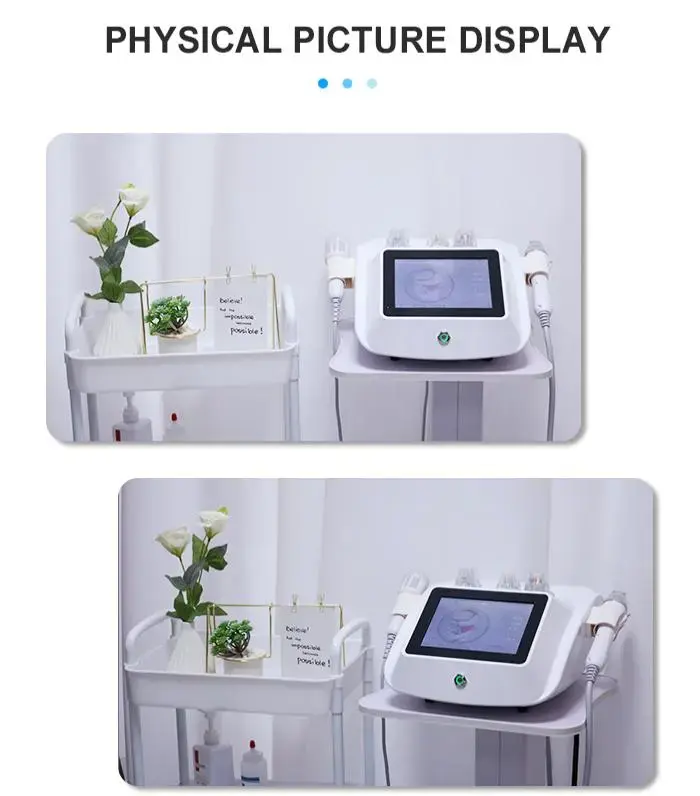
Our advanced rf fractional microneedling machine systems have a depth control range of 0.5 to 3.5 mm, a power output of 10 to 200 W, and a number of cartridge configurations (10-pin, 25-pin, 64-pin, and nano-needle options). They also have built-in ice hammer attachments to make the procedure more comfortable for the patient. These specifications give clinical results that are on par with high-end brands while saving more money on purchases.
We offer full business-to-business support, including OEM customization services, savings for big purchases, complete operator training materials, and quick technical help at susan@taibobeauty.com. Our skilled packaging and two-year warranty program will protect your investment in tools for as long as it works. You can find out more about our products at taibolaserbeauty.com, ask for catalogs with wholesale prices, or set up factory tours that show off our direct manufacturing skills and high quality standards.
References
1. Anderson, R.R., Donelan, M.B., Hivnor, C., et al. (2014). "Laser treatment of traumatic scars with an emphasis on ablative fractional laser resurfacing: consensus report." JAMA Dermatology, 150(2), 187-193.
2. Chandrashekar, B.S., Sriram, R., Mysore, R., et al. (2014). "Evaluation of microneedling fractional radiofrequency device for treatment of acne scars." Journal of Cutaneous and Aesthetic Surgery, 7(2), 93-97.
3. Gozali, M.V., Zhou, B. (2018). "Effective treatment of atrophic acne scars using fractional microneedling radiofrequency in Asian skin." Journal of Clinical and Aesthetic Dermatology, 11(12), 39-43.
4. Hantash, B.M., Ubeid, A.A., Chang, H., et al. (2009). "Bipolar fractional radiofrequency treatment induces neoelastogenesis and neocollagenesis." Lasers in Surgery and Medicine, 41(1), 1-9.
5. Kim, S.T., Lee, K.H., Sim, H.J., et al. (2017). "Treatment of acne scars using a fractional radiofrequency microneedling device in Korean patients." Dermatologic Surgery, 43(12), 1494-1502.
6. Vejjabhinanta, V., Wanitphakdeedecha, R., Limtanyakul, P., et al. (2014). "The efficacy in treatment of facial atrophic acne scars in Asians with a fractional radiofrequency microneedle system." Journal of the European Academy of Dermatology and Venereology, 28(9), 1219-1225.





YOU MAY LIKE