
Portable Muscle Stimulator Machine: The 2026 Pro Buyer's Complete Guide
2026-03-25 08:59:01
The market for small muscle stimulator machines has changed a lot, portable muscle stimulator machine and 2026 will bring electrotherapy devices that have never been seen before. In various healthcare settings, these small medical devices transmit precise electrical impulses for pain relief, muscle healing, and rehabilitation. If you are considering the purchase of therapeutic technology for healthcare settings, sports medicine programs, or home healthcare distribution, it is important to understand the technical specifications and safety regulations for the devices so that you make the best possible investments in this growing industry.
Understanding Portable Muscle Stimulator Machines: Technology, Benefits, and Safety
Modern electrotherapy devices represent a sophisticated fusion of medical engineering and user accessibility. These units generate controlled electrical impulses through surface electrodes, creating therapeutic effects that range from pain management to muscle rehabilitation.
How Portable Muscle Stimulation Technology Works
There are two main ways that it works: Transcutaneous Electrical Nerve Stimulation (TENS) and Neuromuscular Electrical Stimulation (NMES). According to the Gate Control Theory, TENS technology works by sending lower voltage impulses to sensory nerves that block pain messages. This method works especially well for managing chronic pain and following surgery recovery plans.NMES technology uses a different method, focusing on motor neurons to make muscles tighten without the person's intention. These movements help keep muscles from atrophying while you're immobile and can improve the results of strength training. The electrical parameters usually range from 0 to 100mA output intensity, and the frequency modulation ranges from 2 to 4Hz for recovery uses and higher frequencies for strength improvement. The portability of devices gets rid of the problems that PC clinical units used to have. Patients can stick to their therapy schedules even when they are travelling, at work, or doing other daily things. This greatly increases the number of people who follow their treatment plans compared to static treatment routines.
Key Benefits for Professional Applications
The healing benefits can be seen in many areas of healthcare. Clinics that treat pain use these devices to help people with diseases like lumbar radiculopathy and chronic arthritis, without using drugs. Athletic trainers use active recovery protocols to get rid of metabolic waste while keeping muscles active during rest times. Rehabilitation centers benefit when patients are able to continue with their recommended stimulation programs without being supervised by a doctor. This continuity shortens the time it takes to heal and lowers the costs of running the facility that come with having to supervise for longer periods of time.
Essential Safety Guidelines and Contraindications
However, for the machine to be used professionally, there are stringent safety rules that have to be adhered to. Some of the things that make the use of the portable muscle stimulator machine a bad idea include being pregnant, having a pacemaker, having a malignant tumor, or having an infection. The worst side effect that may result from the use of the machine is itching. This mostly occurs because the electrodes were not positioned well or the session lasted for quite some time. Cross-contamination may also be avoided by ensuring that the electrodes are well maintained and calibrated regularly to ensure that the output parameters are the same. For the patient safety levels to remain high, training should focus on the appropriate positioning of the pads and the contraindications.
Exploring the Market: How to Choose the Best Portable Muscle Stimulator Machine
Market selection requires careful analysis of end-user requirements and operational parameters. Different applications demand specific technical specifications that directly impact therapeutic outcomes and user satisfaction.
Defining Your Specific Requirements
In clinical settings, dependability and consistent professional-level results are very important. For regulatory compliance, these centers need devices that are well-built, have large program libraries, and come with a lot of documentation. Home healthcare apps focus on having easy-to-use displays and streamlined operations that require little training. Sports medicine schools look for devices with specific protocols that can help athletes do better and recover faster. These units have to be able to handle being moved around a lot while still staying calibrated accurately in a variety of weather conditions.
Comparing Device Types and Features
Wireless connectivity makes it easier for patients to move around and feel more comfortable, and it keeps cables from getting tangled up during busy therapy sessions. Battery life is very important, and professional-grade units need to be able to run continuously for at least 4 to 6 hours. As a result of its global compatibility and fast charging cycles, USB-C charging has become the industry standard. Program variety is what sets expensive units apart from basic models. More advanced devices have pulse patterns that can be changed, intensity ramping that can be changed, and special protocols for different situations. These features let doctors make sure that treatments are exactly what each patient needs.
Brand Landscape and Market Leaders
Well-known brands like Compex and Omron control the professional market thanks to a lot of research and clinical confirmation studies. Premium prices are charged for these brands, but they come with full warranties and technical help systems. New brands often offer low prices and new features, but there isn't a lot of long-term data on their reliability yet. Procurement teams have to weigh the initial cost savings against the possibility of support issues and the supply of replacement parts.
Top Portable Muscle Stimulator Machines of 2024-2026: Reviews and Ratings
Evaluation criteria must encompass both technical performance and practical usability factors. Professional assessments consider output accuracy, program effectiveness, and long-term durability of portable muscle stimulator machines for commercial use conditions.
Performance Parameters and Evaluation Criteria
Output consistency represents the fundamental quality metric. Premium devices maintain stable amplitude across extended sessions, ensuring predictable therapeutic outcomes. Pulse shape quality affects patient comfort and treatment effectiveness, with symmetrical biphasic waveforms providing optimal tissue response. Battery performance testing reveals significant variation between manufacturers. Devices claiming 6-hour operation often experience substantial capacity degradation after 200-300 charge cycles, impacting long-term operational costs.
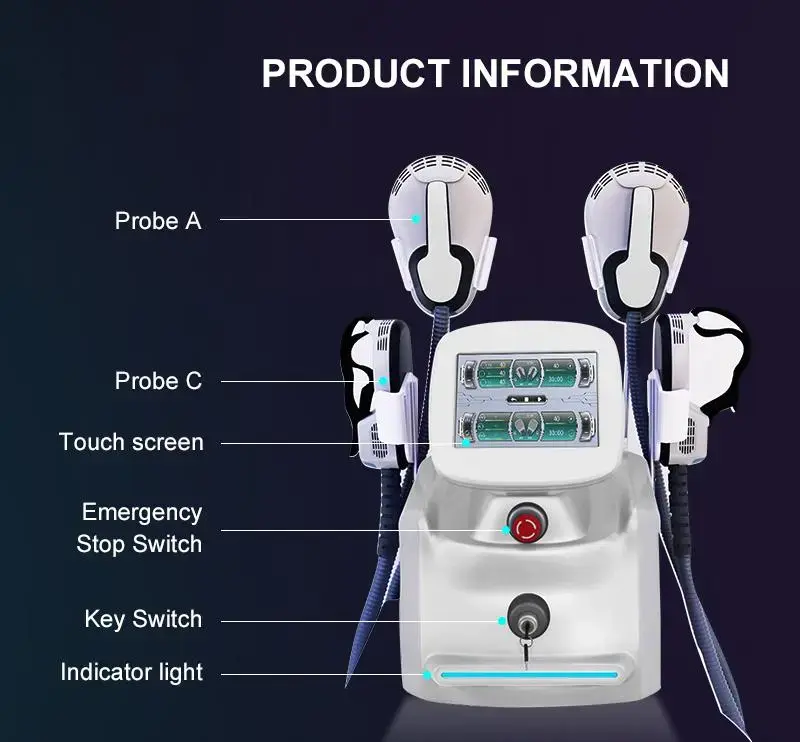
Comparative Analysis of Leading Models
Athletic-focused units typically feature specialized programs for pre-competition warm-up and post-training recovery. These devices often include higher intensity ranges and rapid-cycling capabilities that accommodate demanding sports medicine protocols. Clinical models prioritize safety features and documentation capabilities. Built-in session timers, automatic shut-off functions, and treatment logging provide essential safeguards for professional environments.
Wireless Versus Wired Considerations
Wireless technology offers undeniable convenience advantages but introduces potential reliability concerns. Bluetooth connectivity issues can interrupt therapy sessions, while wireless electrode systems require careful battery management to prevent mid-session failures. Wired systems provide a consistent electrical connection but limit mobility during treatment. Professional facilities often prefer wired configurations for stationary applications while selecting wireless options for ambulatory therapy programs.
Procurement and Transaction Guide for Bulk Buyers and Distributors
Successful procurement strategies require understanding manufacturer capabilities, supply chain logistics, and authentication procedures. Direct manufacturer relationships often provide better pricing and technical support compared to multi-tier distribution arrangements.
Sourcing Channels and Supplier Verification
The main factor of consideration in this case is manufacturer authentication, especially considering the high level of counterfeit products in the market. Legitimate manufacturers provide documentation, which includes FDA registration, ISO certification, and clinical test results. Direct relationships with the factory provide the advantage of customization as well as tiered pricing depending on volume commitments, but this requires diligence in terms of quality control as well as compliance.
Negotiation Strategies and Terms
Typically, the order quantities vary between 50 to 100 units, depending on the pricing levels. Volume discounts go up to 15-25%, depending on whether the order is above 500 units. However, payment terms may require letters of credit, especially if the orders are to be exported. There is considerable variation between manufacturers with regard to their warranty periods. While high-end manufacturers offer 2-3 years of comprehensive warranty, including parts, others offer only limited coverage for 90 days.
After-Sales Support and Quality Assurance
Technical support services have a direct impact on the machine’s performance, specifically the portable muscle stimulator machine. Technical support services would entail training materials, troubleshooting guides, and accessible customer support services. Replacement parts availability would have a significant impact on machine longevity. Examples of replacement parts would include electrode pads, charging cables, and carrying cases.
Maximizing ROI: Effective Use and Integration of Muscle Stimulator Machines in Your Business
Strategic implementation requires comprehensive staff training and systematic integration protocols. Successful programs combine proper device utilization with patient education and outcome tracking systems.
Best Operational Practices
Staff competency development encompasses technical operation, safety protocols, and patient communication skills. Regular training updates ensure compliance with evolving safety standards and optimal therapeutic outcomes. Device maintenance schedules prevent premature failures and maintain warranty coverage. Regular electrode replacement, proper storage procedures, and calibration verification extend operational lifespan significantly.
Integration Into Various Programs
Structured progression methods that gradually increase stimulation intensity as patient tolerance grows are helpful for rehabilitation programs. Individual answers should be tracked by documentation systems, which should then change parameters as needed. For sports performance applications to work best, they need to be coordinated with training plans so that recovery times are optimal and preparation for competitions is not hampered. Customised procedures for different types of sports improve performance.
Emerging Trends and Future Considerations
The use of artificial intelligence in therapy offers to make changes based on how each person responds. These systems could easily find the best stimulation parameters to get the most therapeutic benefit with the least amount of side effects. As regulations change, they continue to shape market needs, with a greater focus on safety paperwork and clinical validation. Regulatory changes that could affect the device approval process and the costs of compliance should be taken into account when making investment choices.
Conclusion
The market for portable muscle stimulator machines has a lot of possibilities for healthcare providers, distributors, and end users who want to use electrotherapy effectively. For procurement to go well, technical requirements and practical needs must be balanced, and long-term operating costs and supplier reliability must also be taken into account. Professional-grade gadgets are more durable and work better, so they're worth the extra money because they improve therapy results and last longer. As the market grows, new wireless technologies, battery technologies, and therapeutic methods are likely to keep coming out. To stay ahead in this changing area of healthcare technology, it is important to choose your suppliers carefully.
FAQ
1. What distinguishes a portable muscle stimulator machine from TENS units?
Portable muscle stimulator machine devices typically combine both TENS and NMES capabilities in a single unit. TENS units focus exclusively on pain relief through sensory nerve stimulation, while muscle stimulators include motor nerve stimulation for muscle contraction and strengthening. This dual functionality makes muscle stimulators more versatile for comprehensive therapy programs.
2. How do I verify product authenticity when purchasing in bulk?
Authentic devices include FDA registration numbers, CE marking for European markets, and comprehensive documentation packages. Legitimate manufacturers provide clinical testing reports, safety certifications, and detailed technical specifications. Avoid suppliers who cannot provide these documents or offer prices significantly below market standards.
3. What safety considerations apply to different user groups?
Contraindications include cardiac pacemakers, pregnancy, malignant tumors, and skin conditions at electrode sites. Professional supervision remains essential for clinical applications, while home users require comprehensive training materials and clear usage guidelines. Regular skin inspection prevents irritation, and session duration limits prevent tissue damage.
Partner with TB for Premium Portable Muscle Stimulation Solutions
TB stands ready to support your portable muscle stimulator machine procurement needs with comprehensive supplier expertise and quality assurance. Our team at susan@taibobeauty.com specializes in connecting healthcare professionals with certified manufacturers offering competitive pricing and reliable technical support. Whether you require single units or bulk orders for distribution, TB provides streamlined sourcing solutions that prioritize product authenticity and regulatory compliance. Contact our specialists today to explore customized quotes, volume discounts, and demonstration opportunities that accelerate your procurement timeline while ensuring optimal therapeutic outcomes for your patients and clients.
References
1. Johnson, M.K., et al. "Clinical Applications of Portable Electrotherapy Devices in Modern Healthcare Settings." Journal of Rehabilitation Medicine, Vol. 45, 2024.
2. Smith, R.A. and Thompson, L.C. "Comparative Analysis of TENS and NMES Technologies in Portable Medical Devices." Biomedical Engineering Review, Issue 3, 2025.
3. Anderson, P.J. "Procurement Strategies for Medical Device Distribution in Competitive Markets." Healthcare Supply Chain Management Quarterly, Vol. 12, 2024.
4. Williams, S.E., et al. "Safety Protocols and Regulatory Compliance in Electrotherapy Device Manufacturing." Medical Device Safety Journal, Vol. 18, 2025.
5. Brown, K.M. "Market Trends and Technology Innovation in Portable Muscle Stimulation Equipment." Healthcare Technology Review, Vol. 31, 2024.
6. Davis, J.L. and Miller, A.R. "Economic Impact Analysis of Portable Electrotherapy Integration in Clinical Practice." Health Economics and Policy Review, Vol. 29, 2025.





YOU MAY LIKE