
Portable Fractional CO2 Laser Machine Buyer’s Guide for Clinics
2026-07-28 08:58:11
Choosing the right Portable fractional co2 laser is a very important step for clinics that want to improve their aesthetic services while also making the best use of their space and time. These small devices use advanced 10,600nm wavelength technology to resurface the skin to a professional level. They do this by making controlled micro-thermal zones that boost collagen production without hurting the surrounding tissue. Modern portable units, unlike older stationary systems, offer professional-grade performance and mobility, allowing deployment across multiple rooms and better asset utilization—important factors for spas, dermatology practices, and wellness centers seeking a competitive edge in today's demanding aesthetic market.
Understanding Portable Fractional CO2 Laser Technology
What Makes Fractional CO2 Technology Different
A single laser beam is split into thousands of very small treatment columns to make portable fractional co2 lasers work. At a frequency of 10,600nm, each column goes through the skin and makes what doctors call Micro-Thermal Zones (MTZs). This method treats about 15 to 20 percent of the area that needs to be treated each time, leaving healthy tissue alone in the areas between treatment zones. When compared to fully ablative procedures, the downtime is much shorter because the areas that weren't treated act as reservoirs for fast healing.
The body's natural way of treating wounds is set off by the thermal energy these small cuts create. Over the next few weeks, fibroblasts will gradually improve the skin's structure, tone, and stiffness as they divide and make new collagen and elastin. Because it causes controlled damage, fractional technology is great for getting rid of acne scars, lines, uneven skin tone, and loose skin.
Portable Versus Stationary Systems
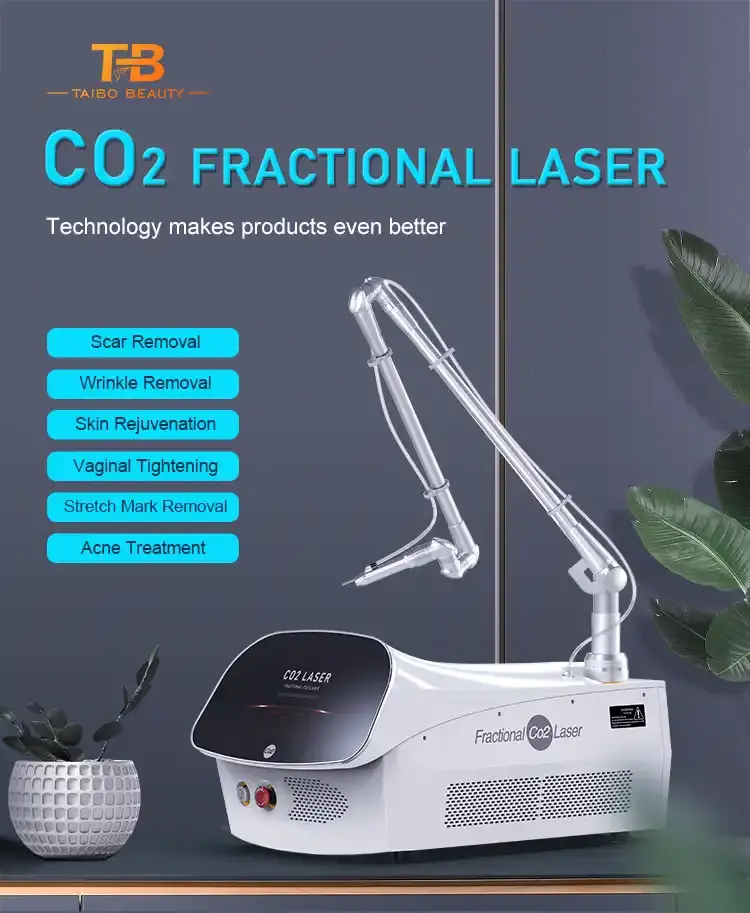
The trade-off between portability and clinical power has been eliminated by the development of Portable fractional CO2 laser systems. In the past, movable devices that were small and light traded pulse energy, which made them less useful for deep resurfacing. The latest models use RF-excited metal tube technology and advanced cooling systems to deliver 30–40W of real output power, which is about the same as floor-standing consoles but still fits on a desk.
Metal tube lasers are clearly better than glass tube lasers in many ways. The beam quality is still very good, and it can reach spot sizes as small as 0.1 mm, which lets you do precise work in the delicate areas around the eyes. If you follow the right maintenance steps, metal tubes can also last for up to seven years, while glass tubes usually need to be replaced after 18 to 24 months of regular clinical use.
Portable units work great for offices that have more than one treatment room or that offer mobile services. The 7-joint flexible arm that is built in makes it easy to move and delivers the beam consistently at different treatment angles. Water cooling systems keep performance stable during long treatment sessions, stopping thermal drift that could change the consistency of the treatment.
Clinical Applications and Treatment Outcomes
These devices support multiple clinical applications. Ultra-pulse modes treat deep acne scars using high-energy short pulses that protect surrounding dermis, while standard modes address fine lines and photodamage with predictable results and minimal downtime. Body applications include stretch marks and surgical scars via specialized handpieces. Vaginal rejuvenation using 10,600nm 360-degree probes promotes collagen remodeling and tissue tightening. Typical facial treatments involve 3–5 days downtime with mild erythema, and proper post-care reduces complications like post-inflammatory hyperpigmentation.
Key Considerations When Choosing a Portable Fractional CO2 Laser
Technical Specifications That Matter
Laser output power (30–40W real output) determines treatment range and effectiveness, supporting both superficial rejuvenation and deep resurfacing. Adjustable pulse modes control thermal depth based on skin type. Stable 10,600nm wavelength (±0.1μm) ensures consistent water absorption and predictable healing. Variable spot sizes (0.1mm+) allow precise treatment across facial areas, while a 7-joint articulated arm maintains stable beam delivery and prevents uneven energy distribution.
Treatment Customization and Mode Selection
Modern systems offer multiple output modes for different clinical applications. Dot matrix fractional mode allows adjustable density and energy for skin resurfacing, while pulse modes such as long and super pulse control ablation and coagulation balance. Private and vulvar modes use lower density and modified parameters for sensitive tissues, enhancing collagen stimulation with reduced discomfort. A 10.4-inch touchscreen enables quick adjustment of settings during procedures, reducing errors and improving clinical efficiency.
Regulatory Compliance and Safety Standards
For European and foreign markets, CE marking and ISO 13485 certification are basic needs. These approvals show that the company keeps quality control systems that meet standards for medical devices. Devices that don't have these credentials pose big liability risks and might have trouble with customs or regulations.
For the US market, FDA clearance is still the gold standard, but many foreign producers are working their way up to this approval. Clinics should check the exact legal situation that applies to their area. Equipment used for things that aren't supposed to be used for them or without the right licensing can make insurance coverage null and void, leaving practices open to legal risk.
Some high-quality devices have safety features built in, like beam termination systems that stop operation if scanning goes wrong, keeping tissues from getting hurt by accident. Collision sensors in articulated arms keep both patients and workers safe. Treatment parameter lockouts stop high-energy exposures that happen by accident during setup or calibration.
Market Overview: Top Portable Fractional CO2 Laser Machines of 2026
Leading Manufacturers and Market Positioning
There are both well-known medical laser companies and specialised companies that make beauty tools in the global market for Portable fractional CO2 laser systems. Since it started making products in 2009, Taibo Laser Beauty has more than 15 years of experience. It is a leader in the specialised beauty equipment market. With their RF metal tube technology and wide range of certifications, the company makes their products competitive for medical spas and dermatology centers.
Product reliability is directly linked to manufacturing experience. When compared to OEM wholesalers, companies with their own R&D teams and production units show better quality control. Having the purchasing, quality inspection, packaging, and after-sales departments all in the same building helps Taibo solve problems quickly and make sure that all of their units follow the same product standards.
The price of a device depends on its features and the accessories that come with it. Portable systems with glass tubes and simple handpieces start at about $8000 to $12000, while professional-grade metal tube units with different treatment modes and special tools cost between $15000 and $30000. By buying in bulk, you can save 15 to 25 percent on each device, which is good for practices with multiple locations or distributor partners who want to improve their return on investment.
Warranty and After-Sales Support Considerations
Quality Portable fractional CO2 lasers now come with warranties that last for two years. The laser tube, power source, scanning system, and flexible arm should all be protected because they are the most likely to break in the first few months of use. Manufacturers who offer warranties longer than two years show that they are confident in the quality of their parts and the way they are put together.
Infrastructure for after-sales help has a big effect on the long-term value of a gadget. The 24-hour technical help and multilingual service teams at Taibo Laser take away the problems that many businesses have with buying equipment from abroad. Video training, thorough operating instructions, and remote troubleshooting make it possible to keep downtime to a minimum when questions or problems come up.
The supply of replacement parts and the procedures of shipping should be carefully looked at. Parts can be delivered faster by manufacturers with regional warehouses or networks of distributors than by manufacturers who only ship from their headquarters. The articulated arm and scanning head have optical parts that need to be replaced every so often. Before you buy these items, check the lead times and prices for them.
Training and Integration Services
Professional equipment providers are different from transactional vendors because they offer full user training. Good manufacturers give thorough training on how to use the device, follow treatment plans, choose the right patient, and handle complications. Taibo has both video-based learning lessons and live video training events so that people can choose the way they want to learn and the time they have available.
When a lot of things are bought, on-site installation and training services take away the risk of setting things up remotely. Technicians can make sure the devices work right, train multiple staff members at once, and answer questions about how to integrate devices that are special to a building. This service is usually only available for orders of three or more units, but it could be worked out for strategic partnerships.
Language customisation services, such as translated documents and interfaces, make it easier for people in different areas to use the product. Practices that see patients who speak more than one language can benefit from systems that show treatment factors in the languages that staff prefer. This lowers the chance of misunderstandings during procedures.
How to Match Portable Fractional CO2 Lasers to Your Clinic's Needs
Assessing Treatment Volume and Specialty Focus
Medical spas that do 30 to 40 procedures per week and small dermatology practices that do 5 to 10 laser treatments per week need different kinds of equipment. The necessary duty cycle, or the amount of time the device can work before it needs to be turned off, is affected by the treatment volume. Metal tube systems that are cooled by water can run continuously longer than those that are cooled by air.
Speciality focus shapes the most important feature needs. Facial rejuvenation practices put a high value on precise spot size control and a range of pulse duration options. Clinics that offer services for personal health need vaginal handpieces and special ways to treat patients. Comprehensive systems with a variety of handpieces and treatment modes help multi-specialty centers get the most out of their devices across all service lines.
When you live in a city, where space is limited, portability is very useful. When not in use, desktop units that take up less than two square feet of table space can be put away, making room in the treatment room for other equipment. The mobility benefit also applies to practices that offer services in more than one place; one device can be moved from one location to another on different days.
Integration With Existing Treatment Protocols
For technology integration to work, it needs to be in line with how things are done in hospital settings now. If a practice already does chemical peels or microneedling, Portable fractional CO2 laser treatments are a natural way to add more services that address deeper issues that these methods can't. The technology doesn't replace existing services; instead, it adds to them. This makes treatment ladders that work for patients with different budgets and levels of patience for downtime.
How well a project goes depends on how skilled the staff is. Clinics with laser operators who are skilled can get the most out of advanced features like ultra-pulse modes and custom scanning patterns. For practices that are new to laser treatments, they might start by using pre-set protocols while their staff learns how to use them properly. As they get better, they can move on to more complex applications.
Demographics about patients help with marketing and making protocols. Younger patients usually want treatments for acne scars that don't require a lot of rest. They like lighter fractional settings with healing times of two to three days. Patients over the age of 18 who want to look and feel much younger may be willing to take 5 to 7 days off for more aggressive settings that produce dramatic changes.
Return on Investment Analysis
ROI analysis considers treatment pricing, frequency, and operating costs. Portable fractional CO2 laser sessions typically range from $800–$1,500, with 1–3 sessions needed for optimal results, allowing a $20,000 device to break even in roughly 15–25 treatments. Low consumable costs, aside from occasional optical part replacement and cooling water, improve profitability compared to IPL or RF systems. Expanding into high-value services like vaginal rejuvenation ($1,500–$3,000 per session) further increases revenue potential and overall ROI.
Practical Buying Guide: Steps and Tips for Procurement Managers
Defining Requirements and Budget Parameters
Clear procurement requires defining needs across marketing, clinical, and administrative teams to ensure alignment with patient demand, positioning, and budget. Total budget should include equipment cost, installation, training, marketing, and initial operating capital, accounting for a 3–6 month ramp-up period. Financing options such as leasing (10–20% down, 36–60 months) or manufacturer programs help preserve cash flow while maintaining predictable monthly expenses.
Vendor Evaluation and Due Diligence
Vendor evaluation requires careful comparison of true vs peak power, tube type (metal or glass), cooling system design, and included accessories, as these explain price differences. When possible, assess manufacturing quality through onsite visits or virtual tours focusing on production areas, QC stations, and inventory systems. Reference checks with long-term users are essential to verify real-world performance, service responsiveness, clinical outcomes, and implementation issues before purchasing decisions.
Implementation and Staff Training
For completion to go smoothly, there needs to be committed project management from placing the order to treating the first patient. Pick an internal leader who will be in charge of arranging delivery, setup, training, getting ready for marketing, and developing protocols. This focused accountability keeps implementation from being held up and preparations from being left unfinished.
Plan to give your staff thorough training before you start advertising the new service. Operators need to practise using the tools, choosing the right treatment method, and choosing the right parameters. Support staff need to learn about how to get patients ready for treatment, how to give them aftercare advice, and how they should look after treatment so they can talk to patients with confidence.
Maintenance and Long-Term Support
Preventive maintenance should follow manufacturer guidelines, including arm alignment checks, optical cleaning, cooling system inspection, and software updates to maintain performance and extend equipment lifespan. Service contracts covering parts, labor, and preventive maintenance help control costs and improve response speed. Basic plans may exclude routine repairs, increasing out-of-pocket expenses. Clinics should also maintain direct communication with technical support, store contact details, and define escalation procedures to ensure timely issue resolution.
Conclusion
A Portable fractional CO2 laser system is a smart move that can improve your clinic's services and help it stand out from the competition. Because they can be used in a variety of clinical settings, take up little space, and work well enough for professionals, these devices are useful for all kinds of practices, from small medical spas to well-known dermatology centers. To be successful, you need to pay close attention to technical requirements, legal compliance, provider dependability, and planning for implementation. Procurement managers and clinic owners can easily make the selection process by following the advice in this buyer's guide. They can choose equipment that helps patients get better and supports long-term business growth.
FAQ
1.What recovery time should patients expect after fractional CO2 laser treatments?
How long it takes to recover depends on how hard the treatment was and how well the person is healing. Light fractional treatments usually cause light redness and dryness for two to three days. These treatments are good for people who can't handle a lot of downtime. Moderate treatments cause more visible redness and some crusting to last for four to five days. For people with deep scars, aggressive resurfacing may take 7–10 days before they feel ready to go back to their normal social lives. Aftercare with barrier repair products and staying out of the sun have a big effect on how quickly you heal and how well the final result is.
2.How do portable fractional CO2 lasers compare to stationary units in treatment effectiveness?
When the specs are right, modern Portable fractional CO2 lasers that use RF metal tube technology give the same clinical results as traditional floor-standing units. The most important thing is the real power output, not the shape of the gadget. A portable unit with a real output of 35–40W works the same as a fixed system with the same specs. The main benefit of fixed units is that they can keep things cooler for longer periods of time, which is useful in high-volume surgical settings but not so much in aesthetic offices.
3.Are these devices safe for all skin types and ages?
When doctors change the settings correctly, fractional CO2 technology can be safely used on a range of skin types. Fitzpatrick skin types I–III can handle standard procedures well. Types IV–VI need different settings, such as lower energy levels, denser patterns, and the right skin preparation before treatment to lower the risk of post-inflammatory hyperpigmentation. When thinking about age, it's more about what you can realistically expect to happen and how well you can heal than about absolute contraindications. Most practitioners work with people from their late teens to their late 80s and 90s, changing their methods based on each person's needs.
Partner With Taibo for Your Portable Fractional CO2 Laser Needs
Taibo Laser Beauty has been making specialised products for 15 years and can help practices that need reliable Portable fractional CO2 laser solutions. Dermatology centers and medical spas need quality guarantee, and our metal tube technology, full two-year warranty, and CE/ISO 13485 certifications give them that. As the only supplier that makes Portable fractional CO2 lasers, we have full control over the whole production process, from research and development to final quality control. This way, we can be sure that every unit works the same way. Our international technical support team is available 24 hours a day, 7 days a week to help you with anything. They also offer full video training and thorough guidelines to speed up the success of your implementation. Our team knows the clinical and business challenges you face, whether you're adding new services to an existing aesthetic practice or growing an existing one. You can email susan@taibobeauty.com to set up a virtual presentation, talk about your unique needs, or ask for a full quote. We would love the chance to show you how our Portable fractional CO2 laser systems can improve your clinical abilities while giving you a great return on investment. You can see all of our products at taibolaserbeauty.com, which is why clinics in 180 countries trust Taibo for their beauty equipment needs.
References
1. Anderson, R.R., and Parrish, J.A. (1983). "Selective Photothermolysis: Precise Microsurgery by Selective Absorption of Pulsed Radiation." Science, 220(4596), 524-527.
2. Brightman, L., et al. (2009). "Fractional Photothermolysis: Bridge Between Ablative and Non-Ablative Laser Resurfacing." Dermatologic Surgery, 35(8), 1145-1161.
3. Hantash, B.M., et al. (2007). "Fractional Photothermolysis: A Novel Approach to Skin Resurfacing." Journal of Biomedical Optics, 12(3), 034008.
4. Kazlouskaya, V., et al. (2018). "Fractional Carbon Dioxide Laser for the Treatment of Aesthetic and Reconstructive Conditions: A Comprehensive Review." Dermatologic Therapy, 31(6), e12723.
5. Manstein, D., et al. (2004). "Fractional Photothermolysis: A New Concept for Cutaneous Remodeling Using Microscopic Patterns of Thermal Injury." Lasers in Surgery and Medicine, 34(5), 426-438.
6. Tierney, E.P., and Hanke, C.W. (2011). "Ablative Fractional CO2 Laser Resurfacing for the Neck: Prospective Study and Review of the Literature." Journal of Drugs in Dermatology, 10(6), 605-610.





YOU MAY LIKE