
Portable Fractional CO2 Laser: Complete Guide for Skin Resurfacing and Scar Removal
2026-08-14 09:30:07
The portable fractional co2 laser has revolutionized aesthetic treatments by delivering professional-grade skin resurfacing in a compact, mobile format. This comprehensive guide explores how fractional CO2 laser systems work, their clinical applications in scar removal and skin rejuvenation, and what B2B buyers—from spa owners to dermatology clinic managers—need to know before investing. As the U.S. medical aesthetics market continues expanding, understanding the technical specifications, safety certifications, and practical advantages of these devices becomes crucial for businesses seeking to enhance service offerings while maintaining competitive positioning. Whether you operate a wellness center or distribute aesthetic equipment, this guide provides the insights necessary to make confident purchasing decisions that align with both clinical excellence and business profitability.
Understanding Portable Fractional CO2 Laser Technology
How Fractional CO2 Lasers Create Microthermal Zones
At a frequency of 10,600nm, portable fractional co2 lasers target water molecules in skin tissue to cause controlled heat damage. Traditional ablative lasers treat large areas of surface, but fractional technology creates thousands of tiny treatment areas, which are called microthermal zones (MTZs). These tiny columns of targeted tissue, which only affect about 15 to 20 percent of the treatment area, start the body's natural healing process while leaving the tissue around them unharmed. This selective approach shortens the time it takes to recover and lowers the risk of complications. This makes treatments easier for patients to handle and improves the efficiency of clinic operations.
Metal Tube Technology Delivers Superior Performance
RF-excited metal tube lasers are used in newer compact systems instead of older glass tube types. Metal tubes make a finer beam with spot sizes as small as 0.1 mm, which makes it possible to treat delicate areas like the eyes and mouth more precisely. These high-tech tubes keep putting out the same amount of power for 5 to 7 years, which is a lot longer than glass options, which usually break down in two years. The difference has a direct effect on your bottom line—less tube replacements mean lower prices and service performance that doesn't stop. If you're serious about aesthetics, you should make sure that any devices you look at are made of metal tubes.
Multiple Output Modes Expand Treatment Versatility
Professional-grade portable fractional CO2 lasers have different modes of operation that can be used to treat a range of skin problems. The standard fractional design can be made in dot matrix mode, which is great for resurfacing and scar revision. Practitioners can change the amount of heat penetration based on the type of skin and treatment goals by using pulse modes like long pulse and super pulse. Some more advanced units have special modes for private health treatments like vaginal rejuvenation and vulvar lightening. This gives forward-thinking clinics more ways to make money. Because it can do so many things, this one device can be used for a wide range of treatments and cosmetic issues for a wide range of patients.
Safety Features and Certification Standards
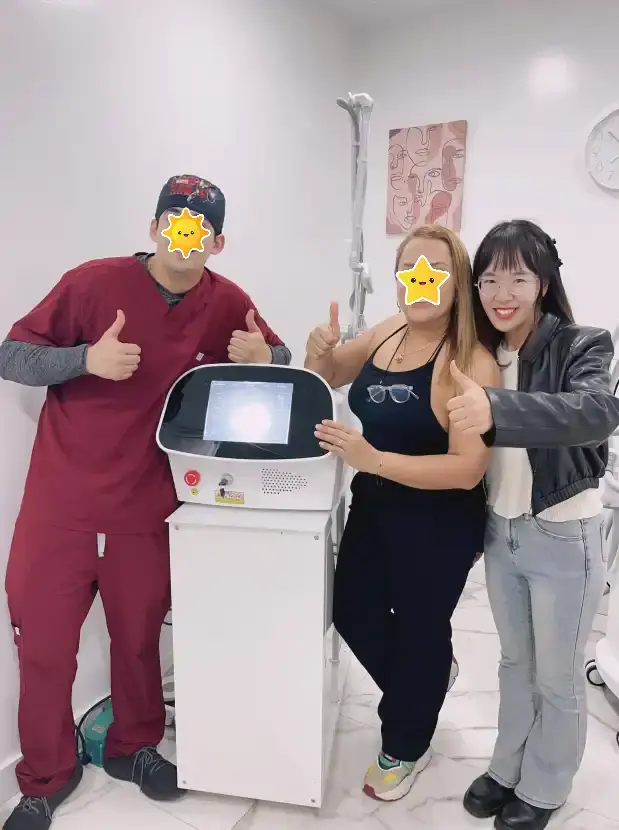
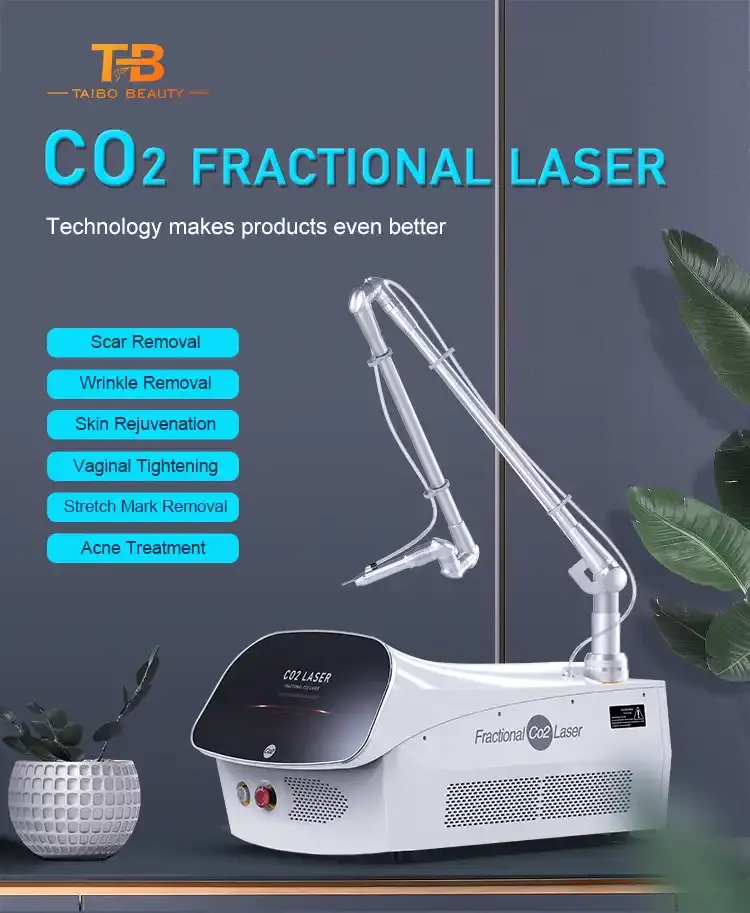
Clinical safety depends on good engineering and following the rules. Good portable CO2 fractional systems use water cooling to keep the system's temperature fixed during long treatment sessions. The 7-joint articulated arm design lets you precisely position the handpiece and keeps the internal optics from getting out of alignment while you're transporting it. Look for products that have been approved to meet the safety standards set by the European Community (CE) and the International Organization for Standardisation (ISO) 13485. These licenses are more than just pieces of paper; they are the result of strict testing procedures that keep both doctors and patients safe. The 10.4-inch colour touchscreen should make it easy to change the power settings, pulse length, and treatment patterns. This should cut down on human error and make treatments more consistent.
Comparison and Evaluation of Portable Fractional CO2 Laser Devices
Portable Versus Stationary Systems
The switch to portable fractional CO2 lasers solves a major problem that modern artistic practices have with room. Traditional floor-standing desks need their own treatment rooms and make it harder to organise work flow in places with more than one service. Portable devices cut down on the space needed for equipment by more than 60% while still giving the same clinical results. When specs are the same, this smaller size advantage doesn't hurt performance—a 30–40W RF metal tube in a portable chassis makes the same microthermal zones as its bigger counterpart. The useful benefit goes beyond saving floor space. Mobile units can be moved between treatment rooms, help with events that happen off-site, and fit the needs of practitioners who work in more than one place, which makes the best use of tools and increases the return on investment.
Comparing CO2 to Alternative Resurfacing Technologies
Buyers can choose the best tool for their patients if they know how fractional CO2 systems compare to other technologies. Erbium lasers work at 2940nm, which means they can ablate more deeply with less thermal damage. This makes them great for light photoaging but not so great for deep acne scars. Microneedling RF devices use both mechanical needling and radiofrequency energy to treat the deeper layers of the skin. They do this without burning of the skin's surface, but it takes more sessions to get the same effects. When it comes to mild to serious textural problems, CO2 lasers work wonders, and they show huge improvements in fewer sessions. The 10,600nm range offers the deepest controlled ablation in non-surgical resurfacing, making it the best choice for fixing large scars and slowing down the signs of ageing.
Essential Features That Define Quality Equipment
When looking at portable fractional CO2 lasers, there are a few things that set professional-grade tools apart from cheaper options made for consumers. It's important that the power output is actually higher than 40W so that enough energy can be delivered to safely treat scar tissue and darker skin tones. The seven joints in the flexible arm design must keep the beam aligned. If they are out of line, power is lost and dangerous heat builds up at the tip of the handpiece. A lot of buyers don't realise how important interface design is. A tablet that responds and has settings that are easy to use cuts down on training time and treatment mistakes. For long-lasting high-power treatments, water cooling systems work better than air cooling, so the clinic doesn't have to shut down because of heat. Lastly, make sure that the 635nm range of indicating light makes treatment aiming easy to see without getting in the way of the main laser beam.
Certification Requirements for U.S. Market Entry
In U.S. aesthetic practices, using a laser device means following certain rules and regulations. The CE mark shows that a product meets European standards and is also the standard for worldwide trade. If a company has ISO 13485 certification, it means they follow quality management systems that are made just for medical devices. These certificates show that the production process includes proper risk assessment, tracking of parts, and inspection after the product has been sold. Customs officials and state health departments may ask for proof during checks, so businesses should make sure that suppliers provide all the paperwork that backs up these licenses. Reputable companies like Taibo Beauty keep their certifications up to date and can provide proof letters when needed. This makes it easier for both wholesalers and end users to follow the rules.
Procurement Guide for Portable Fractional CO2 Lasers
Identifying Reliable Suppliers and Manufacturers
Choosing the right provider relationship has a bigger effect on your long-term success than the price you pay at first. Manufacturers who have been in business for 15 years or more show steadiness and technical refinement that younger companies can't match. When you buy directly from a factory like Xi'an Taibo Laser Beauty, you skip the markups that come from middlemen and get access to engineering support and original replacement parts. Ask for facility certifications, details on output capacity, and client examples from companies in your market that are similar to yours. If a supplier is willing to let you visit their factory and give you clear information about how they run their business, that shows that they have faith in their quality systems. Companies that make more than just portable fractional CO2 lasers are likely to have more technical knowledge and better relationships with their suppliers, which lowers the risks that come with companies that only make one product.
Warranty terms reveal manufacturer confidence in equipment reliability and their commitment to customer relationships. All parts should be covered by standard two-year warranties, except for refills and damage caused by abuse. Check carefully to see what the word "warranty" really means. Some makers only cover major parts and charge extra for labour and shipping. During the coverage time, comprehensive agreements offer free new parts, return shipping that is paid for, and expert help over the phone. How quickly you can start making money again after a problem occurs depends on your after-sales service infrastructure. Make sure that sellers keep enough spare parts on hand to ship replacements within 48 hours. Many problems can be fixed without taking the equipment offline thanks to remote diagnostics via video call. When you buy from a company with dedicated after-sales teams that work in different time zones, you can be sure that you can get technical support whenever you need it.
Negotiating Bulk Purchases and OEM Opportunities
When you buy in bulk, you can get big discounts on prices and make changes that single-unit buyers can't make. Distributors and managers with multiple locations should use their buying power to get better prices, longer payment terms, and unique specs. A lot of companies make OEM services that let you change the branding, the software interface, and the accessory packages to fit the needs of different market segments. When talking about OEM deals, make sure you understand the minimum order numbers, wait times, and intellectual property rules. Some makers offer free logo placement and unique colour schemes for orders that go over certain minimums. This lets brands stand out without having to spend money on new tools. Payment flexibility is important for businesses that need to keep track of their cash flow during inventory cycles. Suppliers that have been around for a while can usually work with bank transfers, credit cards, and payment plans that are spread out over time to match up with shipping and making events.
Practical Applications and Case Studies
Skin Rejuvenation Protocols Deliver Measurable Outcomes
Portable fractional CO2 laser treatments address several signs of ageing with a single modality, which makes treatment plans and keeping track of supplies easier. During a typical renewal session, fine lines, sun damage, uneven texture, and minor laxity are all worked on. The laser makes thousands of microthermal treatment zones that help collagen change shape over the next few months. Most practitioners recommend three to five sessions, spaced out four to six weeks apart. After the first treatment, you should be able to see an improvement. Downtime is usually only 5–7 days, which is a lot less than with standard ablative resurfacing. This keeps patients happy. After three treatments, periorbital wrinkles got 40% better in a case study from a well-known dermatology practice, and the patient was very happy with the results, giving it more than 8.5 out of 10. These results directly lead to good reviews, referrals, and repeat business, all of which help the practice's reputation and keep the money coming in.
Acne Scar Revision Shows Dramatic Before-After Results
One of the hardest things about looking good is having deep acne scars, and fractional CO2 lasers are the best non-surgical way to get rid of them. Fractional treatments are good for getting rid of ice pick, boxcar, and rolling scars because they cause controlled ablation and skin remodelling. Modern devices are very accurate, so doctors can change how much energy they send to scars based on their shape and depth. Usually, treatment plans include three to five rounds, with higher and higher levels of energy as the skin gets used to them. A study that looked at 200 people with moderate to severe acne scars from four different centers found that the scars looked 50–70% better after four treatments. Investing in good equipment pays off because it produces amazing before-and-after photos of patients, which are the best marketing tool for beauty offices. When clinics offer advanced scar revision services, this type of treatment often becomes their fastest-growing one within a year of getting the equipment.
Integrating Portable Systems Into Clinical Workflows
Portable fractional CO2 lasers have a mobility benefit that goes beyond their physical size and into their operational freedom. Clinics with more than one provider can share tools so that they don't have to make duplicate financial investments. The small size allows for pop-up clinics at health fairs and corporate wellness events, which means that more patients can be helped than with traditional brick-and-mortar clinics. Some cutting-edge businesses offer mobile medical spa services that bring the tools to patients' homes or offices for easy sessions. The articulated arm design makes it easier to position the machine in an ergonomic way, no matter how the treatment room is set up, and the touchscreen interface cuts down on the time it takes to set up between patients. These useful benefits add up over thousands of treatments, increasing the return on investment of equipment through higher rates of use and more services that traditional stationary systems can't handle.
Conclusion
Portable fractional CO2 lasers are a smart investment for beauty businesses that want to offer advanced scar removal and skin resurfacing services but don't have the space or money for fixed systems. The technology has been shown to work in clinical settings and is operationally flexible enough to meet the needs of modern practice management. These lasers are built with metal tubes, have full licensing, and have multiple output modes to make sure they meet the strict standards of professional dermatology and medical spa settings. When looking at your options, give more weight to suppliers who have a history of making good products, clear warranty terms, and helpful customer service after the sale. The right partnership for equipment goes beyond the initial purchase to create long-term value through reliable performance and easy access to technical support.
FAQ
1.What differentiates metal tube from glass tube CO2 lasers?
RF stimulation is used by metal tube portable fractional CO2 lasers to make high-quality beams with spot sizes as small as 0.1 mm. This makes it possible to treat delicate face areas precisely. These tubes keep putting out the same amount of power for 5 to 7 years, while glass tubes break down in just 1 to 2 years. The improved beam quality limits the spread of heat to nearby tissue, which raises safety margins and makes the patient more comfortable. Metal tubes are also better at handling vibrations during transport than fragile glass tubes, which makes them necessary for truly portable uses.
2.Can movable units work as well as floor-standing ones?
When basic features like laser tube type, power output, and cooling system are the same, compact devices give the same clinical results. The main difference has to do with continuous duty cycles. Floor-standing units with industrial cooling are great for surgeries that go on all day, while portable systems are great for aesthetic treatments that can be done between patients. Portable units are more than enough for practices that focus on cosmetic resurfacing rather than surgical excision, and they also give those practices a lot more space and flexibility.
3.How does the device safely work with different types of skin?
The distance between microthermal zones can be changed on more advanced portable fractional CO2 lasers by changing the density settings. It is safe to treat darker skin types (Fitzpatrick IV–VI) with lower density patterns that are spaced farther apart. This is because they leave enough intact tissue to help the skin heal without causing post-inflammatory hyperpigmentation. Ultra-pulse modes send out a lot of energy in very short amounts of time. This stops heat from spreading and lowers the risk of melanocyte activation. Choosing the right parameters based on an analysis of the skin type is still very important for getting the best results for a wide range of patients.
Partner With TB for Your Portable Fractional CO2 Laser Supplier Needs
Xi'an Taibo Laser Beauty is a reliable portable fractional CO2 laser manufacturer that has been making lasers for over 15 years and works with beauty businesses in 180 countries. Professional-grade CO2 fractional laser systems with RF metal tube technology, CE and ISO 13485 certification, and full two-year warranties that protect your investment are what our factory-direct model offers. We know how hard it is for spa owners, dermatology clinics, and equipment distributors to find the right products. That's why we've set up a support system with 24-hour technical support, multilingual customer service, and fast parts replacement. Our devices have tried-and-true features like 40W+ power output, water cooling systems, and easy-to-use tablet screens that make treatment more consistent while reducing the need for training. Bulk buy programs and OEM customisation services help distributors set their products apart while giving them access to better prices. Find out how our portable fractional CO2 laser for sale can help you offer more treatments and grow your business faster. Contact susan@taibobeauty.com right away to talk about your specific needs and get personalised suggestions backed by our 15-year promise to provide the best aesthetic equipment.
References
1. Anderson, R.R., & Parrish, J.A. (1983). "Selective Photothermolysis: Precise Microsurgery by Selective Absorption of Pulsed Radiation." Science, examining foundational principles of fractional laser technology.
2. Manstein, D., et al. (2004). "Fractional Photothermolysis: A New Concept for Cutaneous Remodeling Using Microscopic Patterns of Thermal Injury." Lasers in Surgery and Medicine, documenting clinical applications of microthermal zone treatments.
3. Hantash, B.M., et al. (2007). "Fractional Photothermolysis: A Novel Aesthetic Laser Surgery Modality." Dermatologic Surgery, analyzing treatment protocols for skin rejuvenation.
4. Chapas, A.M., et al. (2008). "Successful Treatment of Acneiform Scarring with CO2 Ablative Fractional Resurfacing." Lasers in Surgery and Medicine, presenting case outcomes for scar revision applications.
5. Tierney, E.P., & Hanke, C.W. (2010). "Ablative Fractional CO2 Laser Resurfacing for the Neck: Prospective Study and Review of the Literature." Journal of Drugs in Dermatology, evaluating safety and efficacy across treatment areas.
6. Consortium of Aesthetic Medicine Research (2023). "Global Market Analysis of Portable Medical Aesthetic Devices," providing procurement insights and technology comparisons for B2B buyers.





YOU MAY LIKE