
Painless Laser Hair Removal: How It Works and What to Expect
2026-06-23 10:19:02
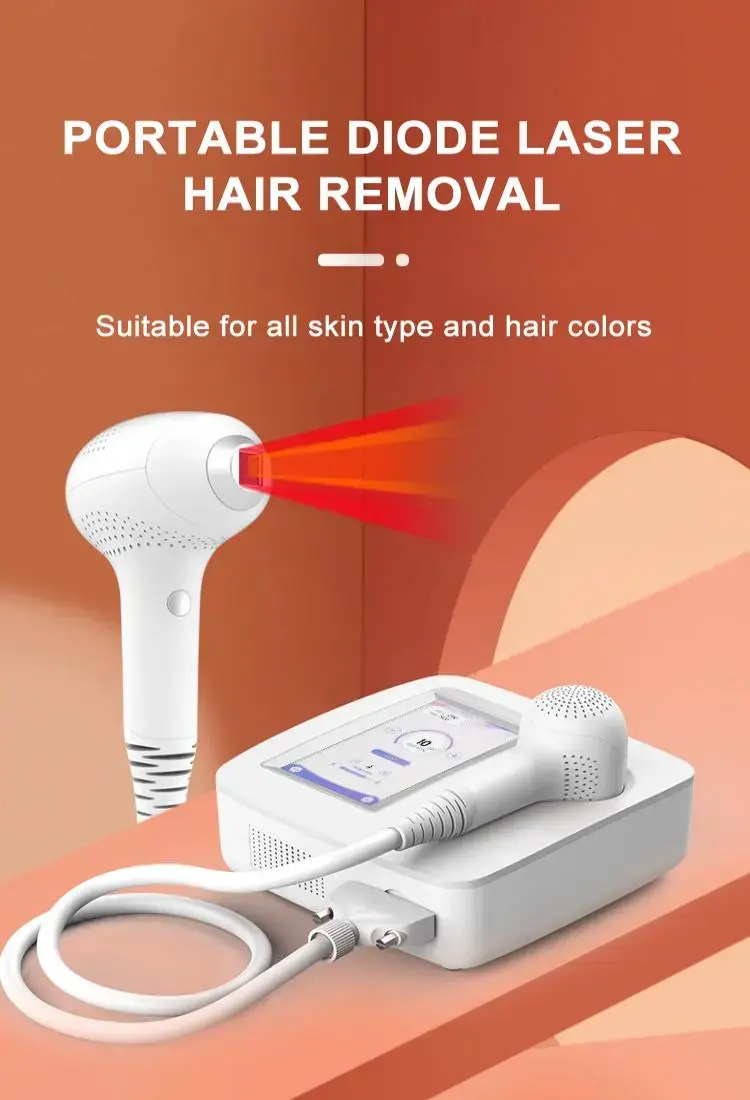
Are you sick of shaving and waxing all the time? painless at home laser hair removal is changing the way that spas, clinics, and beauty salons treat their customers in a way that is easy and successful. This cutting-edge technology blends the well-known benefits of 808nm diode lasers with new cooling methods that make treatment almost painless. Modern laser systems exactly target hair follicles while keeping the skin cool and comfortable. This is in contrast to older methods that irritate the skin and only give short-term benefits. If business owners want to buy reliable equipment that works the same way on all skin types, they need to know how this technology works. This will help them make purchases that will improve their services and make customers happier.
Understanding the Technology Behind Painless Laser Hair Removal
How 808nm Diode Laser Technology Targets Hair Follicles?
To get rid of hair effectively, scientists use selective photothermolysis, a process in which certain light wavelengths target melanin in hair cells without hurting the flesh around them. When it comes to laser hair removal, the 808nm range is the gold standard because it can safely reach the roots of hair follicles and is safe for all skin tones. When the laser pulse hits the hair shaft, melanin takes in the light energy and turns it into heat. The follicle reaches a temperature high enough to stop making new hair. This frequency strikes the perfect mix between penetration depth and melanin absorption. This makes it especially good for thick, dark hair while still being safe for people with medium to dark skin tones.
The Role of Advanced Cooling Systems in Comfort
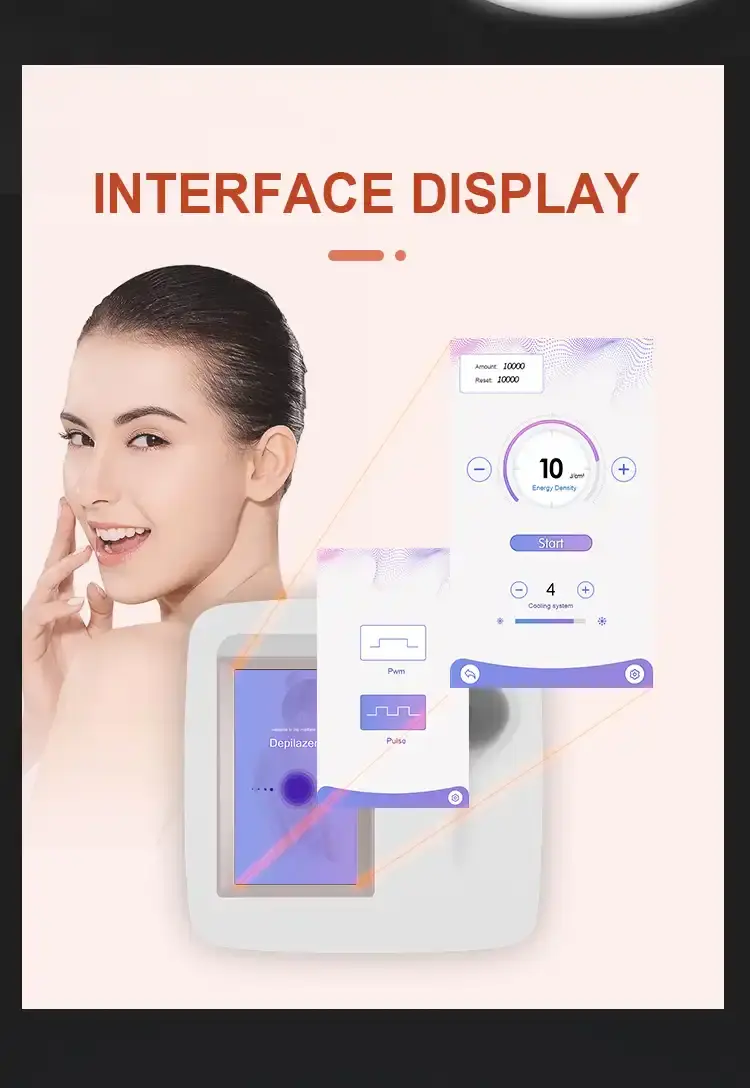
Modern devices are really different because they use dual cooling technology, which combines air cooling with semiconductor refrigeration to keep the skin's surface temperature stable during treatment. Because it uses two layers, this method numbs the skin right before each laser wave, which makes pain much less noticeable. The cooling system has five levels that can be changed, so therapists can make the pressure just right for each client and treatment area. Because the chip part keeps the temperature stable, there are no hot spots like there were in past systems. This new idea has changed how clients feel about their treatments. What used to be an uncomfortable process is now a bearable and often relaxing one that makes clients want to come back and give good reviews.
Adjustable Energy Settings for Customized Treatments
Professional-grade devices can output anywhere from 5J/cm² to 40J/cm² of energy and can be set to frequencies between 1Hz and 10Hz. Because of this, professionals can make treatments exactly fit the hair type, skin tone, and level of sensitivity of each client. For faster results, higher energy settings can be used on coarse hair on less sensitive areas like the legs. On the other hand, lower energy settings with more cooling are better for face treatments that are more delicate. The 9x12mm spot size is the perfect mix of treatment speed and accuracy, as it covers bigger parts of the body quickly while staying accurate around curves. With these adjustable factors, a single device can be used for a wide range of tasks, from full-leg treatments to detailed bikini line work, making the most of the money spent on tools.
Comparing Painless Laser Hair Removal with Traditional Methods
Pain Levels and Client Comfort Across Different Techniques
Waxing pulls hair from roots, causing significant pain in sensitive areas. Shaving creates razor bumps, irritation, and "strawberry skin" from inflamed hair shafts. Early laser treatments with inadequate cooling caused stinging sensations limiting treatment areas. Modern Painless At Home Laser Hair Removal combines optimized pulse duration with active cooling, reducing discomfort to a warm tingling sensation most clients tolerate easily. Comfortable treatments improve client retention, leading to completed protocols and repeat maintenance sessions.
Long-Term Efficacy and Results Timeline
Shaving lasts days; waxing lasts weeks but requires repeated painful sessions. Laser treatments provide progressive, increasingly permanent hair reduction. Most clients see significant difference after 3-5 sessions, with optimal results after 6-8 treatments spaced 4-6 weeks apart. Lasers only damage actively growing anagen-phase hair, requiring multiple sessions to treat all follicles. Maintenance every 6-12 months sustains lifelong results. Long-lasting efficacy offers better value than temporary options, supporting premium pricing.
Cost-Benefit Analysis for Business Investment
Quality 808nm diode laser systems with proper certifications require significant upfront investment but protect against long-term issues. Calculate break-even by projecting treatment volume. A well-positioned device can serve dozens of weekly clients. Patients pay premium prices for truly comfortable, effective treatments when pricing reflects technology value. Diode lasers have low consumable costs—no frequent lamp replacements like IPL. Warranty coverage and technical support protect investment. Happy customers, repeat business, and low operating costs generate strong ROI.
Key Features to Evaluate When Selecting Equipment
Essential Safety Certifications and Quality Standards
Professional equipment, like painless at home laser hair removal, must meet strict regulatory standards. CE certification proves European safety compliance; ISO13485 confirms medical device quality management. These certificates represent proven safety protocols, consistent manufacturing, and high-quality components protecting clients and business from liability. Uncertified equipment risks regulatory fines, insurance problems, and dangerous operation. Reputable manufacturers maintain clear compliance records and freely provide certification proof. Look for skin contact sensors, temperature monitoring with automatic shutdown, and skin tone recognition.
Cooling System Performance and Maintenance Requirements
Cooling systems directly impact client comfort and treatment efficacy. Dual-stage cooling combining airflow and semiconductor refrigeration maintains stable temperature during long sessions. Evaluate cooling recovery time during rapid-fire pulse cycles. Accessible cooling components with replaceable filters and easy cleaning access minimize service delays. Temperature monitoring displays provide real-time feedback ensuring optimal settings throughout sessions. Understanding cooling system capabilities prevents client dissatisfaction or equipment failure that could damage your practice reputation.
Power Output and Treatment Speed Considerations
Laser power measured in watts directly affects treatment speed and efficacy. 100W-200W devices provide sufficient power for professional results while maintaining safety margin. Higher power enables more treatments daily—treating a full leg in under twenty minutes versus forty-five minutes increases client flow and revenue. The 9x12mm spot size balances speed and precision. Adjustable 1-10Hz pulse rates allow practitioners to modify based on treatment area and client comfort. Faster treatments improve client convenience and enable more appointments.
Procurement Considerations for Business Buyers
Evaluating Manufacturers and Supply Chain Reliability
Selecting equipment providers requires more than comparing spec sheets. Established manufacturers with proven production history, like those operating since 2009, have refined quality control through real-world feedback. Verify dedicated R&D teams actively improving technology rather than rebranding generic devices. Export experience matters—suppliers serving 180+ countries understand international shipping and cross-border support. Direct manufacturers diagnose issues and provide genuine parts faster than trading companies, minimizing downtime when technical problems occur.
Warranty Terms and After-Sales Support Structure
Equipment warranties indicate manufacturer confidence and commitment to customer satisfaction. Painless at home laser hair removal Standard one-year warranties should cover component failure excluding misuse or accidents. Comprehensive coverage must include laser parts, cooling systems, power supplies, and control electronics. Full after-sales support distinguishes superior suppliers—look for complete operational documentation, video training, and responsive technical support teams. 24/7 availability matters because downtime directly impacts revenue. On-site training for large orders demonstrates commitment to customer success beyond the initial sale.
OEM Customization and Bulk Order Advantages
Growing businesses may need customized equipment reflecting brand identity. OEM services include display language selection, adjustable energy settings, logo application, and device appearance changes matching facility aesthetics. Bulk purchasing provides lower per-unit costs plus enhanced warranty terms, priority technical support, specialized training programs, and favorable payment terms. Reliable logistics with established export operations and multiple shipping options ensure safe, timely delivery. Professional packaging with custom foam inserts and metal cases protects investments during transit.
Safety Guidelines and Best Practices for Optimal Results
Pre-Treatment Assessment and Client Preparation
Proper treatment begins with thorough consultation identifying contraindications and setting realistic expectations. Use Fitzpatrick scale to determine optimal energy settings—darker skin types require lower energy to prevent burning while achieving effective hair reduction. Document medical history including photosensitivity, active skin infections, or photosensitizing medications. Clients must avoid sun exposure and tanning beds for weeks pre-treatment. Shaving 1-2 days before treatment is essential, while waxing or plucking must stop weeks prior as they remove target chromophore.
During-Treatment Protocols for Maximum Safety
Operating protocols directly affect safety and success. Always perform patch tests on new clients before full treatment. Both practitioner and client must wear protective eyewear—laser wavelengths damage retinas even with brief exposure. Use devices with skin contact sensors preventing accidental firing. Apply appropriate cooling levels based on client feedback. Monitor skin reaction for excessive redness indicating need for energy adjustment. Avoid treating over tattoos as laser energy can burn and scar ink. These protocols demonstrate professionalism and safety commitment.
Post-Treatment Care and Maintenance Sessions
Educate clients on post-treatment care to improve outcomes and prevent complications. Treated areas may appear red for hours—normal reaction resolving quickly. Sun avoidance is critical for weeks post-treatment as UV rays can cause hyperpigmentation. Recommend gentle, fragrance-free skincare products. Shedding occurs 7-14 days post-treatment; clients should understand this is desired outcome. Schedule maintenance every 4-6 weeks initially, then annually or bi-annually. Setting these expectations reduces anxiety and encourages treatment plan completion.
Conclusion
Painless at home laser hair removal is a big step forward in aesthetic technology. It lets businesses give treatments that are actually comfy and have long-lasting effects. With its 808nm diode laser accuracy, dual-stage cooling systems, and energy sets that can be changed, this equipment is very flexible and can safely treat a wide range of clients. By learning about the technical basics, comparing this technology to older methods, and checking out the most important gadget features, you can make smart buying choices that will help your business succeed. Following safety rules and teaching clients the right things will help them do better and build trust and a good image. When you work with well-known companies that offer full support, the right licenses, and equipment quality that has been tested and proven, you can help your business meet the growing demand for improved hair removal options that customers actually like.
FAQ
1. Does painless laser hair removal work on all skin tones?
Modern 808nm diode laser systems can safely treat a wide range of skin types, mostly Fitzpatrick types I through V. The key is to make sure the energy levels are right, because darker skin has more melanin, which can compete with hair follicles for laser energy absorption, so lower settings are needed to protect the epidermis. Skin tone sensors built in help professionals choose settings that are safe and efficient. For the best safety, people with very dark skin (type VI) may need special longer bands than 808nm. Since the technology targets melanin in hair, it doesn't work as well on hair that is too light or blonde, red, gray, or white. Consultations and patch tests are used to see if a client is a good candidate for treatment and to set up the right treatment plans for each person.
2. What timeline should clients expect for visible results?
Hair loss happens slowly over the course of a treatment set, not all at once after one session. After two to three treatments, most clients notice less hair growth, and after four to six sessions, they can really see a difference. To get the best results, you should usually get six to eight treatments, spaced out four to six weeks apart for body areas and a little less time between treatments on your face. After the series is over, full effects don't show up for a few months because the treated follicles have finished their last growth cycles and are now dormant. Hair loss rates are different for each person, but after full treatment rounds, most people lose between 70% and 95% of their hair. Once or twice a year, maintenance sessions keep the results for a long time by taking care of reactivated follicles when they happen.
3. How does equipment quality impact treatment outcomes and business success?
The quality of the equipment directly affects how well treatments work, how safe they are, how comfortable clients are, and how much money the business makes in the long run. Professional-grade devices that have the right certifications (CE, ISO13485) go through a lot of tests to make sure they work consistently and safely, which saves your business from risk. Customers are comfortable when they use good cooling systems, which leads to good reviews and return business. Dependable parts cut down on downtime that could cost you appointments, money, and your image. When technical questions or problems come up, the quality of the manufacturer's support becomes very important—responsive help keeps tools from being unavailable for long periods of time. Although higher starting costs are required for high-quality equipment, the combination of better results, happy clients, low maintenance needs, and help from the maker makes for a much better return on investment than cheaper options that skimp on these important factors.
Partner with Taibo Beauty for Premium Laser Hair Removal Solutions
With over fifteen years of engineering excellence and experience in the foreign market, Taibo Beauty is a recognized company that makes painless at home laser hair removal systems that can be used at home. Our 808nm diode laser systems use both tried-and-true technology and new ways to keep the lasers cool. This lets us give your clients the easy, effective treatments they want. We protect your investment and help your business grow by offering CE and ISO13485 certifications, a full one-year guarantee, and expert support 24 hours a day, seven days a week.
Our OEM services let you fully customize to strengthen your brand's personality, and the benefits of buying in bulk help you make more money. As a company that works with beauty workers in more than 180 countries, we know the problems you face and can help you with them quickly. Email our team at susan@taibobeauty.com to talk about how our professional laser systems can help you offer better services and make your clients happier.
References
1. Anderson, R. R., & Parrish, J. A. (1983). Selective photothermolysis: Precise microsurgery by selective absorption of pulsed radiation. Science, 220(4596), 524-527.
2. Goldberg, D. J. (2012). Laser Hair Removal: Second Edition. London: Informa Healthcare.
3. Haedersdal, M., & Wulf, H. C. (2006). Evidence-based review of hair removal using lasers and light sources. Journal of the European Academy of Dermatology and Venereology, 20(1), 9-20.
4. Lanigan, S. W. (2003). Management of unwanted hair in females. Clinical and Experimental Dermatology, 26(8), 644-647.
5. Ross, E. V., Ladin, Z., Kreindel, M., & Dierickx, C. (1999). Theoretical considerations in laser hair removal. Dermatologic Clinics, 17(2), 333-355.
6. Sadick, N. S., Makino, Y. (2004). Selective electro-thermolysis in aesthetic medicine: A review. Lasers in Surgery and Medicine, 34(2), 91-97.





YOU MAY LIKE