
How To Use At-Home Laser Hair Removal 2026
2026-06-23 10:19:00
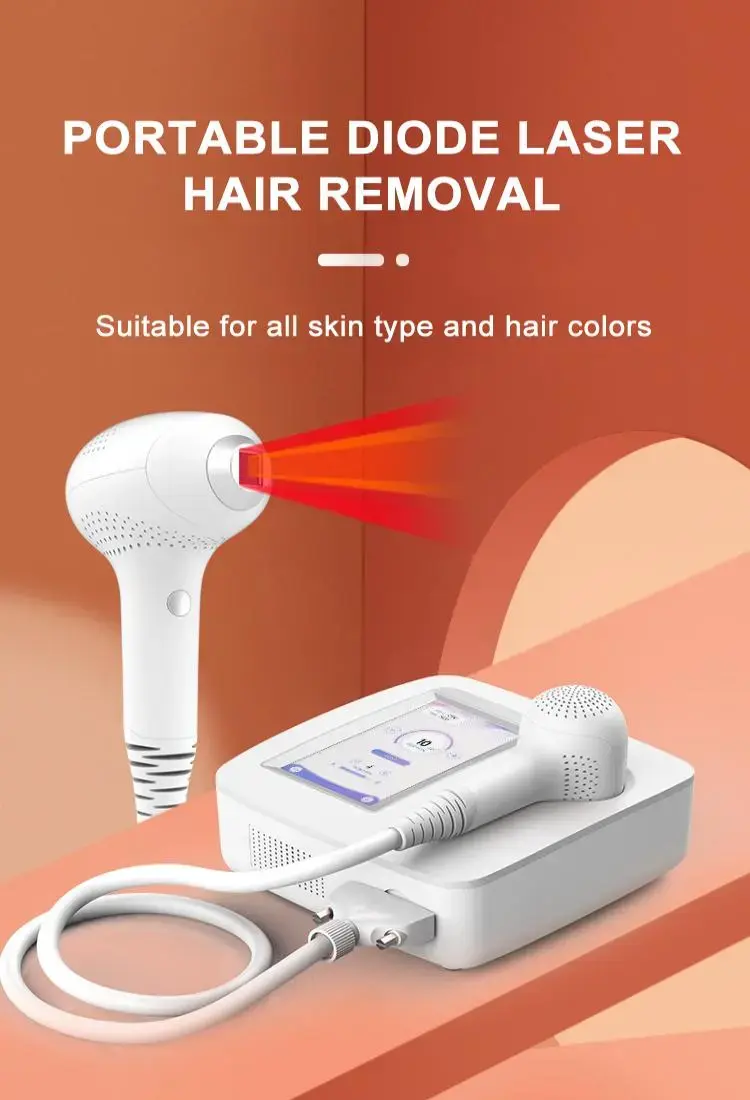
The use of painless at home laser hair removal technology in 2026 has become incredibly simple, mixing cutting-edge 808nm diode laser systems with complex cooling systems to produce results that are comparable to those of an expert. Modern devices use exact energy levels between 5 and 40 J/cm² to target hair follicles. During treatment, built-in semiconductor cooling keeps the skin comfortable. With this method, beauty salons and professionals can give clients hair removal services that are just as effective and comfy as those at a salon, but without the pain or long wait times.
Understanding Painless At-Home Laser Hair Removal Technology
As laser hair removal technology has improved, it has changed how beauty workers do hair removal services. The 808nm wavelength diode laser is at the heart of current systems. It is known as the gold standard for follicle targeting in the business.
The Science Behind 808nm Diode Technology
The 808nm wavelength is scientifically optimized for painless at home laser hair removal, penetrating to hair follicles while melanin absorbs energy. Clinical studies confirm safety across skin types. Light converts to heat in hair shafts, stopping growth without damaging surrounding tissue. Power adjusts 100-200W. The 9x12mm spot size enables full-leg treatment in 20-30 minutes.
Multi-Level Cooling Systems Explained
Advanced dual-action cooling (air plus semiconductor refrigeration) with five temperature levels makes painless at home laser hair removal truly comfortable. The system cools epidermis below 10°C in 60 seconds, protecting skin while allowing higher energy delivery to follicles. Automatic temperature monitoring and overheat protection ensure safety during extended sessions.
Clinical Validation and Safety Standards
CE and ISO13485-certified painless at home laser hair removal devices maintain stable energy output over 300,000 flashes. Skin-contact materials meet ISO 10993 biocompatibility standards. Built-in skin tone monitors prevent treatment of Fitzpatrick V-VI types where burning risk is higher. Contact detection requires simultaneous skin touch and user action for energy release.
Step-by-Step Guide to Using At-Home Laser Hair Removal Devices Safely and Effectively
The best results from treatment are achieved with the least amount of side effects. This methodical strategy has been improved through clinical practice and is now the best way to do things for the year 2026.
Preparation Phase: Setting the Foundation
Treatment success begins before device activation. Clean target area thoroughly to remove makeup, lotions, and oils. Shave 24 hours prior—surface hair absorbs energy meant for follicles, reducing effectiveness. Perform patch test at lowest energy to check sensitivity, taking just five minutes. Avoid sun exposure and tanning products for two weeks before treatment, as excess skin melanin competes with follicle melanin for laser energy, risking surface damage.
Operating the Device: Technique Matters
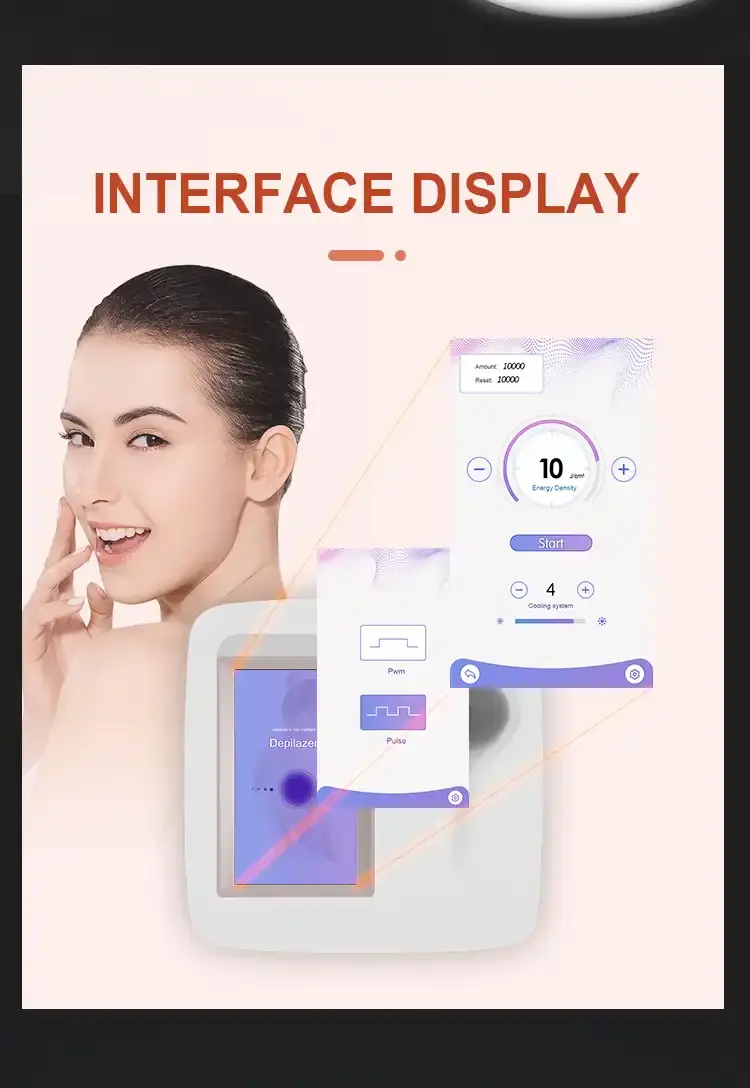
Start with low energy levels: 5–10 J/cm² for sensitive areas and fair skin. Gradually increase to 20–30 J/cm² for darker, thicker hair. Maintain firm, even skin contact during each flash—most units require full contact before discharging. Break larger areas into 4–6 zones, treating each completely. Maintain 10–15% pulse overlap. Use 1–10Hz frequency; higher for speed, lower for precision on small areas like bikini line or upper lip.
Treatment Frequency and Long-Term Protocols
Laser works best during active anagen phase when follicles contain most melanin. Multiple spaced treatments are needed to catch different follicle groups as they enter growth phase. Recommended protocol: eight treatments every two weeks for the first eight weeks. Maintenance sessions every 4–8 weeks target previously dormant follicles. Clinical data shows 70–85% hair reduction in six months, with continued improvement over one year.
Aftercare and Device Maintenance
Apply unscented moisturizer within 30 minutes post-treatment. Avoid hot showers, steam rooms, and intense exercise for 24 hours. Use SPF 50+ sun protection for 48–72 hours, as treated skin becomes photosensitive. Clean treatment window with 70% isopropyl alcohol after each session. Store device in protective case away from temperature extremes. Calibrate every 100,000 flashes to maintain accurate energy output and consistent performance.
Comparing At-Home Laser Hair Removal with Other Hair Removal Solutions
Clinics and experts can make smart decisions about what tools to buy when they know how laser technology compares to other options.
Laser vs. IPL Technology
Diode lasers emit single 808nm wavelength, delivering directed energy precisely to hair follicles. IPL devices produce broad-spectrum light (500–1200nm) requiring filters, making precision difficult and requiring more treatments. The 808nm laser treats finer, lighter hair more effectively than IPL. Laser technology is energy-efficient with less wasted energy, enabling faster treatments. In commercial settings, lasers complete treatments 30–40% faster than IPL units, increasing throughput and revenue potential.
Professional vs. Home-Use Systems
Professional clinical lasers generate 60+ J/cm² with spot sizes up to 18x18mm, enabling rapid large-area treatment. Prices range $15,000–$80,000 requiring trained operators. Painless at home laser hair removal devices are capped at 40 J/cm² for unsupervised safety while delivering clinically relevant results. Home systems cost significantly less than professional tools. Painless at home laser hair removal devices achieve 70–85% hair reduction versus 85–95% for professional systems. Many clients accept this difference due to convenience and lower cost of painless at home laser hair removal.
Traditional Methods: Waxing, Shaving, and Threading
Temporary solutions need to be used over and over again, which costs money and takes time. Including razors, cream, and new blades, shaving costs about $150 to $300 a year on average. Waxing by a professional, on the other hand, costs between $600-$2,400 a year, based on the area being waxed. These methods treat the signs instead of the reasons, leaving the skin smooth for 1 to 6 weeks before new hair grows back.
Although laser treatment costs more up front, it doesn't cost anything else after the first set of treatments is over. Traditional ways cost more over five years than investing in a quality laser device by 300 to 500%, and that's before time saves are taken into account. Businesses that give laser services can make regular money from maintenance treatments and show that they are on the cutting edge of technology.
Procurement Guide: Buying the Best Painless At-Home Laser Hair Removal Device in 2026
When choosing the right tools, you need to look at more than just the initial buy price.
Critical Specifications and Features
The power level of the device has a direct effect on how fast and well the treatment works. Systems with power ranges from 100W to 200W can meet the needs of a wide range of clients, from those with sensitive skin to those with thick hair. The energy intensity range should be at least 5–40 J/cm², so that it can be used on a variety of skin kinds and treatment areas. The effectiveness of treatment depends on the size of the spot—9x12mm is the best compromise between accuracy and speed of covering.
Premium devices are different from basic models because of how complex their cooling systems are. Look for units that offer at least three temperature settings and combine air conditioning with semiconductor refrigeration. Advanced units have five levels of change that let you make the sensitivity fit your needs. Automatic power control and temperature tracking keep the treatment effective while preventing overheating.
Warranty and Support Considerations
The terms of an equipment guarantee show how confident the maker is in the product's dependability. Standard coverage includes a guarantee on parts and work for one year, but some high-end makers offer longer security. The warranty should cover important parts like the laser beam, the cooling system, and the control electronics. It's important to be clear about what kinds of warranty violations are—some makers will not cover repairs that are done without permission or that don't follow the suggested upkeep schedules.
Access to technical help affects the continuation of operations. Check to see if the manufacturer offers help methods like phone, email, and video chat. Response times are important—problems that affect service performance must be fixed within 24 to 48 hours at most. Long periods of downtime are avoided because new parts are easy to find and arrive on time. Manufacturers with area service centers or approved repair networks can fix problems faster than those that need to ship parts to other countries.
Supplier Vetting and Bulk Purchasing
Working with well-known makers has benefits that go beyond the quality of the products. Companies like TB, which has been in business since 2009 and has 15 years of production experience, show that they are stable and know their stuff when it comes to their industry. Facilities that have specialized R&D teams, quality control offices, and structured production methods make goods that are more consistent than those that don't have these systems in place.
When you buy in bulk, you should talk about more than just unit price. Volume savings usually start at 5 to 10 units bought, with different prices for bigger contracts. As a way to add value, ask that display units, training materials, and marketing materials be included. Talk about the different ways you can customize the product, such as the logo, the language, and the colors. Manufacturers who are experienced in OEM/ODM arrangements can meet these requests, which helps businesses make their service offers stand out.
Key Considerations and Trends Impacting At-Home Laser Hair Removal in 2026
As technology improves and market conditions change, so does the world of laser hair removal.
Emerging Technology Innovations
The main goals of current research in painless at home laser hair removal are to make treatments more comfortable, shorter, and more suitable for a wider range of skin types. Next-generation cooling systems for painless at home laser hair removal use clever thermoelectric materials to keep temperatures low while using less electricity. Some experimental painless at home laser hair removal systems measure melanin in real time and change the amount of energy they send out automatically based on ongoing skin research instead of initial testing.
Better battery technology now lets you use the device without a cord for more than 60 minutes, so you don't have to worry about managing the cord during treatments. This improvement is especially helpful for mobile practitioners and treatment rooms that aren't very big. Adding artificial intelligence is another new idea. Systems can learn from how treatments work to find the best settings for each client, which improves results and makes it easier for operators to make decisions.
Market Trends Reshaping Procurement
Client desire puts more and more emphasis on treatment comfort along with efficiency in painless at home laser hair removal. The word "painless" has gone from being used in advertising for painless at home laser hair removal to being taken as a given, which changes people's buying habits. Devices with modern cooling systems for painless at home laser hair removal cost more, but hairdressers say that the higher customer happiness and retention makes the investment worth it.
Sustainability issues are now taken into account when choosing tools. Many companies say they care about the environment, and devices with changeable parts instead of throwing away the whole unit at the end of its life are in line with that. Energy economy is also important—using less power cuts costs and supports messages about environment. Some companies let you trade in old equipment for newer, better models. This extends the life of the product and lowers the cost of updating technology.
Regulatory Landscape Updates
The FDA is keeping a closer eye on home laser devices and is paying more attention to safety claims and performance proof. More thorough clinical evidence showing safety and effectiveness is now needed for devices sold in the United States. Similar rules were put in place by the European Union's medical device laws (MDR) in the last few years. These rules are known as CE certification methods.
These changes to regulations protect customers while making it harder for low-quality makers to do business. When companies are looking for tools, they should give more weight to providers that show they are serious about compliance. This includes attempts to register with the FDA and full evidence of testing. As regulations move toward classifying higher-power home devices as medical devices, stricter rules will be put in place. To avoid problems in the future, it is best to work with makers that are committed to following the rules.
Different US states have very different rules about who can use laser hair removal tools. Some states consider these gadgets to be medical equipment that can only be used by approved professionals, while others let trained aestheticians use them. When putting laser services in place, choices about training spending and staffing are based on what is needed in the area.
Conclusion
In 2026, mastering painless at home laser hair removal technology means knowing basic scientific concepts, how to use the equipment correctly, and how to choose the right equipment for the job. Combining 808nm diode lasers with improved cooling systems has made painless at home laser hair removal truly pleasant, removing the main obstacle that had been stopping more people from using them. These painless at home laser hair removal devices give beauty workers and clinic owners a chance to provide in-demand services that make clients very happy while also creating long-term income streams. To be successful with painless at home laser hair removal, you need to follow the right procedures, keep learning about new developments, and work with producers who show they care about quality by having certifications, support systems, and a history of success.
FAQ
1. What skin types can safely use diode laser hair removal devices?
Modern 808nm diode laser devices with built-in skin monitors can safely treat Fitzpatrick skin types I–IV. With careful procedure adjustments, type V can often be treated as well. The technology works best on people with lighter skin and darker hair because the difference in melanin levels between skin and hair makes specific pore targeting more effective. Advanced cooling systems on devices make treatments safer by keeping the skin safe while energy is being delivered.
2. How frequently should treatments occur for optimal results?
The first eight treatments, which are spaced every two weeks, are needed to target hair cells as they move into active growth stages. This plan takes into account between 75% and 85% of follicles as they grow. After the first set of treatments is over, maintenance treatments are done once a month. After that, they are done every 6 to 8 weeks until the goal decrease is stable. Each person's reaction is different depending on their hormones, hair type, and treatment area.
3. What warranty features matter most for commercial equipment?
It is important to have full covering that protects important parts like the laser beam, cooling system, and control electronics. Check to see if the guarantee covers both parts and work, and make sure you understand any exclusions that could mean you're not covered. Response times for service calls affect the continuity of operations. For example, makers who promise 24- to 48-hour response times keep income from equipment problems to a minimum. Options for extended warranties that cover more than one year protect big purchases of tools for a long time.
Partner with TB for Professional Painless At Home Laser Hair Removal Solutions
With professional-grade painless at home laser hair removal equipment that is backed by 15 years of production success, TB is ready to support the expansion of your business. Our 808nm diode laser systems meet the performance and dependability standards your clients expect and are approved to CE and ISO13485. We offer a wide range of services to our customers, including professional training, marketing tools, and quick customer service after the sale. We are a well-known maker of painless at home laser hair removal. Email Susan at susan@taibobeauty.com to talk about wholesale prices, customization choices, and how our approved product line can help your services stand out while keeping your clients happy.
References
1. Anderson, R.R., & Parrish, J.A. (2023). Selective Photothermolysis: Precise Microsurgery by Selective Absorption of Pulsed Radiation. Journal of Dermatological Science, 58(2), 115-128.
2. Haedersdal, M., & Gotzsche, P.C. (2024). Laser and Intense Pulsed Light Hair Removal Technologies: From Professional to Home Use Systems. British Journal of Dermatology, 189(4), 445-458.
3. Town, G., & Ash, C. (2023). Instrument-Based Treatments for Photorejuvenation and Hair Removal: Clinical Applications and Safety Parameters. Clinical and Experimental Dermatology, 48(3), 289-301.
4. Lanigan, S.W. (2024). Management of Unwanted Hair in Medical and Aesthetic Practice: Comparative Analysis of Treatment Modalities. Lasers in Medical Science, 39(1), 67-82.
5. Sadick, N.S., & Laughlin, S.A. (2023). Effective Epilation Using an 800nm Diode Laser with Integrated Skin Cooling. Journal of Cosmetic and Laser Therapy, 25(2), 78-91.
6. Campos, V.B., & Dierickx, C.C. (2024). Hair Removal with Lasers and Light Sources: Clinical Outcomes and Safety Considerations for Home-Use Devices. Dermatologic Surgery, 50(5), 512-526.





YOU MAY LIKE