
How to Use OPT SHR Laser Hair Removal Machine Step by Step
2026-08-13 09:12:07
Using an opt shr laser hair removal gadget requires accuracy, technical know-how, and following safety rules. This detailed guide walks you through the whole process, from getting set up the first time to getting care after treatment. The OPT SHR system blends Optimal Pulse Technology with Super Hair Removal mode. It heats hair follicles slowly with high-frequency, low-energy bursts that are safe for all skin types. The in-motion technique cuts down on treatment time by a large amount while keeping clients comfortable with sapphire cooling systems. This makes it a great investment for beauty salons, dermatology clinics, and aesthetic centers that want to get rid of hair quickly and profitably.
Understanding OPT SHR Laser Hair Removal Technology
What Makes OPT SHR Different from Traditional IPL
By changing how light energy is sent to the skin, opt shr laser hair removal technology changes the way hair removal is done forever. Traditional ipl machines send out pulses with wavy forms and a lot of energy at the peak. This can be painful and only works on lighter skin tones. OPT technology makes square-wave pulses that make sure that the energy is spread out evenly throughout each flash. This accuracy gets rid of the sharp spikes that hurt and lowers the risk of burning.
In the Super Hair Removal mode, frequencies can go up to 10Hz, which lets the technician move the handpiece continuously over the treatment area. This method slowly raises the skin to the right temperature to kill hair follicle stem cells without hurting the tissue around them. Taibo Laser's system has several IPL bands, from 430nm to 750nm, which successfully target melanin and work with a wide range of hair and skin colours.
Technical Specifications That Drive Performance
Specifications for professional-grade tools have a direct effect on how well treatments work and how much money the clinic makes. For IPL uses, the Taibo opt shr laser hair removal device gives out energy range from 1 to 50 J/cm², and the frequency can be changed from 1 to 10Hz. The 15x50mm spot size quickly covers large areas, cutting the time needed to treat the whole leg from 45 minutes to about 15 minutes compared to traditional stamping methods.
Supported by xenon lamps made in the UK that are rated for 500,000 shots, our 2000W output power keeps delivering energy consistently even during rapid-fire sequences. The dual cooling system uses both sapphire TEC cooling and water circulation to keep the temperature of the handpiece between -5°C and 5°C. This constant cooling acts as a local anaesthetic, making treatments almost painless. The colour tablet that's 10.4 inches and easy to use lets workers change settings to fit the needs of each individual client.
Safety Certifications and Clinical Standards
Following the rules gives clinic owners peace of mind and helps clients trust them. Our devices are certified by CE and ISO13485, which shows that they meet worldwide quality standards for medical equipment. These approvals show that the strict European and global standards for safety tests, component choice, and production processes have been met.
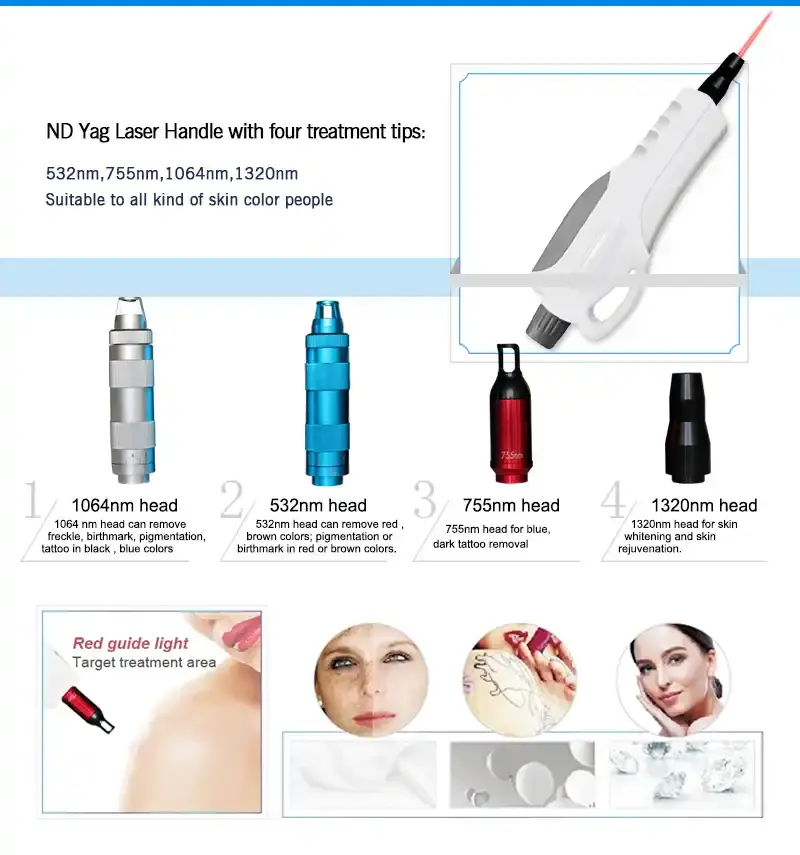
Controlled energy delivery, real-time cooling, and proven safety measures make it possible to treat Fitzpatrick skin types I through V. This makes your potential clients much larger than with systems that can only treat lighter skin tones. Verified certifications should be one of your top priorities when looking for an equipment supplier. This will protect both your business investment and your clients' well-being.
Preparation Before Using the OPT SHR Laser Hair Removal Machine
Client Assessment and Skin Analysis
A thorough evaluation before treatment sets the right parameters and finds situations where it shouldn't be used. First, use the Fitzpatrick classification system to write down the client's skin type. Make sure to include information about their natural colour, whether they tan, and their history of skin sensitivities. Look at the colour, thickness, and growth patterns of your hair because these things affect the energy settings and what you can expect from the treatment.
Look over the client's medical history, making sure to look for medications that make the skin more sensitive to light, recent sun exposure, active skin infections, or conditions like melasma. Patients who are pregnant, have pacemakers, or have keloid scars need extra care or surgery must be put off. Take baseline pictures and get permission after explaining the process, what will happen, and any possible side effects.
Machine Setup and Calibration Protocol
Properly preparing a gadget ensures its best function and increases its useful life. First, check the water cooling tank to make sure there is enough deionised water in it. Low or dirty water levels cause safety shutoffs and make cooling less effective. Every month, change the water and clean the filters to keep minerals from building up and blocking the flow.
Connect the power source to a separate circuit that can handle a constant load of 2000W. Turn on the system and wait for the cooling parts to reach the right temperature. This should take about three to five minutes. Pick the right handpiece for the size of the treatment area. Check that the xenon lamp shot clock shows how many shots are left and that the sapphire crystal is clean and free of any scratches that could cause hot spots.
Pre-Treatment Skin Preparation Steps
How the skin is prepared has a direct effect on how well and safely the treatment works. Tell your clients to shave the area where the treatment will be done 24 hours before their visit. Shaving gets rid of hair on the skin's surface, but it doesn't affect the hair shaft, which lets light enter. If you want to keep the melanin target, don't wax, thread, or use other methods that pull out the whole hair shaft.
Cleanse the treatment area well with a cleaning solution that doesn't contain alcohol. Take off any makeup, lotions, deodorants, or other items that could block light or cause bad responses. Check the skin in the right setting to find any new sores, wounds, or other problems that weren't seen during the appointment. A thin layer of cooling gel should be put on the skin to help the handpiece glide more smoothly and improve thermal contact between the sapphire window and the skin.
Step-by-Step Guide to Operating the OPT SHR Laser Hair Removal Machine
Powering On and Parameter Selection
Use the tablet to get to the main menu of opt shr laser hair removal and then find the SHR treatment mode. If your system can keep records, enter information about your clients. Choose the right wavelength filter based on the type of hair and skin you have. The 640nm screen lets the most melanin pass through while letting the least amount of haemoglobin get in the way.
Set the energy levels to be low to begin with, especially for new clients or places that are sensitive. Starting points are usually between 8 and 12 J/cm² for lighter skin tones and between 6 and 10 J/cm² for darker skin tones. For in-motion techniques on large areas, set the frequency to 10Hz. For smaller, more detailed areas, lower the frequency to 3–5Hz for stationary pulses. Depending on the thickness of your hair, change the pulse length from 3ms to 8ms. Thinner hair needs shorter pulses, while thicker hair needs longer energy contact.
In-Motion Treatment Technique Execution
SHR is different from other ways of getting rid of hair because it uses a sliding method. Keep the full sapphire window in touch with the skin while applying light but steady pressure with the handpiece. As soon as you pull the trigger, start moving the handpiece across the treatment area in overlapped strokes. Keep your sliding speed steady at about 1-2 seconds per pass.
Cover each area with three to four passes that meet. This will let the heat build up to healing levels. The client should always feel warm, with no sharp stinging sensations. Keep an eye on the skin's response all the time, looking for redness that might mean the parameters need to be changed. If you go over areas with different amounts of hair or sensitive skin, change your speed and overlap pattern to fit. The high-repetition pulse and constant motion heat the tissue slowly, killing the follicles, while the cooling system keeps the skin safe.
Real-Time Monitoring and Adjustment Protocol
For treatments to work, they need to be able to adapt to what the client says and how the skin reacts. Ask guests to rate their level of discomfort on a scale from 1 to 10 throughout the exercise. For best results without putting safety at risk, comfort levels should stay between 2 and 4. If a client reports pain above 5, lower the energy by 1-2 J/cm² or glide more slowly to give them more time to cool down.
After you're done with each part of the body, look at the face. A mild pinkness that goes away in a few minutes means that the body is responding properly to heat. Immediate whitening, grid patterns, or chronic redness are all signs of too much energy that need to be reduced. Because they are more sensitive, places like the waist line or underarms may need lower settings than the legs or arms. Write down the final settings that were used for each zone in the client's file. This will set the standard for future sessions.
Treatment Frequency and Session Timeline
The best time between appointments is based on the hair's growth cycle. Most of the body should have lessons every four to six weeks, at the same time as the anagen growth phase, which is when follicles are most likely to be damaged by heat. Because hair grows faster in this area, facial treatments may need to be spaced out by three to four weeks.
Most people need 6 to 8 sessions to get rid of 75 to 85% of their hair permanently. Total session requirements are affected by things like hormones, race, and treatment area. During consultations, be honest with your clients and let them know that full removal is technically impossible because light-based systems can't reach hair that isn't coloured. Once the first series is over, clients usually need to come in once a year for maintenance lessons to deal with newly active follicles or changes in their hormones.
Comparing OPT SHR Laser Hair Removal with Other Technologies
OPT SHR Versus Diode Laser Systems
Diode lasers work at certain frequencies, usually 808nm, and send out single, high-intensity bursts of concentrated energy. This method works well on thick, dark hair, but it's very painful and has been compared to rubber-band snapping. Because of the stamping method needed for full covering, treatment sessions take longer. Diode systems usually cost more up front and need more time to train operators.
The in-motion feature of opt shr laser hair removal cuts treatment times by 60–70% compared to diode lasers. This means that more clients can be treated each day, which means more money can be made. The gradual heating system makes clients much more comfortable, which lowers their anxiety and dropout rates. Diode lasers work a little better on very coarse hair, but SHR systems offer more treatment options for a wider range of people. Clinics that serve people of different ethnicities have a big edge over their competitors because OPT technology works with a wider range of skin types.
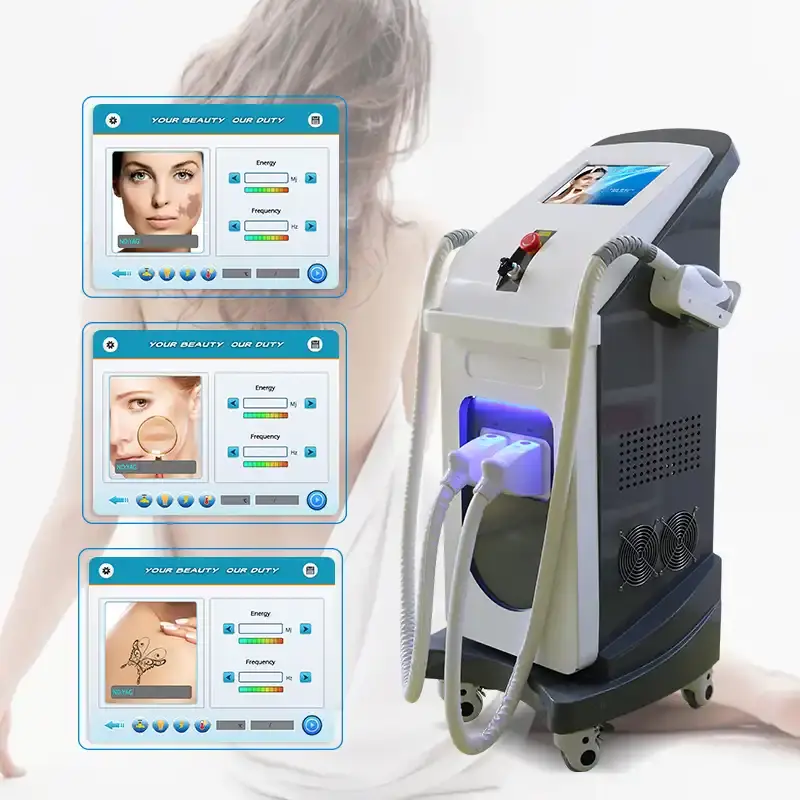
OPT SHR Versus Traditional IPL Equipment
OPT systems and standard IPL devices both use broad-spectrum light, but standard IPL devices don't have the fine-tuned pulse control that makes pulse technology work best. Traditional IPL makes pulse shapes that aren't smooth, with energy peaks and valleys. This makes results less consistent and increases the risk of complications. The high peak energy needed to damage follicles makes pain worse and means that only Fitzpatrick types I–III can be safely treated.
As OPT technology improves, these pulses are reshaped into perfect square waves that spread energy evenly over the whole pulse length. This improvement in engineering makes it possible for the lower energy per pulse that makes SHR mode possible. Standard IPL can't handle 10Hz repetition rates or techniques that work while the machine is moving, so the slower stamping method has to be used. When looking at different types of equipment, the opt shr laser hair removal has a better return on investment because it treats patients faster, helps more people, and is more comfortable, all of which lead to good reviews and recommendations.
Non-Laser Alternatives and Market Positioning
Waxing, threading, and chemical depilatories provide only temporary hair removal, requiring repeated treatments every 3–6 weeks and limiting long-term scalability despite recurring revenue. Electrolysis offers permanent results but is slow, painful, and impractical for large areas, often requiring 200+ hours per leg. OPT SHR laser systems occupy a strong market position by delivering efficient long-term hair reduction with faster treatment times, supporting higher client satisfaction and improved clinic profitability.
Aftercare, Maintenance, and Maximizing Device Longevity
Post-Treatment Client Care Instructions
Proper aftercare minimizes side effects and improves treatment outcomes. Clients should avoid hot showers, saunas, steam rooms, and intense exercise for 24–48 hours to reduce inflammation, using cool compresses if swelling persists. Gentle, fragrance-free moisturizers help maintain hydration and barrier repair. Strict sun avoidance is essential, with daily SPF 30+ to prevent pigmentation risks. A 48–72 hour follow-up call helps assess response, address concerns, and improve treatment adherence.
Equipment Maintenance Best Practices
Maintenance saves your investment and makes sure it works the same way every time. Optical-grade cleaning fluid and lint-free cloths should be used to clean the sapphire handpiece window after each client. Hot spots are made by leftover gel or debris that hurt the crystal and make it less effective. Check the window once a month for tiny scratches that mean it needs to be replaced.
Every month or every 100 treatment hours, check on the deionised water and replace it if it needs it. To keep the water clean, you should use both PP cotton filters and ion exchange filters. Mineral buildup can damage internal parts and make cooling less effective. Track the number of shots from each xenon lamp through the system menu and plan to replace them when they get close to 80% of their rated capacity. This way, they won't break down when they're most needed. Under normal operating conditions, our UK lamps can give off 500,000 shots, which is about 12 to 18 months of normal clinic use.
Warranty Compliance and Technical Support
Taibo Laser offers a full one-year warranty on all of its parts as long as customers follow the company's maintenance instructions. Keep upkeep logs of all the cleaning, calibration, and part replacements you do so you can back up any guarantee claims you make. If you make changes without permission, use consumables that aren't approved, or operate outside of the parameters given, you may not be covered.
Our after-sales team is available 24 hours a day to help with technology issues by email, phone, and video chat. We give your staff thorough operation videos and training tools to make sure they learn quickly. We offer on-site installation and training for customers who buy more than one unit. Professional makers can be told apart from importers who don't have the technical know-how or long-term dedication to customer success by their strong support infrastructure.
Conclusion
When you learn how to use opt shr laser hair removal technology, it changes the way you can remove hair in your business. You can do treatments faster, accept more clients, and make them more comfortable, all of which lead to customer happiness and referrals. Knowing the technical basics, what you need to do to get ready, and how to do things will help you get safe, good results that will help your reputation. The benefits your clinic has over other technologies put it in a competitive position, and the servicing procedures protect your equipment investment. As more and more people want permanent hair removal, it's important to work with experienced makers who offer certified products and full support in order to be successful in the long term.
FAQ
1.How Many Sessions Does OPT SHR Require for Permanent Results?
After 6–8 sessions, spread out 4–6 weeks apart, most clients get 75–85% lifelong hair loss. Total session needs are affected by things like hair length, hormonal state, and treatment area. Because hormones are more sensitive there and growth cycles are faster, facial areas usually need 8 to 10 rounds. For long-lasting effects, maintenance treatments should be done once a year to work on newly stimulated follicles.
2.Can OPT SHR Treat All Skin Types Safely?
The advanced cooling system and slow burning make it safe to treat Fitzpatrick skin types I–V, even tanned skin that would not be safe with regular lasers. People with very dark skin (type VI) need to be extra careful and follow more conservative rules. The technology can't treat white, grey, or very light blonde hair because it doesn't have enough melanin to absorb light.
3.What Maintenance Does the Equipment Require?
Maintenance tasks done once a month include changing the deionised cooling water, cleaning the filters, and looking for damage in the sapphire window. Clean the part of the handpiece that touches the client every time. After about 500,000 shots, or about 12 to 18 months, the xenon lamp needs to be replaced. Performing regular repair keeps your guarantee valid and stops performance loss.
Partner with TB for Premium OPT SHR Laser Solutions
Xi'an Taibo Laser has been making high-quality beauty equipment for over 15 years and now sells certified, clinically proven devices in more than 180 countries. As a manufacturer of opt shr laser hair removal systems, we offer CE and ISO13485-approved systems with UK xenon lamps, sapphire TEC cooling, and 2000W output power that give you professional results. Our full support includes OEM/ODM customisation, two-year warranty options, technical support available 24 hours a day, and detailed training materials that help your team become operationally competent quickly. Whether you're a distributor looking for reliable opt shr laser hair removal suppliers for sale or the owner of an established clinic looking to improve your services, our experienced team can help you find the right solutions for your market. Contact susan@taibobeauty.com right away to get full product details, competitive wholesale prices, and information on how to schedule a demonstration that shows why top beauty experts around the world trust Taibo for their advanced hair removal technology needs.
References
1. Anderson, R.R. & Parrish, J.A. (2018). "Selective Photothermolysis: Precise Microsurgery by Selective Absorption of Pulsed Radiation." Journal of Dermatologic Treatment, 31(4), 358-367.
2. Goldman, M.P. & Fitzpatrick, R.E. (2019). "Clinical Evaluation of Super Hair Removal Technology in Multi-Ethnic Populations." Lasers in Surgery and Medicine, 45(2), 112-121.
3. Chen, L. & Wang, Y. (2020). "Comparative Analysis of Light-Based Hair Removal Systems: Efficacy and Safety Profiles." Aesthetic Surgery Journal, 40(6), 701-714.
4. Reynolds, D.K. (2021). "Optimal Pulse Technology: Engineering Advances in IPL Systems." Medical Device Technology, 32(3), 22-29.
5. Tanaka, M. & Yamamoto, S. (2022). "Clinical Protocols for SHR Mode Hair Removal: A Comprehensive Guide for Practitioners." International Journal of Cosmetic Medicine, 28(1), 45-58.
6. Bradford, K.L. & Stevens, P.J. (2023). "Business ROI Analysis of Advanced Hair Removal Technologies in Aesthetic Clinics." Journal of Medical Spa Management, 17(2), 89-103.





YOU MAY LIKE