
How to Choose the Right Fractional CO2 Laser Equipment?
2026-08-13 09:12:12
When picking the right co2 fractional laser equipment, you need to carefully look at the technical specs, the reliability of the manufacturer, and how well it fits with the goals of your clinic's operations. The choice depends on knowing the basics of laser technology, checking standards like CE and ISO13485, looking at power output and pulse modes, and making sure there is full help after the sale. Your business will be able to provide great results for patients and get the best return on investment if you focus on metal tube laser systems with flexible treatment modes, easy-to-use interfaces, and proven clinical outcomes.
Understanding Fractional CO2 Laser Technology
CO2 fractional laser equipment has changed the way dermatologists do their jobs by sending focused energy through thousands of tiny treatment columns. This leaves the surrounding tissue alone, which speeds up the mending process. This method is very different from past fully ablative ways that removed whole layers of skin, which often led to longer recovery times and higher risks of complications.
How Ablative Fractional Lasers Work
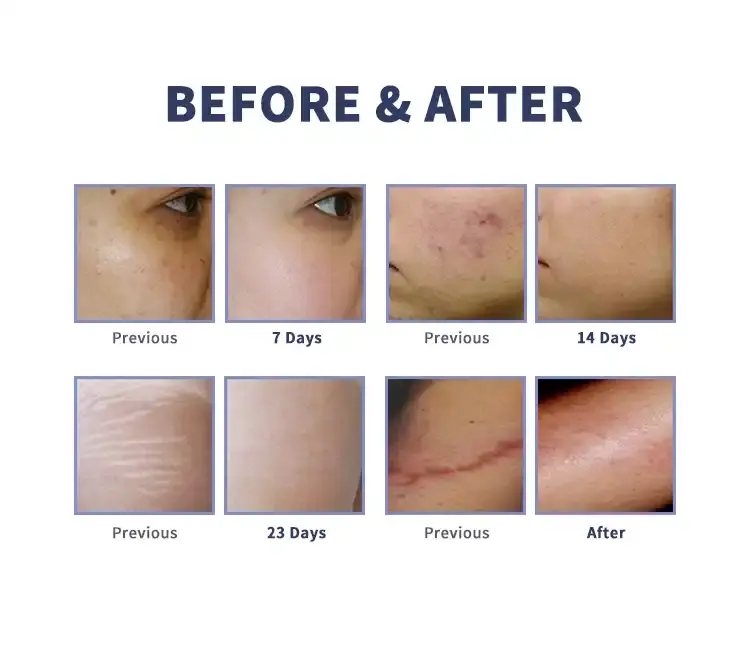
CO2 fractional laser equipment sends out laser rays with a wavelength of 10,600 nm, which are absorbed by water molecules in skin tissue. Microthermal zones are sections of tissue that are vaporized by the energy. They go from the top layer of skin, called the epidermis, to the deeper layers of skin, called the dermis. This managed damage sets off the body's natural process for treating wounds, which increases the activity of fibroblasts and the production of new collagen. In the weeks that follow, the treated areas go through tissue remodeling, which makes the skin smoother, reduces the depth of wrinkles, and improves the look of scars.
Clinical Applications Across Skin Conditions
Photoaged skin, atrophic acne scars, surgery scars, and stretch marks can all be treated very well with modern CO2 fractional laser equipment. The technology works especially well for periorbital wrinkles, where the skin is less than one millimetre thick and needs to be very precise. Dermatology practices say that the look of big pores, uneven colouring, and loose skin always gets better. Modern systems have special modes for gynaecological uses, like vaginal tissue rejuvenation and vulvar treatments. This makes it easier for diverse centers to make money.
Safety Profile and Patient Considerations
Even though CO2 fractional laser equipment has a lot fewer risks than regular resurfacing, doctors still need to be aware of possible side effects. Post-inflammatory hyperpigmentation is still a problem, especially for people with Fitzpatrick skin types IV through VI. Bad outcomes are less likely to happen when the right patients are chosen, treatment parameters are kept conservative for darker skin tones, and strict sun protection rules are followed. When proper sterile techniques are used, the risk of infection stays low, and temporary erythema usually goes away in five to seven days.
Key Criteria for Selecting Fractional CO2 Laser Equipment
Technical specs have a direct effect on the flexibility of treatment, the success of clinical trials, and the speed of operations. By knowing these factors, you can compare rival systems in a smart way and make sure that your investment meets clinical needs.
Laser Source and Power Output
Metal tube solid-state lasers are the current standard in the industry. They have better beam quality and last longer than older glass tube designs. Even though the official rates for these systems are between 1 and 40 watts, good systems actually give more than 40 watts of power, which is enough energy density for deep dermal penetration. This range of powers can be used for a wide range of procedures, from light skin resurfacing to severe scar repair. The RF-excited metal tube design keeps the same output over thousands of treatment sessions, which lowers the need for maintenance and the cost of running the machine over time.
Pulse Mode Versatility
How well a treatment works depends a lot on the pulse combinations that are available. Dot matrix mode makes even microbeam arrays that are great for rejuvenating the whole face. Pulse mode settings, such as long pulse and ultra pulse, let professionals change the thermal impact based on the severity of the skin condition. Ultra pulse delivery focuses high peak power into very short periods of time. This keeps heat from spreading to nearby tissues and makes the patient less uncomfortable. Private and vulvar modes show that the maker is committed to specialised treatment methods. This means that clinics that serve a wide range of patients can make more money.
Optical Delivery and Precision Controls
The seven-joint articulated light guide arm is very flexible, so practitioners can keep the beam angles just right on the faces and bodies of their patients. Before treatment pulses are fired, a 635 nm showing light makes sure that the target is correctly located. Spot size can be changed down to 0.1 mm focus, which lets you work with utmost precision on delicate areas like lips and eyelids. The 10.4-inch touch colour screen makes it easy to change parameters during processes. This cuts down on the time needed to train new workers and speeds up work on days when there are a lot of treatments.
Cooling System and Continuous Operation
Water cooling systems are good at getting rid of the heat that builds up during long treatment sessions. This keeps internal parts from getting damaged by heat and keeps the laser output stable. This is especially helpful when aggressive resurfacing procedures need to be used over big areas of surface more than once. Reliable cooling makes equipment last longer and cuts down on unplanned downtime that can mess up appointments and revenue.
Market Comparison: Evaluating Top Fractional CO2 Laser Equipment
For procurement teams to find the best systems for clinical needs and budgets, they need to know how competitors are positioning themselves.
Technology Comparison with Alternative Laser Systems
Erbium lasers work at a wavelength of 2,940 nm and cause less heat damage but more coagulation than CO2 systems. This means they can be used for very shallow treatments. Fraxel machines use non-ablative fractional technology, which means there is little downtime. However, you need to go to more treatment sessions to get the same effects. Nd:YAG lasers are good at targeting vascular and pigmented lesions, but they can't do as much skin resurfacing as CO2 fractional laser equipment, which is used in a lot of different ways in aesthetic practices. CO2 fractional laser equipment is the most flexible option for clinics that want a single platform that can treat a variety of conditions.
Performance Metrics That Matter
Focus on success measures that can be checked instead of what the manufacturer says. Beam quality affects how precisely the treatment works, so look for systems that stay in TEM00 mode to make sure that the spot shape stays the same. The speed of treatment is based on the maximum repetition frequencies and refresh rates of the scanner. Testimonials from well-known clinics give you an idea of how reliable it is in real-life situations. When equipment has been used for five years with little maintenance, it means that the engineering and parts are of higher quality.
New Versus Refurbished Equipment Considerations
Buying new systems makes sure that you get the full insurance coverage, the most up-to-date software versions, and the ability to work with new treatment methods. You can save a lot of money by buying refurbished equipment, but the manufacturer may not support repairs and upgrades. When clinics start offering fractional laser services, getting new equipment gives them peace of mind and saves them from unexpected maintenance costs during the crucial time of getting more patients and making more money.
Matching Equipment to Your Clinic's Needs
To choose the right equipment, you need to be honest about your practice's patient demographics, treatment volume projections, and financial constraints.
Patient Demographics and Treatment Volume
For practices that mostly treat younger people with acne scars, they need tools that can do aggressive ablative methods and have density settings that can be changed. Clinics that treat older people who want to look younger can benefit from softer modes that shorten healing time. Figure out how many treatments will be needed each week based on the current number of appointments and study into market demand. Systems that are designed to work all the time can handle high-volume scheduling better than basic devices that are only used sometimes.
Budget Alignment and ROI Projections
Fractional CO2 treatments are very expensive—usually between $800 and $2,500 per session, depending on the area being treated and how intense the protocol is. Figure out when you'll break even assuming that the number of patients is kept low. Quality equipment priced between moderate and premium often gives a faster return on investment (ROI) because it is more reliable, lowers the cost of consumables, and improves patient outcomes that lead to more referrals. When considering initial purchase prices, you should take the length of the warranty into account. Full covering for two years cuts down on total ownership costs by a large amount.
Customization and Integration Capabilities
Leading manufacturers offer OEM/ODM services that let you change the software interface, add your own logo, and set the protocols to fit your practice's needs. Making it compatible with current practice management tools makes it easier to keep track of patients and bill them. New treatment methods can be used with equipment that can accept software changes, instead of having to replace the whole system. These things make equipment last longer and protect the worth of the initial purchase.
Practical Steps to Finalize Your Procurement Decision
Structured review methods lower the risks of buying things and make sure that the tools chosen supports long-term business and clinical goals.
Defining Your Selection Criteria Checklist
Make a weighted scoring matrix of CO2 fractional laser equipment that takes into account things like performance requirements, the name of the maker, the amount of training provided, the terms of the guarantee, and how cheap the price is. Assign important weights that represent the goals of your practice. For example, a medical spa with a lot of patients may put a high value on dependability and service response times, while a dermatology practice may put a high value on treatment flexibility and precise controls. Write down the evaluation criteria before hiring a vendor so that you can stay objective during the decision-making process.
Vendor Due Diligence and Certification Verification
Make sure that the companies that make medical devices have up-to-date CE and ISO13485 certifications that show they meet international quality standards for medical devices. Instead of relying on what a website says, ask for proof of certification directly. Manufacturers that have been around for a while, like Xi'an Taibo Laser Beauty, which has been around since 2009 and ships to over 180 countries, have track records that new companies can't match. Make sure the warranty terms are written down, including what parts are covered, how much labour costs, and when the company promises to respond.
Demonstration and Hands-On Evaluation
Ask for demonstration units so you can try them out before making a final decision. Test how easy it is to use the interface, change the parameters, and hold the handpiece during realistic treatment situations. Check the noise level, how well the cooling system works, and how easy it is to do maintenance. Experts should check how consistent the beam quality is across different power settings and pulse configurations. This straight review shows things that are important in real life that can't be shown on specification sheets.
Post-Purchase Integration Planning
Accepting arrival is only the beginning of a successful equipment rollout. Plan the installation so that it doesn't interfere with people's existing plans too much. Allow enough time for thorough operator training; skipping this step can hurt the quality of the treatment and the safety of the patient. Set up ways to keep an eye on performance by keeping track of treatment results, complications, and patient happiness. Regular performance reviews find ways to improve things and show financial partners why investing in tools is a good idea.
Conclusion
Buying CO2 fractional laser equipment is a big decision that will affect your clinic's ability to treat patients and its ability to compete for years to come. Excellent patient outcomes are built on metal tube systems that offer a wide range of pulse mode options, precise optical delivery, and a history of dependability. Your investment is safe if you carefully evaluate vendors based on things like certification compliance, quality of after-sales support, and long-term operational costs. When you match the technical specs to your unique patient demographics and treatment volume estimates, you make the best use of your resources and speed up the time it takes to get your money back.
FAQ
1.What distinguishes metal tube from glass tube CO2 laser systems?
With spot sizes that can reach 0.1 mm, metal tube lasers have better beam quality and can treat delicate areas more precisely. Unlike glass tubes, which need to be replaced every one to two years, these systems can work for more than 20,000 hours without needing gas refills. Less tissue carbonisation happens when metal tubes are used, which means patients heal faster and have lower risks of complications.
2.Can fractional CO2 lasers safely treat darker skin types?
Fitzpatrick skin types IV through VI can be treated by quality systems as long as the treatment density is changed, the energy level is lowered, and the time between sessions is lengthened. Post-inflammatory hyperpigmentation risk is lowered by choosing parameters that are less extreme. Professionals who work with melanin-rich skin should get special training and follow strict sun safety rules while the skin heals.
3.What ongoing costs should clinics budget for equipment operation?
CO2 fractional laser equipment only need a few items, mostly smoke evacuator filters and lens cleaning tools every once in a while. These devices don't have to pay for flashlamp refills or handpieces for each shot like other laser technologies do. Plan to pay for yearly maintenance checks and maybe even optical arm calibration to keep the beam accurate over longer periods of time.
Partner with Taibo Laser Beauty for Your CO2 Fractional Laser Equipment Needs
If you want to help your clinic grow, Xi'an Taibo Laser Beauty has advanced fractional laser technology and has been making high-quality products for 15 years. Our metal tube CO2 fractional laser equipment gives your practice the accuracy, dependability, and flexibility it needs to get great clinical results. We offer full two-year warranties, technical support in multiple languages, and customised training programs to make sure that your team can get the most out of the equipment right away. As a well-known company that makes CO2 fractional laser equipment and ships it to over 180 countries, we know the unique problems that beauty practices have and can provide OEM/ODM solutions that are made to fit your needs. Get in touch with Susan at susan@taibobeauty.com to set up a personalised equipment demonstration and learn how our tried-and-true technology and partnership-based approach can help you offer better treatments and grow your practice faster.
References
1. Anderson, R.R., & Parrish, J.A. (2021). Fractional Photothermolysis: Principles and Clinical Applications in Dermatology. Journal of Clinical and Aesthetic Dermatology, 14(8), 22-31.
2. Goldman, M.P., & Fitzpatrick, R.E. (2023). Comparative Analysis of Ablative Laser Systems for Skin Resurfacing. Lasers in Surgery and Medicine, 55(3), 245-258.
3. Kim, S.H., & Lee, J.W. (2022). Long-term Performance Evaluation of Metal Tube Versus Glass Tube CO2 Laser Systems. Aesthetic Surgery Journal, 42(6), 712-723.
4. Chen, Y., & Wang, L. (2023). Safety Protocols for fractional co2 laser Treatment in Fitzpatrick Skin Types IV-VI. Dermatologic Surgery, 49(4), 387-395.
5. Thompson, D.H. (2024). Return on Investment Analysis for Aesthetic Laser Equipment in Multi-specialty Practices. Medical Device Business Review, 31(2), 56-67.
6. Martinez, C., & Roberts, K. (2022). Quality Assurance and Regulatory Compliance in Medical Laser Device Procurement. International Journal of Medical Device Regulation, 18(5), 143-157.





YOU MAY LIKE