
How effective are diode laser hair growth machines for thinning hair
2026-07-16 09:12:45
Millions of people around the world have hair loss, which keeps beauty salons, dermatology clinics, wellness centers, and cosmetic surgery facilities busy. If you're a business looking at advanced treatment options, you may be wondering if diode laser hair growth machines give you results that are worth the money. Yes, these devices use Low-Level Laser Therapy (LLLT) at a frequency of 650nm to wake up dormant hair follicles, boost blood flow to the head, and encourage hair growth naturally. There is clinical evidence that LLLT technology can stop hair loss in up to 85% of patients and make hair thicker by about 25%. This means that these machines are a scientifically valid addition to the treatment options available to professionals.
Understanding the Science Behind Low-Level Laser Therapy
How Photobiomodulation Stimulates Hair Follicles
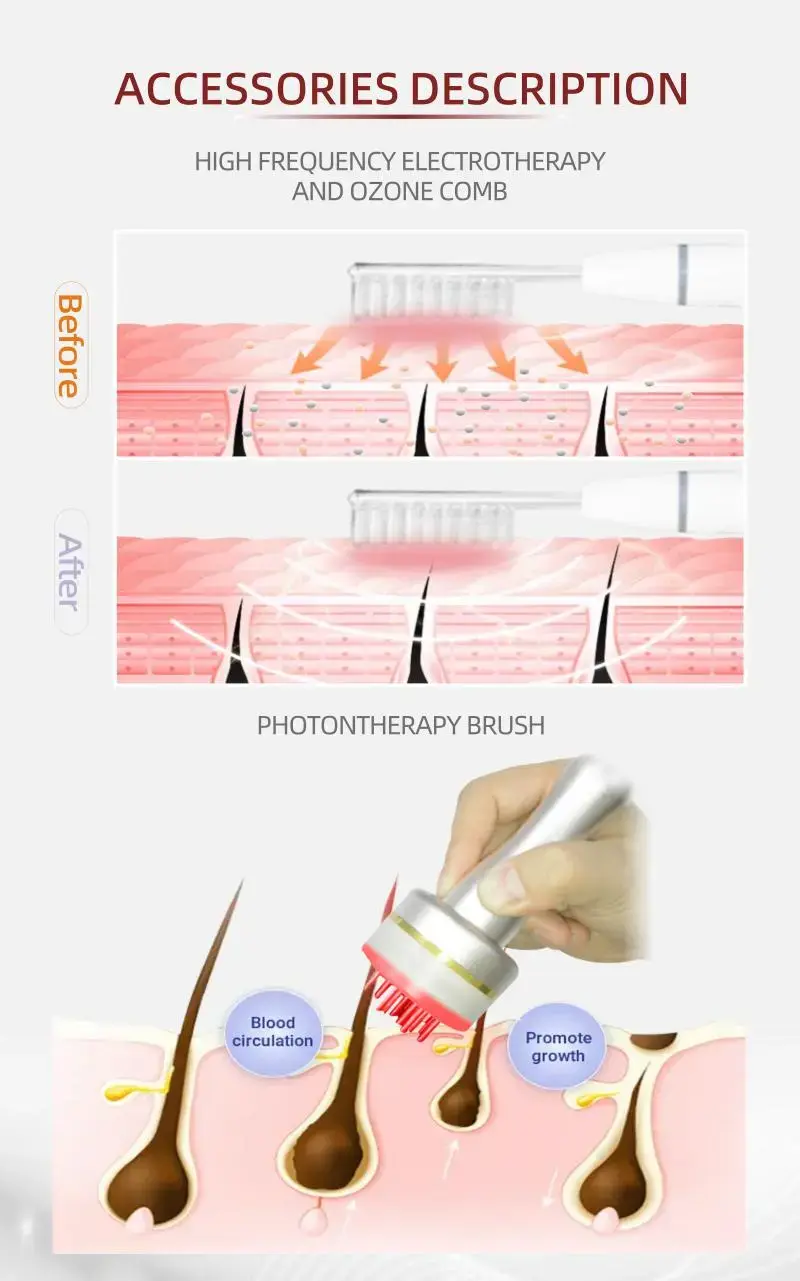
Photobiomodulation is the molecular process that makes Low-Level Laser Therapy work. When coherent 650nm laser light goes through the scalp three to five millimetres deep, it hits the hair follicle papilla and the mitochondria inside it take in the photon energy. This intake causes more Adenosine Triphosphate (ATP) to be made. ATP is the energy currency of cells that drives metabolic processes. When ATP levels rise, hair follicles move from the resting telogen phase to the active anagen growth phase. This makes hair production last longer.
Specifically, the 650nm wavelength hits chromophores inside of cells without damaging them thermally. LLLT devices work at low power levels between 3 and 6 J/cm², which is different from ablative lasers used for hair removal. This means that they stimulate cells instead of damaging tissue. This non-thermal mechanism makes sure that treatments are painless while still being effective.
Vascular Enhancement and Nutrient Delivery
In addition to stimulating cells, laser therapy can improve blood flow to the scalp by up to 55% during and after sessions. This vascular reaction brings important nutrients like oxygen, vitamins, and amino acids directly to the follicular structures. At the same time, it gets rid of metabolic waste products like dihydrotestosterone (DHT), a hormone that may be linked to androgenetic alopecia. Better microcirculation makes the best conditions for follicle renewal, which helps hair grow back thicker and healthier between treatments.
Clinical Evidence Supporting Efficacy
LLLT works for pattern hair loss, according to several papers that were reviewed by experts in the field. Studies in dermatological journals show that consistent treatment leads to statistically significant increases in hair density, shaft diameter, and overall coverage. Patients usually see improvements within 12 to 16 weeks, and the improvements keep getting better for another six months of regular sessions. These results that are backed up by evidence give professional facilities the clinical credibility they need when they introduce new treatment methods to clients who are picky.
Technical Specifications That Define Professional Performance
Laser Array Configuration and Coverage
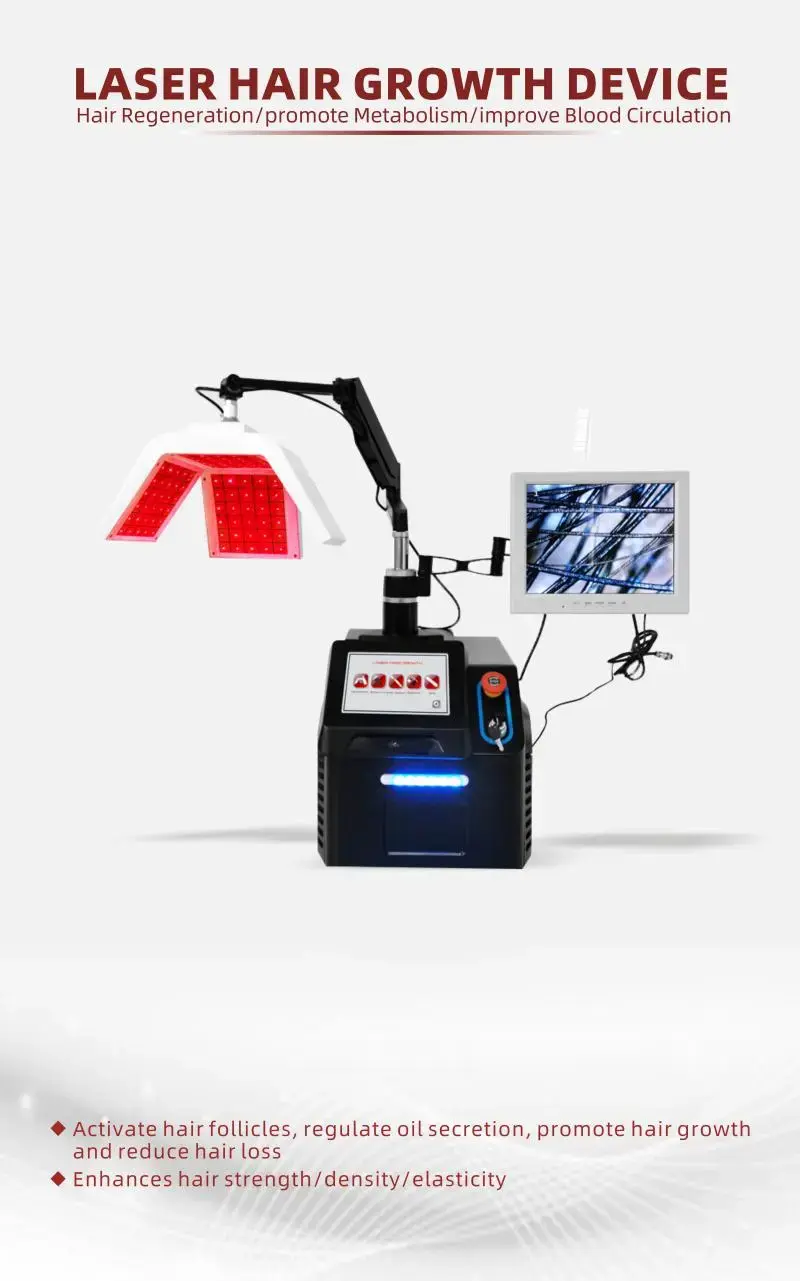
Professional systems have high-density laser arrays with 200 to 400 separate diodes set up in a way that covers the whole scalp. The TB diode laser hair growth machine has 262 separate laser diodes. Each one emits light at a precise 650nm wavelength and with 10mW of power. This setup makes sure that the energy is spread evenly across the whole treatment area, leaving no gaps that could hurt the results. The 200W total system power ensures steady performance over long periods of time, which is common in clinics with a lot of patients.
Treatment Modes and Customization
Modern gadgets can work in both Continuous Wave (CW) and Pulsed Wave (PW) modes. During treatment sessions, continuous output gives the most total energy dose, while pulsed modes stop cells from adapting and improve signalling pathways that cause follicular reaction. Professional operators can change settings based on the traits of each patient, the stage of treatment, and the pattern of alopecia. This level of customisation is what sets professional results apart from consumer-grade devices.
Safety Systems and Regulatory Compliance
Equipment that can be used in a business setting has safety features. Built-in temperature monitoring keeps the diode from getting too hot, which could lead to wavelength drift and lower efficiency. In case of an emergency, automatic shut-off mechanisms protect both people and machinery. The TB machine has been certified by CE and ISO13485, which means it meets the international standards for medical devices that are needed for clinics to operate in controlled markets. These approvals give purchasing managers peace of mind that the equipment meets high standards for safety and efficiency.
Comparing LLLT Devices with Alternative Hair Loss Treatments
Advantages Over Handheld Laser Combs
Handheld laser combs are an entry level form of LLLT technology, but they are not very useful for professional use. Handheld devices need to be actively manipulated for 10 to 15 minutes at a time, which leads to uneven coverage and operator tiredness. When people have to do daily self-administration, they are much less likely to stick with their treatment. Professional helmet-style systems let you operate them without using your hands and guarantee full-scalp coverage. This gives the patient a better experience and more reliable results, which allows for higher service prices.
Distinction from LED Cap Technology
Phototherapy caps made of LEDs work at similar wavelengths, but they don't have the consistent, monochromatic qualities of real laser light. When LED light hits the scalp, the photons scatter, which lowers their penetration depth and the effectiveness of stimulating hair follicles. Laser diodes make focused, coherent beams that stay intense through multiple layers of tissue and reach target structures with a lot more photons. Because of this basic physical difference, clinical studies show that laser technology works better than LED technology, which is why professional facilities need to spend more on equipment.
Complementary Role with Pharmaceutical Interventions
A lot of clinics combine LLLT therapy with treatments that put minoxidil on the hair or take finasteride by mouth. Laser treatment improves the absorption of topical drugs through the skin and offers a non-drug choice for people who have problems with systemic medications. This combination treatment stops hair loss in more than one way, and the results are better than either treatment alone. Full-service facilities are different from rivals with limited treatment choices because they can give complete, multi-modal protocols.
Key Procurement Considerations for B2B Buyers
Evaluating Supplier Credentials and Manufacturing Quality
When looking for LLLT tools of diode laser hair growth machine, working with well-known makers guarantees that the products will work and follow the rules. Taibo Laser Beauty Company has been making products for more than 15 years and has its own production sites, quality control departments, and skilled research and development teams. Our wide range of certifications, such as CE, ISO13485, and ongoing FDA approval processes, show that we are dedicated to meeting international quality standards. Buyers should give preference to suppliers who have exported goods to more than 180 countries, which shows that their products work well in a wide range of regulatory environments.
Warranty Terms and After-Sales Support Infrastructure
Professional grade tools is a big expense that needs strong support systems. The standard warranty should last at least a year and make it clear how to repair parts that were damaged during production. In addition to the warranty period, you should also look at the supplier's technical support, such as the availability of replacement parts, remote troubleshooting help, and resources for training operators. Taibo offers help in multiple languages 24 hours a day, 7 days a week, as well as full operation manuals, training videos, and video consultation services to make sure that technology problems have as little downtime as possible.
Total Cost of Ownership Analysis
The price of equipment depends on the number of laser arrays, the quality of the build, and how well the brand is known. In addition to the initial purchase price, you should also figure out how much it will cost you to ship, install, teach operators, buy upkeep supplies, and fix anything that goes wrong. When you buy in bulk, you can often get big savings. This makes multi-unit orders appealing for growth chains or distributor arrangements. Taibo has reasonable prices for large orders while maintaining high quality standards. This makes it economically advantageous for companies to offer more services.
Certification Requirements for Target Markets
Different markets have very different regulatory needs. Medical Device Directives say that equipment going to clinics in the European Union needs to be marked with the CE mark. In the United States, on the other hand, it needs FDA review or approval based on its therapeutic claims before it can be sold. Asian markets follow rules that are specific to each country and are overseen by local regulatory bodies. Check that potential suppliers have the right paperwork for the places you want to reach. If they don't, you could end up with costly delays or not being able to legally use the tools you buy. Taibo's wide range of certifications makes it easy to enter new markets in most major foreign areas.
Optimizing Clinical Integration and Treatment Protocols
Establishing Effective Treatment Schedules
Protocols based on research usually call for two to three 20- to 30-minute lessons a week for the first 16 to 24 weeks of treatment. After the first improvement, maintenance protocols lower the frequency to once a week or twice a week. Professional centers should come up with standard methods that are based on common baldness patterns but can be changed to fit the needs of each individual patient. Setting regular times for appointments helps patients stick to them, which builds your reputation for providing good hair restoration services.
Operator Training and Technical Competency
LLLT devices don't need as much technical know-how as ablative laser systems, but operators should be properly trained to get the best results and provide professional service. Training should cover how to use the device, how to follow safety rules, how to choose treatment parameters, how to talk to patients, and how to set realistic goals for outcomes. Taibo offers thorough training through detailed guides, video tools, and live video consultations, which helps employees learn new skills quickly. Well-trained operators make patients feel more confident and happy, which leads to good reviews and more business from referrals.
Patient Assessment and Progress Documentation
Using standardised assessment procedures increases the trustworthiness of treatment and shows return on investment (ROI). At the first appointment, the patient's scalp should be examined, hair density should be measured, photographs should be taken, and the patient's medical history should be looked over. Follow-up tests at 8, 16, and 24 weeks show objective growth that helps with choices about continuing treatment. High-resolution photography, especially when the lighting is consistent, makes before-and-after pictures that are compelling and can be used for marketing while also keeping track of how each patient responds. This methodical technique turns subjective feelings into measurable results that show why spending should continue.
Combination Therapy Opportunities
Combining LLLT with other treatments makes it possible to make complete hair regrowth plans. Laser treatment is especially helpful for people who have had hair transplants because it lowers shock loss, speeds up healing, and raises the survival rate of grafts. When you combine LLLT with platelet-rich plasma (PRP) injections, microneedling, or topical growth factor applications, the results are better than when you just use one modality alone. By offering combined treatment packages, your business will be seen as a full-service hair restoration center, bringing in more money per patient while also providing better results.
Future Developments in Laser Hair Growth Technology
Advancing Wavelength Precision and Power Modulation
Researchers are still looking into the best combinations of wavelengths and power delivery patterns of diode laser hair growth machine to stimulate follicles even more. New systems might use dual-wavelength arrays that combine 650nm red and 808nm near-infrared signals to target different levels of tissue and biological processes at the same time. Changing the patterns of power modulation to look like natural biological rhythms could improve cellular response even more. These technical improvements should lead to higher rates of success and shorter treatment times, keeping the technology competitive as it develops.
Hybrid Treatment Platforms
The next generation of devices might combine more than one mode into a single platform. LLLT could be used in conjunction with microcurrent stimulation, LED phototherapy, or head cooling technologies to provide complete treatment through combined systems. High-resolution images of the head combined with analysis by artificial intelligence (AI) could make it possible to customise treatment parameters. These platform methods lower the cost of equipment while easing treatment processes. This makes them appealing to facilities with limited room that want to get the most out of their space.
Expanding Market Opportunities
Demand is rising across all demographics as more people learn about hair regrowth choices that don't involve surgery. Pattern baldness treatments for both men and women are looking to reach older age groups as well as younger people who are worried about hair loss earlier. Advanced hair therapy services are now available in wellness centers, medical spas, and even high-end salons. This means that the product is available in more places than just dermatology clinics. This growth in the market opens up a lot of chances for distributors and equipment suppliers who can serve different types of facilities with the right product configurations and business support.
Conclusion
Professional LLLT devices, including the diode laser hair growth machine, help hair grow back through biological processes that have been studied and proven to work. This makes them useful additions to modern aesthetic practice collections. The technology meets real needs for patients and is good for business because it brings in money from repeat customers. To make adoption work, you need to choose good tools from well-known brands, come up with treatment plans that are based on evidence, and keep strict records. As the global market for hair restoration continues to grow, early adopters of proven LLLT technology will be in a good position to take advantage of this growth. They will be able to stay ahead of the competition by offering more advanced services.
FAQ
1.Is laser hair therapy safe for all skin types and tones?
Low-Level Laser Therapy works by photobiomodulation instead of melanin targeting. This means that it is safe and effective for all skin types, even darker ones that are classified as Fitzpatrick types IV–VI. Unlike ablative lasers and intense pulsed light systems, which can cause changes in skin pigmentation that are more likely in people with darker skin, LLLT's non-thermal mechanism doesn't pose many safety concerns for people of any race or colour. The TB device has built-in safety features like temperature monitoring and automatic adjustment systems that make it safer for patients from all walks of life.
2.How long before patients observe visible hair regrowth?
Clinical timelines depend on the level of hair loss, the root reasons, and the rate at which each person's body responds. After 6 to 8 weeks of regular treatment, most people start to notice less hair. Hair texture and thickness usually start to get better between 12 and 16 weeks, and they keep getting better for 24 weeks and longer. Setting realistic goals during the first visit keeps the patient from quitting too soon and builds trust. Taking pictures at regular times is a good way to keep track of progress that may not be obvious to patients who are only seeing small changes every day.
3.Can LLLT devices integrate into existing dermatology or salon operations?
Professional laser hair growth systems work well in a wide range of practice settings. The design of the hands-free helmet doesn't take up much space—about the same as a salon hair dryer station—and it works with standard electrical circuits. Treatment lessons can easily be planned in between other services, so the building can be used to its fullest without major problems. Compared to ablative laser systems, the amount of training staff needs to do is still pretty low, which lets the service start quickly. Many salons market LLLT as an extra, high-end service that goes well with their other hair care services. This way, they can make extra money without taking away from their other services.
Partner with TB for Advanced Hair Growth Solutions
Choosing the right diode laser hair growth machine supplier is the first step to improving the services your clinic can offer. Taibo Laser Beauty Company is a reliable producer that has been making high-quality products for 15 years and has exported to over 180 countries. Our professional-grade 650nm LLLT system has 262 laser diodes that have been tested and shown to work. It is certified by CE and ISO13485. We offer full support, including technical training, customer service in multiple languages, OEM/ODM choices that can be customised, and low bulk prices that make your business more profitable. Our skilled professionals know exactly what beauty shops, dermatology clinics, and fitness centers need and can provide solutions that fit your business's goals. Get in touch with susan@taibobeauty.com right away to talk about your needs, get full specs, or set up equipment demonstrations. Find out why top facilities around the world choose TB as their partner for hair growth technology.
References
1. Avci P, Gupta GK, Clark J, Wikonkal N, Hamblin MR. Low-level laser (light) therapy (LLLT) for treatment of hair loss. Lasers in Surgery and Medicine. 2014;46(2):144-151.
2. Jimenez JJ, Wikramanayake TC, Bergfeld W, Hordinsky M, Hickman JG, Hamblin MR, Schachner LA. Efficacy and safety of a low-level laser device in the treatment of male and female pattern hair loss: a multicenter, randomized, sham device-controlled, double-blind study. American Journal of Clinical Dermatology. 2014;15(2):115-127.
3. Lanzafame RJ, Blanche RR, Bodian AB, Chiacchierini RP, Fernandez-Obregon A, Kazmirek ER. The growth of human scalp hair mediated by visible red light laser and LED sources in males. Lasers in Surgery and Medicine. 2013;45(8):487-495.
4. Gupta AK, Foley KA. A critical assessment of the evidence for low-level laser therapy in the treatment of hair loss. Dermatologic Surgery. 2017;43(2):188-197.
5. Zarei M, Wikramanayake TC, Falto-Aizpurua L, Schachner LA, Jimenez JJ. Low level laser therapy and hair regrowth: an evidence-based review. Lasers in Medical Science. 2016;31(2):363-371.
6. Sorbellini E, Rucco M, Rinaldi F. Photodynamic and photobiological effects of light-emitting diode (LED) therapy in dermatological disease: an update. Lasers in Medical Science. 2018;33(7):1431-1439.





YOU MAY LIKE