
Hair Loss Treatment Machine Buyer's Guide: Best Clinical Options in 2026
2026-03-31 09:04:52
In 2026, you need to know about hair loss treatment machines, both cutting-edge photobiomodulation technology and FDA-approved devices in order to choose the right hair loss treatment machine for your business. Low-Level Laser Therapy (LLLT) is used in modern laser therapy devices to help hair follicles grow again by targeting wavelengths between 650 and 670nm. This gives clinics non-invasive ways to treat androgenetic alopecia. This in-depth buyer's guide looks at the best clinical-grade devices, buying strategies, and new technologies that give patients measured results while giving healthcare providers and beauty businesses the best return on investment.
Understanding Hair Loss Treatment Machines: Technology and Benefits
The Science Behind Photobiomodulation Technology
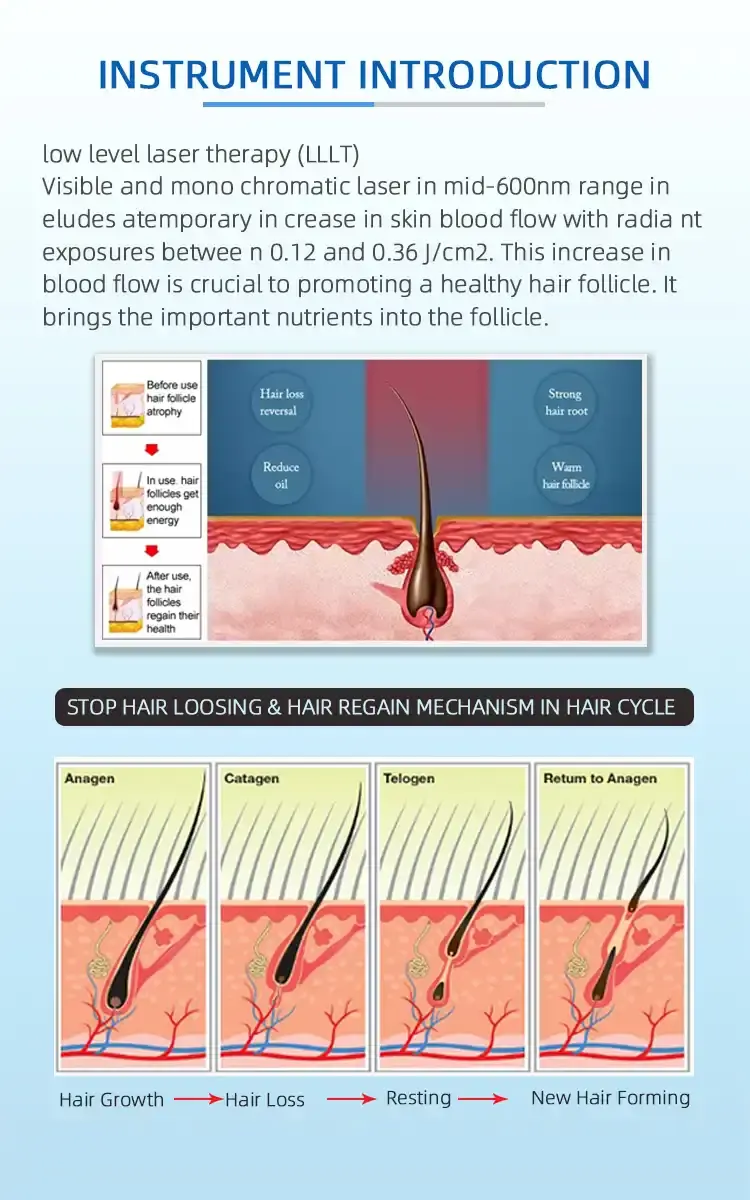
Modern laser hair therapy devices use coherent light energy to reach scalp tissue 3–5 mm deep, based on the concept of photobiomodulation. When photons hit mitochondria in hair follicle cells, they make cytochrome c oxidase work harder, which leads to more ATP being made. This increase in cellular energy stops hair follicles from getting smaller and moves dormant follicles from the dormant telogen phase to the active anagen growth phase. Clinical studies show that regular exposure to red light wavelengths around 650nm improves local microcirculation, bringing important nutrients to hair follicles that aren't getting enough. Because low-level laser therapy doesn't use heat, it keeps patients comfortable and doesn't hurt tissues as high-intensity treatments do. Dermatology journals have released research that shows that regular treatments for 16–26 weeks can make a big difference in the density and thickness of a person's hair.
Device Categories and Clinical Applications
There are several different types of professional laser therapy systems, each made for a different type of hospital setting and treatment plan. Helmet-style devices cover the whole head, which makes them perfect for treating both men and women with diffuse pattern baldness. Most of these systems have between 200 and 300 individual laser diodes, which make sure that the light is spread evenly across the whole treatment area. Handheld laser combs allow for targeted treatment, so doctors can focus on trouble spots while giving patients stimulating massages on the scalp. Panel-based systems attach to stands that can be adjusted to fit patients of different heights and head sizes, allowing for hands-free treatment. Each type of device has its own benefits that depend on how the center works, the patients it treats, and the number of treatments it needs to do.
Safety Profiles and Clinical Outcomes
When it comes to safety, FDA-approved laser therapy devices have very few side effects or situations where they shouldn't be used. In contrast to drugs that can have systemic side effects, photobiomodulation therapy does not increase the chance of sexual dysfunction, weight gain, or heart problems. The non-invasive nature of the treatment means that patients can go back to their normal lives right away after sessions. Data from clinical trials shows that hair loss treatment machines work for 70–85% of people with androgenetic alopecia stages II–V on the Norwood scale. The success rates for women with Ludwig pattern hair loss are about the same, especially when treatment starts early on in the process of follicular miniaturisation. When the number of hairs grows, the diameter of the hairs gets better, and the health of the scalp gets better, it makes noticeable improvements that patients can keep up with ongoing therapy.
Comparing Leading Hair Loss Treatment Devices: Features and Effectiveness
Professional-Grade System Analysis
Leading makers have made advanced laser hair loss treatment machine therapy platforms just for clinical settings. Each one has its own benefits when it comes to power output, treatment coverage, and patient compliance. Professional systems usually have higher power densities than home systems, so they can deliver therapeutic doses more effectively while cutting down on treatment times. The most advanced clinical platforms combine multiple wavelengths, like 650nm red laser diodes and 808nm near-infrared LEDs, to get the best photobiomodulation effects at different tissue depths. When compared to single-wavelength devices, these dual-wavelength systems may improve treatment results by targeting both superficial and deeper follicular structures. Automatic safety shutoffs and temperature tracking make sure that the therapeutic parameters stay the same during treatment sessions.
Wavelength Specifications and Penetration Characteristics
Knowing the connection between wavelength choice and tissue penetration helps clinics pick gadgets that work best for their patients. Red light at 650nm is best for cytochrome c oxidase to absorb while still going deep enough into the scalp tissue and hair roots. Studies that compare different wavelengths show that systems using wavelengths between 630 and 670nm have better clinical results than systems using shorter or longer wavelengths. Near-infrared wavelengths around 808nm may penetrate deeper into tissue, but may not stimulate cells as much as red light therapy. Some makers use both ranges of wavelengths together, which should help at more than one tissue depth. But there isn't a lot of clinical data to support mix wavelength therapy yet. When making decisions about what to buy, procurement officials should focus on single-wavelength systems that have been proven to work well.
Treatment Protocol Optimization
To use laser therapy effectively, you need to stick to treatment plans that are based on evidence and find a good mix between patient compliance and effectiveness. Most clinical studies show that the best benefits happen when treatment is done three to four times a week for the first sixteen weeks, and then two to three times a week for maintenance. Depending on the device's power output and coverage area, sessions usually last between 20 and 30 minutes. Patients are much more likely to comply when centers provide comfortable treatment areas with adjustable seating, entertainment options, and clear tracking of progress. Some more advanced systems come with timers, session counters, and treatment logs that help practices stick to the same rules and keep track of patients' progress for insurance or study reasons.
How to Choose the Right Hair Loss Treatment Machine for Your Business
Business Needs Assessment and Market Analysis
To choose the right device, you should first carefully look at your target patient demographics, current services, and income goals. Clinics that treat a lot of men with advanced androgenetic alopecia might benefit from having powerful systems that can treat many people at once. Aesthetic practices that focus on women's hair health might choose devices with gentle treatment profiles and comfort features that make the whole experience better. Knowing how your local market works can help you figure out the best pricing strategies and treatment packages that keep patients coming back and make sure your business stays profitable. People who have a lot of extra money may be willing to pay more for treatment packages, but people who care more about price need more cost-effective methods that still meet quality standards. Climate, pollution levels, and lifestyle stressors are some of the geographical factors that affect what patients need and what they expect from their care.
Essential Selection Criteria for Clinical Success
When evaluating potential hair loss treatment machine investments, several critical factors determine long-term success and return on investment. FDA clearance provides essential regulatory compliance and liability protection while ensuring access to insurance reimbursement programs where applicable. Devices with extensive clinical validation and published research data support marketing efforts and build patient confidence in treatment protocols.
Here are the core technical specifications that distinguish professional-grade systems from consumer devices:
- Power Output Consistency: Professional devices maintain stable laser output throughout treatment sessions, ensuring consistent therapeutic doses that optimize clinical outcomes while minimizing treatment variability.
- Coverage Area Optimization: Comprehensive scalp hair loss treatment machine coverage reduces treatment times and improves patient satisfaction by addressing entire areas of concern rather than requiring multiple targeted sessions.
- Build Quality and Durability: Commercial-grade components withstand daily clinical use while maintaining calibration accuracy, reducing maintenance costs, and ensuring consistent performance over multi-year operational periods.
- Safety Integration Features: Advanced monitoring systems prevent overheating, automatically adjust power levels, and include emergency shutoff capabilities that protect patients while meeting regulatory safety requirements.
These technical advantages directly translate into improved patient outcomes, operational efficiency, and practice profitability. Investing in well-engineered systems reduces long-term operational costs while supporting practice growth through enhanced reputation and patient referrals.
Budget Optimization and ROI Calculations
Financial planning for laser therapy equipment requires careful consideration of acquisition costs, operational expenses, and revenue generation potential. Entry-level professional systems typically range from $15,000-$25,000, while advanced multi-station platforms may exceed $50,000. However, these initial investments generate substantial returns through treatment fees, package sales, and enhanced practice differentiation.Revenue projections should account for local market rates, treatment frequency requirements, and capacity utilization rates. Most practices achieve equipment payback within 12-18 months when implementing appropriate pricing strategies and marketing programs. Volume discounts, financing options, and trade-in programs can significantly reduce initial capital requirements while preserving cash flow for marketing and staff training initiatives.
Procurement Guide: Where and How to Purchase Hair Loss Treatment Machines
Authorized Dealer Networks and Supplier Verification
Purchasing hair loss treatment machine equipment through authorized dealers ensures access to genuine products, comprehensive warranties, and ongoing technical support. Reputable manufacturers maintain selective dealer networks that provide local sales support, installation services, and training programs essential for successful implementation. Verify dealer credentials through manufacturer websites and industry associations before initiating purchase discussions.International procurement requires additional due diligence regarding import regulations, warranty coverage, and service availability. Some manufacturers void warranties on gray market devices or equipment purchased through unauthorized channels. Working with established medical device distributors provides access to financing programs, trade-in allowances, and bundled service packages that simplify acquisition while reducing operational risks.
Pricing Trends and Volume Purchase Strategies
After years of fast technology progress, the market price for professional laser therapy systems has levelled off. As things stand, prices are only going to go up a little each year to keep up with inflation, and performance improvements are still making treatments more effective and able to treat more people. Seasonal sales often happen at industry trade shows and at the end of the fiscal year, giving people the chance to save a lot of money on new equipment. Bulk purchasing strategies help practices with multiple locations or buying cooperatives that want to standardise equipment across multiple facilities. Depending on how much you order hair loss treatment machine and how well you know the manufacturer, bulk savings are usually between 10 and 20 percent. Some sellers offer progressive discount structures that let you save more as you buy more, which makes it more cost-effective for growing practices to grow.
Logistics and Post-Purchase Support Considerations
Professional installation and training services make sure that the device works at its best and that there are as few problems as possible with starting it up and using it. Most makers include basic installation and operator training when you buy new equipment. For practices that want to get the most out of their treatment options, there are also advanced training programs available. Device performance is maintained throughout its operational lifecycles with ongoing technical support, software updates, and calibration services.Warranty coverage varies greatly between manufacturers and should cover all laser components, control systems, and mechanical assemblies. You can get an extended warranty for extra protection, and service contracts make sure that you get priority help and know exactly how much maintenance will cost. Clear return policies and happiness guarantees lower the risk of buying something and show that the company behind the product is confident in its quality.
Future Trends and Innovations in Hair Loss Treatment Technology
Artificial Intelligence Integration and Personalized Protocols
The next step forward in laser therapy technology is the combination of artificial intelligence and machine learning systems. Advanced systems that are being worked on right now will look at each patient's traits, how they respond to treatment, and how they are making progress to automatically find the best therapeutic settings. These smart platforms promise to improve treatment outcomes while lowering the level of clinical knowledge needed to optimise protocols. Soon, AI-powered diagnostic features may make it possible for integrated imaging systems to automatically evaluate hair density, follicle health, and treatment progress. This new technology would help with objectively recording success and supporting changes to treatment that are based on evidence. Early study shows that personalised treatment plans based on how each person responds could increase success rates by 15 to 25 percent compared to standard methods.
Sustainability and Energy Efficiency Innovations
As businesses try to cut costs and show they care about society, they are making procurement choices that are more and more influenced by environmental concerns. Next-generation laser therapy devices have parts that use less energy, materials that can be recycled, and longer operating lifecycles that reduce costs and protect the environment. Using LED technology in laser diodes makes the parts last longer and use less power. To meet environmental concerns, manufacturers are introducing take-back programs, recycling programs for parts, and shipping choices that don't produce any carbon emissions. These programs help the healthcare industry meet its sustainability goals and save money by cutting down on energy use and trash disposal fees. When looking at long-term equipment plans, forward-thinking businesses take the environment into account.
Emerging Combination Therapies and Treatment Protocols
It looks like better clinical results could be achieved by hair loss treatment machines using hair loss treatment machines along with other regenerative methods in combination therapies. Studies that look at laser therapy, platelet-rich plasma shots, microneedling, and topical growth factors all used together show that they have effects that are greater than the sum of the effects of each treatment alone. As more data comes in, these combined approaches may become standard care protocols. For example, advances in treatment scheduling optimisation look into whether continuous low-level exposure patterns are better than intermittent high-intensity protocols. Different treatment intensities may stimulate follicles more effectively than constant exposure levels, according to some studies. As this study progresses, the next generation of devices may be able to include programmable intensity cycling and automatic protocol adaptation.
Conclusion
Selecting the optimal hair loss treatment machine for your clinical practice requires balancing technological capabilities, patient needs, and business objectives. The most successful implementations combine FDA-cleared devices with evidence-based protocols, comprehensive staff training, and patient education programs that build confidence and ensure compliance. As the technology continues evolving with AI integration and combination therapy approaches, practices that invest in quality equipment and stay current with emerging protocols will maintain competitive advantages while delivering superior patient outcomes.
FAQ
1. What treatment frequency produces optimal results with professional laser therapy systems?
Clinical studies consistently demonstrate that treatments administered 3-4 times weekly during the initial 16-week phase produce superior outcomes compared to less frequent protocols. Most patients achieve visible improvements within 12-16 weeks, with continued enhancement observed through 26 weeks of consistent treatment. Maintenance protocols typically require 2-3 weekly sessions to sustain results long-term.
2. How do laser and LED devices compare in terms of clinical effectiveness?
Laser devices generally provide superior clinical outcomes due to their coherent, monochromatic light properties that penetrate tissue more efficiently than LED arrays. While LED devices cost less initially, laser systems demonstrate more consistent results in clinical trials and patient satisfaction surveys. Professional practices typically achieve better return on investment with laser technology despite higher acquisition costs.
3. What safety precautions are necessary when operating professional laser therapy equipment?
Professional laser therapy devices require minimal safety precautions due to their low-power, non-thermal design. Eye protection is recommended during operation, and devices should not be used on patients taking photosensitizing medications. Regular calibration checks ensure consistent power output, while proper cleaning protocols prevent contamination between patients.
4. Can laser therapy effectively treat advanced stages of androgenetic alopecia?
Laser therapy demonstrates the highest efficacy in patients with Norwood stages II-V (men) or Ludwig I-II (women) classifications. Advanced hair loss with extensive smooth areas responds less predictably, though some patients experience improved hair quality in remaining follicles. Early intervention produces superior results compared to treatment initiation during advanced stages.
5. What warranty coverage should buyers expect from professional-grade systems?
Professional laser therapy systems typically include 2-3 year comprehensive warranties covering laser components, control electronics, and mechanical assemblies. Extended warranty options often provide additional protection for high-usage clinical environments. Warranty terms should include parts, labor, and technical support with reasonable response time guarantees.
Partner with TB for Your Hair Loss Treatment Machine Needs
TB stands as your trusted hair loss treatment machine supplier, offering FDA-approved laser therapy systems designed specifically for clinical excellence and business growth. Our comprehensive product portfolio includes professional-grade devices with proven clinical efficacy, competitive pricing structures, and extensive technical support that ensures successful implementation in diverse practice environments. With years of experience serving medical professionals, aesthetic practitioners, and wellness centers, TB provides personalized consultation services that match device capabilities with your specific patient demographics and business objectives. Contact susan@taibobeauty.com today to explore our latest 2026 product offerings, volume pricing options, and exclusive dealer programs that position your practice at the forefront of hair restoration technology.
References
1. Jimenez, JJ, et al. "Efficacy and Safety of a Low-level Laser Device in the Treatment of Male and Female Pattern Hair Loss: A Multicenter, Randomized, Sham Device-controlled, Double-blind Study." American Journal of Clinical Dermatology, vol. 15, no. 2, 2014, pp. 115-127.
2. Lanzafame, RJ, et al. "The Growth of Human Scalp Hair Mediated by Visible Red Light Laser and LED Sources in Males." Lasers in Surgery and Medicine, vol. 45, no. 8, 2013, pp. 487-495.
3. Avram, MR, et al. "Low-Level Laser Therapy for Male Pattern Hair Loss: Clinical Trial and Review of Literature." Journal of Cosmetic and Laser Therapy, vol. 16, no. 4, 2014, pp. 176-183.
4. Friedman, S, et al. "Treatment of Androgenetic Alopecia with Low-Level Light Therapy: A Systematic Review and Meta-Analysis." Dermatologic Surgery, vol. 42, no. 10, 2016, pp. 1187-1201.
5. Kim, H, et al. "Photobiomodulation Therapy for Hair Loss: Mechanisms of Action and Clinical Applications in Dermatology Practice." International Journal of Molecular Sciences, vol. 22, no. 8, 2021, pp. 4096-4112.
6. Santos, LDN, et al. "Low-Level Laser Therapy in Hair Growth: A Comprehensive Review of Mechanisms and Clinical Applications." Photomedicine and Laser Surgery, vol. 37, no. 11, 2019, pp. 689-701.





YOU MAY LIKE