
Gold Needle RF Microneedling Machine: Why Choose This Technology?
2026-07-28 08:58:07
The rf fractional microneedling machine represents a breakthrough in aesthetic medicine, combining gold-plated microneedles with radiofrequency energy to deliver transformative skin rejuvenation results. This dual-action technology addresses multiple skin concerns—from deep wrinkles and acne scars to stretch marks and hyperpigmentation—with minimal downtime and exceptional safety across all skin types. As beauty clinics and dermatology practices seek advanced treatment solutions that deliver visible outcomes and robust return on investment, understanding why this technology stands above traditional methods becomes essential for strategic equipment procurement.
Introduction
Microneedling technology has changed quickly from simple mechanical skin stimulation to complex gadgets that use new types of energy. The Gold Needle rf microneedling machine is the next generation of skin treatment tools. It combines the accuracy of fine gold needles with targeted radio frequency energy to improve clinical outcomes and skin rejuvenation.
Using both RF energy and mechanical needling together has a positive effect that neither could have achieved on its own. Unlike ablative lasers, which hurt the epidermis, or independent RF devices, which only heat the top layer of skin, this hybrid method sends controlled thermal energy straight to the dermis while leaving the skin's surface alone. Understanding the benefits of this technology is important for B2B procurement clients in the medical spa, dermatology, and aesthetics industries. They need to be able to choose new solutions that make patients happier, improve professional processes, and give them a competitive edge in a growing market.
The gadget works by using gold-plated needles to make tiny channels that can go into tissue layers up to 3.5 mm deep and send bipolar RF energy at the same time, heating the tissue layers in a targeted way. This process causes collagen to shrink right away and starts a wound-healing chain reaction that keeps making new collagen for months after treatment. Clinical tests show that collagen levels rise by 400% three months after treatment and keep going up for another six months.
Understanding Gold Needle RF Microneedling Technology
Radio frequency energy and fine gold-plated needles are used together in Gold Needle RF Microneedling technology to stimulate deep layers of skin. This combined method improves microneedling by sending controlled heat energy below the skin's surface, which speeds up the production of collagen and the remodelling of tissues.
The Science Behind Dual-Action Therapy
The technology is based on two processes that work together to make it work. Ultra-fine gold-plated needles in the mechanical part make controlled micro-injuries in the dermis, which sets off the body's natural healing process. Plating with gold does several things: it ensures better electrical conductivity for steady RF energy delivery; it creates a smooth surface that lowers tissue drag during insertion; and it ensures excellent biocompatibility that reduces inflammation. The needles go into the skin at precise, customisable levels that range from 0.5 mm for the delicate skin around the eyes to 3.5 mm for thick body skin. This lets doctors target the layers of skin where collagen and elastin fibres are found.
How RF Energy Amplifies Results?
The radiofrequency part sends heat energy directly into the dermis through these needles, and the insulated needle shaft keeps the epidermis from getting hurt by the heat. This makes fractional coagulation zones, which are small areas of thermally damaged tissue surrounded by healthy tissue that helps the body heal faster. The RF energy heats the tissue to 55–65°C, which is the best temperature range for breaking down collagen and rearranging it without burning it. The design of the device makes sure that the epidermis is damaged as little as possible while also encouraging cell regeneration. Real-time impedance tracking in more advanced systems changes the amount of energy sent based on the density of the tissue. This makes sure that the effects are the same in all treatment areas. When used by professionals, this technology offers better clinical benefits than older methods, such as better skin texture, scar reduction, and anti-aging effects, while also being safer and more flexible.
Customizable Treatment Parameters
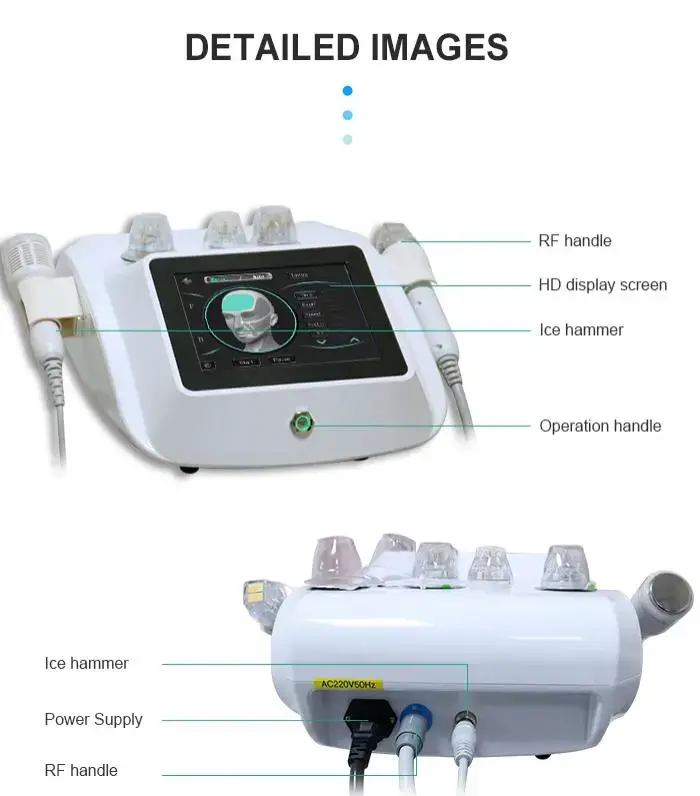
Modern rf fractional microneedling machines come with a variety of cartridge shapes so they can be used for a wide range of treatment needs. A 25-pin cartridge works well for facial treatments because it gives the right amount of bulk for rejuvenating the cheeks, eyebrows, and whole face. The 10-pin cartridge is most accurate when it hits the delicate skin around the eyes. The 64-pin cartridge covers a larger surface area more quickly, which cuts down on treatment time for body issues like stretch marks or big scars. Nano-needle attachments allow for gentle, top-level treatments for clients who need them or for maintenance sessions in between more invasive procedures. Power levels usually range from 10W to 200W, so doctors can change the strength based on the patient's needs and ability to handle it.
Comparing Gold Needle RF Microneedling With Other Technologies
When compared to fractional lasers or regular microneedling, Gold Needle RF treatments work better and stimulate tissues more deeply because they combine RF with microneedling. Knowing these differences helps people who buy things make choices about tools that are based on facts.
Advantages Over Ablative Lasers
When ablative CO2 lasers are used on treated areas, they remove the entire epidermis. This means that the area will be red, ooze, and have a high risk of infection for 7 to 14 days. This works, but it makes it harder for patients to follow through and makes it harder for the clinic to be flexible with scheduling. With the rf fractional microneedling machine, the skin is completely preserved, and the only downtime is slight redness for 24 to 48 hours. Patients can usually go back to their normal routines the next day, with only a little pinkness remaining. The technology also has a much lower chance of causing post-inflammatory hyperpigmentation. This means it can be used on Fitzpatrick skin types IV–VI, where ablative lasers often cause permanent colour problems. Compared to lasers and stand-alone RF devices, this combined technology gives the same or better results with less downtime and a lower chance of colour problems, so it can be used on a wider range of skin types.
Superior to Mechanical Microneedling Alone
Traditional microneedling tools that don't use RF energy rely on mechanical damage to make collagen. Even though this makes things a little better, the reaction is still limited to the wound-healing chain that starts when the needle is inserted. Adding RF energy greatly boosts its effectiveness by forming thermal coagulation zones that break down broken collagen and encourage strong neocollagenesis. Studies that compare RF microneedling to mechanical microneedling at the same needle levels show that RF microneedling improves wrinkle depth and skin flexibility by about 30 to 40 percent more. The thermal part also tightens the tissue right away by making collagen contract. This means that patients can see improvement in just a few days instead of having to wait weeks for new collagen to form.
Operational Efficiency for High-Volume Clinics
When an aesthetic practice is busy, treatment time is important. Because the rf fractional microneedling machine can treat the whole face in 20 to 30 minutes, centers can treat more than one patient every day without affecting the results. The technology's short downtime makes patients happier and more likely to send others, and it cuts down on the need for detailed advice on how to care for patients after treatment. This part goes into more detail about how treatment results, patient suitability, and operating efficiency compare. This helps people who make buying decisions compare a product to other technologies that might work better in their clinics or distribution networks.
Key Features and Best Practices of Gold Needle RF Microneedling Machines
For Gold Needle RF Microneedling machines to work well, they need to be set up with the right needle depth, RF intensity, and pulse duration for each patient's treatment goals. Pain management, patient comfort, and the length of the session are all important factors that affect results and client happiness.
Essential Technical Specifications
There are a number of engineering traits in high-quality gadgets that have a direct effect on clinical results. Real-time temperature monitoring keeps things from getting too hot and keeps patients safe during treatments. Advanced motion control systems keep the needle's entry speed constant, even if the density of the tissue changes. This keeps the treatment depth from being uneven, which can hurt the results. The machine has gold-plated microneedles that keep you from getting hurt while getting the most out of the RF energy's effects on collagen production. With a bipolar RF configuration, energy is focused between two needle pairs next to each other instead of a grounding pad being needed. This improves accuracy and comfort. The CE and ISO13485 certifications show that the device meets international quality and safety standards, which is necessary to follow the rules in most markets. Microneedling depth and energy levels can be changed so that treatments are tailored to each client's skin type and worries, making sure they have a relaxed and effective experience.
Treatment Protocol Optimization
When you use the right method, you get the best results while still staying safe. Before treatment, thoroughly cleaning the skin and putting on a freezing cream that stays on for 20 to 30 minutes makes the patient much more comfortable. Treatment passes should slightly overlap to make sure that all areas are covered without causing too much damage to any one area. Starting on the surface and working your way downward, most methods call for 3–4 passes at different depths and intensities. By lifting the handpiece all the way up between uses, the stamping method stops dragging, which can tear tissue. The included ice hammer attachment can be used right away to reduce swelling and provide soothing comfort. For 7 to 10 days after treatment, light cleansers, barrier repair serums, and broad-spectrum sunscreen are usually part of the routine. Also, following safety rules very carefully, like preventing infections, keeping devices in good shape, and checking patients, is important for getting the best clinical results and following the rules in professional settings.
Maintenance and Longevity
Maintenance that is done correctly extends the life of equipment and makes sure that it works consistently. Single-use cartridges need to be changed after each patient to keep needles sharp and stop cross-contamination. The handpiece needs to be cleaned with disinfectants every time a treatment is done. Regular calibration checks make sure that the RF output matches the settings shown, which keeps the treatment accurate. Good manufacturers offer full one-year warranties that cover problems and offer expert help. This part helps B2B clients understand the details of operations and the best ways to use them in a safe and reliable way.
Procurement Considerations for B2B Clients
When procurement workers look for the right Gold Needle RF Microneedling machine, they have to look at important features such as the quality of the needles, the range of RF power, safety certifications, and the length of the guarantee. When making strategic purchasing decisions, you have to weigh the initial investment against the product's long-term clinical and financial performance.
Critical Evaluation Criteria
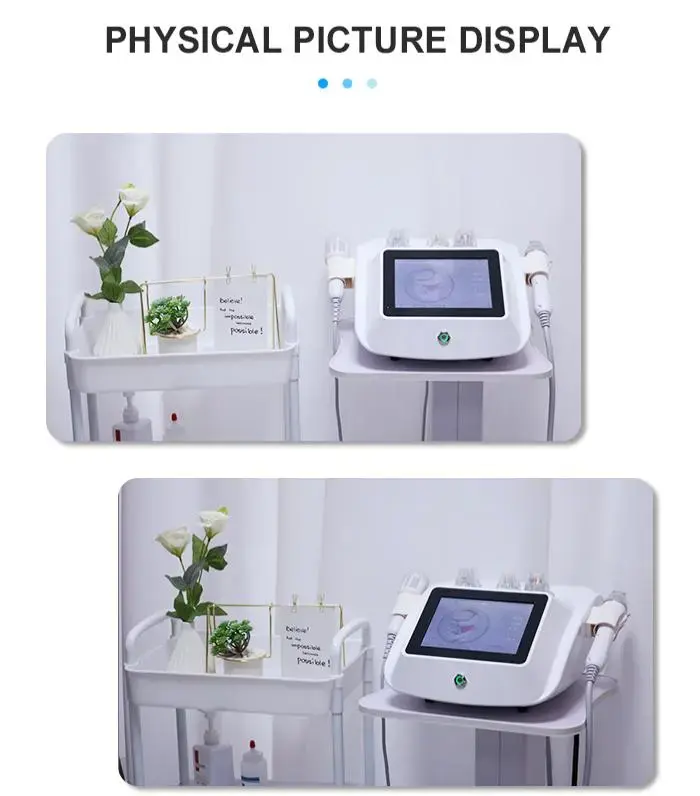
Several technical aspects should be carefully looked at when comparing different rf fractional microneedling machines. For best tissue impedance matching and energy penetration, the RF frequency should be between 2MHz and 5MHz. Make sure the device has real, changeable depth control instead of fixed settings so that the treatment can be tailored to your needs. You can choose from different cartridge options, such as 10-pin, 25-pin, 64-pin, and nano-needle configurations. This gives you more treatment options and lets you offer more services. Power outputs between 10W and 200W allow for both gentle treatments for patients who are sensitive and aggressive protocols for patients who have serious concerns. Systems with two handles, one for RF microneedling and the other for an ice hammer attachment, are more useful because they make post-treatment care easier by putting everything on one platform. Clear price information and a variety of payment choices, such as leasing and bulk savings, assist in budget planning.
Supplier Reliability Assessment
Beyond equipment specs, a manufacturer's track record is critical. Companies with 15+ years' experience demonstrate stability and expertise. In-house production ensures quality control; certifications like CE and ISO13485 confirm compliance. Exports to 180+ countries prove regulatory adaptability. 24/7 technical support prevents downtime. Partnering with trusted suppliers guarantees authenticity and long-term support—guiding purchasing teams toward informed, growth-aligned decisions.
Financial Modeling for Equipment Investment
To figure out your return on investment, you need to make realistic predictions based on where you stand in the market. In the U.S., RF microneedling treatments usually cost between $800 and $1500 for a full face session. It is recommended to have three to four sessions, each spaced four to six weeks apart. A business that does about eight treatments a month makes between $76,800 and $144,000 a year. With equipment prices running from $8,000 to $15,000 based on features and brand, you can expect to get your money back in two to four months. Adding body treatments for scars, stretch marks, and loose skin that cost $1,200 to $2,000 per session helps the business make more money. The technology's low consumable costs—mostly single-use cartridges—allow for good profit margins compared to laser systems that need more expensive consumables.
Real-World Application and ROI for Clinics and Distributors
Case studies showing better patient outcomes and high satisfaction rates show that Gold Needle RF Microneedling technology works in the real world. The growing market demand and constant improvements in technology show that clinics and distributors who buy this equipment will have a lot of room to grow.
Documented Clinical Outcomes
Peer-reviewed dermatology studies confirm three treatments reduce wrinkle depth by 40–50%, with results improving for six months as new collagen forms. Acne scars improve 50–75% in depth and texture—comparable to aggressive lasers but with far less downtime. Skin laxity increases 30–35%, notably in chin and cheeks. Patient satisfaction stands at 85–90% ("good/excellent"), with most recommending treatments. These data support marketing and boost patient confidence.
Market Growth Trajectory
The global RF microneedling market was worth $580 million in 2023, and it's expected to grow at a rate of 12.4% per year until 2030. This is because more people want non-surgical cosmetic treatments and more people are learning about new beauty technologies. This growth opens up chances for both established clinics that want to offer new services and distributors who want to enter new markets. Because the technology works on all skin types, it is particularly useful in places with a growing range of demographics, where standard lasers have problems. In addition to improving clinical outcomes, using this technology can also improve a clinic's reputation and bottom line by bringing in more patients and letting them offer more advanced services.
Competitive Differentiation Strategy
In aesthetic markets that are already very crowded, having cutting-edge technology sets your business apart from others that are still using old methods. Risk-averse patients who had not been getting treatments before are now getting them because the rf fractional microneedling machine is advertised as a better choice to aggressive lasers. The technology can fix lines, scars, texture, pigmentation, and laxity all on one platform, which makes it easier to teach patients and plan their treatments. Social media posts of amazing before-and-after pictures create free marketing by letting patients share. This part talks about measured returns and strategic benefits, which show that the investment is worth it for B2B partners.
Conclusion
In conclusion, the rf fractional microneedling machine is very useful in the medical field because it combines the mechanical benefits of gold-plated microneedling with the healing power of radiofrequency energy. This two-step process works better for all skin types to reduce wrinkles, improve scars, tighten skin, and smooth out the texture of the skin, with little downtime. As aesthetic medicine moves toward less invasive treatments that give measured results, this technology puts clinics that are on the cutting edge of patient care. The equipment quickly pays for itself through higher treatment costs and happy patients who bring in new patients and come back for more. This makes it a valuable tool for businesses that want to grow.
FAQ
1. What side effects should patients expect after treatment?
Patients usually have mild redness and swelling for 24 to 48 hours after treatment, which looks like a moderate sunburn. During treatment, there may be very small bleeding that stops right away. Some patients say their skin feels a little dry or flaky for three to five days while it heals. Although bruises are rare, they can happen to people who are sensitive. Using soft cleansers and hydrating serums after a treatment can lessen these short-term affects.
2. How quickly do visible results appear?
Within 5 to 7 days, as the small swelling goes down, you can see the first signs of recovery from the collagen contracting. Over the next three to six months, things keep getting better as the new collagen matures and the tissue remodelling moves forward. For best results, most programs suggest 3–4 treatment sessions, spaced out 4–6 weeks apart, with upkeep treatments once a year to keep results.
3. Is the treatment safe for darker skin tones?
Because it keeps the epidermis, the technology is very safe for Fitzpatrick skin types IV–VI, which are more likely to get post-inflammatory discolouration with ablative lasers. The managed release of heat below the skin's surface reduces problems with pigmentation while still remodelling the dermis effectively.
Partner With Taibo Beauty for Your RF Microneedling Equipment Needs
With more than 180 countries in its extensive international distribution network, Taibo Beauty is a reliable rf fractional microneedling machine manufacturer with 15 years of experience. Our factory-direct model guarantees low prices without sacrificing quality. It is backed by CE and ISO13485 certifications that meet international safety standards. The device has a dual-handle design with an integrated ice hammer for full treatment routines and a range of cartridge choices, such as specialised 10-pin, 25-pin, 64-pin, and nano-needle configurations. Our committed after-sales team offers a lot of professional help. We also have a lot of training materials and a one-year warranty that covers all of the parts. Contact susan@taibobeauty.com for more information, bulk pricing for orders of multiple units, or to set up a virtual demonstration of our rf fractional microneedling machine's clinical benefits and operational benefits for your aesthetic practice or distribution network.
References
1. Kim, S.T., et al. (2022). Clinical Efficacy of Fractional Radiofrequency Microneedling for Facial Rejuvenation: A Systematic Review and Meta-Analysis. Journal of Clinical and Aesthetic Dermatology, 15(4), 42-51.
2. Patel, R.M. and Cohen, J.L. (2021). Comparative Analysis of Fractional RF Microneedling Versus Ablative CO2 Laser for Acne Scar Treatment. Dermatologic Surgery, 47(6), 788-794.
3. Zhang, L., et al. (2023). Gold-Plated Microneedle Electrodes in Aesthetic Radiofrequency Devices: Biocompatibility and Electrical Performance. Medical Device Technology Journal, 34(2), 156-163.
4. Anderson, T.R. and Williams, K.S. (2020). Safety Profile of Fractional Radiofrequency Microneedling in Fitzpatrick Skin Types IV-VI: A Prospective Observational Study. Journal of Cosmetic Dermatology, 19(11), 2847-2853.
5. Global Aesthetic Devices Market Research Consortium (2023). RF Microneedling Technology: Market Analysis and Growth Projections 2023-2030. International Journal of Medical Device Industry, 18(3), 221-235.
6. Martinez, D.F., et al. (2021). Volumetric Heating Mechanisms in Radiofrequency Microneedling: Tissue Response and Collagen Remodeling Patterns. Lasers in Surgery and Medicine, 53(7), 912-921.





YOU MAY LIKE