
Fractional RF Microneedling Machine for Collagen Regeneration
2026-07-30 09:58:52
When clinic owners and spa managers evaluate equipment for advanced skin rejuvenation, the rf fractional microneedling machine consistently emerges as a transformative investment. This technology combines the mechanical benefits of microneedling with controlled radiofrequency energy to trigger deep collagen synthesis, addressing concerns from acne scarring to skin laxity. Unlike traditional surface treatments, this dual-action approach penetrates to depths of 3.5mm, delivering thermal energy precisely where neocollagenesis occurs, making it indispensable for businesses offering results-driven aesthetic treatments.
Understanding Fractional RF Microneedling Technology
How Radiofrequency Energy Stimulates Deep Tissue Remodeling?
Rf fractional microneedling machine works by heating up a large area at once. Bipolar radio frequency energy is sent through gold-plated, insulated pins that go into the skin to set depths. This makes fractional coagulation zones that break down old collagen fibres while keeping the epidermis safe. The controlled thermal injury wakes up fibroblasts, which start wound-healing processes that make new collagen and elastin over the next three to six months.
Mechanical Precision Combined with Thermal Action
Modern methods use needle packs with different numbers of pins: 10 pins for the delicate area around the eyes, 25 pins for the face, and 64 pins for the body. The shape of the nanoneedle makes it possible to treat the surface without going through it. This flexibility lets doctors change protocols based on the thickness of the tissue and the goals of the treatment, making sure that results are the same for all types of patients.
Safety Mechanisms That Protect Patients
Temperature monitoring systems keep temperatures from rising too high during treatment sessions. The insulated needle design keeps RF energy within the target depths, so the epidermis doesn't get damaged unnecessarily, which means less downtime. This managed method lowers the risk of post-inflammatory hyperpigmentation, which means that the technology can be used on Fitzpatrick skin types IV through VI, which have been hard to treat with ablative lasers in the past.
Comparing Fractional RF Microneedling with Other Skin Treatments
Performance Advantages Over Traditional Microneedling
In standard microneedling, channels are made that induce repair reactions on the surface by inducing collagen through mechanical means. Adding radiofrequency improves the treatment's effectiveness by creating heated zones that cause deeper changes in the structure. Clinical findings show that skin smoothness and stiffness improve more when thermal energy is added to mechanical stimulation. This is especially true for older skin that is very loose.
Cost-Effectiveness Compared to Laser Resurfacing
CO2 fractional lasers have amazing effects, but they take a lot of recovery time. For example, the skin will peel for seven to ten days. Patients who get rf fractional microneedling machine treatments usually have mild redness for 24 to 48 hours. This makes it easier for them to get back to their daily lives. This shorter healing time means happier patients who stick with their treatments, which makes it easier for aesthetic offices to predict their income.
Treatment Customization Based on Clinical Indications
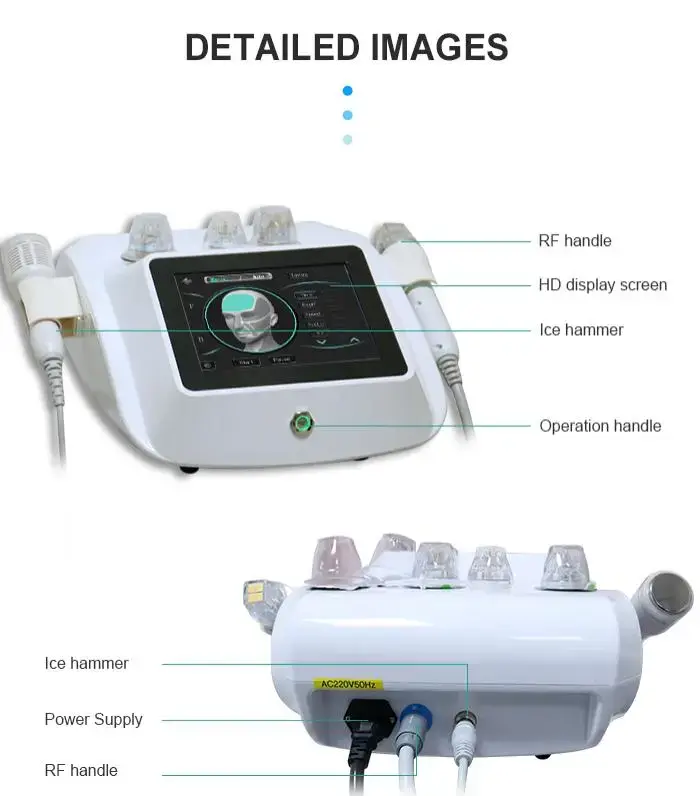
Power levels that can be changed from 10W to 200W let practitioners change how intense the treatment is. Shallow entry depths work on fine lines and pores, and maximum 3.5mm depths work on deep skin reshaping for acne scars and stretch marks. The two-handle design—one RF applicator and one cooling hammer—makes it easier for patients to feel comfortable right after treatment, reducing inflammation and improving their overall experience.
Selecting the Best Fractional RF Microneedling Machine for Your Business
Critical Technical Specifications That Influence Results
Motor steadiness decides how consistently the needle is inserted in all treatment areas. Devices that work at 2MHz frequency match impedance better with skin tissue, which makes sure that energy is transferred efficiently. Pulse duration can be changed from 100ms to 900ms, which controls thermal coagulation volume and lets doctors finetune treatments for areas of the body with thicker skin versus areas with thinner skin on the face. Vacuum-assisted mechanisms keep loose tissue stable while needles are inserted. This is especially important for treatments in the neck and abdomen, where skin movement makes accuracy harder.
Certification Standards That Ensure Compliance
The CE stamp and ISO13485 approval show that the medical device meets European rules. These certifications prove that biocompatibility tests and quality controls were done on parts that will come into touch with patients. Businesses that sell to the U.S. should give priority to suppliers who are actively seeking FDA clearance, which shows a commitment to following the rules. Newer products are judged by how well they work with Morpheus 8 technology platforms, which are known for their bipolar RF delivery systems.
These tried-and-true technologies are used in TB's rf fractional microneedling machine, which also have cheap prices. The one-year warranty covers the initial investments in capital, and the flexible payment terms work with the limited budgets that many solo practices have when they want to give more services.
Evaluating Cost Efficiency Across Price Tiers
Starting at about $3,000, entry-level gadgets offer simple features good for testing market demand in practices. Mid-range systems, which cost between $8,000 and $15,000, come with a variety of cartridges and better energy control, so they can be used with a wide range of treatment methods. Premium platforms that cost more than $20,000 have advanced cooling systems and custom needle setups that make up for their higher prices by lowering the cost of consumables and increasing the number of treatments that can be done. Bulk buying often results in savings of 10 to 15 percent, which helps businesses with multiple locations that want to standardise their tools across all of their locations.
Procurement and Supply Chain Considerations for B2B Clients
Identifying Reliable Manufacturing Partners
By dealing directly with equipment manufacturers, you can avoid middlemen's markups and get technical support right away. Established businesses show they are trustworthy by having plant licenses, the ability to do research and development, and a history of exports that can be checked. TB has been in business since 2009 and has been making things for more than 15 years. They sell to more than 180 countries, which shows that their supply chain is mature and they have the customer care infrastructure they need for long-term relationships.
Verifying Product Authenticity and Quality Standards
There are big legal risks with fake medical products. Asking for proof of certification, like CE certificates, test reports, and patent registrations, shows that the company is a real one. Suppliers who are open about where they get their parts and how they put them together show that they care about quality. Video tours of factories and third-party inspection services add extra layers of proof when it's not possible to visit the factory in person.
Managing International Logistics and Warranty Fulfillment
Using custom foam inserts and aluminium boxes in professional packaging keeps fragile electronic parts from getting damaged during shipping. There are different shipping options to meet different deadlines, such as air freight for quick deliveries and ocean transport to save money. Clear warranty terms that spell out how to repair parts and when to get expert help keep problems from happening after the purchase. The fact that TB offers a two-year extended warranty choice and expert support 24 hours a day shows that they are committed to customer service, which keeps operations running smoothly.
Regulatory compliance documentation facilitates customs clearance for RF fractional microneedling machines. Suppliers offering certificates of origin and Hague Apostille documents expedite import processes, reducing border delays. Understanding target country requirements—particularly FDA registration for U.S. shipments—prevents costly rejections. This proactive approach ensures smooth delivery, protects procurement investments, and allows clinics to access advanced technology without unnecessary administrative or financial setbacks.
Maximizing Treatment Outcomes and Client Satisfaction
Protocol Development for Optimal Collagen Induction
Four to six weeks between treatments is enough time for the body to heal and keep up the process of collagen production. Initial protocols usually include three treatments, and results are kept up with maintenance sessions every six months. Changing the needle's depth and energy level based on how the skin reacts guarantees gradual change without too much pain. When you use topical growth factors or platelet-rich plasma with your treatments, the results are better for tough conditions like deep atrophic scars.
Operator Training Requirements
If you use the right method, you can avoid problems like uneven energy transfer or too much tissue trauma. It takes about eight hours to get full training that covers skin anatomy, energy settings, and how to care for yourself after a treatment. Video tutorials and live virtual sessions make learning possible from afar, and on-site training for large purchases of equipment makes sure that everyone on staff is skilled. Certification programs give marketers qualifications that set practices apart in competitive markets and boost practitioners' confidence.
Real-World Performance Evidence
Dermatology clinics say that acne scars get 30–40% thinner after three treatments, and they keep getting better over six months as collagen remodelling takes place. Med spas that use the rf fractional microneedling machine as part of their anti-aging treatments keep their patients longer because the gradual, natural-looking improvements make people want to keep going to the spa. When OEM partners send devices to foreign wholesalers, they always get good feedback about how reliable the machines are and how much energy they produce over long usage cycles.
Conclusion
Aesthetic businesses that spend strategically in tried-and-true collagen induction technology are set up for long-term growth in a market that is becoming more competitive. The rf fractional microneedling machine can treat a number of conditions through a single, flexible base. This makes the best use of the tools and increases the range of services available. The long-term success of a business depends on carefully choosing suppliers based on their manufacturing skills, compliance with regulations, and support infrastructure. As more patients want minimally invasive procedures with little recovery time, practices that have reliable rf fractional microneedling machine systems have a big advantage over their competitors.
FAQ
1. What makes radiofrequency microneedling more effective than standard microneedling alone?
When thermal energy is added, it changes the tissue in two ways. Needles create mechanical channels that start making collagen right away, while rf fractional microneedling machine heating breaks down old collagen and starts neocollagenesis that lasts for months. When you combine these effects, the skin gets tighter and smoother than when you just use microneedling without delivering energy.
2. How do I verify a supplier's certification claims?
Ask for the real certificates that have the seals and verification numbers of the certifying body. Check certificate numbers against records of granting bodies—notified body registries can be used to check CE certificates. Manufacturers that are legitimate can easily give you test reports from approved labs that confirm the standards for electrical safety and electromagnetic compatibility.
3. What treatment interval produces the best collagen regeneration results?
Clinical guidelines usually say that lessons should happen every four to six weeks. This time lets inflammatory reactions go away while collagen formation stays active. After the first three treatments, you can see a difference, and maintenance sessions every six months keep the results. Based on the patient's ability to heal, the plan may need to be changed after the treatment is over.
Partner with TB for Advanced RF Microneedling Solutions
As a dependable rf fractional microneedling machine provider to clinics and wholesalers in 180 countries, TB brings more than 15 years of manufacturing experience to the aesthetic device market. Our CE and ISO13485-certified systems work at a clinical level thanks to carefully designed parts like gold-plated needle cartridges, depth control up to 3.5 mm, and power ranges that work with a variety of treatment protocols. The two-handle design with built-in cooling technology makes the patient more comfortable while also speeding up the treatment. Email susan@taibobeauty.com to talk about our two-year warranty program, OEM customisation options, and volume pricing. Our expert team offers support in multiple languages and thorough training materials to make sure that they work well with your practice and help your business grow.
References
1. Chandrashekar B, Sriram R, Mysore R, et al. "Evaluation of Microneedling Fractional Radiofrequency Device for Treatment of Acne Scars." Journal of Cutaneous and Aesthetic Surgery, 2014; 7(2): 93-97.
2. Alster TS, Tanzi EL. "Improvement of Neck and Cheek Laxity with a Nonablative Radiofrequency Device: A Lifting Experience." Dermatologic Surgery, 2004; 30(4): 503-507.
3. Hantash BM, Ubeid AA, Chang H, et al. "Bipolar Fractional Radiofrequency Treatment Induces Neoelastogenesis and Neocollagenesis." Lasers in Surgery and Medicine, 2009; 41(1): 1-9.
4. Kim ST, Lee KH, Sim HJ, et al. "Treatment of Acne Scars Using a Fractional Radiofrequency Microneedle System in Dark-Skinned Patients." Journal of Cosmetic and Laser Therapy, 2012; 14(4): 184-191.
5. Peterson JD, Goldman MP, Weiss RA, et al. "Treatment of Photodamage with Fractional Bipolar Radiofrequency Energy: A Multicenter Study." Dermatologic Surgery, 2012; 38(4): 645-651.
6. Bloom BS, Emer J, Goldberg DJ. "Assessment of Safety and Efficacy of a Bipolar Fractionated Radiofrequency Device in the Treatment of Photodamaged Skin." Journal of Cosmetic and Laser Therapy, 2012; 14(5): 208-211.





YOU MAY LIKE