
Diode Laser Hair Removal Machine vs SHR: Which Is Better?
2026-05-12 09:13:53
When deciding between a SHR (Super Hair Removal) machine and a diode laser Hair Removal Machine, diode lasers usually give better long-term hair reduction results for clinics that want proven, flexible performance on all skin types. When diode systems produce high-fluence energy at the right wavelengths, especially 808nm, they selectively heat up and kill hair follicles. SHR treatment is gentler and faster, but it usually takes more rounds to get the same level of stability. The choice will come down to the types of patients your clinic sees, the goals of their care, and the responsibilities of its operations.
Understanding the Technologies: Diode Laser vs SHR
Hair removal technology has come a long way, and clinic owners can make smart investment decisions when they understand how diode lasers and SHR work. Both methods try to stop hair growth, but they do so in very different ways when it comes to how they give energy and how they treat patients.
How Diode Laser Technology Works?
Diode lasers use semiconductor technology to emit coherent light at specific wavelengths—most commonly 808nm, considered optimal for permanent hair reduction. Energy penetrates dermis, targeting melanin in hair shaft and bulb. Laser energy converts to heat, raising follicle temperature to irreversibly damage germinative cells. Triple-wavelength systems (755/808/1064nm) from Taibo safely treat Fitzpatrick skin types I–VI. 755nm suits lighter skin, fine hair; 1064nm penetrates deeper for darker/tanned skin.
Understanding SHR Technology
SHR technology is different because it uses lower fluence energy through short, repeated bursts that can happen more than once a second. Instead of using short, powerful shocks, SHR heats the dermis and hair follicles gradually. This is called the "in-motion" method. Many clients feel more at ease when the practitioner glides the handpiece over the treatment area over and over again. It's less painful because each pulse has less energy, but this softer method might not work as well or last as long as standard diode systems.
Core Technical Differences
Diode lasers operate at 1–10Hz with adjustable 1–120 J/cm² fluence—enabling customization for each patient's hair type, color, density. Taibo's 12x36mm spot size rapidly treats large areas (legs, backs) without sacrificing precision. SHR prioritizes speed and comfort over high energy output, potentially extending treatment times. Professional diode machines combine TEC, sapphire contact cooling, water circulation, and semiconductor refrigeration maintaining -5°C to +5°C tip temperature—protecting epidermis during therapeutic heat delivery.
Performance and Effectiveness: Which Delivers Better Results?
Clinical results are still the best way to judge the value of any hair removal device. The diode laser hair removal machine and SHR have important differences in how well they work, how long treatments last, and how satisfied clients are with the results. These differences can have a direct effect on your practice's image and profits.
Permanent Hair Reduction Rates
Clinical studies consistently demonstrate superior permanent reduction with diode laser systems. After 6–8 sessions spaced 4–8 weeks apart, patients typically achieve 85–95% hair clearance. High-fluence energy delivery destroys active follicles during anagen phase. SHR's lower per-pulse energy typically requires 8–12 sessions for comparable results. Longer treatment course may frustrate clients seeking rapid outcomes and affects practice scheduling and per-treatment-area revenue generation.
Treatment Speed and Session Duration
Modern diode systems with large spot sizes and high-frequency capabilities dramatically reduce treatment time. Taibo's 12x36mm spot covers significant surface area—full-leg treatments completed in 30–45 minutes. Adjustable 1–10Hz frequency enables rapid large-area work and precise smaller area control. SHR's continuous motion may feel faster to clients, but sessions often extend longer as operators must repeatedly pass over same area to accumulate sufficient thermal energy for follicle destruction.
Client Comfort and Safety Profile
Taibo's advanced cooling provides "real ICE depilator" experience with TEC and water cooling protecting epidermis during high-energy pulses. Most clients report warm rubber-band snap sensation, tolerating treatment without topical anesthetics. SHR's lower per-pulse energy reduces immediate pain, but repetitive heating may cause gradual thermal accumulation. Both technologies safe when properly used; diode's precise wavelength control and robust cooling offer superior safety across more skin types. CE and ISO13485 certified.
Operational and Maintenance Considerations for Clinics and Salons
The technology you choose affects more than just how well it works in the lab. It also affects how well it runs, how much upkeep it needs, and how much it costs to own in the long run. By looking at these useful things, you can be sure that your investment will help your business grow in the long term.
Device Longevity and Maintenance Requirements
Professional diode systems with premium components offer exceptional longevity. Taibo machines use imported American Coherent laser bars—handpieces rated for 50+ million shots, treating thousands of clients before replacement. Regular maintenance includes water quality checks, filter replacement, optical window cleaning—tasks manageable by trained staff. Robust construction with Italian pumps, Japanese cooling plates, Taiwanese power sources ensures consistent daily performance. SHR flashlamps may require more frequent component replacement, increasing long-term costs.
Operator Training and Workflow Integration
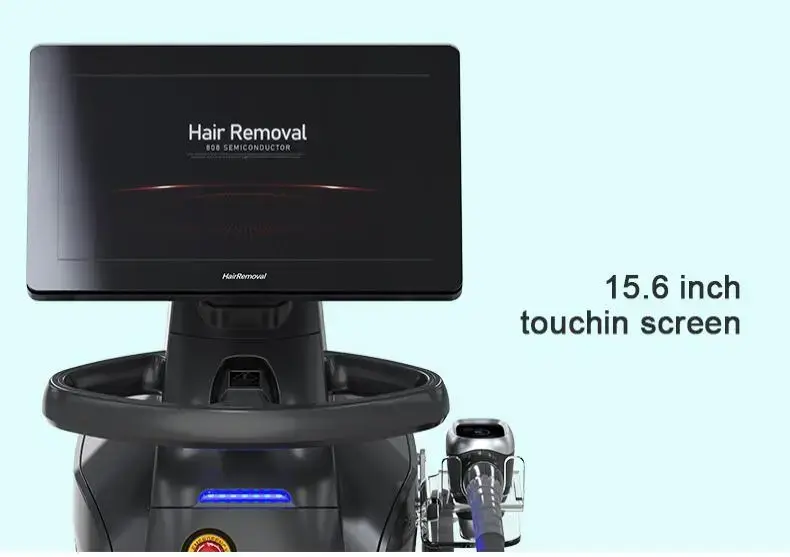
Taibo provides comprehensive training via detailed video tutorials, written guides, live video chat support—enabling team proficiency within days. 12-inch color touchscreen features intuitive pre-set routines for popular treatment areas, streamlining busy sessions. Diode requires understanding of skin typing, parameter selection, and cooling application. SHR's gliding technique demands smooth, consistent strokes for even energy distribution—potentially longer learning curve. Diode's faster results reduce repeat visits, freeing room for new clients versus SHR's longer protocols.
Investment and Return Analysis
Quality diode systems range 8,000–8,000–25,000 depending on brand, power output, wavelength configuration. Taibo offers various power options (600W–2000W) suiting diverse practice sizes and budgets. Operating costs remain minimal—$2–5 per session in electricity, no expensive consumables beyond routine maintenance. Two-year warranty and lifetime technical support protect investment. SHR may have lower upfront pricing than a diode laser hair removal machine, but higher consumable costs and longer treatment protocols reduce profitability. Many Taibo diode laser hair removal machine customers achieve payback in 6–12 months.
Market Overview: Sourcing and Procurement Insights
To find your way around the global market for hair removal equipment, you need to know about the different types of suppliers, the certification standards, and your buying choices. Making smart choices about where to get your supplies saves your practice from compliance risks and makes sure you get good help after the sale.
Leading Suppliers and Brand Considerations
Medical beauty device manufacturers vary significantly in quality standards. Established US/German/Italian/Israeli brands command premium pricing based on strong history and clinical evidence. Chinese manufacturers dramatically improved quality while maintaining competitive pricing. Xi'an Taibo Laser Beauty Company (15+ years, exporting to 180+ countries) exemplifies this trend. Our factory maintains separate production, R&D, and QC departments meeting or exceeding international standards. Evaluate suppliers based on component sourcing, facility certifications, and support infrastructure.
Critical Certifications and Compliance
Operating uncertified laser equipment risks regulatory penalties and liability. CE marking indicates European safety, health, environmental standards—essential for EU practices or international clientele. ISO13485 demonstrates medical device-specific quality systems. FDA clearance is important for US clinics. Taibo maintains CE and ISO13485 certifications; FDA registration in process. Beyond manufacturer certifications, verify your specific model includes appropriate classification documentation and English operator manuals facilitating staff training and regulatory inspections.
Flexible Procurement Options
Capital acquisition strategies depend on practice finances and growth stage. Outright purchase provides immediate ownership, ideal for established practices with available capital. Leasing lowers initial investment, preserves cash flow, but total cost exceeds purchase price. Taibo accepts PayPal, credit cards, bank transfers. OEM/ODM services enable software interface customization, logo placement, aesthetic matching. Bulk purchase agreements qualify for discounts and priority technical support. International buyers consider import duties, customs clearance, shipping logistics. Experienced export team assists documentation and freight coordination.
How to Choose the Right Hair Removal Technology for Your Business?
To choose the best tools, you need to make sure that the technology's skills are compatible with your business. A methodical evaluation process that looks at things like patient demographics, place in the market, and operational limitations leads to choices that help the business grow and keep clients happy.
Assessing Your Patient Demographics
Understanding your customers is a key part of choosing the right tool. Either technology can work well for practices that mostly treat Fitzpatrick skin types I–III, but the diode technology may be worth the extra money because it works better. Clinics that work with people of color or people with darker skin tones must have the longer wavelength choices (1064nm) that modern diode systems offer. This wavelength safely skips over epidermal melanin while effectively targeting follicular chromophores. SHR's restrictions on people with darker skin make it harder to reach new customers and can be dangerous if used incorrectly. It doesn't matter what kind of hair you have; thick, coarse hair reacts strongly to diode's high-fluence method, while fine, light-colored hair challenges both technologies but responds slightly better to diode's targeted wavelengths.
Evaluating Treatment Demand and Business Goals
Diode laser hair removal machine technology is faster and more effective than other technologies, which is good for high-volume offices that focus on efficiency and quick client turnover. Treatments can be finished in fewer sessions, which makes administration easier, lessens the effect of no-shows, and speeds up client happiness goals. SHR's comfort profile might appeal to practices that value a high-end experience and are ready to extend treatment times. However, this positioning needs careful marketing to control clients' expectations about how long the results will last. Think about how you can set yourself apart from the competition. Offering permanent results that have been proven with cutting-edge technology like Taibo's triple-wavelength diode system makes for engaging marketing stories and explains higher prices. Figure out how much power and space is needed by guessing how many treatments will be needed each year, how long each session will last, and how often you want to use the tools.
Weighing Supplier Reliability and Support
The performance of technology doesn't mean much without reliable service and expert help. Check out providers' response times, ways of communicating, availability of spare parts, and guarantee terms. Taibo offers online help 24 hours a day, so problems can be solved quickly no matter what time zone you're in. Our full two-year guarantee covers all non-consumable parts, and we keep important spare parts in stock so they can be sent out right away. All training materials are important. We offer thorough operation videos, user guides in multiple languages, and as many remote training lessons as your staff needs until they are fully confident in their ability to use the system. If a practice is buying more than one unit or looking to grow, they should ask about on-site installation and training services.
Considering Multi-Technology Strategies
Some practices that are ahead of the curve use both diode and SHR technologies to reach a wider range of customers. This method lets you fit the technology to what the client wants, like giving diode treatments to people who want fast, lasting results and SHR treatments to people who are very sensitive to pain. Maintaining various systems is more difficult and costs a lot of money. This is best for bigger practices that treat enough patients to make the investment worth it. Most clinics and spas with only one location do better when they focus on one better technology, like Taibo's triple-wavelength model, and train their staff to be very good at it, rather than sharing their attention across a lot of different platforms.
Conclusion
When we look at diode laser and SHR technologies side by side, it's clear that professional diode systems, especially those with multiple bands and advanced cooling systems, work better. Diode lasers are better at permanently removing hair because they can safely treat all skin types and offer faster treatment methods that make clients happier and help the practice make more money. SHR makes treatment more relaxing, but it isn't very effective and clients have to go to a lot of sessions, which makes it hard to keep clients for a long time. Clinics and salons that want to offer the best hair removal options should buy a high-quality diode laser hair removal machine from a well-known company like Xi'an Taibo Laser Beauty Company. This will give them the performance, dependability, and support they need to grow their business in the competitive medical aesthetics market.
FAQ
1. What is the main difference between SHR technology and diode laser technology?
Diode lasers send out a lot of high-fluence energy at certain wavelengths, usually 808nm. This energy targets melanin in hair cells and selectively heats them up, damaging them precisely enough to stop hair growth for good. SHR heats the dermis slowly by sending out low-energy pulses over and over again in a constant motion. Comfort is more important than peak energy release. This basic difference affects how well the treatment works, how long it lasts, and how long the results last. When deciding between SHR and diode laser hair removal machine, the latter provides more precise clinical outcomes.
2. How many times do clients usually need to use each tech?
To get rid of 85–95% of hair for good, diode laser treatments usually need 6–8 sessions, spaced 4–8 weeks apart. Due to lower per-pulse energy, SHR usually needs 8–12 rounds to get the same effects. The number of sessions needed depends on the thickness and color of the hair, the area being treated, and the person's hormones that affect hair growth patterns.
3. Can both technologies be used on dark skin without harm?
Advanced diode systems that use 1064nm wavelengths can safely and successfully treat Fitzpatrick skin types IV–VI, even if the skin is naturally dark or has a strong tan. The longer wavelength goes through the melanin in the epidermis to reach the follicular structures without absorbing too much on the surface. SHR doesn't work as well on darker skin types, and there's a higher chance of darkening or burns if the settings aren't carefully controlled.
Ready to Elevate Your Hair Removal Services with Professional Diode Technology?
For more than 15 years, Xi'an Taibo Laser Beauty Company has been making high-quality laser beauty tools that are trusted by more than 180 countries. Our diode laser hair removal machine has American Coherent laser bars that can be used over 50 million times, three wavelengths (755nm, 808nm, and 1064nm), power choices up to 2000W, and improved multi-layer cooling to make treatments painless. We offer reasonable prices, full two-year warranties, and expert help 24 hours a day, seven days a week as a qualified producer that meets CE and ISO13485 standards. Contact susan@taibobeauty.com to talk about how our solutions can meet your needs, whether you're starting your own business or improving the gear you already have. We offer OEM/ODM customization, savings for buying in bulk, and open terms for purchasing that help your business reach its goals.
References
1. Anderson, R.R., & Parrish, J.A. (1983). Selective photothermolysis: Precise microsurgery by selective absorption of pulsed radiation. Science, 220(4596), 524-527.
2. Gan, S.D., & Graber, E.M. (2013). Laser hair removal: A review. Dermatologic Surgery, 39(6), 823-838.
3. Haedersdal, M., Beerwerth, F., & Nash, J.F. (2011). Laser and intense pulsed light hair removal technologies: From professional to home use. British Journal of Dermatology, 165(Suppl 3), 31-36.
4. Sadick, N.S., Shaoul, J., & Taskin, S. (2004). Long-term photoepilation using a broad-spectrum intense pulsed light source. Dermatologic Surgery, 30(12), 1465-1469.
5. Tierney, E.P., & Goldberg, D.J. (2008). A review of the mechanisms of action and treatment efficacy for laser hair removal. Lasers in Surgery and Medicine, 40(2), 85-95.
6. Town, G., & Ash, C. (2011). Are all diode laser hair removal systems equivalent? Journal of Cosmetic and Laser Therapy, 13(5), 223-233.





YOU MAY LIKE