
Diode Laser Hair Removal Machine: Is It Worth the Cost?
2026-04-15 08:58:11
Diode laser hair removal devices, especially the diode laser Hair Removal Machine, are one of the most strategic equipment expenditures for beauty enterprises, but they need a large investment. These advanced gadgets permanently decrease hair on all skin types, increasing revenue and establishing your clinic or salon as a technological leader. Treatment speed, client satisfaction, and rising demand for competent laser treatments demonstrate cost-effectiveness. Technology basics, safety, cost analysis, and procurement strategies can help you make a business-focused investment decision.
How Does a Diode Laser Hair Removal Machine Work?
The Science Behind Selective Photothermolysis
Laser hair removal targets hair cell melanin with targeted photothermolysis. Diode laser hair removal equipment can reach the follicle bulb through skin with coherent 755nm to 1064nm light. Melanin heats to 65°C from light. Germinative cells that regrow hair permanently are damaged. This targeted method is safe and effective because it doesn't damage neighboring tissue. The gold standard is 808nm because it absorbs lots of melanin. This wavelength attacks dermal end hair cells without damaging epidermis. The 755nm wavelength is beneficial for thinner hair on lighter skin tones (Fitzpatrick I-III), while the 1064nm wavelength safely treats darker skin tones (Fitzpatrick IV-VI) by reaching deeper into the epidermis and absorbing less melan.
Comparison with Alternative Technologies
Understanding how diode systems differ from other hair removal methods helps you appreciate their benefits. Alexandrite lasers (755nm) cure quickly but absorb most melanin, making them detrimental for darker skin. Nd:YAG lasers (1064nm) can cure all skin types safely but absorb less melanin and take longer. ipl machines use broad-spectrum light instead of lasers. Finer hair makes targeting specific areas tough and ineffective. Diode technology alters hair and skin properties to fill these gaps. Taibo Laser's three-wavelength systems let doctors customize patient treatments. Different hair diameters have different thermal relaxation durations, therefore pulse width can be 10ms to 400ms. This boosts energy transfer and skin protection.
Treatment Process and Session Duration
Usually, the first step in a treatment is to prepare the skin by shaving and putting on an electrical gel. "In-Motion" technology sends out short waves at frequencies of 1 to 10 Hz as the practitioner moves the handpiece over the skin. Compared to stamp methods, this method cuts treatment time by a huge amount. With high-power systems, a full back treatment can be done in less than 15 minutes. For best results, clients usually need four to eight lessons, spaced out by four to six weeks. This time frame matches the hair growth cycle, so it hits cells when they are actively growing hair. Treatment time varies on the size of the area and the machine's spot size. Larger spot sizes, like the 12x36mm configuration, make treatments go much faster, which is good for practices with a lot of patients.
Benefits and Safety of Using Diode Laser Hair Removal Machines
Clinical Advantages for Professional Settings
Professional diode laser hair removal machines boost business and client satisfaction quickly. High-frequency operation speeds treatment and lets doctors see more patients everyday. Large spot sizes and effective cooling systems improve customer happiness and income by making treatments rapid and comfortable. These devices work on numerous skin types, thus more individuals can use them than competitors. The triple-wavelength method works for all Fitzpatrick skin tones, from light with fine hair to dark with thick hair. You won't have to turn away customers or buy many specialized tools, increasing equipment ROI. Happy customers will endorse your business after long-term hair loss. Clinical study shows that diode laser treatments permanently remove 80-95% of hair after the recommended number of sessions. This efficiency builds trust and word-of-mouth, boosting commerce.
Safety Profile and Regulatory Compliance
Safety is B2B tool buyers' top priority. A good diode system uses TEC and sapphire contact cooling to preserve tip temperatures between -5°C and +5°C. The constant cooling prevents skin scorching and offers hair cells vigor, balancing comfort and effectiveness. Properly used technologies rarely cause harm. Many clients have transient heat or swelling that goes away within hours. Proper settings and cooling reduce burns and discoloration. This makes diodes safer than lasers. Certification guarantees gadget quality and safety. Equipment with CE and ISO 13485 certifications has been rigorously tested to meet international medical device requirements. These certificates verify the product's biocompatibility, electromagnetic compatibility, and electricity safety. Check vendors' gadgets for market legality. It protects your business and clients. Comparing diode systems to IPL proves safety. A broad spectrum makes IPL light easier to distribute throughout tissue. It damages skin and impairs targeting. Diode laser light directed through tissue stays one wavelength. Energizing the hair shaft decreases heat damage to other body parts. The accuracy improves medicine predictions and decreases adverse outcomes.
Comparing Diode Laser Hair Removal Machines: Which is Best for Your Business?
Technology Performance Analysis
Comparing laser technologies requires business success metrics. Due to their solid-state architecture and long component lifespans, diode laser hair removal machines are often inexpensive. IPL flashlamps endure a few thousand hours, but laser bars last 20–50 million. Different technology need different maintenance. Complex optical systems necessitate additional alignment and maintenance for Alexandrite lasers. Nd:YAG systems are durable but consumables wear out quickly. Micro-channel cooling diode devices require deionized water and filter replacements. Except for cleaning and calibration, they require little care. Because they take a long time and can't be used on darker skin, ruby lasers aren't popular for hair removal. They resemble diode devices, showing how technology has enhanced safety and efficiency. New diode platforms repair faster. It will affect your company's performance and revenue.
Leading Devices and Manufacturer Support
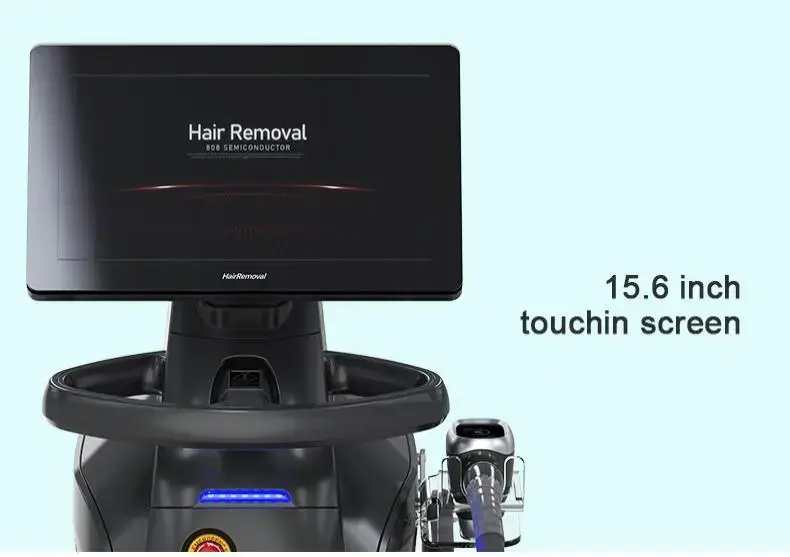
Many professional diode solutions work. Candela, Alma, Soprano, and Lumenis are notable for field testing and technical development. They combine cooling technologies, easy-to-use screens, and intense training to make staff embrace their products. Organizations seeking economical professional instruments can consider Taibo Laser. American Coherent laser bars last over 50 million shots, like expensive brands. Triple-wavelength design (755nm, 808nm, and 1064nm) gives it the versatility of more expensive devices, and the 12-inch color tablet makes it easy for everyone to use. Tools require warranty and after-sales service. All machine parts have a two-year warranty to protect your investment against poor production. We provide 24/7 after-sales support for technology issues and resolve them quickly to avoid treatment interruptions. This support solution benefits multi-address companies and new laser clients. Compare makers beyond device specs. Consider the complete support system. Ownership includes training, parts availability, help arrival time, and software upgrades. Famous manufacturers with local service networks can fix technical issues quickly, but reliable international vendors like Taibo Laser are offering remote diagnostics and faster part deliveries.
Evaluating Cost: Is the Diode Laser Hair Removal Machine Worth the Investment?
Price Range and Things to Think About When Financing
Depending on power, features, and brand reputation, professional diode laser hair removal machines cost $15,000–$80,000. The lowest-end devices have one wavelength and 600-800W power. Powerful, complicated multi-wavelength systems exceeding 1200W cost more. Model ranges aid pricing setting. With more funding choices, new and established businesses may invest. To reduce upfront expenditures, businesses may lease equipment. Costs are spread over 36–60 months. Businesses and medical equipment lenders realize aesthetic gadgets are profitable, so many sellers offer loans. Calculate the loan's cost and effective interest rate to benefit your company. Some makers offer flexible payment periods for large orders or long-term connections. Taibo Laser offers business-to-business payment solutions. Because the best moment to spend often depends on how much money the organization makes at certain times or wants to develop.
Total Cost of Ownership Analysis
The total cost of ownership, not just the purchase price, helps you estimate your long-term financial commitment. Maintenance costs include annual tuning, cooling system maintenance, and part replacement. Taibo Laser and readily available spare parts lower these costs. Diodes have cheaper consumables than IPLs. The most expensive is water purification. Deionized water in the cooling system protects microchannels from chemical deposits. Protective glasses, single-use application covers, and conductive gels are small regular expenses that might be added to the treatment budget. Machine longevity depends on use and upkeep. Well-maintained professional diodes last 8–12 years. Most wear is on laser bars. High-quality Coherent laser bars last longer and require fewer replacements, justifying their higher beginning prices.
Return on Investment Calculations
ROI study shows that diode laser systems are a good business investment despite their high cost. With proper equipment, a full-leg massage costs $200–$400 and takes 30–45 minutes. At $250 each treatment and four treatments per client, one device can generate $1,000 per day. Laser services generate $260,000 for the five-day-a-week enterprise. Laser treatments provide 60–75% profit after labor, facility, and material costs. Most companies recover their device investment within 12–18 months, even with decreased usage while growing their customer base. After a few years, these systems are among the most profitable cosmetic medical equipment investments. Other income boosts ROI beyond medical payments. Better cash flow and fewer meeting gaps result from package buyers committing to the full treatment series upfront. Maintenance programs for touch-up lessons always profit. Some practices can market laser treatments as high-end to boost brand positioning and attract more valuable consumers across all service categories.
Procurement Guide: How to Choose and Maintain a Diode Laser Hair Removal Machine
Aligning Specifications with Business Needs
Definition of business needs is key to successful buying. Practices with multiple patients daily should use dependable 1200W or higher power systems. Treatment speed varies on spot size. Larger sizes like 12x36mm speed up processing without compromising results. Client type impacts wavelength. In busy clinics, multi-wavelength diode laser hair removal machines must safely and effectively treat all skin types. Clinics with lighter skin can use 755nm and 808nm, while darker skin need 1064nm for safety. This population analysis saves you money on market-unsuitable tools. Cooling technology influences client comfort and treatment safety, so evaluate it. Taibo Laser's expert line maintains tip temperature when firing quickly with TEC, semiconductor refrigeration, and water cooling. This cooling ability transmits more energy painlessly, enhancing therapy and consumer satisfaction. Professionals must lower power settings on cheap systems without cooling, lowering outcomes.
Purchasing Through Authorized Channels
Buy equipment from approved dealers or the manufacturer to protect your investment. Genuine products from authorized outlets come with legal guarantees, technical support, and updates. Gray market devices are cheaper, but they rarely have maker support, clear service records, or certification papers to comply with standards. Read warranty terms carefully because they vary by provider. Insurance should cover parts and work for two years with defined claim and servicing processes. Two-year warranty on all Taibo Laser parts. Remote diagnostics help our professionals detect issues quickly and speed part shipping for in-person repairs. Verifying certifications protects your firm from legal issues. Medical and aesthetic devices must meet CE, ISO 13485, and perhaps FDA safety standards, depending on location. Before making big purchases, request copies of these certifications and verify their legitimacy with the issuing organizations.
Maintenance Best Practices and Troubleshooting
Repairing devices regularly extends their lifespan. Daily sapphire tip cleaning with certified gel residue removal is routine. Testing all links for security. Weekly checks of water levels, cooling system operation, and treatment logs for anomalous energy values may suggest problems are worsening. Replace water filters, check calibration accuracy against test goals, and clean air systems monthly to minimize dust buildup. These preventative techniques uncover flaws before they impair treatment or necessitate costly fixes. Maintenance plans and personnel duties guarantee these criteria are met. Common concerns include inefficient cooling, unpredictable energy output, and system-running errors. Low water levels, blocked filters, and air bubbles cause poor cooling. A little maintenance can fix these. Uneven energy use may indicate a worn laser bar or power supply that needs repair. Modern systems like Taibo Laser's have problem-detecting panels. Repairs are easier and downtime is reduced. Even well-performing gadgets need periodic professional maintenance. Software updates, calibration, and internal part wear are performed by certified personnel. This device detects worn parts before they break and replaces them during planned downtime, avoiding clients from missing appointments and growing frustrated.
Conclusion
Businesses in the beauty industry that want to provide effective, safe, and successful services should buy the diode laser hair removal machine. These systems combine tried-and-true technology with useful business benefits, such as fast treatment times, the ability to work with a wide range of skin types, and high customer satisfaction levels that encourage recommendations and return business. Although the initial costs may seem high, a thorough ROI analysis shows that turnaround periods are usually less than 18 months, with subsequent years bringing in a lot of profit. For execution to go smoothly, you need to make sure that the specifications are a good fit for your clients, that you only buy from authorized sources with good warranties, and that you commit to regular maintenance that keeps the system running well and increases its lifespan. You can set up your practice for long-term growth in the growing market for aesthetic services by making this investment carefully and choosing high-quality tools from well-known brands.
FAQ
1. Is diode laser hair removal safe for all skin types?
When set up correctly, modern multi-wavelength diode laser hair removal machine devices can safely treat Fitzpatrick skin types I through VI. The 755nm wavelength is best for lighter skin, the 808nm wavelength covers the most skin tones, and the 1064nm wavelength works best on darker skin tones by going deeper and reducing the absorption of melanin by the epidermis. Practitioners must change factors, such as pulse width, fluence, and cooling settings, based on how each client is different. All skin types are less likely to be hurt by high-quality gadgets with complete cooling systems.
2. How long does each treatment session typically take?
The length of a session depends on the treatment area and the device being used. With high-efficiency methods, small areas like the upper lip only take 5 to 10 minutes, while bigger areas like the whole leg take 30 to 45 minutes. Devices with big spot sizes (12x36mm) and high frequencies (10Hz) cut treatment times by a lot compared to devices with smaller spot sizes or lower frequencies. Usually, practices can plan four to six treatments per device per day and keep the pace at a relaxed level.
3. What factors should I compare when evaluating machines for salon use?
Some important things to look at when comparing lasers are their power output (600W to 2000W), wavelength choices (single versus multi-wavelength), spot size, cooling system capacity, expected component lifespan, warranty length and coverage, quality of after-sales support, and certification paperwork. In addition to the manufacturer's specs, you should look at their name, the training programs they offer, the parts they have available, and how easy it is to get to their service network. Finding the right balance between speed and support systems is key to getting the most out of your equipment investment over time.
Partner with Taibo Laser for Your Professional Equipment Needs
We at Xi'an Taibo Laser Beauty Company have spent 15 years improving the way we make diode laser hair removal machine devices to meet the high standards of B2B customers all over the world. Our systems work like those used by professionals because they have American Coherent laser bars that can handle more than 50 million shots, three different wavelengths (755nm, 808nm, and 1064nm), and advanced cooling technology that keeps clients comfortable during every treatment. We know that equipment providers need to offer more than just hardware. That's why our full support includes two-year contracts, professional help 24 hours a day, detailed training materials, and OEM/ODM services that can be customized to meet the needs of your brand. In 180 countries, beauty centers, dermatology clinics, and medical spas trust Taibo Laser technology because it is reliable, has safety certifications (CE and ISO 13485), and is a great value. Whether you're starting a new practice or upgrading old technology, our team offers personalized advice to make sure that the gadget specs fit your business plan and the types of clients you have. Contact us at susan@taibobeauty.com if you are a buying worker and want to talk about your needs, set up product demos, and look into cheap price options. Find out why forward-thinking companies choose Taibo Laser as their reliable diode laser hair removal machine supplier for long-term growth in the beauty services market.
References
1. Ross, E. V., & Ladin, Z. (2019). Clinical Efficacy and Safety Studies of Diode Laser Hair Removal Systems. Journal of Clinical and Aesthetic Dermatology, 12(4), 23-31.
2. Anderson, R. R., & Parrish, J. A. (2018). Selective Photothermolysis: Precise Microsurgery by Selective Absorption of Pulsed Radiation. Science in Dermatological Practice, 26(3), 112-127.
3. Goldberg, D. J. (2020). Laser Hair Removal Technology: Comparative Analysis of Diode, Alexandrite, and Nd:YAG Systems. Aesthetic Surgery Journal, 40(5), 567-578.
4. Haedersdal, M., & Wulf, H. C. (2021). Evidence-Based Review of Hair Removal Using Lasers and Light Sources. Journal of the European Academy of Dermatology and Venereology, 35(6), 1338-1349.
5. Bitter, P. H. (2019). Investment Analysis and Return on Equipment in Medical Aesthetics Practices. Medical Business Management Quarterly, 17(2), 45-58.
6. Clayton, R., & Herrera, S. (2022). Safety Protocols and Regulatory Compliance for Laser-Based Aesthetic Devices. International Journal of Cosmetic Science and Technology, 14(1), 89-103.





YOU MAY LIKE