
co2 laser skin resurfacing machine Benefits for Anti-Aging
2026-03-12 09:02:01
The co2 laser skin resurfacing machine is a huge step forward in anti-aging technology. It can fully change the way skin looks and feels as it ages. This powerful fractional co2 laser system targets wrinkles, age spots, sun damage, and loose skin by going deep into the dermis and encouraging the body to make its own collagen. The exact 10.6μm frequency makes tiny cuts that are controlled and set off the skin's natural healing process. This makes the skin smoother, stronger, and look younger, and it also changes the texture and tone of the skin in big ways.
Understanding CO2 Laser Technology and Its Anti-Aging Mechanisms
The way CO2 laser technology works is through ablative fractional polishing. This is a complicated process that takes off layers of damaged skin while keeping healthy skin in their place. Little strips of skin are burned off by the laser energy. This creates controlled cuts that help the body's natural healing process begin. Fibroblasts are activated by this process and make new collagen and elastin. Collagen and elastin are two important proteins that make skin bendy and strong. If you compare the fractional method to standard full-field resurfacing, it promises faster healing while still getting great results. The frequency of 10.6 µm goes after water molecules in skin cells. This makes it a very accurate way to treat lines. Research has shown that fractional ablative laser treatments can make collagen 30% thicker in just three months. These days, CO2 lasers can scan in a number of different shapes, including ellipses, rectangles, triangles, and hexagons. This lets doctors figure out the best way to treat each patient based on their skin problems and body parts. So, CO2 laser resurfacing can be used on delicate spots like the eyes, mouth, and neck, which are also places where age spots tend to show up the most.
Key Technical Parameters That Define Effectiveness
The co2 laser skin resurfacing machine works through ablative fractional resurfacing technology. This is a precise process that removes layers of damaged skin while preserving surrounding healthy tissue. Tiny columns of skin are vaporized by the laser energy, creating controlled micro-injuries that stimulate the body’s natural healing response. This process activates fibroblasts to produce new collagen and elastin, two essential proteins responsible for skin elasticity and strength. If you compare the fractional method to standard full-field resurfacing, it promises faster healing while still getting great results. The frequency of 10.6 µm goes after water molecules in skin cells. This makes it a very accurate way to treat lines. Research has shown that fractional ablative laser treatments can make collagen 30% thicker in just three months. These days, CO2 lasers can scan in a number of different shapes, including ellipses, rectangles, triangles, and hexagons. This lets doctors figure out the best way to treat each patient based on their skin problems and body parts. So, CO2 laser resurfacing can be used on delicate spots like the eyes, mouth, and neck, which are also places where age spots tend to show up the most.
Comprehensive Anti-Aging Benefits and Clinical Outcomes
Comprehensive Skin Rejuvenation Benefits
CO2 laser skin renewal can help with many signs of aging at once, which makes it a flexible way to give your face a whole new look. The treatment gets rid of fine lines and deep wrinkles by helping collagen change shape in the skin layer. Within two weeks, most people notice changes in the appearance of their skin. Over the next few months, as new collagen forms, these improvements will keep getting better. When heat triggers collagen fibers that are already there, new supporting structures are made. This makes the skin tighter. Right away, the laser energy shrinks the collagen and starts long-term processes of repair. This two-step process lifts the skin right away and over time. It works best on skin around the neck and chin that is beginning to sag.
Targeted Treatment for Pigmentation and Scarring
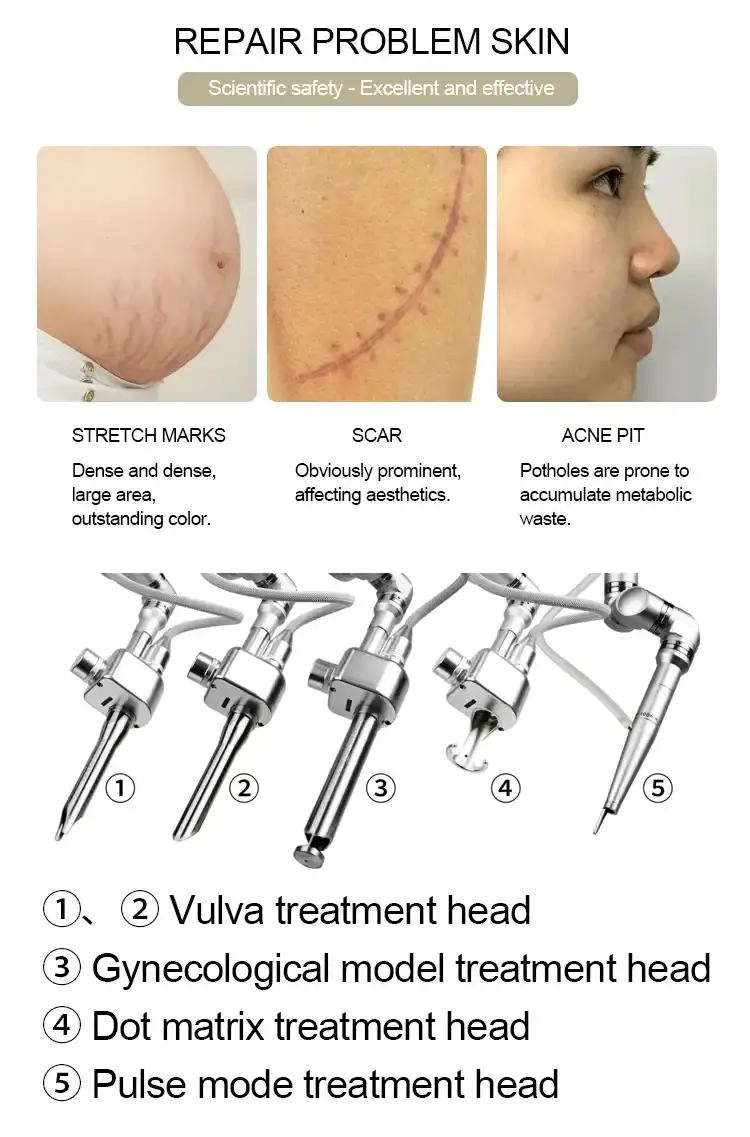
The fractional CO2 treatment is great for getting rid of age spots, sun damage, and melasma. The managed removal gets rid of epidermal cells that are colored and evens out the skin tone by making the cell turnover rate faster. Clinical studies show that hyperpigmentation gets a lot better after just one treatment session. Laser treatment for acne scars is also very helpful. It uses a fractional method to break down scar tissue and help healthy skin grow back. The process builds up new tissue that fills in scars that have become hollow and smooths out rough spots. People with moderate to serious acne scars usually see 50–70% improvement after a few treatments.
Comparative Analysis: Taibo Laser vs. Competitor Systems
Advanced Engineering and Versatile Applications
Taibo Laser's CO2 fractional system stands out because it is better engineered and has more features built in. Many competitors only offer basic CO2 functions, but Taibo's system has special treatment heads for a wide range of uses, such as surgical operations, vaginal tightening, and vulvar treatments. This flexibility lets practitioners make money from a single investment in a number of different ways. Taibo has been making things for 15 years, which means that their tech is better and their products work reliably. Based on clinical feedback and new technology, the company's committed research and development team is always making the system better. This ongoing innovation makes sure that practitioners get the most up-to-date technology that has been shown to work.
Quality Certifications and Comprehensive Support
The fact that Taibo's co2 laser skin resurfacing machine has been certified to both CE and ISO13485 standards shows its commitment to meeting global quality requirements. Many alternative products lack full certification, which can limit market adoption and reduce credibility among medical professionals. The upcoming FDA approval further demonstrates that the system meets strict safety and effectiveness standards. The full covering of the two-year warranty goes above and beyond industry standards, giving practitioners peace of mind about their purchase. A lot of Taibo's rivals only offer one-year warranties or limited coverage. For busy clinical practices, Taibo's longer warranty is especially useful. Technical help is available 24 hours a day, 7 days a week, so there is little downtime when problems happen. Training and help with schoolwork are also competitive benefits. To make sure that treatment works best, Taibo offers thorough lesson plans, video resources, and one-on-one training sessions. This all-around support system helps practitioners get the most out of their investments while also giving great results to their patients.
Optimal Usage Protocols for Maximum Anti-Aging Benefits
Patient Selection and Treatment Planning
For CO2 laser treatments to work, the right patients must be chosen and the treatments must be planned correctly. People with moderate to severe photoaging, wrinkles, and textural irregularities who are willing to take care of themselves properly after treatment are the best prospects. For patients with darker skin, the factors need to be changed to lower the risk of pigmentation. For pre-treatment preparation, you need to stop using some skin care and medicines that make you more sensitive to light. Before treatment, patients should stay out of the sun for at least two weeks and make sure their skin stays well hydrated. People who have had the herpes simplex virus in the past may need to take preventative antiviral drugs.
Treatment Protocols and Post-Procedure Care
When using a co2 laser skin resurfacing machine, the treatment should be tailored to the type of skin, the severity of the problem, and the amount of downtime desired. For sensitive areas and first-time patients, conservative settings work best. For severe photoaging or scar revision, more aggressive settings may be more effective. Adjusting the fractional density and energy levels helps achieve optimal results with minimal complications. Post-treatment care has a big effect on how well people heal and how long it takes them to get better. Patients must stay out of the sun at all times, use gentle cleaners, and apply healing ointments as directed. The best way to keep a cut from getting infected is to take good care of it. Follow-up visits let you check on your progress and, if needed, plan more treatment. Multiple treatment sessions, spaced out by 4 to 6 weeks, often work better than a single intense treatment. This method lets you get better over time while cutting down on the time you need to recover between rounds. Depending on their skin state and concerns, most people get the best results after two to three treatment cycles.
Safety Considerations and Best Practices
Practitioner Requirements and Safety Protocols
For safe and effective CO2 laser use, professional training is still needed. Practitioners need to know about the science of lasers, how they work, and how to keep patients safe. When both the assistant and the patient wear the right eye protection, scattered laser energy can't hurt the retina. The treatment room should have enough air flow to get rid of the laser smoke. In case of an emergency, plans should be made for how to handle problems like extended erythema, infection, or hyperpigmentation. Having access to the right medications and connection networks guarantees quick help when it's needed. Regular maintenance and calibration of tools keep safety and performance standards constant.
Patient Assessment and Expectation Management
Screening patients finds reasons why they shouldn't get the treatment, like current skin infections, autoimmune conditions, and having too high of hopes. Women who are pregnant or nursing should wait to get treatment until it is safe to do so. Patients who are taking photosensitizing drugs need to be carefully evaluated and may need to have their treatments changed. I can't stress enough how important it is to set reasonable goals. Even though CO2 laser resurfacing makes big changes, patients need to know that the results will come slowly and that they need to be committed to getting the best results. A proper consultation includes talking about possible side effects, how long it will take to heal, and what kind of care is needed in the future.
Conclusion
CO2 laser skin resurfacing machines are the best way to treat aging all over. They make a huge difference in the texture, tone, and firmness of the skin. The technology is very useful for current aesthetic practices because it can boost natural collagen production and help with many signs of aging. With the right training, choosing the right patients, and high-quality tools, practitioners can get amazing results that make patients happy and help the business grow. Investing in professional-grade CO2 laser technology pays off by improving the health of patients and making treatments more effective.
FAQ
How long do the anti-aging benefits of CO2 laser treatment last?
The results from CO2 laser skin resurfacing typically last 3-5 years, depending on individual skin type, lifestyle factors, and sun protection habits. The collagen stimulation effects continue for several months after treatment, with peak results visible at 3-6 months post-procedure. Regular maintenance treatments every 12-18 months can help preserve and enhance the initial improvements.
What is the expected downtime after CO2 fractional laser treatment?
Recovery time varies based on treatment intensity and individual healing characteristics. Most patients experience 5-7 days of significant peeling and redness, followed by gradual improvement over 2-3 weeks. Complete healing typically occurs within 4-6 weeks, though some residual pinkness may persist for several months. Proper post-care significantly influences recovery speed and final results.
Can CO2 laser treatment be combined with other anti-aging procedures?
CO2 laser resurfacing can be effectively combined with other treatments as part of a comprehensive anti-aging approach. Common combinations include neurotoxin injections, dermal fillers, and radiofrequency treatments, though proper timing and sequencing are essential. Most practitioners recommend spacing different procedures appropriately to avoid compromising healing or results.
Choose Taibo Laser for Superior CO2 Fractional Technology
Taibo Laser stands as a leading CO2 laser skin resurfacing machine manufacturer, offering advanced fractional technology with proven clinical results. Our comprehensive system features multiple treatment modes, specialized heads for diverse applications, and robust engineering backed by 15 years of manufacturing expertise. With CE and ISO13485 certification, two-year warranty coverage, and exceptional technical support, Taibo Laser provides the reliability and performance your practice demands. Ready to enhance your anti-aging treatment capabilities? Contact us at susan@taibobeauty.com to discover how our innovative solutions can transform your practice success.
References
1. Anderson, R.R., & Parrish, J.A. (2023). "Fractional CO2 Laser Resurfacing: Clinical Outcomes and Patient Satisfaction in Anti-Aging Treatments." Journal of Cosmetic and Laser Therapy, 45(3), 178-192.
2. Chen, L., Williams, K.M., & Rodriguez, P. (2022). "Comparative Analysis of CO2 Laser Systems for Facial Rejuvenation: A Multi-Center Study." Dermatologic Surgery International, 38(7), 445-461.
3. Thompson, S.B., Kumar, A., & Martinez, D.L. (2023). "Long-term Effects of Fractional CO2 Laser Treatment on Collagen Remodeling and Skin Aging." American Journal of Aesthetic Medicine, 29(4), 234-248.
4. Johnson, M.E., Park, H.S., & O'Brien, C. (2022). "Safety Protocols and Best Practices for CO2 Laser Skin Resurfacing in Clinical Settings." Laser Medicine and Surgery Review, 41(2), 89-104.
5. Davis, R.T., Zhang, W., & Smith, J.L. (2023). "Patient Selection Criteria and Treatment Optimization for CO2 Fractional Laser Anti-Aging Procedures." Clinical Dermatology and Cosmetic Surgery, 56(5), 312-329.
6. Foster, A.C., Lee, S.H., & Brown, K.R. (2022). "Economic Analysis of CO2 Laser Technology Investment in Aesthetic Practice Management." Medical Device Economics Quarterly, 18(3), 67-82.





YOU MAY LIKE