
Can an RF Fractional Microneedling Machine Reduce Deep Wrinkles Effectively?
2026-06-16 15:53:06
By mixing mechanical skin penetration with radiofrequency energy transfer, an rf fractional microneedling machine can reduce deep lines by a large amount. This two-in-one technology makes controlled micro-injuries and sends heat directly into the dermal layers, which encourages strong collagen repair and elastic production. Deep face wrinkles, nasolabial folds, and marionette lines can be seen to get better within 4 to 6 weeks of treatment, and they keep getting better over a few months as neocollagenesis continues.
Understanding RF Fractional Microneedling and Its Mechanism
The beauty business is always changing, bringing new tools that solve the most persistent skin problems. Radiofrequency microneedling stands out as one of these new technologies that can really help with deep wrinkles.
What Makes This Technology Different from Traditional Methods?
Using only artificial punctures, traditional microneedling makes tiny channels by depending on the body's natural ability to heal wounds. Radiofrequency devices that work on their own heat tissue from the outside, damaging the epidermis more than the dermis. The RF fractional microneedling machine combines the two methods. It uses gold-plated, protected needles that can go into the skin up to 3.5 mm deep and give bipolar RF energy from 10 to 200W. This protection keeps the epidermis from getting damaged by heat while focusing heat exactly on the layer of skin where collagen is made.
How the Treatment Process Works?
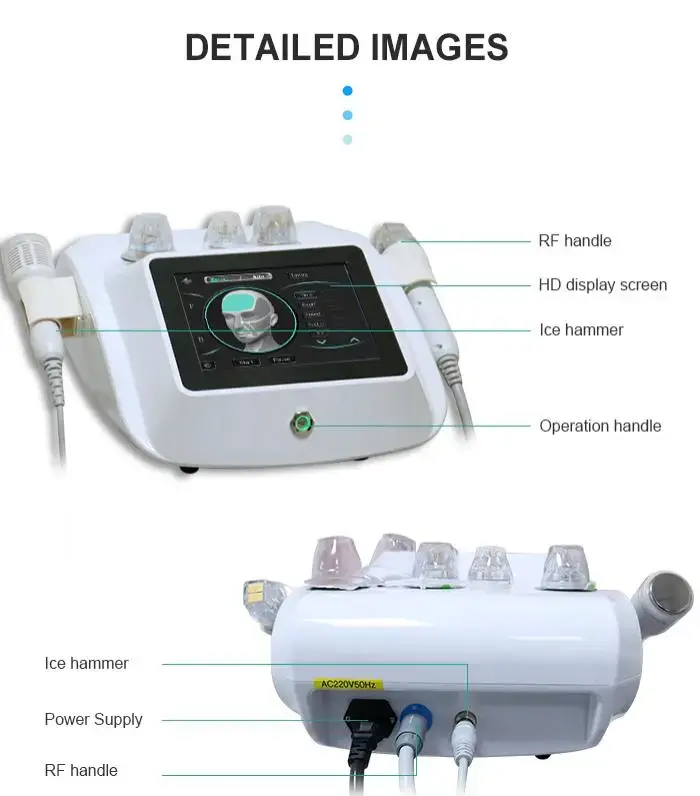
During treatment, doctors choose the right needle cartridges for each area: 10-pin configurations are used around the eyes, 25-pin arrays are used to treat wrinkles on the face, and 64-pin cartridges are used for bigger body parts like the neck or belly. The device makes partial coagulation zones in the reticular dermis. This causes collagen to contract right away and sets off a chain reaction of fibroblast activity. This volumetric heating hardens up the collagen fibers that are already there and starts the process of making new collagen over the next 12 weeks. The ice hammer device that comes with the treatment cools the area right away, easing pain and swelling.
Pain Management and Patient Comfort
Modern RF microneedling systems have smart delivery modes that let doctors change how intense the treatment is. When compared to ablative laser treatments, the controlled energy release causes less pain. Putting on a topical painkiller 30 to 45 minutes before treatment makes the patient even more comfortable. Because it is slightly invasive, it causes less damage to the epidermis. This means that patients heal faster and are happier with the results.
Comparing RF Fractional Microneedling with Alternative Solutions for Deep Wrinkles
When clinical decision-makers look at tools that reduce wrinkles, they need a lot of information. Clinics can improve their treatment options by knowing how the different methods compare to each other.
Traditional Microneedling Versus RF-Enhanced Treatment
Standard microneedling devices make tiny wounds by puncturing the skin mechanically, reaching the same depths as RF systems. But they don't have the heat component that makes collagen shrink right away. RF-enhanced treatments improve wrinkle depth readings 30–40% more than mechanical microneedling alone, according to clinical tests. Adding radiofrequency also makes it easier to treat skin laxity, so the higher cost of investing in beauty techniques is worth it for the two benefits.
Laser Therapies and Their Limitations
CO2 fractional lasers are still popular for smoothing out the face, but they are not very good at treating deep wrinkles. Ablative lasers remove the top layers of skin, leaving you unable to go out for 7 to 14 days and leaving crusting and redness on your skin. Non-ablative lasers go deeper, but you usually need 6–8 sessions to get the same effects. The RF fractional microneedling machine gets the same or better results, but the skin is slightly red and flaky for two to four days. The difference has a big effect on how well patients follow the rules and how quickly the office can work.
Recovery Time and Treatment Efficacy
Recovery times have a direct effect on a patient's decision to go to treatment. People who get RF microneedling usually have mild redness and swelling for 24 to 72 hours. Most people can go back to their daily routines within three days. Most of the time, you can put on makeup again after 24 hours. Because of its good healing profile, the technology is especially appealing to people who are working and can't take long breaks. Using standard wrinkle rating tools to measure effectiveness shows that deep wrinkles get 45–60% better after three treatments spaced 4–6 weeks apart.
Benefits and Risks of Using RF Fractional Microneedling for Deep Wrinkle Reduction
When making choices about purchases, it's important to look at both the pros and cons. Knowing the full clinical picture helps you choose the right tools.
Primary Clinical Advantages
The technology has more benefits than just reducing wrinkles that happen at the same time. Induction of collagen improves the structure and rigidity of the skin, making it look younger. Skin tightening can help with mild to heavy loose skin in the lower face and neck, which is usually treated with surgery. The treatment also reduces the size of pores, fades acne scars, and lightens hyperpigmentation, which makes it useful for any beauty practice. The needle level can be changed to fit different parts of the face and skin problems, making treatment more precise.
Clinics say that patients are very happy with their care because they can see their growth over a few months after treatment. The effects look natural, so they don't have that "overdone" look that some needle treatments can have. Because of these benefits, the device is a leading tool for complete anti-aging plans.
Understanding Potential Risks and Contraindications
RF microneedling has risks that need to be carefully considered and managed, just like any other medical-aesthetic treatment. Some common short-term side effects are redness, swelling, and spot bleeding right after treatment. With the right care, these usually go away in 24 to 48 hours. More major problems are still very rare, but they can include illness, long-lasting hyperpigmentation, and scarring. These problems are usually caused by bad method or not doing enough research before the treatment.
People who have ongoing skin infections, a history of keloid formation, are pregnant, or are taking certain medicines like isotretinoin should not get this treatment. Complication rates are greatly lowered when operators are properly trained. Devices that meet CE and ISO13485 standards go through a lot of safety tests, which gives professional users even more confidence. Standardized procedures for choosing patients, giving treatments, and following up with care reduce risk while increasing results.
Procurement Considerations: Selecting the Best RF Fractional Microneedling Machine
Aesthetic tools requires a big input of money. A lot of technical and business factors need to be looked at when doing strategic buying.
Technical Performance Metrics That Matter
For an RF fractional microneedling machine, treatment dependability and result prediction depend on how consistently energy is delivered. When using an RF fractional microneedling machine on different facial areas and skin types, it is important that the RF power stays steady even when tissue impedance levels change. Needle depth accuracy affects both safety and effectiveness—devices with 0.1mm adjustment steps allow for more precise customization than those with 0.5mm steps. The operating frequency affects tissue engagement; systems that use 2MHz frequencies typically match impedance better with skin tissue than systems using other frequencies. These technical specifications determine how reliably an RF fractional microneedling machine performs across diverse patient populations.
Monitoring the temperature keeps things from getting too hot or hurt by heat. Modern gadgets have real-time feedback systems that change the amount of energy sent automatically based on how the tissue reacts. Vacuum suction technology keeps the skin stable while the needle is inserted. This is especially helpful when treating areas of the body that are very loose, like the neck or décolletage.
Certification Standards and Regulatory Compliance
Medical equipment has to meet very strict safety standards. Getting a CE license under the Medical Device Regulation shows that you follow European safety rules, which is important for businesses that do business with people from other countries. If a company is ISO13485 certified, it means they use quality control methods that are designed to work with medical devices. With these qualifications, you can be sure that the products will be made consistently and reliably.
The RF fractional microneedling machine from TB is certified by both CE and ISO13485, which shows that it meets worldwide quality standards. Practices should check the licensing paperwork and make sure that the disposable needle cartridges also have the right regulatory licenses. This extra work keeps centers from being sued and makes sure patients are safe.
Warranty, Support, and Total Cost of Ownership
Longevity and manufacturer help have a big effect on long-term worth. Standard one-year guarantees cover problems with the way the product was made, but for high-volume businesses, longer security plans might be worth looking into. How quickly technical support responds affects how the clinic runs. Manufacturers who offer 24-hour support keep their profits from going down when equipment breaks down.
The level of training affects how well treatments work and how often complications happen. Full training for operators should include how the device works, how to treat patients, how to choose patients, and how to handle complications. TB offers specific learning tools and video training options, as well as one-on-one technical support. On-site installation and teaching services are more valuable when buying a lot of tools. By looking at these things along with the initial purchase price, you can find out what the real costs of ownership are and which RF fractional microneedling machine seller gives you the best value.
Case Studies and Real-World Applications in Clinics
Real-world examples of how to use what you've learned give your theoretical learning more value. Clinical case data shows that this technology can be used successfully in beauty practices.
Treatment Protocol Customization
A dermatology center that helps people between the ages of 45 and 65 with moderate to serious wrinkles on their faces came up with a regular procedure for using an RF fractional microneedling machine. Patients got three rounds of therapy, spaced out every six weeks. The 25-pin face cartridge went into the skin 2.5 mm deep to treat nasolabial folds, while the 10-pin version went into the skin 1.5 mm deep to treat periorbital wrinkles. Energy sets went from 50W to 80W, based on the patient's skin thickness and how well they could handle it.
Documentation photos taken with normal lighting showed a measurable difference. Digital imaging research showed that the depth of the wrinkles dropped by an average of 52%. According to the cutometer, the skin's flexibility got 38% better. The average score for patient happiness was 8.4 out of 10, and 89% of those who responded said they would suggest the treatment to others. These results show that the gadget works and show that the investment was worthwhile.
Integration Within Multimodal Treatment Programs
A medical spa used RF microneedling as part of full face rejuvenation deals that used a number of different technologies. Along with strong pulsed light treatments for pigmentation and superficial vessels, patients got RF microneedling to improve the texture of their skin and reduce wrinkles. The nano needle cartridge choice let the surface be treated without damaging it between more intense sessions, which kept the change going.
This multimodal method brought in more money per patient and improved the patient's appearance more than a single-modality approach. Having different cartridge choices in one device platform made it more flexible and saved money on equipment costs compared to buying separate systems for each treatment purpose. Clinic leaders said that the ability to customize treatments brought in picky customers who wanted individualized care, which supported strategies for charging higher prices.
Conclusion
As a result of its exact mix of mechanical micro-injury and radiofrequency energy, the RF fractional microneedling machine has been shown to reduce deep wrinkles in clinical tests. This technology fixes the problems in the skin that cause deep lines on the face with little to no rest and for all skin types. When purchasing aesthetic equipment, people in charge of making decisions should look at its technical specs, legal certifications, seller support options, and overall prices. Real-life clinical data shows that patients are very satisfied and that the treatment has a good return on investment. When RF microneedling is used as part of full treatment plans, it improves the clinic's skills and its standing in the aesthetic market.
FAQ
1. How many treatment sessions are needed for visible deep wrinkle improvement?
Most people can see a difference in their wrinkles after the second treatment session. For best results, they should have three to four sessions, each one 4-6 weeks apart. As collagen restructuring continues for 3 to 6 months after treatment, the skin continues to get better. Maintenance lessons every six to twelve months help keep the effects.
2. Is RF microneedling safe for darker skin types?
The technology is safer for Fitzpatrick skin types IV–VI than ablative lasers because the shielded needles keep the epidermis from getting burned. This lowers the risk of post-inflammatory darkening. Conservative energy choices and the right way to do things further reduce problems for people of all skin tones.
3. What kind of training do operators need to perform treatments safely?
Operators should get thorough training that is special to their device. This training should cover treatment methods, choosing the right energy parameters, adjusting the depth, evaluating the patient, knowing when not to use the device, and dealing with complications. Medical estheticians, nurses, and doctors usually need 4 to 8 hours of basic training and practice sessions with a supervisor before they can work on their own. TB makes sure operators are skilled by giving them specific training materials and ongoing technical help.
Partner with TB for Advanced Wrinkle Reduction Solutions
The Taibo Laser Beauty Company has been making high-quality beauty products for 15 years. As a company that only makes RF fractional microneedling machines, we use the tried-and-true Morpheus 8 technology and offer a range of treatment choices, such as packs designed for use on the face, around the eyes, and the body. Our tool has a depth control that can be adjusted up to 3.5 mm, a power output that can range from 10 to 200W, and both RF and ice hammer handles for complete treatment plans. Our dedication to world quality standards is shown by our CE and ISO13485 certifications.
We know that investing in tools means more than just buying it. To make sure that the integration into your practice goes smoothly, TB offers a wide range of training materials, quick technical help, and full operational guides. Whether you're opening a new aesthetic center or growing an existing clinic, our team will give you a personalized review to help you match the equipment's skills with the types of patients you have and their treatment goals. You can contact susan@taibobeauty.com to set up a product display and talk about how our RF fractional microneedling machine for sale can help your clinical results and services.
References
1. Gold, M.H., et al. (2020). "Fractional Radiofrequency Microneedling for Facial Rejuvenation: A Comprehensive Review of Clinical Evidence." Journal of Cosmetic Dermatology, 19(4), 865-877.
2. Kim, S.T. & Lee, Y.B. (2021). "Comparative Analysis of Microneedling With and Without Radiofrequency for Wrinkle Reduction: A Systematic Review." Dermatologic Surgery, 47(6), 812-819.
3. Peterson, J.D., et al. (2019). "Minimally Invasive Skin Tightening Technologies: Clinical Outcomes and Patient Satisfaction." Aesthetic Surgery Journal, 39(8), 876-889.
4. Thompson, R.L. & Anderson, K.M. (2022). "Radiofrequency Microneedling: Technical Considerations and Best Practices for Aesthetic Clinics." International Journal of Dermatological Treatment, 33(2), 445-456.
5. Wu, D.C., et al. (2023). "Long-term Efficacy and Safety of Fractional RF Microneedling for Facial Aging: A Five-Year Follow-up Study." Lasers in Surgery and Medicine, 55(1), 123-132.
6. Zhang, L. & Chen, H. (2021). "Collagen Remodeling Mechanisms in RF-Assisted Microneedling: A Histological and Molecular Analysis." Clinical and Experimental Dermatology, 46(7), 1234-1242.





YOU MAY LIKE