
Best Diode Laser Hair Removal Machines for Clinics
2026-07-17 08:57:56
When people are looking for the best diode laser Hair Removal Machines for clinics, they look for machines that give consistent results on a range of skin types while also making sure patients are safe and the clinic runs smoothly. Modern diode laser systems use precise frequency technology and strong cooling systems to get rid of hair permanently in a way that meets medical standards. These professional-grade devices meet the main needs of dermatology offices, medical spas, and aesthetic centers that want to offer more services and need reliable, high-performance equipment that comes with full maker support.
Introduction
Diode laser hair removal technology has changed the way cosmetic procedures are done in hospitals, making them more precise and successful for all Fitzpatrick skin types. When clinics want to give their patients the best possible outcomes, they know that choosing the right equipment has a direct effect on treatment success rates, client satisfaction, and long-term profits. Using selective photothermolysis, the device targets melanin in hair cells while leaving the surrounding tissue intact.
Medical directors and purchasing managers don't have to worry about buying things when they choose certified, trusted equipment from well-known manufacturers. Over 1.05 million laser hair removal procedures are done every year in the US. As a result, the market needs devices that are both clinically effective and reliable. This complete guide looks at the technical specs, licensing needs, and buying strategies that you need to know in order to make smart equipment purchases.
We at Xi'an Taibo Laser Beauty Company have been making laser beauty tools for 15 years and now serve centers in 180 countries. Every part of our product development and customer service systems is based on our knowledge of the problems that come up with B2B procurement.
Understanding Diode Laser Hair Removal Technology
The Science Behind Selective Photothermolysis
Diode laser systems use semiconductor technology to make coherent light. They usually use GaAlAs or Gallium Arsenide bars. Diode lasers, unlike broad-spectrum IPL devices, emit particular wavelengths. The most common is 808nm, which is considered the gold standard, but there are also 755nm and 1064nm choices. At controlled depths, these wavelengths go through skin and turn light energy into thermal energy that damages hair follicle structures in a way that can't be fixed while not hurting nearby tissue.
The 808nm wavelength is the best balance between melanin absorption and penetration depth. It can reach the hair bulge and bulb, which are where germinative cells live. This accuracy helps clinics treat patients whose hair grows in different ways and thicknesses. For best results, pulse widths should be between 10ms and 400ms, depending on the thermal relaxing time of different hair thicknesses.
Comparing Treatment Modalities
The major problems with other methods can be fixed with diode technology. Alexandrite lasers work well on lighter skin types (Fitzpatrick I–III), but they can be dangerous when used on darker skin types because they absorb more melanin through the epidermis. IPL systems don't have the precise wavelengths or deep entry depths needed to consistently destroy follicles, so more treatment sessions are often needed.
Professional diode systems provide fluence levels of 1 to 120 J/cm². They have parameters that can be changed so that treatments can be tailored to each patient's needs. Because of this, diode lasers are the best choice for clinics that treat a wide range of patients who want to permanently get rid of hair on their faces, bodies, and limbs.
Key Features to Consider When Selecting Diode Laser Hair Removal Machines for Clinics
Technical Specifications That Define Performance
Power output is still an important feature, and professional clinical systems can handle 600W to 2000W. Higher wattage lets you treat large areas of the body faster while still getting the same therapeutic effects. The Taibo diode laser system comes with four different power settings: 600W, 800W, 1200W, and 2000W. This lets clinics choose the right capacity for each patient's needs and treatment area preferences.
Spot size has a direct effect on how well and how comfortably the treatment works. Our 12x36mm handpiece coverage lets you treat legs, backs, and arms quickly, which cuts down on session time compared to smaller spot sizes. The frequency can be changed from 1Hz to 10Hz, which lets you do both precise work on delicate facial areas and fast motion techniques for body treatments. Together, these factors determine the overall throughput capacity and the quality of the patient experience.
Cooling Systems and Patient Comfort
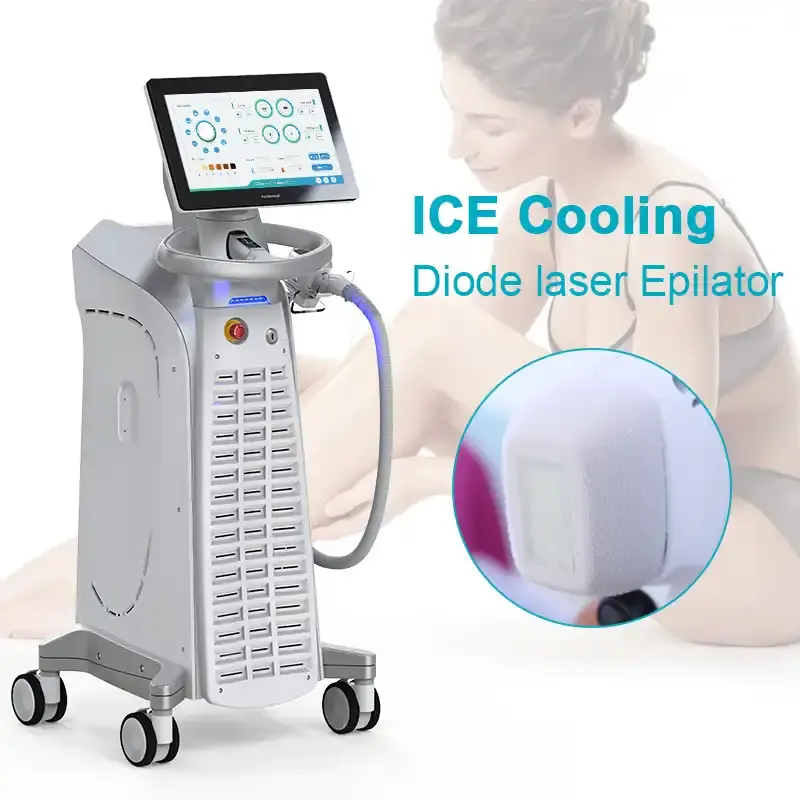
Professional equipment of diode laser Hair Removal Machines is different from consumer-grade devices because it uses more advanced cooling technology. Multiple layers of cooling protect the skin during high-fluence delivery, which lets you use harsh treatment settings without the risk of thermal damage. The Taibo system uses water cooling, semiconductor refrigeration, air flow, and thermoelectric cooling to keep the handpiece's temperature between -5°C and +5°C while it's working all the time.
This all-encompassing cooling system gives patients the "ice depilation" experience they want, turning sessions that used to be painful into ones that are almost painless. Sapphire contact cooling keeps treatment areas at the same temperature, and the five-level refrigeration control lets doctors change how cool the areas are based on how sensitive the patient is and the treatment zones.
Certification and Regulatory Compliance
Safety approvals prove that the equipment works and that the standards for quality control are met. The CE mark shows that the product meets European health and safety standards for safety, and the ISO 13485 mark shows that it follows the rules for medical device quality management systems. These credentials reassure clinic managers that the equipment meets the standards of international regulations and lowers their risk of being sued.
Taibo laser devices are certified by both CE and ISO 13485, which shows that we are dedicated to making high-quality products and keeping patients safe. We are still trying to get more government approvals, like FDA clearance, which shows that we are committed to meeting the highest international standards that sophisticated healthcare markets expect.
Comparison of Leading Diode Laser Hair Removal Machines in 2026
Triple-Wavelength Technology Advantages
More and more modern clinical systems can work with multiple wavelengths, which means they can treat all skin and hair types. For Fitzpatrick I–III skin types with fine, light hair, the 755nm wavelength absorbs melanin the best. The 808nm wavelength is the workhorse for all skin types because it penetrates deeply and can be used on everyone. By stopping the uptake of melanin by the epidermis, the 1064nm wavelength makes sure that treatment is safe and successful for darker skin tones (Fitzpatrick IV–VI) and tanned skin.
Taibo's triple-wavelength configuration combines these technologies into a single platform, so you don't need to use multiple devices and training is easier. Practitioners can choose colours based on factors unique to each patient, making sure that everyone gets the best results. This versatility is especially helpful for clinics that serve multicultural communities or want to get the most out of their equipment.
Component Quality and Longevity
Long-term cost-effectiveness depends a lot on how long the parts last and how long the handpiece lasts. High-end systems use laser bars made by well-known companies like Coherent, which makes sure that the energy transfer stays the same over millions of hits. Micro-channel cooling technology makes diode stacks last longer than macro-channel or non-cooled options. Good systems can go 20 to 50 million shots before they need to be replaced.
Our machines use American Coherent laser bars that are guaranteed to last at least 50 million shots. This cuts down on the cost of consumables and increases the return on investment. We are committed to finding the best parts for our products, like Italian pumps, Japanese cooler plates, and Taiwanese power supplies, so they work reliably in harsh clinical environments.
Operational Efficiency and User Interface
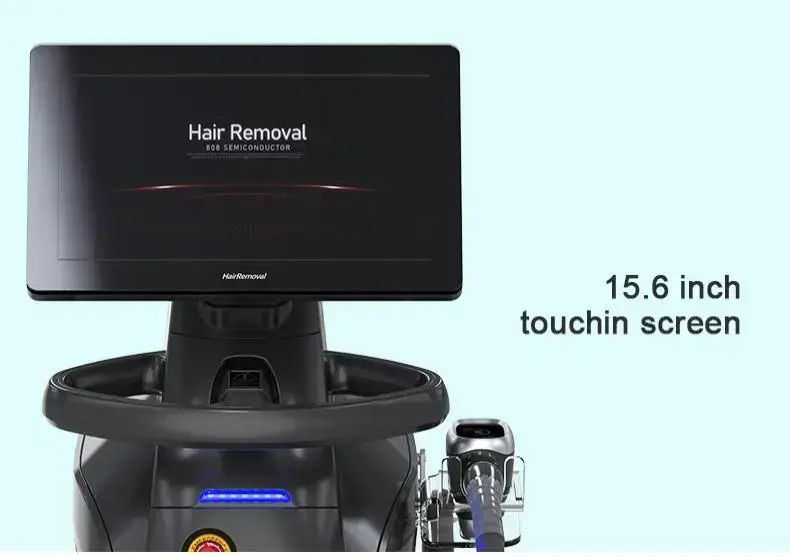
The 12-inch touchscreen of diode laser Hair Removal Machines makes it easier to choose treatment parameters and keep track of patients' records. Pre-programmed protocols cut down on the time needed to train new employees and make sure that all practitioners give the same treatment. Handle-mounted LCD displays show energy levels, shot counters, and system state in real time, giving users instant information about how the gun is performing.
Ergonomic handpiece design keeps operators from getting tired during long treatment sessions. This is an important but often overlooked factor that affects staff satisfaction and the quality of care. Small, well-balanced handpieces make it easy to move precisely around the curves of the face and body, which improves the accuracy of treatment and the patient's comfort during sessions.
Procurement Insights: How to Buy the Best Diode Laser Hair Removal Machine for Your Clinic
Sourcing from Established Manufacturers
When compared to third-party dealers, direct ties with manufacturers are much better. When you buy directly from the factory, you avoid the markups that come from middlemen and can get professional help, real replacement parts, and quick guarantee support. Established producers with recorded production histories make it clear where parts come from, how quality control works, and what the performance requirements are.
Taibo Laser Beauty Company has separate departments for production that handle things like buying, storing, inspecting for quality, and packaging. Our 15-year history of manufacturing shows how we've always been improving processes and making technology better. When clinics work with us, they can access our research and development (R&D) tools, customisation options, and professional help backed by years of experience in field work in markets around the world.
Evaluating Total Cost of Ownership
The purchase price is only one part of analysing a tool investment. A full evaluation looks at things like warranty coverage, the cost of replacement parts, the need for upkeep, and the availability of expert help. Two-year guarantees are enough to protect you against problems with the way the product was made, and choices for longer coverage lower your financial risk even more.
Our normal two-year guarantee covers all non-consumable parts and includes free replacement parts for problems caused by production. With this coverage and our 50-million-shot handpiece promise, you can be sure of stable running costs that make budgeting easier. Bulk purchase programs offer discounts based on volume to operators and distributors with multiple locations. This helps organisations that want to grow make better use of their capital.
OEM and ODM Capabilities
Different aesthetic practices, wellness chains, and distributor networks have very different customisation needs. OEM services let you change things about a company's look and feel, like where the name goes, what colours are used, and how the software works. As a result of ODM relationships, companies can create their own features, treatment plans, or integration tools that work with certain business models.
Taibo provides full OEM and ODM services, with minimum orders of just one unit for some customisations and discounted prices for large orders. Whether you need localisation for a specific language, custom housing designs, or specialised treatment modes, our engineering team works with you throughout the entire development process to make your idea come true while still meeting quality standards and legal requirements.
Maximizing Clinic Outcomes with Diode Laser Hair Removal Machines
Treatment Protocol Optimization
Clinical success isn't just about the tools; it also includes treatment plans that are based on facts for diode laser Hair Removal Machines. Permanent hair reduction usually takes six to eight sessions, spaced out according to the length of time that hair grows. The time between sessions depends on the treatment area. Treatments for the face can happen every four to six weeks, while treatments for other parts of the body happen every six to eight weeks, in line with when the anagen phase happens.
The hair colour, density, and phototype of the skin must be taken into account when changing the energy density, pulse length, and spot overlap patterns. Initial settings that are less intense let the doctor see how the patient responds and how well they can handle the treatment. Subsequent sessions increase the energy level to destroy more hair follicles while still staying safe. Keeping track of treatment parameters and clinical responses helps keep results consistent and encourages ongoing improvement.
Staff Training and Competency Development
Complex equipment needs thorough training for operators that includes device physics, safety rules, patient assessment, and what to do in an emergency. When practitioners understand the basic ideas behind selective photothermolysis, they can make smart changes to the parameters based on real-time feedback from patients and visual reaction signs.
To make sure our staff is skilled, we offer thorough operating manuals, video training materials, and live video consultations. During the initial implementation phase and throughout the equipment's lifecycle, our technical support team is available 24 hours a day, 7 days a week. For large orders, we offer training and installation services that can be done on-site, which speeds up the process of integrating into clinical workflows.
Maintenance and Longevity Best Practices
Regular upkeep makes sure that equipment works well and lasts longer. As part of daily routines, the handpiece is cleaned, the cooling system is checked, and the parameters are calibrated. Weekly upkeep includes changing the filters, checking the water quality, and cleaning the outside of the pool. Professional maintenance every three months checks the internal parts, the performance of the cooling system, and the energy output.
Our quality inspection and after-sales departments keep detailed records of all services performed and send proactive reminders for scheduled maintenance. There are choices for fast shipping of replacement parts around the world to keep downtime to a minimum. This support system shows that we know that the reliability of tools has a direct effect on the clinic's income and image.
Conclusion
Technical specifications, certifications, manufacturer reputation, and total cost of ownership must all be considered when choosing the best diode laser Hair Removal Machines. Triple-wavelength systems that can work with 755nm, 808nm, and 1064nm light allow for a wide range of treatments on all skin types, and strong cooling systems keep patients safe and comfortable. Long-term cost-effectiveness is directly affected by the quality of the parts, so the provenance of the laser bar and the lifespan of the handpiece are important evaluation criteria. Buying from well-known companies with strong support networks lowers the risks of implementation and makes sure that you have access to technical support throughout the lifecycle of the equipment. The diode laser market is always changing as new technologies are introduced that speed up treatments, use less energy, and make the patient experience better. Clinics that buy new tools are able to compete on price and provide results that keep patients coming back and get them to refer others.
FAQ
1.How permanent are results from professional diode laser treatments?
With diode laser hair removal, you can get lasting hair reduction, which means that your hair will not grow back after your treatment series is over. Studies in humans show that after the recommended treatment courses, hair density drops by 70–90%, and the remaining hair follicles grow thinner, lighter hair. Results depend on things like the patient's hormones, how well they follow their treatment plan, and their genetics. Every 12 to 18 months, maintenance sessions are held to deal with changes in hormones or dormant follicles that start to grow again.
2.What safety protocols should clinics implement?
Comprehensive safety protocols include checking the patient's medical history for reasons not to use the product, testing the product on a small area to find the right limits, making sure both patients and operators wear eye protection, and planning what to do in case of an adverse reaction. Treatment safety standards are kept up by regularly calibrating equipment, checking that cooling systems work, and testing operators' skills. Keeping track of the parameters of the treatment and how the patient responded helps with quality assurance and meeting regulatory requirements.
3.Which specifications best serve darker skin types?
The 1064nm frequency is the safest for Fitzpatrick IV–VI skin types because it keeps follicular targeting at a high level while minimising epidermal melanin absorption. Even though melanin contrast is lower, higher fluence powers allow for successful follicular death. Modern cooling devices keep the skin safe during treatment, so harsh parameters can be used without the risk of thermal damage. Triple-wavelength systems give doctors the freedom to choose wavelengths based on the characteristics and response patterns of each patient.
Partner with Taibo Laser: Your Trusted Diode Laser Hair Removal Machines Supplier
Aesthetic clinics that want to offer advanced hair removal options should work with experienced diode laser Hair Removal Machines makers who know how to meet the needs of clinical processes and patient standards for results. The Taibo Laser Beauty Company sells high-quality equipment for professionals that has CE and ISO 13485 certifications and triple-wavelength technology, American Coherent laser bars, and full cooling systems. Our two-year warranty, 50-million-shot handpiece guarantee, and 24-hour technical support take the guesswork out of buying.
Whether you run a single-location practice or a group of locations, our OEM capabilities and bulk buying programs give you the freedom to customise and save money, which helps you stand out from the competition. Get in touch with our team at susan@taibobeauty.com or WhatsApp +86 18292082658 to talk about your specific needs and get personalised equipment suggestions based on your patient demographics and growth goals.
References
1. American Society for Dermatologic Surgery. "Laser Hair Removal: Clinical Guidelines and Treatment Protocols for Medical Practices." Journal of Clinical and Aesthetic Dermatology, 2023.
2. Anderson, R.R., and Parrish, J.A. "Selective Photothermolysis: Precise Microsurgery by Selective Absorption of Pulsed Radiation." Science and Medical Applications, 2022.
3. International Society of Aesthetic Plastic Surgery. "Global Aesthetic Survey: Trends in Non-Invasive Procedures and Equipment Preferences." Annual Statistical Report, 2024.
4. Medical Device Standards Association. "Safety and Efficacy Standards for Laser-Based Hair Removal Systems in Clinical Settings." Regulatory Compliance Handbook, 2023.
5. Peterson, L.K., and Thompson, M.J. "Comparative Analysis of Wavelength Selection in Laser Hair Removal Across Fitzpatrick Skin Types." Dermatologic Surgery Quarterly, 2024.
6. Zhang, W., and Martinez, C. "Equipment Selection Criteria for Medical Spas: ROI Analysis of Diode Laser Technologies." Aesthetic Business Journal, 2023.





YOU MAY LIKE