
Best Body Contouring Results With a Non invasive liposuction machine
2026-09-08 08:58:02
Achieving the best body contouring results with a non invasive liposuction machine is no longer a distant dream for beauty salon owners seeking to expand their service offerings. Modern laser-based fat reduction technology delivers visible, client-satisfying outcomes without surgical incisions or lengthy recovery periods. These advanced devices utilize precise wavelengths—particularly 980nm and 1470nm diode lasers—to target stubborn subcutaneous fat deposits in areas like the abdomen, thighs, and arms, providing an effective alternative to traditional surgical liposuction. For salon owners looking to attract new clients and compete effectively in today's market, investing in a reliable, results-driven system offers both immediate appeal and long-term profitability.
Understanding Non Invasive Liposuction Machines and Their Technology
How Diode Laser Lipolysis Works
Treatment begins when laser energy enters the skin with a fiber optic probe or surface applicator. This energy only warms adipocytes (fat cells) to a temperature where cell walls break down. When these cells die, their lipids are released. Slowly, the lymphatic system eliminates these lipids via normal metabolic pathways. Laser-induced lipolysis eliminates fat cells without harming neurons, blood vessels, or connective tissue when set up properly.
Modern systems, like TB's 980nm-1470nm dual-wavelength device, may produce 35W base power and 3, 9, or 15W 1470nm power. Thus, operators may customize treatments to target area size, fat thickness, and customer needs. The 8.4-inch color touch screen simplifies parameter changes. Users may precisely regulate energy delivery by setting pulse width from 1 to 100ms and frequency from 1 to 10Hz.
Safety and Regulatory Compliance
When looking at laser systems, equipment safety is still the most important thing. Real-time temperature monitoring is built into high-quality devices to keep users from getting burned. If the skin temperature rises too high, sensors instantly lower or stop energy supply. Adding an ice hammer application to expert systems cools the area right away after treatment, which reduces swelling and makes the client more comfortable. These safety features not only keep your clients safe, but they also protect your salon's image and keep legal issues to a minimum.
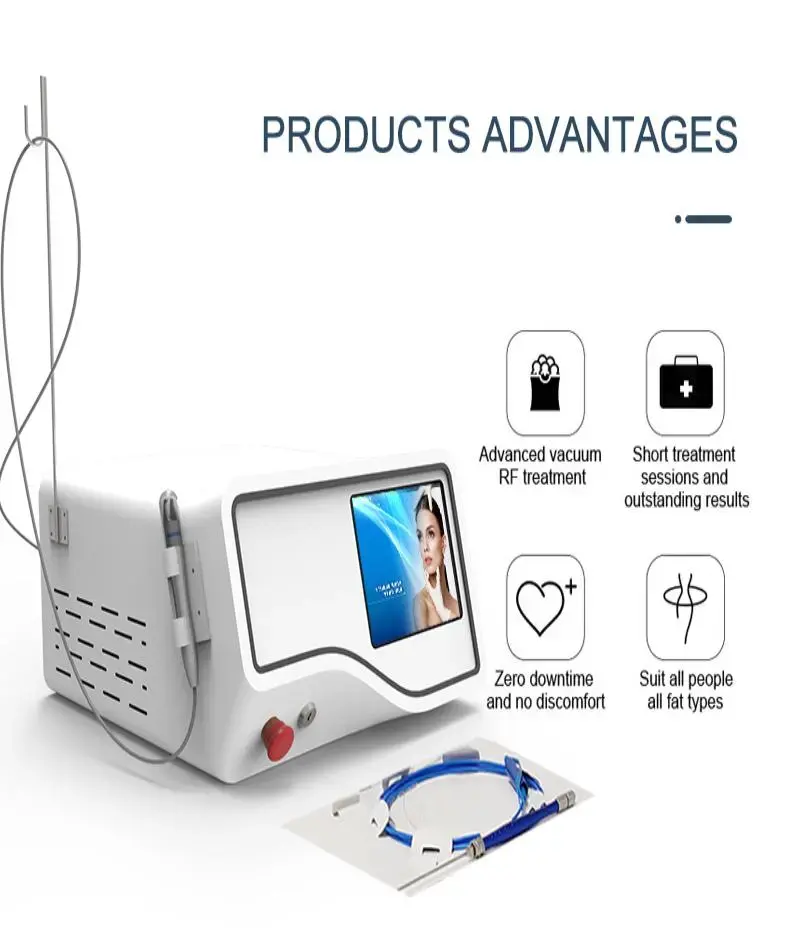
Certifications like CE marking and ISO13485 compliance show that the equipment meets the strict European standards for medical devices. These credentials show that the manufacturing processes, quality control systems, and performance of the product have been carefully checked by a third party. Checking these certifications when buying equipment protects your investment and makes sure you're meeting international safety standards.
Comparing Non Invasive Liposuction Machines: Helping Buyers Make the Right Choice
Laser Lipolysis vs. Alternative Technologies
Branded systems popularized cryolipolysis. Controlled chilling freezes fat cells into crystals, killing them. It takes 60 to 90 minutes of classes and 8 to 12 weeks to see results on various body areas. Radiofrequency (RF) devices heat deeper tissue to boost collagen formation and promote fat loss, although several sessions are needed. Ultrasound cavitation damages fat cell membranes, although the outcomes vary depending on the operator and the client's physiology.
Laser lipolysis with a non invasive liposuction machine reduces treatment areas immediately because fat cells break down, takes 30–60 minutes, and tightens skin via collagen stimulation. Laser wavelength selection is precise, targeting particular tissue depths and kinds. It works on huge regions like the belly and tiny ones like the submental (under-chin). People enjoy how warm the therapy is and how it doesn't numb or pain them like cold approaches.
OEM vs. Branded Equipment Considerations
Beauty salon operators must determine whether to acquire foreign brands or work with well-known OEMs. Compared to OEM choices, branded systems cost two to three times more. Marketing expenses, not technical advances, drive this. Many prominent salons have discovered that partnering with experienced manufactures like TB, which has CE/ISO13485 certifications and 15 years of expertise, yields the same clinical outcomes for less money.
The procurement advantage exceeds the purchasing price. OEMs typically provide customized interface displays, bespoke color schemes, and language translation. This allows you create a brand-consistent experience. With its two-year guarantee, rigorous operator training, and fast after-sales support, TB alleviates customer concerns regarding service. Supplier manufacturing history, certifications, and customer ratings might indicate reliability and support.
How to Achieve the Best Body Contouring Results Using a Non Invasive Liposuction Machine
Optimizing Treatment Protocols
Laser lipolysis requires the correct intensity, duration, and region. The multi-wavelength technique excels. The 980nm wavelength increases skin microcirculation by targeting top fat layers, while the 1470nm wavelength targets primary fat deposits farther down. The pulse width may be modified from 1 to 100ms, which helps you make it meet your requirements. While longer pulses heat bigger regions slowly or for sensitive customers, shorter pulses focus energy on tiny areas.
Initial treatment planning involves meeting with the client and writing down particular fat deposits and reasonable targets. Sessions typically 30–60 minutes, depending on treatment area size. Laser treatment targets fat cells, making the client feel warm and chilly. The kit's ice hammer applicator cools the region immediately after treatment to decrease swelling and discomfort. Most clients may resume regular activities immediately, but avoid strenuous activity for 24–48 hours.
Clinical Outcomes and Client Expectations
Managing what clients expect is important for keeping them happy and getting good word-of-mouth recommendations. Some circumference loss happens right away because fat cells break down and fluid moves around, but the best results don't show up for 6 to 12 weeks because the lymphatic system has to work on getting rid of the dead fat cells. The most dramatic and long-lasting results usually come from recommending a series of three to five treatments spaced two to four weeks apart. Keeping measurements and photos from before the treatment makes it possible to evaluate them objectively and gives you powerful marketing content when clients agree to share their transformation.
Multiple pieces of evidence show that dual-wavelength laser devices work. Studies that look at 1470nm laser lipolysis show that after a full run of treatments, the average diameter of treated areas shrinks by 2 to 5 cm, and more than 85% of clients are satisfied with the results. Collagen stimulation also tightens the skin at the same time, which solves the common problem of loose skin after losing fat by making the body look smoother and more toned.
Maintenance and Operator Training
Proper upkeep is important for making sure that equipment lasts as long as possible and works consistently. Laser systems with 10,000-hour diode lifespans, like TB's, work reliably for years as long as they are properly maintained. This includes keeping the fiber optic tips clean on a regular basis, making sure the cooling system works perfectly, and inspecting parts according to the manufacturer's instructions. Setting up regular maintenance schedules keeps your investment valuable and stops unexpected downtime.
Operator training has a big effect on both how well treatments work and how safe clients are. Laser physics basics, treatment parameter selection, client assessment processes, and emergency procedures should all be covered in in-depth training programs. TB gives operators detailed instructions and video demonstrations, as well as live video training sessions until they can show they are competent. This investment in education will directly lead to better results for your clients and lowers the chance of bad things happening that could hurt your salon's image.
Procurement Guide for Non Invasive Liposuction Machines: What B2B Buyers Need to Know
Identifying Reliable Suppliers
There are a lot of suppliers of beauty tools, and their high standards and ways of doing business are all different. Manufacturers that have been around for a long time, have their own research and development departments, and have customers all over the world show that they are stable and skilled. TB has been making goods for 15 years and has sent them to over 180 countries. This shows that they are reliable and can provide service across cultures. Verifying a factory, either by visiting in person or using a third-party inspection service, makes sure that the production capacity and quality control systems are working properly.
Verification of certification keeps you safe from fake or low-quality equipment. Requesting copies of CE certificates, ISO13485 paperwork, and product test results lets someone else check that compliance claims are true. Genuine manufacturers easily give out these papers and can give you certification numbers that you can use to prove your identity with the groups that issued them. This research keeps you from making mistakes that cost a lot of money and makes sure that the tools you buy meets safety and performance standards.
Cost-Benefit Analysis and ROI Planning
Smart investment choices for a non invasive liposuction machine are based on having a full picture of your finances. Initial equipment cost is only one part of figuring out how profitable a business will be. Other factors include the cost of consumables, the need for maintenance, and the amount of money that the business could make. Laser lipolysis systems usually don't have high costs for consumables, mostly the disposable fiber tips used for invasive procedures. However, the external handpiece is used for many treatments without consumables. This is better than technologies that need treatment tips, gels, or frozen application packs to be bought all the time.
How you figure out your revenue varies on how the market works in your area, but standard price structures can help. Most beauty centers charge between $200 and $500 per treatment area per session. A full treatment set of 4-6 sessions costs between $800 and $2,500. With a steady flow of clients and average treatment times of 45 minutes and equipment costs ranging from $15,000 to $25,000 for good laser systems, it is possible to get a return on investment in 6 to 8 months. You can reach more people and make more money if you can treat more parts of the body, like the belly, flanks, legs, arms, and submental region.
Warranty and After-Sales Support Evaluation
When your equipment breaks down, it can ruin your business and your relationships with clients. These risks are lessened by having a full warranty and quick expert help. TB's two-year warranty covers replacing parts that break down for reasons other than user error, which is a lot longer than the normal one-year guarantee. This extra protection shows that the company that made the product is sure it will last, and it also lowers your long-term operating costs.
Quality of after-sales service is often what sets great suppliers apart from average ones. Technical help available 24 hours a day through email, WhatsApp, and the phone makes sure that problems are fixed quickly, so that equipment downtime doesn't cost too much in lost income. Language help is also important. Suppliers who can talk to you in the language you prefer avoid mistakes that could take longer to solve the problem. This is a common problem that TB's multilingual support team can help with. This is especially helpful for salon owners who may not speak English very well.
Future Trends and Innovations in Non Invasive Liposuction Technology
Emerging Technology Developments
Multi-modal energy transfer methods are the newest and most advanced way to lose fat. When laser lipolysis is combined with radiofrequency or ultrasound on the same platform, doctors can work on different layers of tissue at the same time, which could cut down on the number of treatment sessions needed. Some more advanced systems now have real-time tracking of tissue resistance, which changes the amount of energy delivered automatically based on how the tissue responds to get the best results with the fewest side effects.
Adding artificial intelligence to treatment planning and performance looks like it will change everything. AI programs can look at pictures of clients and data about their body composition to figure out the best way to treat them, guess what results they can expect, and keep track of their progress between sessions. These smart systems make it easier for less-experienced professionals to get results that are just as good as those of seasoned professionals. AI-enhanced devices are still new, but they'll probably be normal in three to five years. That means now is a good time to work with companies that are investing in this growth.
Market Growth and Regulatory Evolution
The desire for non-surgical body contouring keeps going up. This is because people are living longer and want to keep up their looks, social media has an effect on body image, and more people are okay with cosmetic treatments. According to market research, the non-invasive fat reduction market will grow at a rate of 12 to 15% per year until 2030. This means that salons with the right tools will have plenty of opportunities to make money. This growth is happening all over the world, but it's especially strong in the Middle East, Southeast Asia, and Latin America, where your target clients do business.
As governments around the world try to deal with the growing number of beauty gadgets, rules are getting stricter. The Medical Device Regulation (MDR) of the European Union will make manufacturers follow stricter rules when it goes into full effect in 2021. In the meantime, different countries are making their own rules. It is more likely that equipment that has the latest CE approval under MDR compliance will meet future regulatory standards. When you work with makers that put regulatory compliance first, you can protect your investment from losing value as laws change.
Conclusion
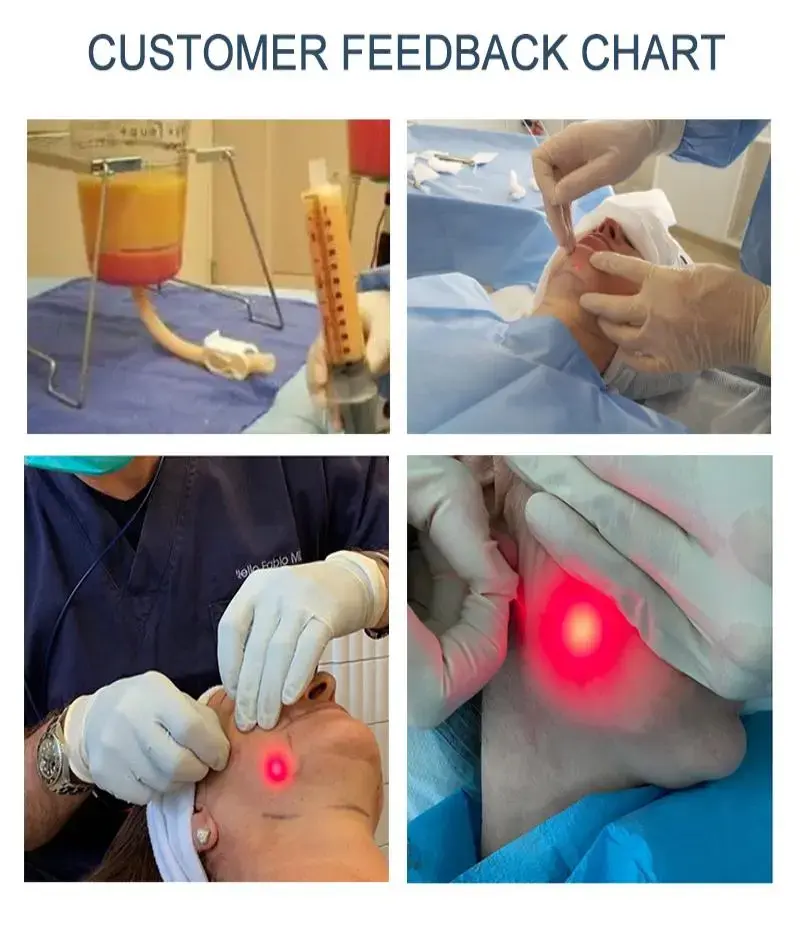
By buying good laser lipolysis equipment like the non invasive liposuction machine, beauty shops can take advantage of the steady rise in demand for non-surgical body shaping. The mix of 980nm and 1470nm diode laser wavelengths has been shown to reduce fat and tighten skin, which makes clients happy and leads to good word-of-mouth. Buying equipment strategically, focusing on certified manufacturers with full support systems, fair prices, and strong warranty coverage, will make sure that your investment gives you both clinical results and financial returns. Salon owners can stay ahead of the competition in their local markets by using treatment plans that have been proven to work, keeping their tools in good shape, and keeping up with new technologies. Businesses that are ready to offer safe, effective treatments that help clients reach their beauty goals can still make a lot of money from body shaping.
FAQ
1. What makes laser lipolysis safer than traditional surgical liposuction?
Laser systems don't have the main risks that come with invasive treatments, like problems with general anesthesia, infections from cuts, too much blood, and damage to the tissue from mechanical fat extraction. The laser only targets fat cells and doesn't damage the structures around them. Clients feel little pain, don't get scars, and can go back to their normal tasks right away. When compared to the known complications of surgical liposuction, serious side effects are very rare when laser systems are used correctly.
2. How many treatment sessions typically achieve optimal body contouring results?
Most clients need four to six sessions, spread two to four weeks apart, to get a big, long-lasting decrease in the size of the treated areas. Single sessions make a difference that can be seen, which makes them good for customer experience marketing. However, multiple treatments are needed to get rid of all the fat and smooth the skin the most. The effects are different for each person because of their starting fat level, living choices, and how well their metabolism works. Client dissatisfaction can be avoided by giving thorough consultations and setting realistic goals.
3. Can laser systems effectively treat both fat reduction and other aesthetic concerns?
Advanced platforms with multiple functions, like TB's system, can be used for more than just fat loss. The 980nm frequency successfully treats vascular problems like spider veins and redness in the face. It also helps the skin regenerate by stimulating collagen. This flexibility makes the best use of tools and lets salons offer a wide range of beauty services with just one purchase. Dealing with a variety of issues on a single platform increases the return on investment and makes operator training easier than keeping different devices for each reason.
Partner With TB for Proven Body Contouring Technology
TB has helped beauty shop owners all over the world for more than 15 years by providing approved laser systems that work well in the clinic and make money for the business. Our dual-wavelength diode laser technology gives your clients the flexibility and results they want, and it comes with an ISO13485 certification and a full two-year warranty. We know what problems salon owners have, like having to deal with a competitive market, needing to see a quick return on their investment, and worries about how reliable their equipment is, so we made our products and services to specifically solve these problems.
As a non invasive liposuction machine manufacturer, we keep our prices direct from the factory and offer a wide range of support services, such as technical help in multiple languages, thorough training materials, and OEM customization options for companies that want to build their brand. Our support team is available 24 hours a day, 7 days a week, so you'll never be alone when you need help or have problems. Over 180 countries trust TB equipment to give them the results they want, which keeps customers coming back and gets them to refer others.
Email our team at susan@taibobeauty.com right now to talk about your specific needs, get detailed product specifications, or set up demonstrations of our equipment. Visit taibolaserbeauty.com to see all of our beauty technologies and learn why sourcing professionals around the world choose TB as their manufacturing partner of choice. We're ready to help you give your clients technology that has been tested and shown to make a difference.
References
1. Anderson, R.R., and Parrish, J.A. (1983). "Selective photothermolysis: precise microsurgery by selective absorption of pulsed radiation." Science, 220(4596), 524-527.
2. Katz, B., and McBean, J. (2019). "Laser-Assisted Lipolysis: A Review." Dermatologic Surgery, 45(Supplement 1), S25-S38.
3. Goldman, A., and Wollina, U. (2017). "Body contouring and fat reduction by non-invasive high-intensity focused electromagnetic technology." Journal of Cosmetic Dermatology, 16(3), 388-393.
4. Alizadeh, Z., Halabchi, F., Mazaheri, R., and Abolhasani, M. (2016). "Review of the mechanisms and effects of noninvasive body contouring devices on cellulite and subcutaneous fat." International Journal of Endocrinology and Metabolism, 14(4), e36727.
5. Kilmer, S.L., and Cox, S.E. (2018). "Laser and light-based lipolysis: mechanism of action and devices." Lasers in Surgery and Medicine, 50(5), 407-414.
6. Shridharani, S.M., Broyles, J.M., and Matarasso, A. (2014). "The safety and efficacy of laser-assisted liposuction: a review of over 2000 consecutive patients." Aesthetic Surgery Journal, 34(2), 272-283.





YOU MAY LIKE