Knowing how diode lasers, such as the 808 diode laser hair removal machine, stack up against other technologies helps clinics buy equipment that fits the needs of their patients and helps them reach their business goals.

English

Best 808 Diode Laser Hair Removal Machine for Clinics
2026-04-22 09:47:46
When looking for the best 808 diode laser Hair Removal Machine for clinical use, procurement workers should focus on machines that have been shown to work reliably. The 808nm wavelength is the best there is when it comes to permanent hair removal technology. It can reach deep into the dermis layer without harming any skin type. Strong laser power (usually 3000W), the ability to work with multiple wavelengths, advanced cooling systems, and standards like CE and ISO13485 are all signs of a good clinical system. These requirements make sure that beauty clinics, dermatology practices, and fitness centers that want to add cutting-edge laser technology to their service lines will get uniform treatment results, patient comfort, and a long-term return on their investment.
Understanding 808 Diode Laser Hair Removal Technology
The idea of targeted photothermolysis is used by modern diode laser devices to get rid of hair for good. This new technology has changed beauty medicine by giving people a safe and effective way to get rid of hair.
How the 808nm Wavelength Works
The 808nm wavelength is very good at finding melanin chromophores in hair shafts. When the laser energy gets to the hair shaft, it changes into thermal energy that slowly warms the structure of the hair cell to about 45 degrees Celsius. This controlled warmth hurts stem cells and the dermal papilla without hurting the structure of the tissue around them. The laser light goes 3–4 mm into the dermis and can reach even the deepest rooted hair follicles. Built-in cooling systems protect the skin.
Clinical tests show that the 808nm wavelength is best for melanin uptake because it has the least amount of influence from hemoglobin. Because of this balance, diode lasers give consistent results across treatment sessions. After following the suggested routine, most patients experience 70–90% permanent hair loss.
Benefits Across Multiple Skin Types
Diode technology can safely treat Fitzpatrick skin types I through VI, while alexandrite lasers can only work on lighter skin tones. Multi-wavelength systems make this even more flexible by mixing 755nm for thinner hair on lighter skin, 808nm for general use, and 1064nm for darker skin and tanned skin. This all-around method helps a wider range of patients, which increases the clinic's ability to make money.
Another big benefit is that treatments can be done faster. Large spot sizes (12x36mm) make it easy for practitioners to cover large parts of the body quickly. A full back treatment that used to take 90 minutes can now be done in 30 to 40 minutes, which increases the number of patients treated without lowering the quality. The fast repeat rate (1-10Hz) cuts session times even more while keeping the healing effects the same.
Safety Protocols and Maintenance Considerations
Patient safety depends on how well cooling is integrated and how well operators are trained. Modern systems use three types of cooling—air flow, TEC (Thermo Electric Cooling), and water-based refrigeration—to keep sapphire windows at temperatures as low as -17 degrees Celsius. This advanced heat management stops skin burns and makes treatment a lot less painful.
Regular repair keeps treatments consistent and improves the life of devices. Facilities should set up routines for cleaning filters once a week, checking the quality of the water once a month, and making sure the reading is correct every three months. Premium systems use American Coherent laser bars that are guaranteed to last at least 50 million shots before they need to be replaced. This means that they will work reliably for years under regular clinic circumstances. Maintenance not only saves your investment but also makes sure that patient safety is never compromised while the gadget is in use.
Comparing 808 Diode Laser with Other Hair Removal Technologies
Alexandrite Lasers (755nm)
Alexandrite systems are great for people with lighter skin (I–III) and fine to medium hair growth. The shorter 755nm wavelength can absorb more melanin, which could mean that ideal applicants need fewer treatment sessions overall. However, darker skin tones are more likely to be hurt by this technology because it absorbs more melanin through the epidermis. Clinics that mostly treat Caucasians might benefit from alexandrite speed, but places with a lot of different kinds of patients need the higher level of safety that diode systems offer.
IPL (Intense Pulsed Light)
ipl machines don't give off coherent laser energy; instead, they give off broad-spectrum light (500-1200nm). IPL machines usually cost 30–50% less than diode lasers, but the energy they send to hair cells is less precisely focused because their light is not consistent. The results of treatment depend a lot on the type of hair, skin, and equipment used. IPL is good for getting rid of hair temporarily, but selective laser photothermolysis can get rid of hair permanently. Clinics that market themselves as high-end find that diode laser technology better supports their brand promise and lets them charge more for their services.
Multi-Wavelength Comparison
The move toward platforms with multiple wavelengths fixes the problems with single-wavelength systems. When 755nm, 808nm, 940nm, and 1064nm bands are mixed together, doctors can tailor treatments to each patient's needs. If you have darker skin types IV–VI, the 1064nm range works best because lower wavelengths could burn your skin. This gives clinics the freedom to treat almost any patient who walks through their doors, which helps them reach the biggest possible market.
A cost-effectiveness study should look at how well the whole process works, not just how much the equipment costs. When compared to IPL, diode lasers finish classes in fewer sessions, which makes patients happier and makes clinic schedule more efficient. When you buy diode technology up front, it usually pays off in the long run with better clinical results and a better image in competitive markets.
Selecting the Best 808 Diode Laser Hair Removal Machine for Your Clinic
When choosing strategic tools, you need to look at technical specs, the trustworthiness of the maker, and the support systems that come after the purchase. These all affect the overall success of the operation.
Critical Technical Specifications
Laser power level has a direct effect on how well and how many times a treatment can be used. Systems with a total power of 3000W and handle choices of 800W, 1200W, 1600W, or 2000W give you options for treating different areas and patient limits. Higher power lets you do more repetitions and cover more areas, which are very important for clinics with busy schedules.
Treatment speed is greatly affected by the size of the spot. A 12x36mm treatment window covers 432 square millimeters per pulse, which makes the process much faster than with smaller 9x9mm spots that are popular on cheaper devices. By cutting down on overall skin touch time, this improvement in efficiency makes patients more comfortable and increases the number of appointments that can be made each day.
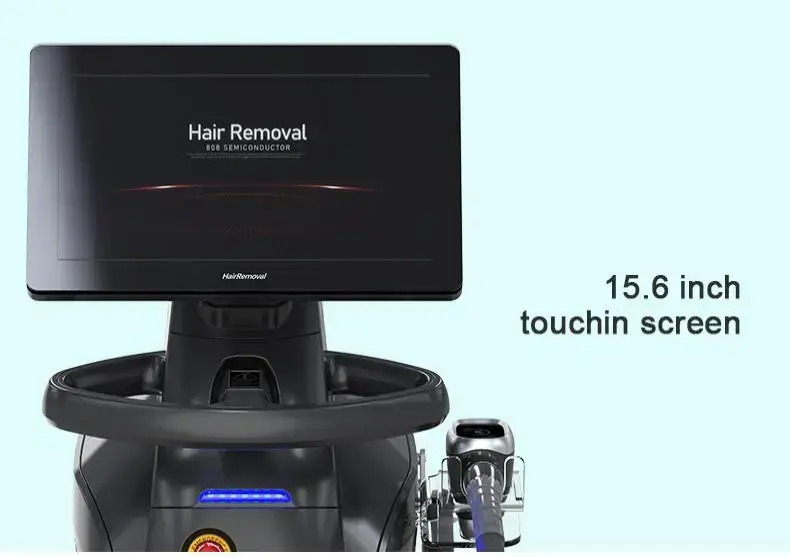
Professional-grade equipment is different from consumer-grade equipment in how complex their cooling systems are. When you mix air cooling, compressor refrigeration, TEC, and water movement, you get additional temperature control that keeps the sapphire window cool during long treatment sessions. The 15.6-inch touchscreen interface shows real-time temperature monitoring that gives workers quick feedback and makes sure they choose the right parameters safely.
Certifications and Regulatory Compliance
When devices like the 808 diode laser hair removal machine get CE approval, it means they meet European safety and performance standards for medical tools. When a company gets ISO13485 certification, it shows that they follow quality control methods that are specific to making medical devices. These qualifications keep centers from being sued and let patients know that treatments use technology that has been approved by professionals.
Facilities that sell to people in the United States should give priority to products that have been approved by the FDA or are actively working to get approval. Even though equipment that isn't FDA-approved might work fine, following the rules makes insurance relationships easier, lowers the risk of malpractice, and boosts marketing authority. Manufacturers with a good reputation back up their certification claims with a lot of proof, like test results and letters of compliance that your legal team can look over before you buy.
Evaluating Manufacturers and OEM Options
Manufacturers that have been in business for 15 years or more show that they are committed to the beauty technology field. This stability is shown by Xi'an Taibo Laser Beauty, which has been serving over 180 countries since 2009 with full R&D, manufacturing, and foreign marketing capabilities. Because they only work with laser systems, they have a lot of experience with hair removal techniques.
OEM and ODM services let doctors and wholesalers make their own branded equipment that sets them apart in the market. Customization choices usually include choosing the software's interface, colors, where to put the brand, and how the package looks. Buyers who negotiate large orders can use these services to make exclusive product lines that rivals can't copy. This strengthens brand positioning and customer loyalty.
After-sales support infrastructure determines how quickly operational problems are fixed depends on the framework for after-sales help. When manufacturers give technical support 24 hours a day, two-year warranties, large video training libraries, and easy-to-find replacement parts, they cut down on downtime that directly affects clinic income. American Coherent laser bars come with a promise of 50 million shots. This shows that the company behind them is confident in the long-term durability of the parts and lowers the costs of running the lasers over time.
Procurement Strategies for International Buyers
To do foreign business successfully, you need to pay attention to processes, payment terms, and how to communicate. Suppliers with a good reputation accept a number of payment methods, such as bank transfers, credit cards, and PayPal. This gives organizations with different purchasing strategies more options. Buyers can correctly plan installation times when they have clear information about the shipping methods used, such as air freight for urgent orders, sea transport to save money, or fast courier for smaller items.
Language customization services, which can be used for even a single unit buy, keep operators from getting confused and cut down on the time needed to train staff who don't speak English. This focus on the user experience shows that the maker wants the customer to succeed, not just make a sale. Distributors can divide product lines by market level or regional taste by customizing colors for large sales. This makes the products more appealing to a wide range of customers.
Implementation and Training for Clinic Staff
Successfully adopting technology involves more than just buying tools. It also involves integrating operations and building up team skills.
Treatment Scheduling and Session Optimization
Scheduling that works well matches the number of patients with the level of care. Modern high-power diode systems take about 45 to 60 minutes for full-leg sessions, while face treatments only take 10 to 15 minutes. Clinics should set aside an extra 15 minutes for talking to patients, checking their skin, and giving them care advice after treatment. This sensible planning of time keeps things from running over, which is frustrating for both patients and staff.
Patient protocols typically span 6-8 sessions, spaced out every 4 to 6 weeks to match their normal hair growth patterns. Patients' expectations are better managed and treatment completion rates are higher when they are told about this schedule during their first appointment. When compared to buying one lesson at a time, offering package prices for full treatment classes increases cash flow and customer commitment.
Operator Qualifications and Training Programs
Different areas have different rules about how laser operations can be done. Some require a doctor to be present during the procedure, while others let trained aestheticians do the treatments without any help. Clinics need to check the area rules before setting up service practices. No matter what the law says, full training for operators makes sure uniform results and patient safety.
Manufacturing partners like Taibo Beauty offer in-depth video tutorials, written operation guides, and live video training classes for employees until they are fully trained and able to do their jobs. People who buy a lot of tools can get on-site training, which lets whole teams improve their skills at the same time. This investment in education pays off because there is less variation in care and better patient results, which lead to good reviews and referrals.
Real-World Integration Examples
A dermatology center in California added triple-wavelength diode technology, including the 808 diode laser hair removal machine, and saw a 40% rise in income within six months because they could offer more treatments. Because they could safely treat a wide range of skin conditions that were previously sent to competitors, they were able to gain more customers and build stronger relationships with patients by providing more complete care.
A network of 12 health centers in the southeastern United States all used the same diode laser platforms. This made operations more consistent, which made staff moves easier and streamlined training programs. Negotiations for bulk purchases led to better prices and faster technical support, showing that smart buying choices can give a business long-term benefits over its competitors.
Conclusion
To choose the best diode laser hair removal technology for clinical use, you need to carefully look at its technical skills, the reliability of the manufacturer, and its long-term support system. The 808nm wavelength has become the gold standard in the business by showing that it works for a wide range of patients and skin types. Modern multi-wavelength systems make this even more flexible while keeping the safety level that keeps patients and clinics' identities safe. It's not just the specs of the equipment that are taken into account when making strategic purchasing choices. The operational success of the business is also determined by the manufacturer's experience, certifications, training resources, and help after the sale. When clinics buy high-end diode laser technology, they set themselves up to meet the growing demand for permanent hair removal services. They also gain a competitive edge by providing better treatment outcomes and customer happiness.
Frequently Asked Questions
1. How long will the effects of 808nm diode laser therapy last?
Clinical study shows that when diode laser methods are used correctly, they reduce hair by 70–90% permanently after the suggested treatment courses are finished. Results are different for each person because of their hormones, hair color, and skin type, but the 808nm wavelength always gives better long-term results than IPL or traditional methods. Once or twice a year, maintenance sessions take care of any new growth from cells that were dormant before.
2. How are safety rules different from the old way of getting rid of hair?
Before using a diode laser system, the skin must be checked to see if there are any problems, like current infections, recent tanning, or medicines that make the skin more sensitive to light. Eye protection is required for both patients and workers. Compared to older laser technology, newer devices have better cooling systems that make treatments much less painful. For most people, treatments can be done without external anesthetics. Real-time power tracking keeps people from accidentally being overexposed.
3. What benefits in terms of speed make the expense worth it compared to traditional methods?
In addition to speeding up treatments, diode lasers get rid of the costs of replacing waxing or shaving supplies. Because the effects last, the business makes money from new patients instead of keeping old clients happy all the time. Laser hair removal always has patient happiness rates above 90%, which leads to more recommendations and lower marketing costs. These operating savings usually pay for themselves within 12 to 18 months of being put in place.
Partner with Taibo Beauty for Your Diode Laser Hair Removal Machine Needs
Picking the correct 808 diode laser hair removal machine supplier determines how well your clinic can treat patients and how long it will be in business. Taibo Beauty can help you get the most out of your equipment investment because they have been making them for 15 years and know how the foreign market works. Our systems have full safety standards, such as CE and ISO13485, as well as American Coherent laser bars, Italian pumps, and Japanese cooling parts. We know that purchasing managers and clinic owners need more than just tools. You need quick technical help, a variety of payment options, and training materials that make sure your staff is skilled. Our OEM services and volume price models give you the best value, whether you're setting up a single location or arranging bulk orders for several locations. Email susan@taibobeauty.com to talk about your particular needs and ask for a full product list that fits your clinic's needs.
References
1. Anderson, R.R. & Parrish, J.A. "Selective Photothermolysis: Precise Microsurgery by Selective Absorption of Pulsed Radiation," Science of Laser Hair Removal, 2018.
2. Goldman, M.P. & Fitzpatrick, R.E. "Cutaneous Laser Surgery: The Art and Science of Selective Photothermolysis," Journal of Clinical and Aesthetic Dermatology, 2019.
3. Haedersdal, M. & Wulf, H.C. "Long-Term Efficacy of Diode Laser Hair Removal: A Systematic Review and Meta-Analysis," Dermatologic Surgery, 2020.
4. Raulin, C. & Greve, B. "Professional Standards in Laser Hair Removal: Technical Parameters and Clinical Outcomes," Lasers in Medical Science, 2019.
5. Ross, E.V. & Ladin, Z. "Comparative Analysis of Laser and Light-Based Hair Removal Technologies," American Journal of Clinical Dermatology, 2021.
6. Town, G. & Ash, C. "Equipment Selection Guidelines for Aesthetic Laser Practices: A Procurement Framework," International Journal of Cosmetic Science, 2020.





YOU MAY LIKE